Is the sound louder at the panel?
Stop at the closed panel. Do not remove covers or tighten breaker terminals. Call a licensed electrician.
Start by locating the sound. AFCI buzzing at a wall receptacle can come from a loose device connection, a failing AFCI, or a bad load; buzzing at the panel is an electrician stop point.
The strongest clue is whether the buzz changes when everything downstream is unplugged.
Use closed-panel checks, remove plug-in loads, and stop fast for heat, odor, crackling, discoloration, or repeated trips.
Don’t start with: Do not open the breaker panel, tighten anything live, or replace the AFCI before the sound is isolated.
Stop at the closed panel. Do not remove covers or tighten breaker terminals. Call a licensed electrician.
Leave the circuit off. Heat, odor, browning, crackle, or sizzling points toward an unsafe connection or damaged device.
When every portable load is unplugged and the buzz stops, trace downstream before touching the AFCI. Check the last charger, lamp, power strip, outlet, or plug for warmth, loose blades, cracked plastic, or scorch.
After power-off inspection, the AFCI receptacle or its terminations move up the list. Do not treat it as safe just because it resets.
Recent outlet, switch, fixture, or furniture work can loosen a connection or damage a cord. Use that change as the first clue.
A wall AFCI, the protected loads, and the panel can all make the same room sound noisy. Sort those clues from the finished side first.
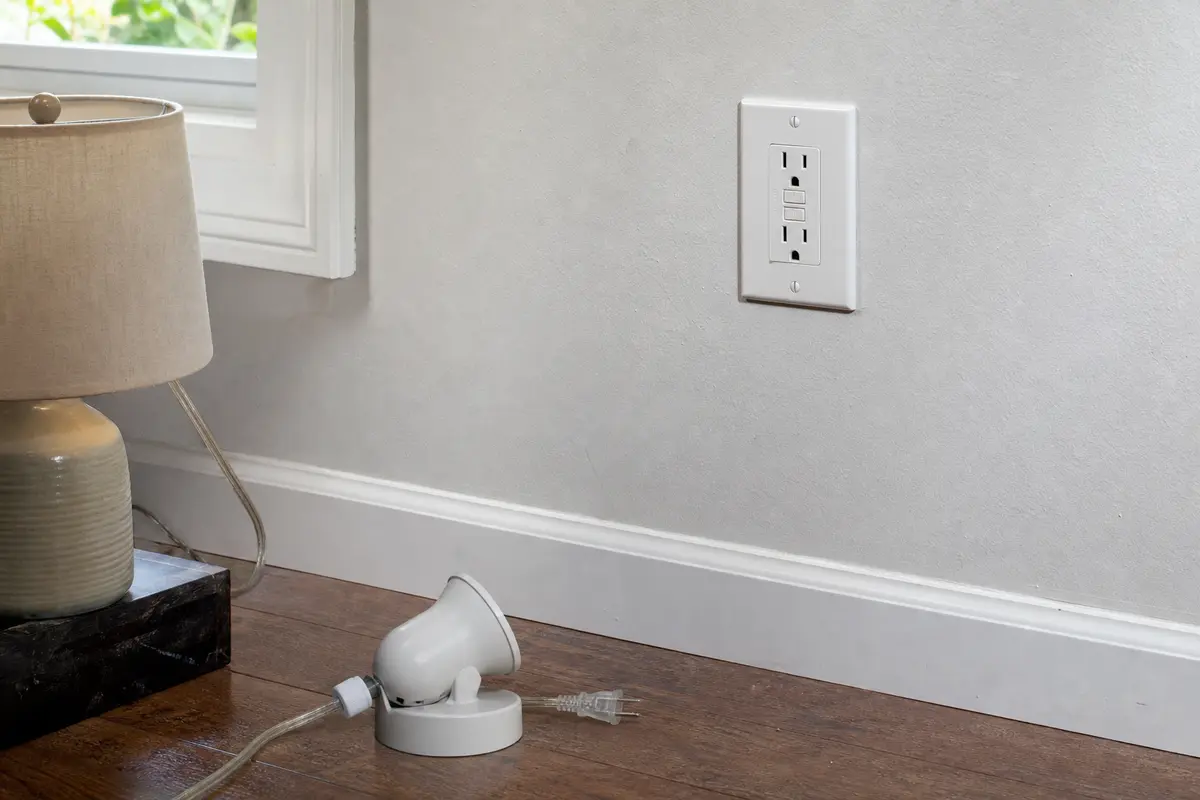
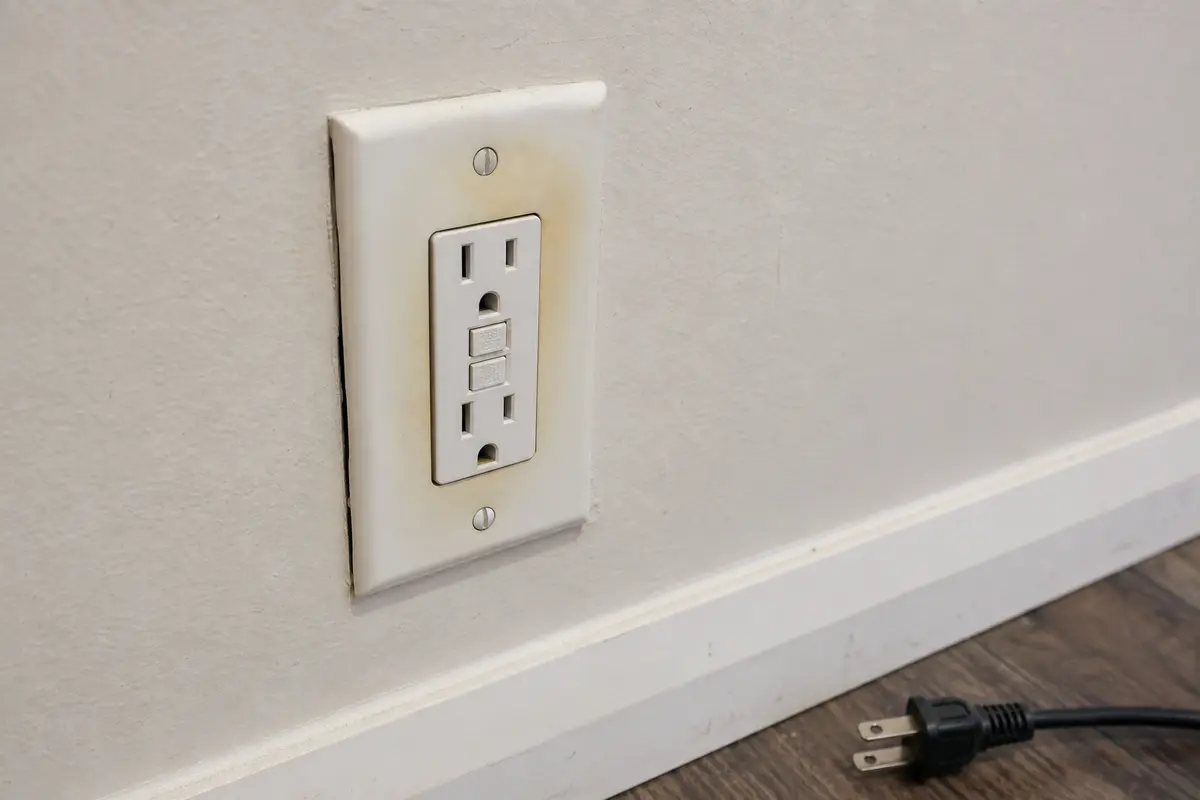
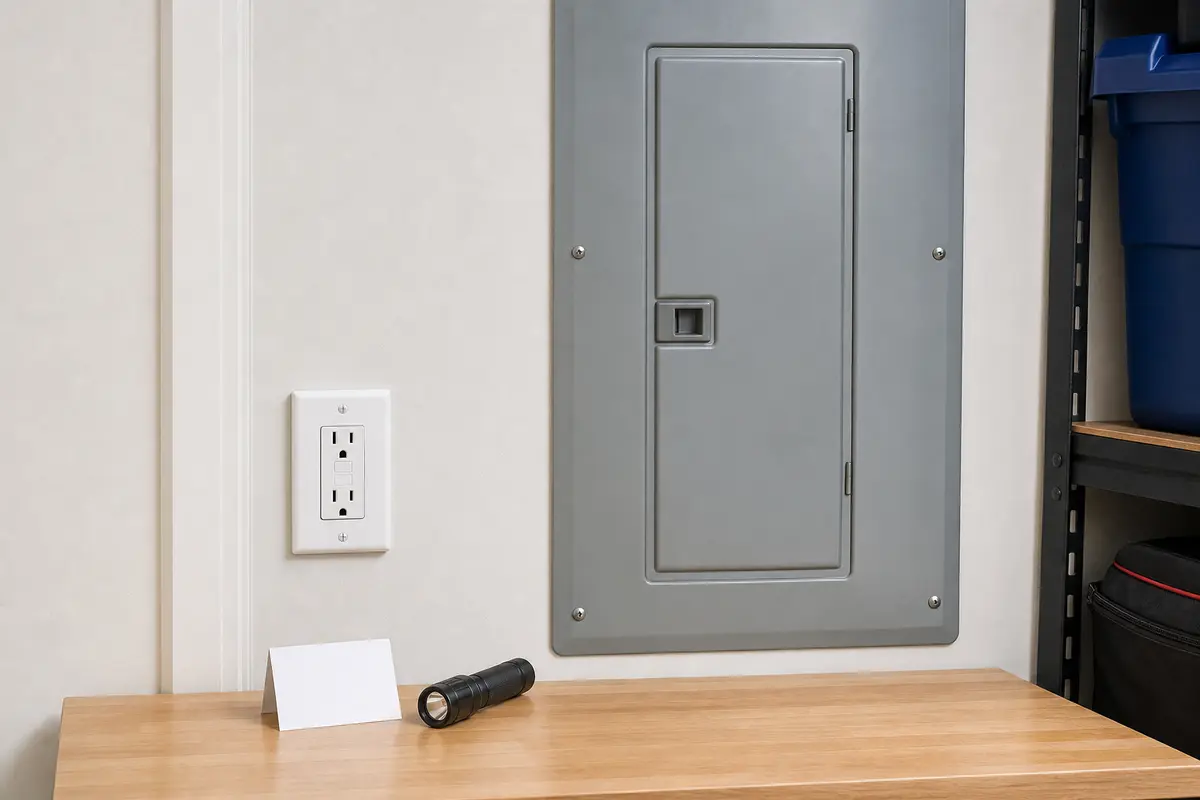
Buy a wall AFCI only after the sound is clearly at that device and loads are ruled out. Power must be verified off, and the box wiring has to look clean enough for a like-for-like replacement. Match the exact device type, amperage, voltage rating, line/load layout, location rating, and local code requirements. Panel-side buzzing, heat damage, or uncertain wiring means the cart waits and an electrician takes over.
A good clue is a buzz that changes when one load is unplugged. Listen at the wall AFCI, unplug the suspect load, and feel for warmth. The sound can point to the device, a downstream load, or the breaker side.
AFCI buzzing is easy to turn into a risky repair by going too deep too fast. Keep the first checks on the finished side of the wall and use the sound as a clue.
Use one clean change at a time. The result tells you whether to leave a load unplugged, inspect the wall device with power off, or call an electrician.
| What you notice | What it usually means | Next move |
|---|---|---|
| Buzz is strongest at the wall AFCI with no load plugged in. | The AFCI receptacle or its box connections are higher on the list. | Turn the breaker off, verify power is off, and inspect only if you are comfortable with device wiring. |
| Buzz stops when all downstream loads are unplugged. | A connected device, cord, plug, power strip, or downstream outlet may be the trigger. | Leave suspect items unplugged. Add loads back one at a time only after checking for heat, looseness, or damage. |
| Buzz returns with one charger, lamp, motor, or vacuum. | That load or its plug connection is the best clue. | Stop using that item on the circuit until the cord, plug, and outlet are checked. |
| Buzz is louder at the closed breaker panel. | The issue may be the AFCI breaker, panel termination, or branch circuit. | Do not remove covers. Call a licensed electrician. |
| Buzz comes with heat, odor, flicker, crackle, trips, or discoloration. | Loose connection, arcing, overheated device, or damaged wiring is possible. | Leave the circuit off and arrange electrical service. |
Most of the useful sorting happens before a screw is touched. You are looking for the load, location, and warning sign that changes the next decision.
Hands-on inspection belongs after the breaker is off and the device tests dead. Even then, the goal is to spot obvious damage and decide whether a like-for-like replacement is reasonable.
These tools support safe sorting and power-off inspection. They do not make panel work, live work, or uncertain wiring a homeowner job.
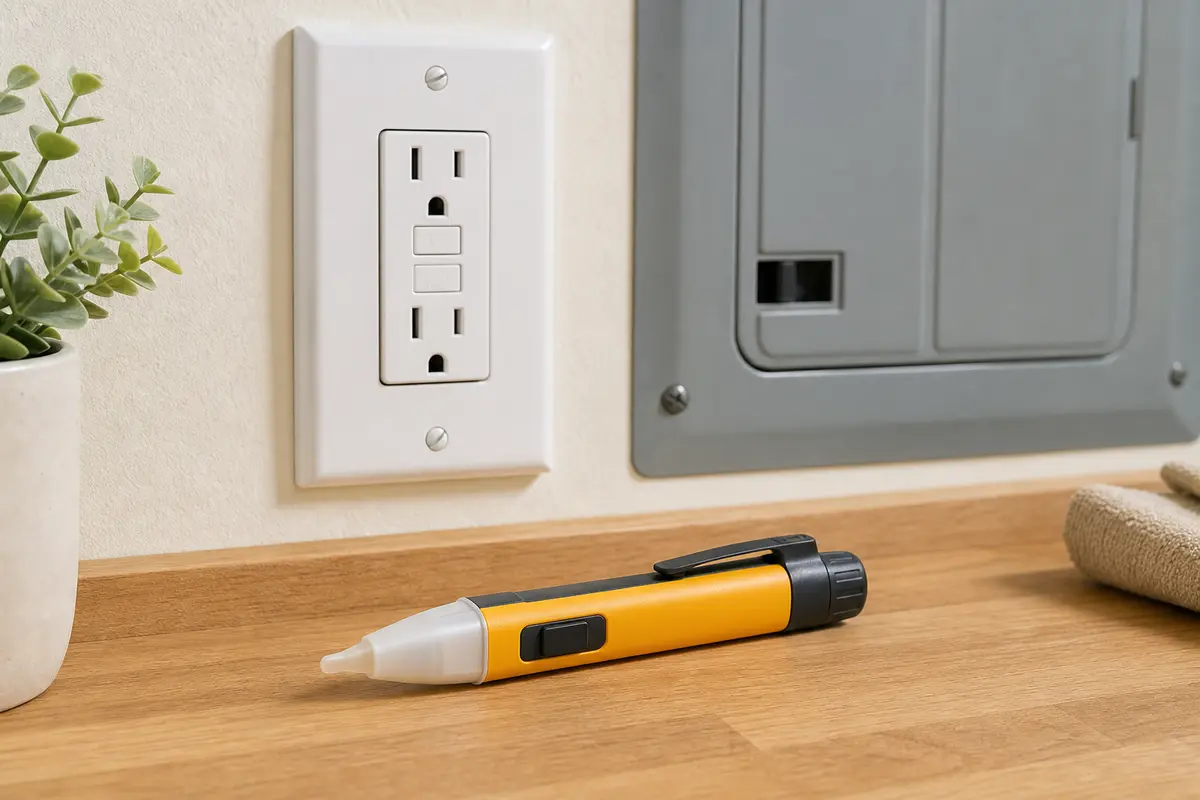
Helps when: Use it as a first screen after the breaker is off, before loosening a wall AFCI or touching device screws.
Skip it when: Skip the hands-on step if the reading is unclear, the panel is noisy, or the device shows heat damage.
Compare non-contact voltage testers on Amazon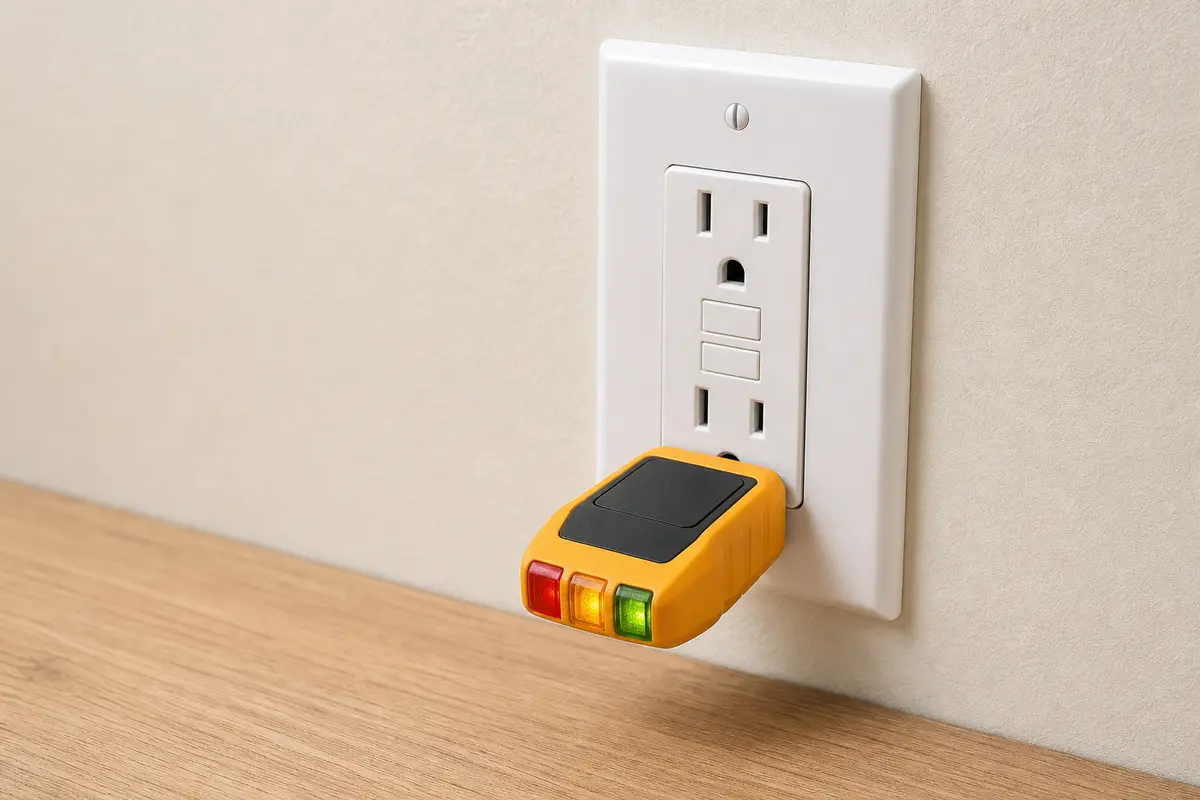
Helps when: Use it on a dry, normal-looking receptacle to map which outlets lose power and to check basic power after the repair.
Skip it when: Skip it on a warm, loose, scorched, wet, or buzzing receptacle and leave that device out of service.
Compare plug-in outlet testers on Amazon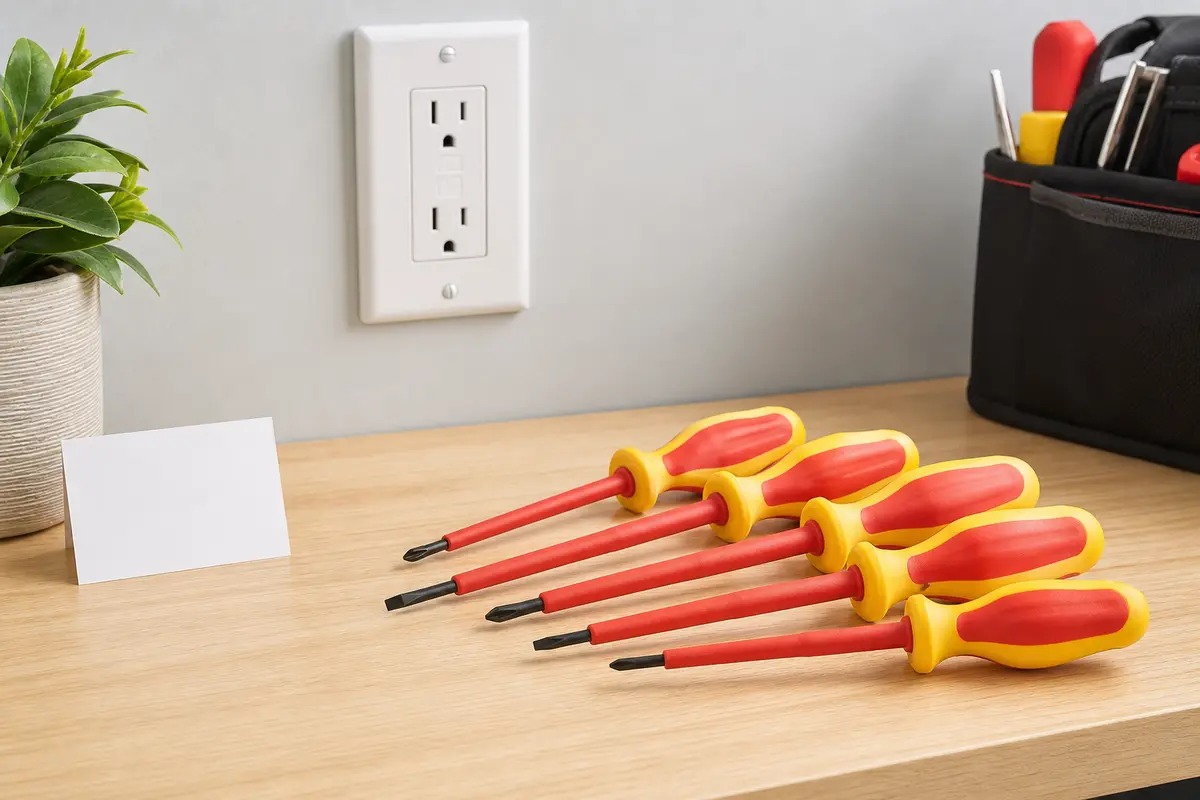
Helps when: Use insulated screwdrivers only after the circuit is off and verified dead, for the cover plate and device mounting screws.
Skip it when: Skip removing the device when the box is crowded, wiring is unfamiliar, or line and load are not clear.
Compare insulated screwdriver sets on AmazonAs an Amazon Associate I earn from qualifying purchases. Repair Riot may earn a commission at no extra cost to you.
AFCI parts are diagnosis-first. A replacement device is reasonable only when the wall AFCI is the confirmed source and the rest of the circuit has not given you a better clue.
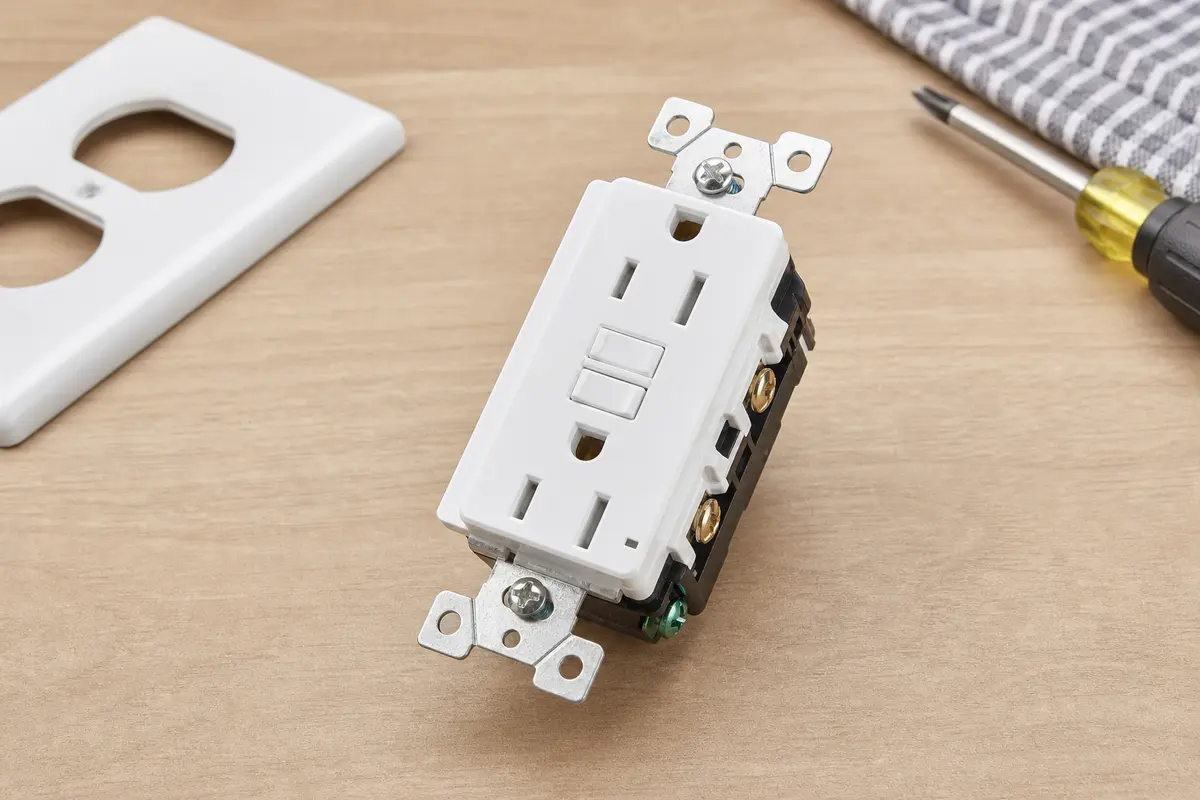
Helps when: Use one only when the buzz is clearly inside the wall AFCI, loads are ruled out, the box wiring is clean, and power can be verified off.
Skip it when: Skip it when the panel is buzzing, the breaker trips, line and load are unclear, or any heat damage is present.
Compare AFCI receptacles on Amazon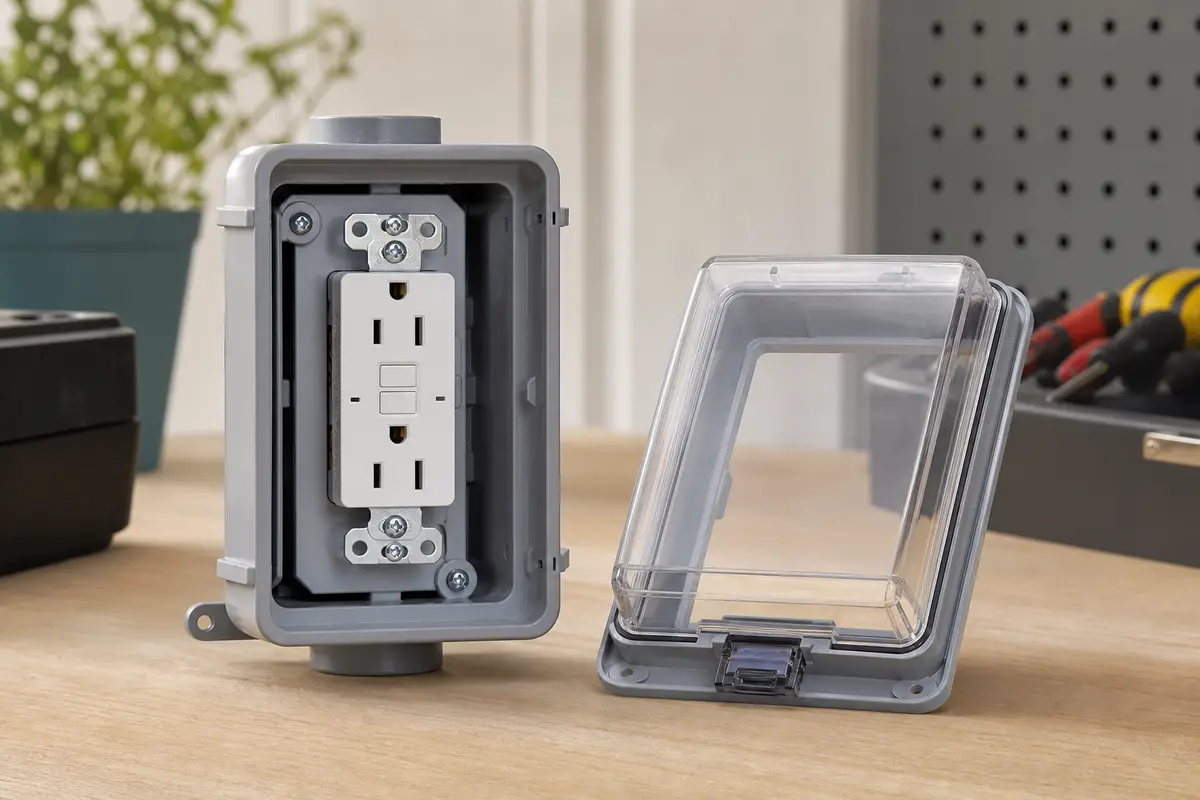
Helps when: Use this only for a confirmed bad AFCI in a damp or weather-exposed location that calls for a weather-resistant device.
Skip it when: Skip it for dry indoor locations, panel-side buzzing, wet boxes, corroded wiring, or a location where code requirements are unclear.
Compare weather-resistant AFCI receptacles on AmazonAs an Amazon Associate I earn from qualifying purchases. Repair Riot may earn a commission at no extra cost to you.
Good notes shorten the service call. They also keep the repair from turning into a blind breaker or receptacle swap.
A brief click during test or reset can be normal. A steady hum, chatter, crackle, sizzle, or buzz under load is not something to ignore.
Yes. A worn charger, motor, lamp cord, power strip, or loose plug connection can make the AFCI react before it trips. Unplug the load and leave it out of service if the buzz stops.
Not first. Confirm the sound is at the wall device, not the panel, then rule out obvious loads and heat damage. A new AFCI will not fix a bad cord, loose downstream outlet, or panel-side fault.
Stop DIY and call a licensed electrician. Do not remove the panel cover, tighten breaker terminals, or replace a breaker as a guess.
No, not when it buzzes, warms up, smells hot, crackles, discolors, or trips again. Resetting does not prove the connection is safe.
That device, cord, plug, or outlet connection is the better clue. Stop using it on that circuit and inspect for loose blades, warm plastic, cracking, or scorch marks.
Only after the correct breaker is off and the device is verified de-energized. Stop if you see heat damage, unfamiliar wiring, aluminum conductors, or line and load terminals you cannot identify confidently.
It could, especially if the noise is at the panel or the circuit trips with little connected. Breaker-side diagnosis and replacement belong to a licensed electrician.
Test once, reset once, and run a small load for several minutes. The device and nearby outlets should stay quiet, cool, odor-free, and steady. If the buzz returns, stop and have the circuit traced.
Repair Riot built this page around homeowner-safe AFCI triage: locate the sound, remove loads, check room-side heat, and stop before panel work. Parts stay late in the process. The source links support AFCI fire-safety purpose, electrical warning signs, and the licensed-electrician boundary; the repair order is original Repair Riot guidance.