What is probably happening after dark
A night-only AFCI trip usually means the breaker circuit changes while the house is quiet. Check safe, visible clues first: plug-ins added before bed, the load that turns on at sunset, and any outdoor cord, cover, or fixture that looks damp.
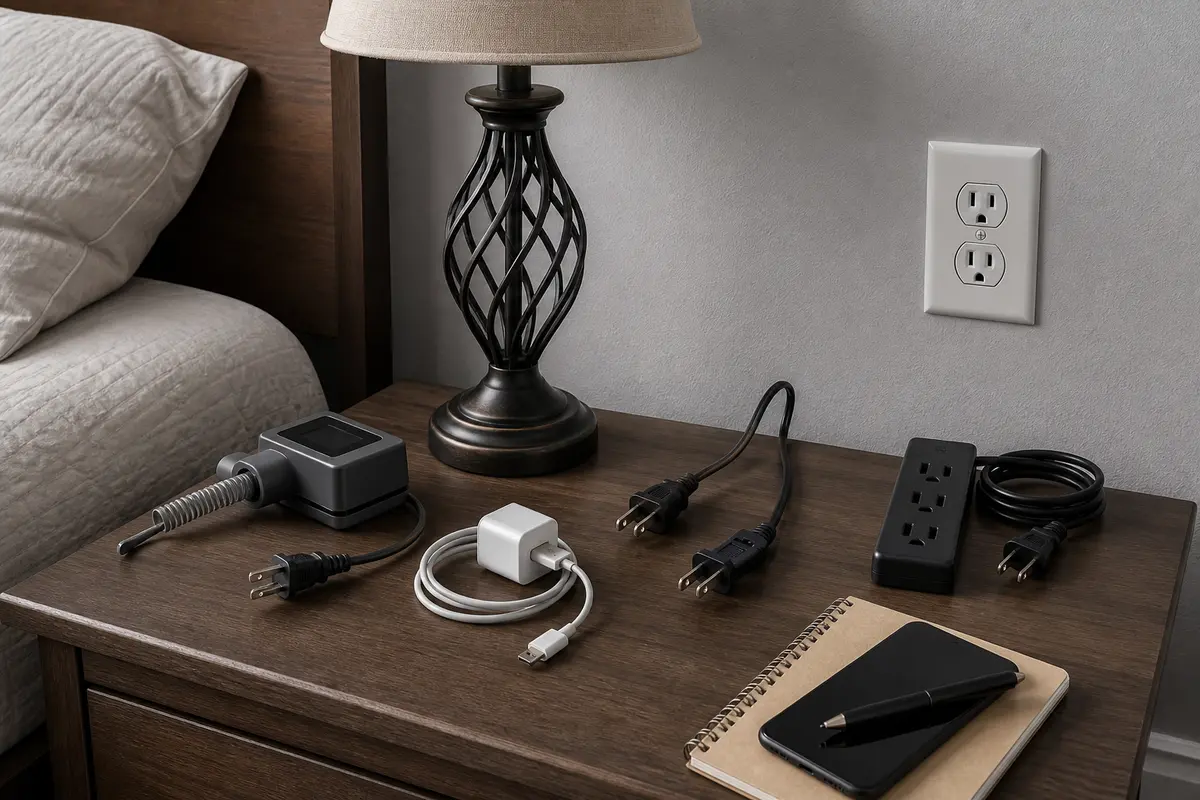
- Bedtime loads: phone chargers, laptop chargers, lamps, power strips, CPAPs, aquarium gear, air cleaners, heaters, and dehumidifiers can run for hours before the trip shows up.
- Automatic loads: dusk-to-dawn lights, smart plugs, holiday lights, closet lights, motion lights, and timers can make a daytime circuit look fine until evening.
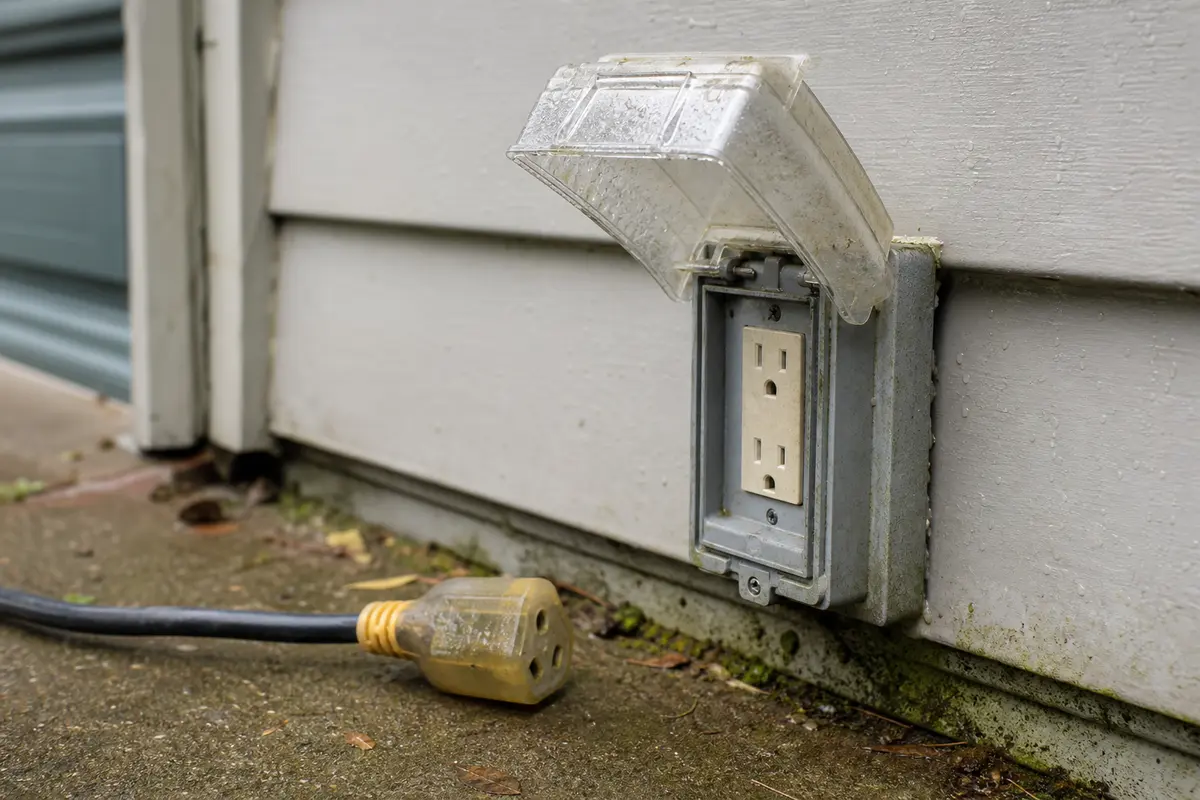
- Moisture clues: exterior covers, garage receptacles, extension cords, and outdoor fixtures can pick up dew, rain, or condensation after temperatures drop.
- Wiring or fixture clues: a loose receptacle, worn cord, failing LED driver, switched fixture, or damaged cable can make the AFCI react even with small loads.
- Breaker failure is possible, but it moves up the list only after accessible loads and damp outdoor points have been ruled out.
What not to do
Nighttime trips tempt people to reset the breaker and go back to bed. That is the risky habit to avoid. Treat the trip as a clue, not as an annoyance to force past.
- Do not keep resetting the AFCI without changing anything on the circuit.
- Do not replace the breaker first. A new AFCI will not fix a wet cord, loose plug, failing light, or damaged receptacle.
- Do not swap in a larger breaker or bypass AFCI protection to stop the nuisance.
- Do not keep using a charger, power strip, lamp, or extension cord with warm plastic, loose blades, cracking, discoloration, or a burnt smell.
- Do not open the panel, remove device covers, or pull switches and receptacles apart unless you are qualified to work on electrical wiring.
- Do not leave outdoor extension cords, plug-in lights, or garage equipment connected after a damp-weather trip.
Night trip pattern map
Log the trip time, weather, what was charging, which lights or timers were on, and exactly what lost power. Mark the breaker circuit each night. After two nights, a trip that follows one charger, one sunset load, or damp weather gives you a better next check than parts shopping.
| What you notice | What it usually means | Next move |
|---|
| Trips 30 minutes to several hours after bedtime | A charger, lamp, heater, CPAP, aquarium device, or other overnight load may be the trigger | Unplug portable loads completely and leave the circuit lightly loaded for one night |
| Trips near sunset or a fixed timer schedule | A dusk-to-dawn light, smart plug, landscape light, or timer-controlled load may be energizing | Turn that load off or disconnect it before the next reset and compare the time |
| Trips more during rain, fog, or heavy dew | Outdoor receptacles, exterior fixtures, garage loads, or cord connections may be damp | Disconnect visible outdoor loads and leave wet or corroded equipment out of service |
| Trips as soon as one switch or light turns on | That fixture, LED driver, dimmer, switch leg, or connected load deserves closer diagnosis | Leave the switch off and stop before opening boxes unless you are qualified |
| Trips with almost nothing plugged in | The problem may be a hardwired load, loose connection, damaged wiring, or the AFCI breaker | Leave the circuit off or lightly used and call a licensed electrician |
Map the circuit without opening boxes
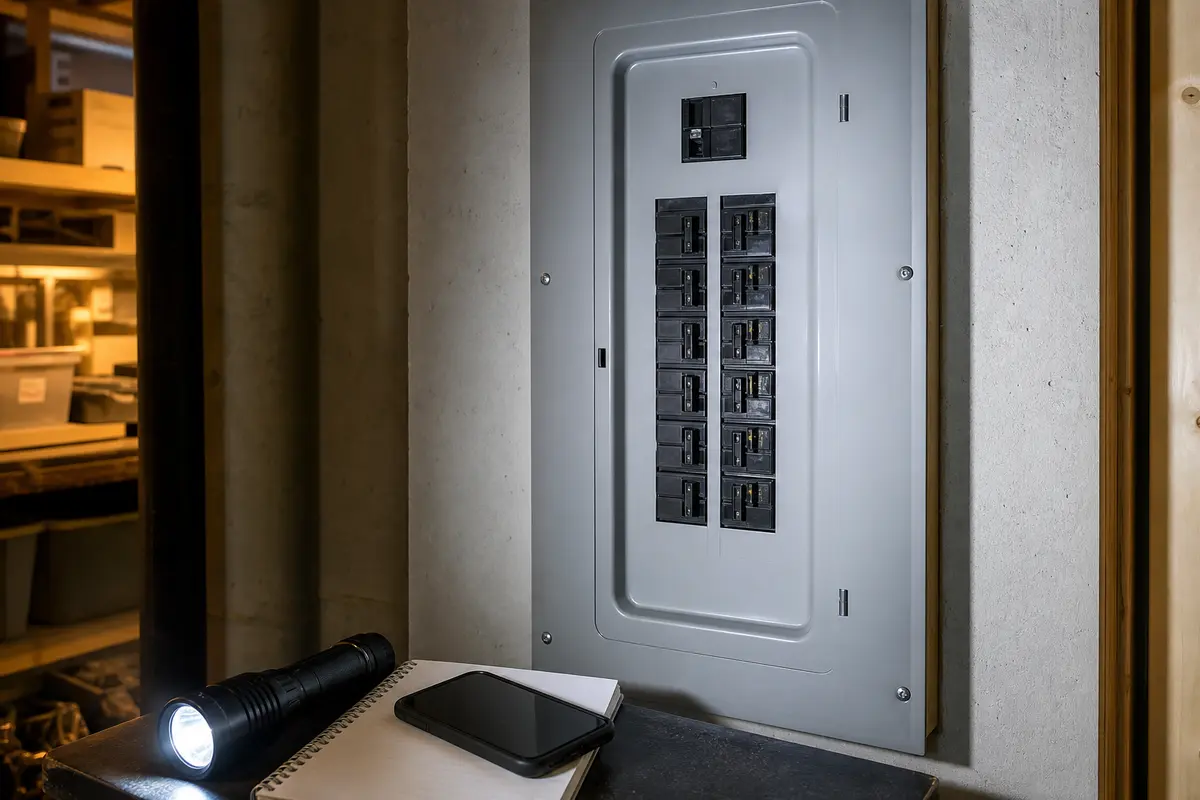
The first practical job is finding what the AFCI controls. A bedroom breaker may also feed a closet light, smoke alarm, hall receptacle, garage outlet, or exterior light, so do not assume the room name on the panel tells the whole story.
- At the next trip, walk the area and write down every dead receptacle, light, and plug-in device.
- Move the AFCI handle fully off, then back on once, and note what returns to power.
- Add switched lights, smart plugs, timers, dusk sensors, garage loads, and outdoor devices to the list even if they are not in the same room.
- Use a small lamp or dry outlet tester only on normal-looking, dry receptacles. Skip any receptacle that is loose, warm, wet, cracked, or discolored.
- Good clue: the affected circuit includes one outdoor or garage load that nobody thinks about during the day.
- Stop mapping and call an electrician when the breaker trips instantly, feels hot, buzzes, or will not reset cleanly.
Clear plug-in loads for one clean night
AFCIs can catch cord trouble before the damage is obvious. Do one clean test: unplug the portable loads completely, reset once, and leave the circuit lightly loaded overnight. If the trip disappears, inspect those cords, adapters, and power strips before using them again.
- Unplug chargers, lamps, power strips, portable heaters, dehumidifiers, air purifiers, CPAPs, aquarium gear, entertainment gear, and battery chargers on the affected circuit.
- Unplug means remove the plug from the receptacle. Switching a power strip off may not isolate a damaged cord or adapter.
- Look for nicked lamp cords, loose plug blades, warm adapter blocks, cracked charger cases, scorched power strips, and cords pinched under furniture.
- Leave suspect devices out of service instead of trying them on another circuit right away.
- A quiet night with portable loads removed points toward one of those devices, cords, or power strips.
- A repeat trip with the circuit mostly clear moves the diagnosis toward a switched light, damp outdoor point, fixed wiring, or the AFCI device.
Check lights, timers, and damp outdoor points
When portable loads are cleared and the trip still follows night or weather, check loads that wake up on their own: dusk lights, timers, motion fixtures, garage gear, and dehumidifiers. Keep the breaker off while you look. Switch off loads, unplug cords, and leave boxes closed.
- Turn off dusk-to-dawn lights, motion lights, smart plugs, holiday lights, landscape lights, and timed loads for a full night when practical.
- Watch for the trip to line up with sunset, a timer schedule, a closet light, a garage device, or a dehumidifier cycle.
- With the breaker off, look at exterior receptacle covers, cord ends, visible light fixtures, and garage plug connections for dampness, corrosion, rust trails, missing gaskets, or cracked covers.
- Remove temporary outdoor cords and plug-in lights from the circuit. Do not dry and reuse a cord end that shows heat, corrosion, or loose contact.
- When one outdoor load is unplugged and the breaker holds, check that cord, cover, receptacle, or fixture for dampness, corrosion, or loose contact. Do not put it back in service until the wet part has been repaired or replaced.
- Water inside a receptacle box, fixture, or panel area is not a homeowner repair on this page.
Replacement Parts
Treat parts as the last step. First name the clue. If one charger brings the trip back, replace that item. If a wet outdoor cover or a dusk fixture is the clue, repair that device path before buying anything. A hot, noisy, or instantly tripping breaker is electrician work, not a shopping prompt.
- AFCI breaker: buy only after an electrician confirms the breaker is the failed part and matches the panel manufacturer, type, amp rating, neutral arrangement, and code requirements.
- Outlet-style AFCI or GFCI device: compare one only when the fault is clearly at that exact device, power can be verified off, and the wiring and downstream loads have been checked.
- Weather-resistant receptacle or in-use cover: use only when the existing damp-location device or cover is confirmed damaged, corroded, missing, or wrong for the location.
- Lamp, charger, power strip, or extension cord: replace it when that item brings the trip back or shows heat, loose plug blades, cracking, or a burnt smell.
- LED driver, dimmer, or exterior light: compare parts only when the trip lines up with that switch, timer, dusk sensor, or fixture. A circuit that holds with that load off points the diagnosis back to the fixture or control.
- Skip parts shopping if the circuit trips with accessible loads removed, the breaker is hot or noisy, or the next check would open the panel. Leave the breaker off and book electrical diagnosis instead.
Tools You May Need
These tools support observation and notes. They do not make live electrical work, panel work, or wet-device repair safe.
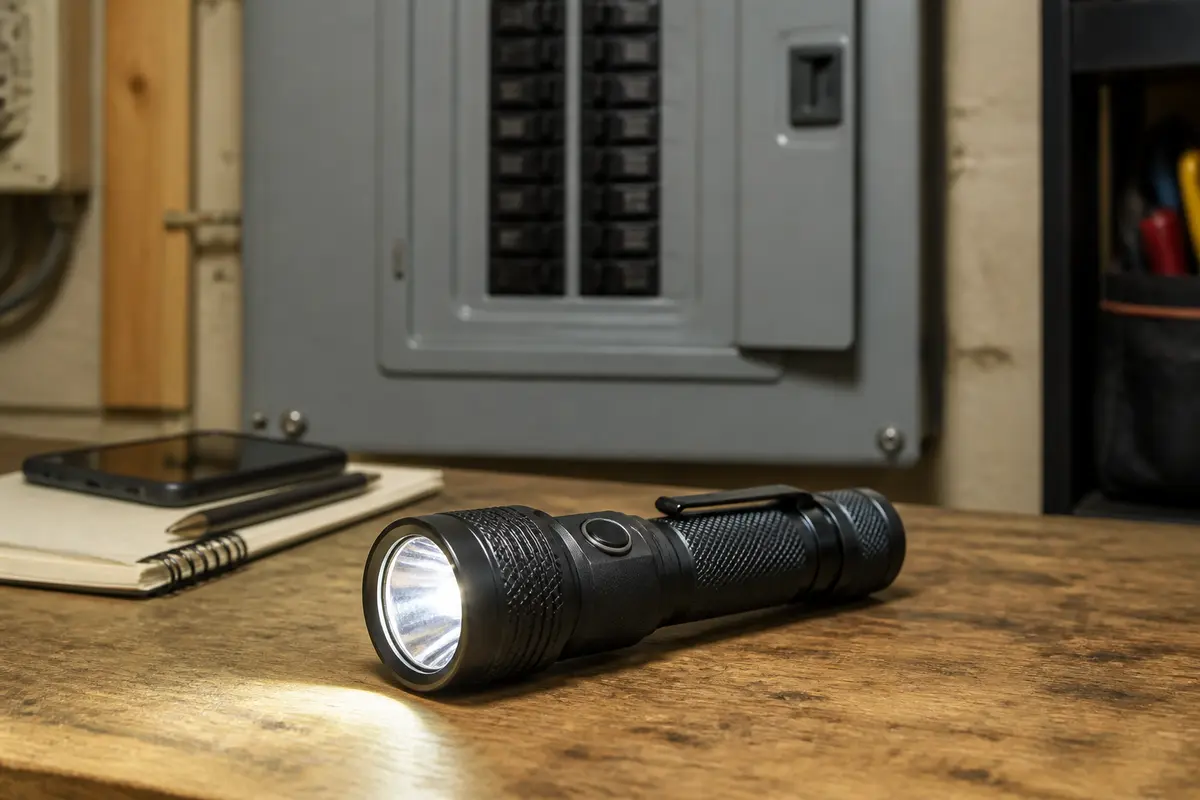
Inspection flashlight
Helps when: Use it to read the panel directory and inspect dry visible cords, receptacle faces, covers, and outdoor fixtures without opening anything.
Skip it when: Skip further checking when you see scorching, water inside a device, or heat at the breaker.
Compare inspection flashlights on Amazon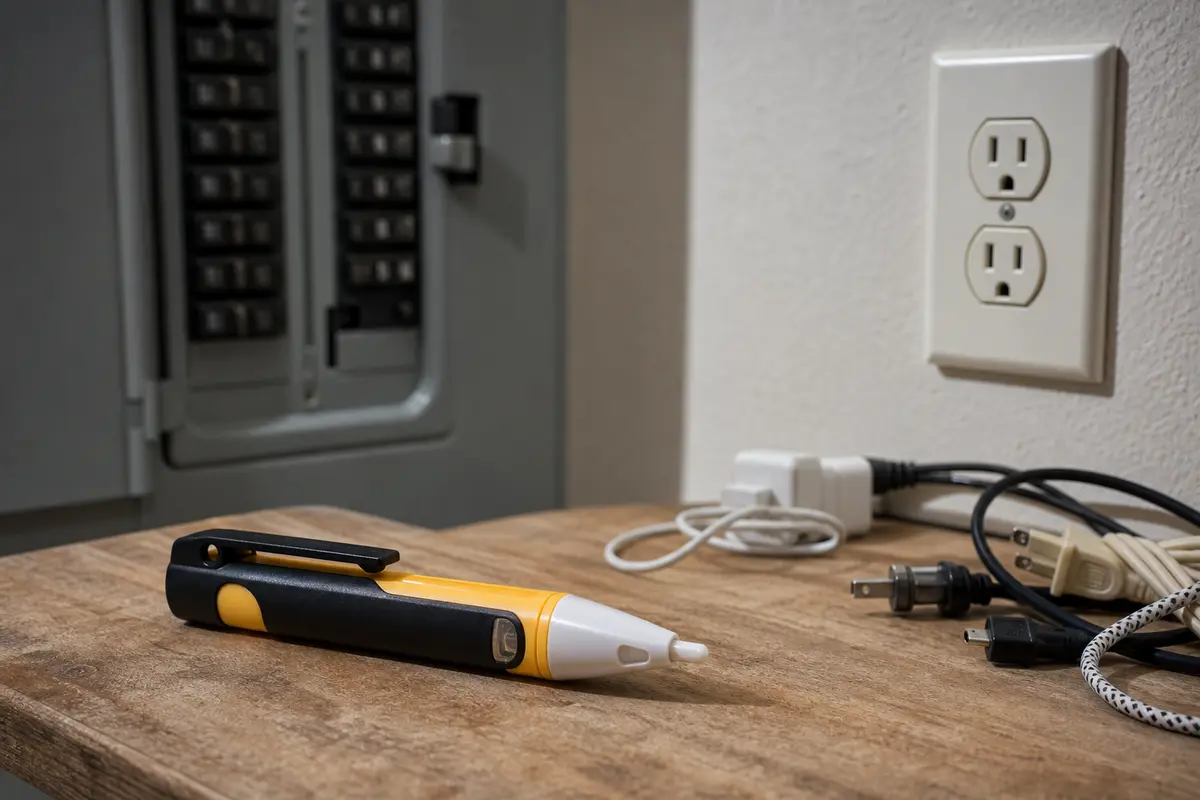
Non-contact voltage tester
Helps when: Use it as a screening tool around accessible, dry receptacles and switch areas after the breaker is off.
Skip it when: Skip it when you need proof for wiring work, panel work, or any wet or damaged device.
Compare non-contact voltage testers on Amazon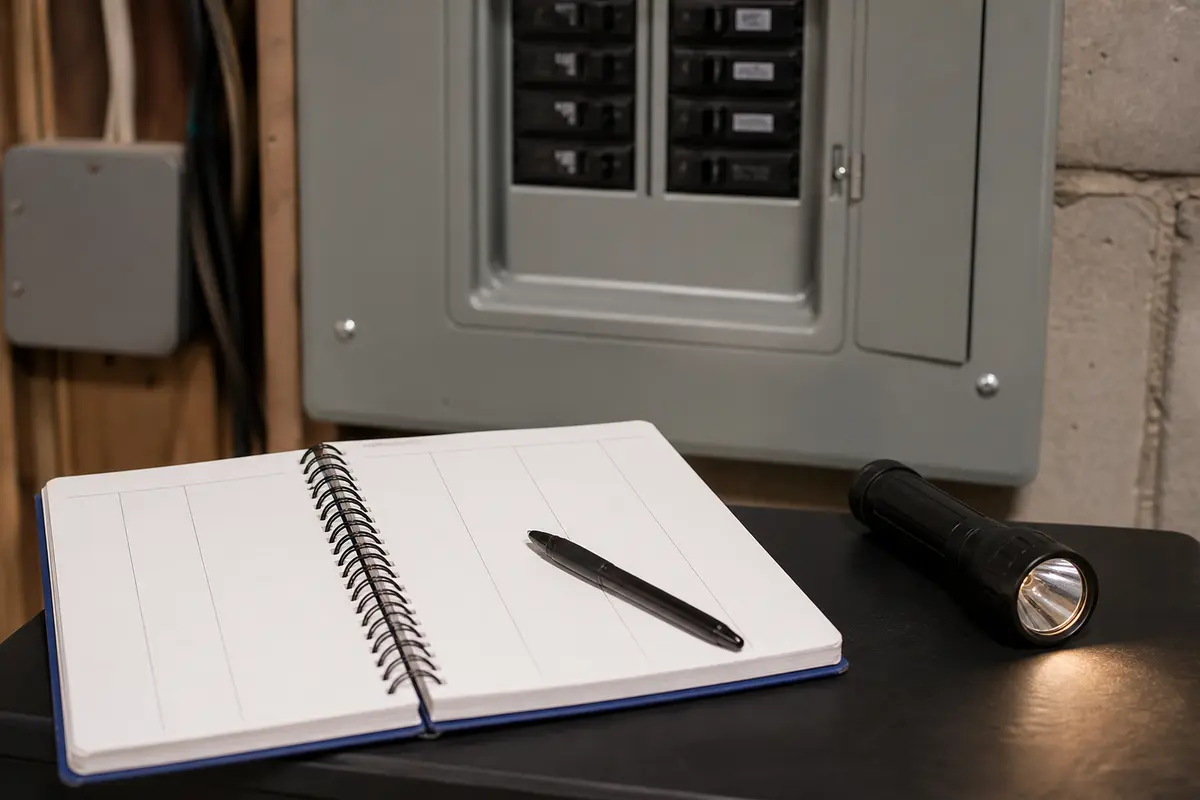
Circuit label sheet or notebook
Helps when: Use it to map which rooms, lights, receptacles, and outdoor loads are tied to the tripping AFCI.
Skip it when: Skip labeling while the breaker is hot, buzzing, smoking, or unable to stay reset safely.
Compare circuit label sheets on AmazonAs an Amazon Associate I earn from qualifying purchases. Repair Riot may earn a commission at no extra cost to you.
FAQ
Why would an AFCI breaker trip only at night?
Something on that breaker circuit usually changes after dark. Check one visible clue at a time: unplug bedtime chargers, turn off the sunset load, and look for damp outdoor equipment after temperatures drop.
Can a bad phone charger or power strip trip an AFCI?
Yes. A worn charger, loose plug blade, cracked adapter, or failing power strip can create the arcing condition an AFCI is meant to interrupt. Unplug that item. When the breaker holds afterward, inspect it for heat, soot, melted plastic, or a burnt smell before it goes back in service.
Does a night-only AFCI trip mean the breaker itself is bad?
Not usually. First prove the simple split: unplug accessible loads and leave damp outdoor equipment disconnected for one night. The breaker or fixed wiring moves up the list when the circuit still trips with those loads removed, or when the breaker feels hot, buzzes, or resets erratically.
Should I keep resetting the AFCI until it stays on?
No. Reset once after unplugging likely loads so you have a clean test. Repeated resets without changing anything can keep a damaged cord, wet device, or loose connection energized.
What if the AFCI trips more when it rains or gets humid at night?
That points toward an exterior receptacle, outdoor light, garage device, extension cord, or another damp-location problem. With the breaker off, look for cracked covers, corrosion, water marks, loose cord ends, or wet plug connections. Leave that equipment disconnected until repaired.
Can LED lights cause an AFCI to trip at night?
They can. A failing LED driver, incompatible dimmer, or exterior fixture that turns on at dusk can be the trigger. If the trip happens as that one light comes on, turn the switch off. Have a qualified electrician check the fixture, dimmer, or driver before using it again.
What should I unplug first for a night-only AFCI trip?
Start with portable and bedtime loads: chargers, power strips, lamps, heaters, CPAPs, aquarium equipment, dehumidifiers, air purifiers, and entertainment gear. Unplug them fully instead of only switching them off.
Can an outdoor light on the same circuit trip a bedroom AFCI?
Yes. Some circuits feed a mix of bedrooms, halls, closets, garages, or exterior lights. Map what loses power so an outdoor or garage load is not missed.
When should I call an electrician for an AFCI that trips at night?
Call when the trip remains after accessible loads are unplugged or the breaker trips instantly. Also call if the panel or breaker feels hot, you hear buzzing, smell burning, see scorch marks, or would need to open wiring to continue.
Should I replace the AFCI breaker with a standard breaker?
No. Replacing an AFCI with a standard breaker removes protection instead of fixing the fault. The replacement type, rating, panel compatibility, and code requirements need to be handled correctly.
How this guide was built
Repair Riot built this page around homeowner-safe AFCI triage: cover-on panel behavior, night load patterns, damp outdoor clues, and clear electrician stop points. The source links support AFCI fire-safety purpose, electrical warning signs, and the boundary around panel work; the diagnostic order is original Repair Riot guidance.
- ESFI Home Electrical Safety — supports warning signs such as frequent breaker trips, buzzing devices, discoloration, overload clues, and qualified-electrician guidance
- ESFI Arc Fault Circuit Interrupters — supports AFCI purpose and arc-fault risk from damaged, overheated, stressed, or overburdened wiring and devices
- CPSC Publication 5133 on AFCIs — supports AFCI and GFCI function differences, arcing and sparking fire risk, and qualified-electrician panel installation guidance