Water appears only while the pump runs?
Watch the vertical discharge pipe, valve seam, and rubber couplings. A fresh bead, drip, or fine spray points to a pressure-side leak.
Water on the basement floor near a sump pump usually starts at the discharge pipe, check valve, pit rim, or another wet path across the slab. Dry the area first, then watch one pump cycle before replacing anything.
Good clue: water that appears only while the pump runs usually points to a pressure-side drip at the valve, coupling, or discharge line.
The first wet spot tells you whether to tighten a connection, clear a discharge path, or look away from the sump.
Don’t start with: Do not start by replacing the whole sump pump just because the floor is wet.
Watch the vertical discharge pipe, valve seam, and rubber couplings. A fresh bead, drip, or fine spray points to a pressure-side leak.
Treat it as overflow first. Look for a blocked, frozen, or poorly sloped discharge outlet before buying leak parts.
Listen for water falling back and watch the level jump. That usually puts the check valve ahead of the pump on the list.
Trace the wet edge toward the wall-floor joint, nearby piping, floor drain, dehumidifier drain, or air handler condensate line.
The discharge path may be blocked or the pump may be weak. Clear the outlet path before calling the valve the culprit.
The sump may only be where water collects. Move the search to seepage, a drain backup, or a nearby plumbing leak.
Use the overview, the valve area, and the discharge path together. The earliest fresh water matters more than the biggest puddle.
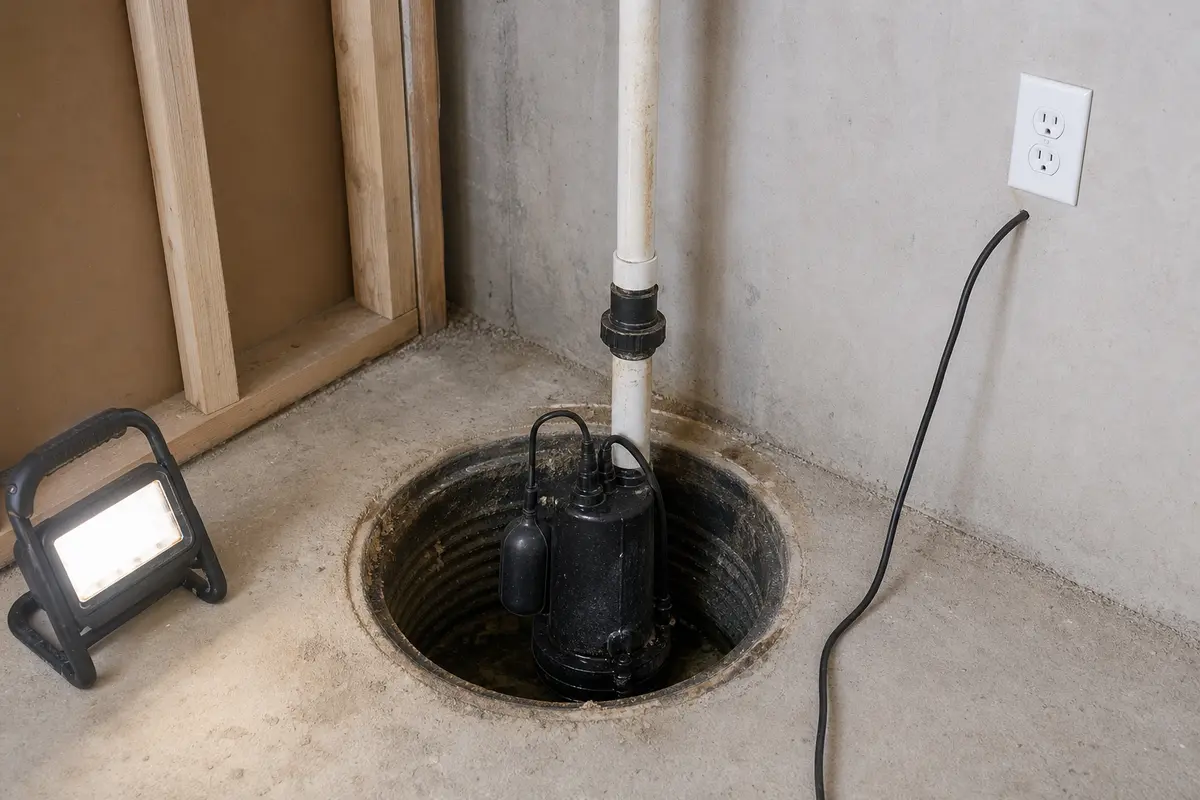
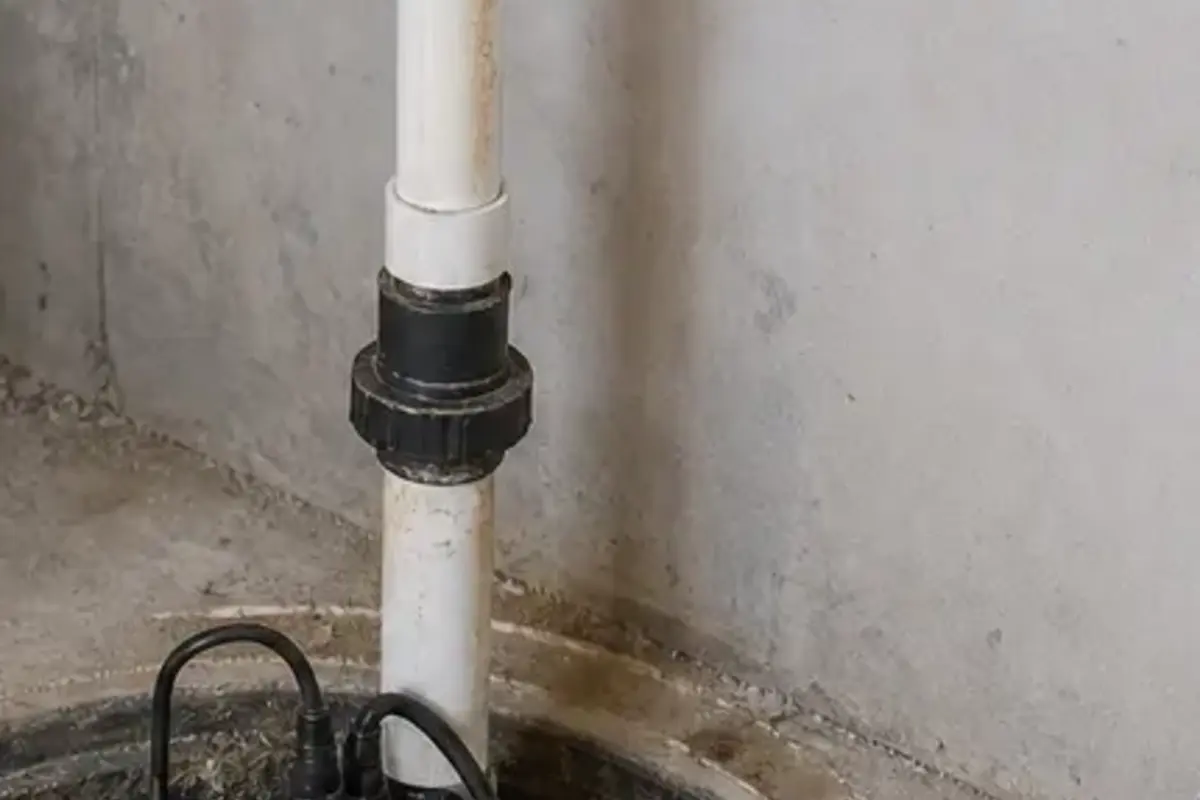
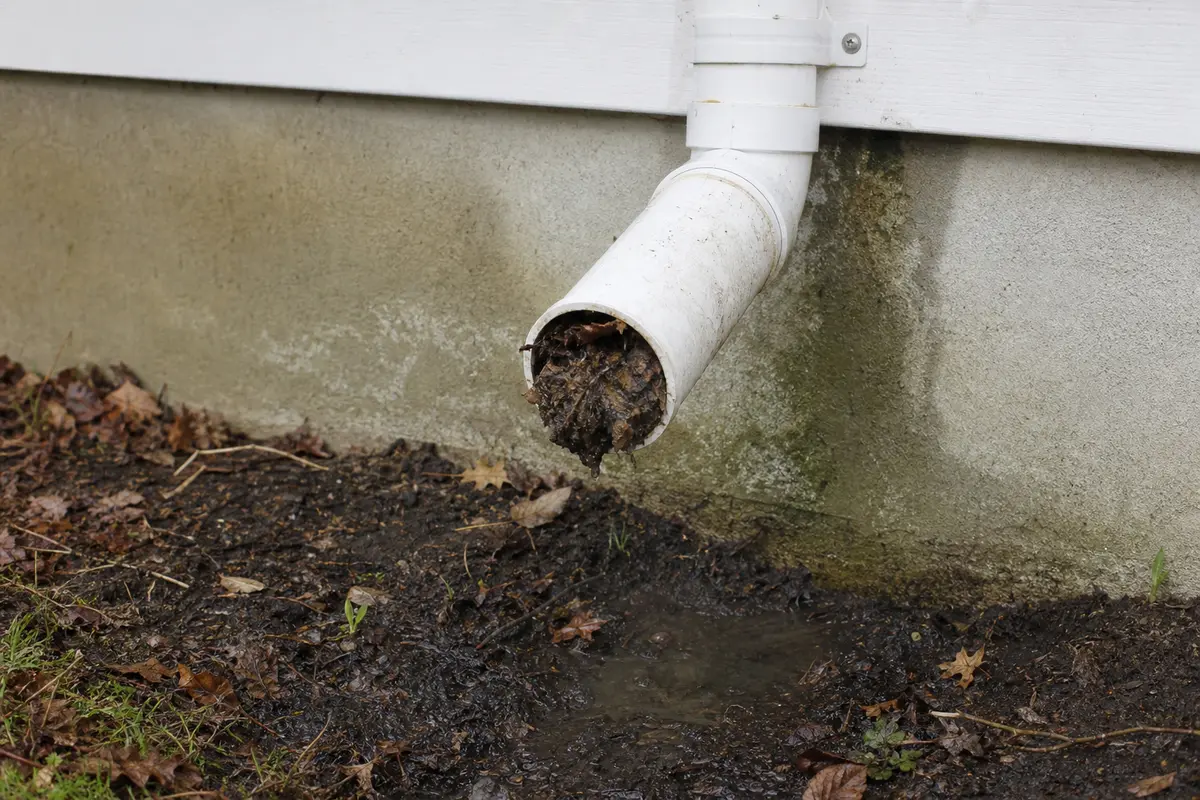
Match the exact failure before shopping. A check valve helps only after backflow or a valve-body drip is visible. A discharge hose helps only when the hose or coupling leaks under pump pressure. Match pipe diameter, connection style, flow direction, clamp type, and the pump model label before ordering anything.
Dry concrete is your best diagnostic tool. Most wrong repairs happen because the puddle is treated as the source.
One pump cycle usually separates a local leak from overflow, backflow, or water that only travels to the sump area.
| What you see | What it usually means | Next move |
|---|---|---|
| Fresh drip or spray while the pump runs | Loose coupling, cracked pipe, leaking valve body, or split hose | Dry that fitting and repair only the wet connection. |
| Pit water climbs to the lid or rim | Blocked discharge, frozen outlet, air lock, or pump not moving enough water | Restore the discharge path before buying leak parts. |
| Water rushes back after shutoff | Check valve missing, stuck open, installed backward, or leaking internally | Compare valve direction, pipe size, and connection style. |
| Floor is wet before a cycle starts | Seepage, nearby plumbing, condensate, or floor drain issue | Trace the wet edge away from the sump. |
| Pump runs and level barely drops | Restriction outside the pit or a weak pump | Look at the outlet and discharge route first. |
| Pipe stays dry but puddle returns later | The sump may be only the low spot | Keep searching the wall, drain, and nearby equipment. |
A wet floor feels urgent, but replacing the largest part first is a good way to miss a small leak above the lid.
When the pump starts, the discharge pipe is under pressure. That is when small valve and coupling leaks announce themselves.
Overflow and backflow both leave water near the pit, but they call for different repairs. Watch the water level, not just the sound of the pump.
Basement slabs are rarely flat. Water from another source can travel to the sump area and make the pump look responsible.
Use these for cleanup and observation. They do not make wet electrical work safe, and they do not replace a plumber when water is rising fast.
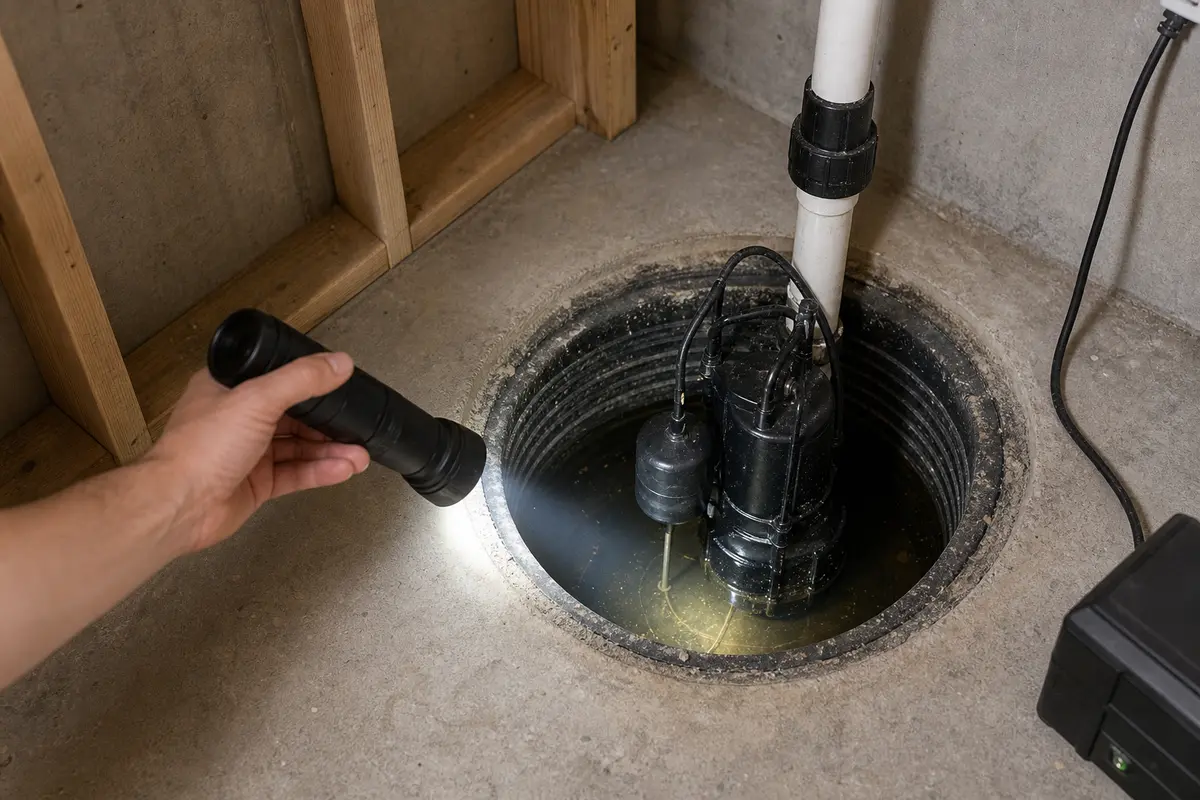
Helps when: Use one to find fine spray, mineral trails, and the first wet mark around the pit and discharge pipe.
Skip it when: Skip handling anything electrical if the light reveals water at the outlet, plug, or cord end.
Compare inspection flashlights on Amazon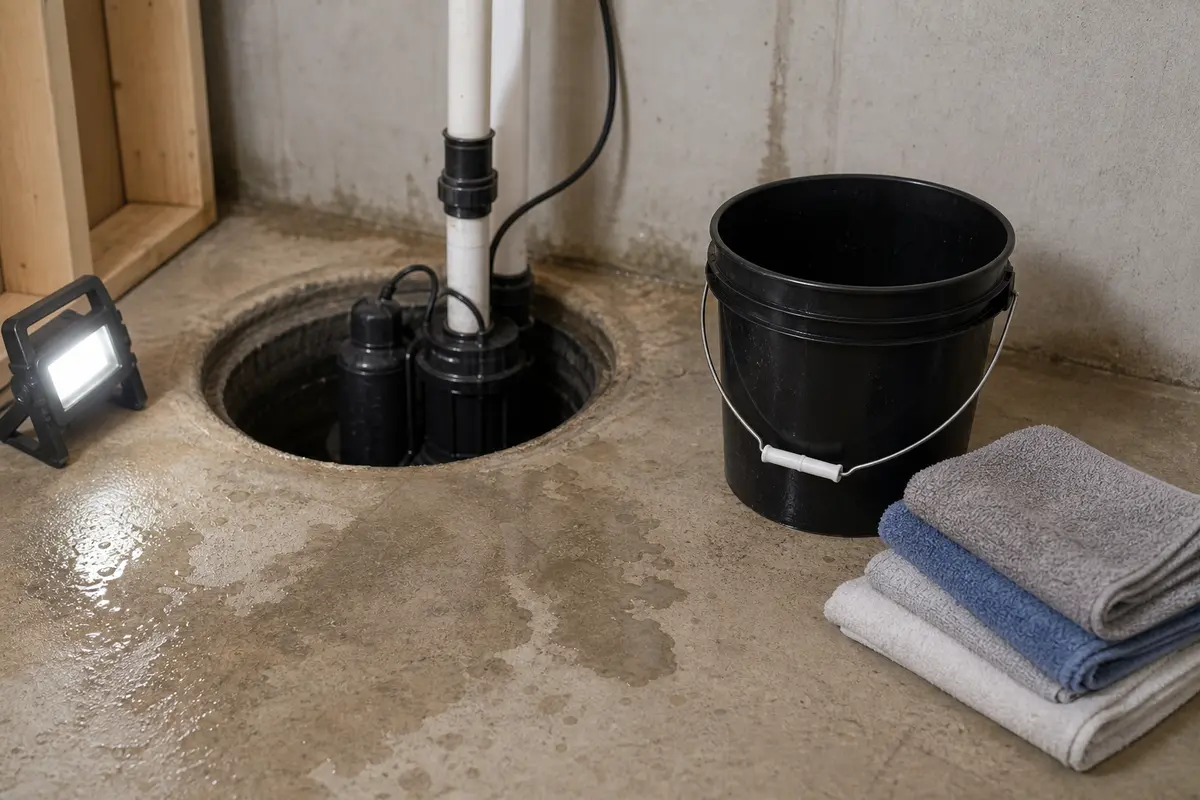
Helps when: Use them to dry the slab and add water slowly to the pit for a controlled pump cycle.
Skip it when: Skip cleanup-only diagnosis if water is still climbing toward electrical gear or finished walls.
Compare cleanup buckets on Amazon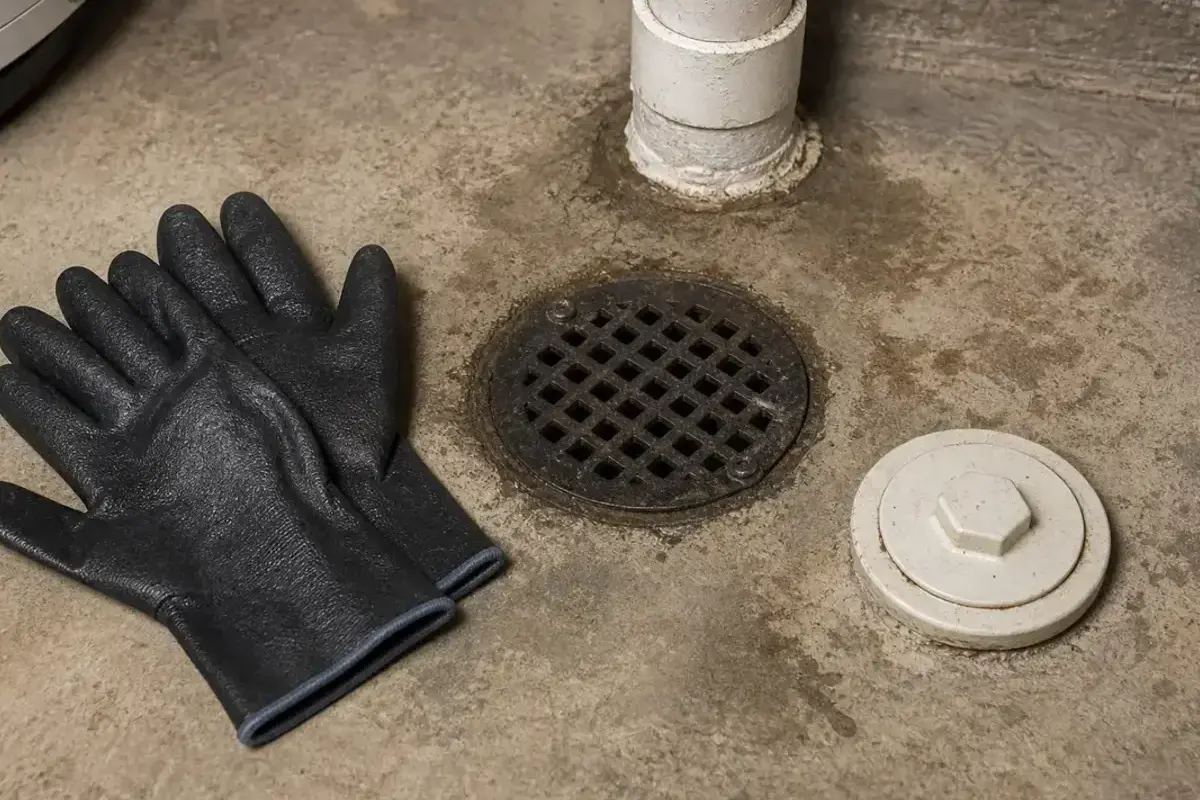
Helps when: Use gloves when lifting a damp lid, handling dirty hose sections, or moving wet debris near the basin.
Skip it when: Skip hands-on work when the water may be sewage, oily, or close to live electrical parts.
Compare waterproof work gloves on AmazonAs an Amazon Associate I earn from qualifying purchases. Repair Riot may earn a commission at no extra cost to you.
Buy parts only after the water pattern names the failed piece. The pump itself is not the default repair when the floor is wet but the pit level still drops normally.
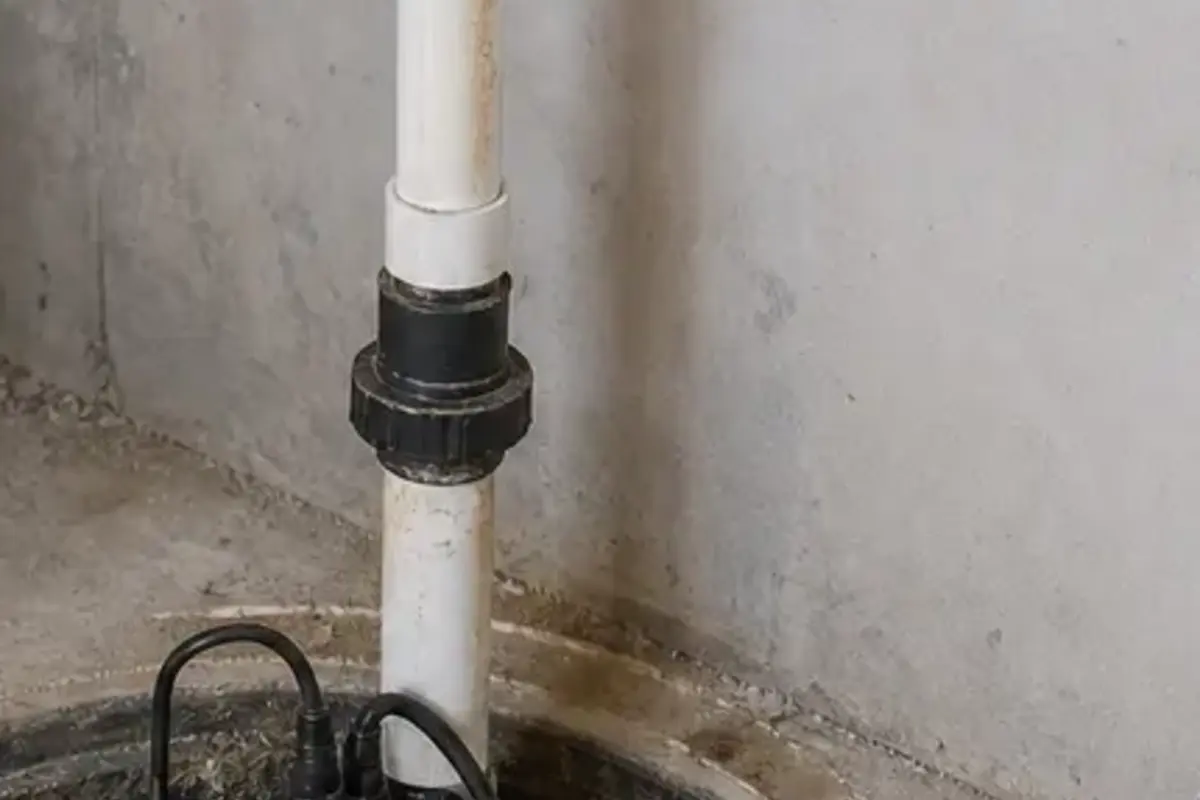
Helps when: Use one when water rushes back into the pit after shutoff or the valve body drips during the run.
Skip it when: Skip it when the pit is overflowing because the outdoor discharge path is blocked or frozen.
Compare sump pump check valves on Amazon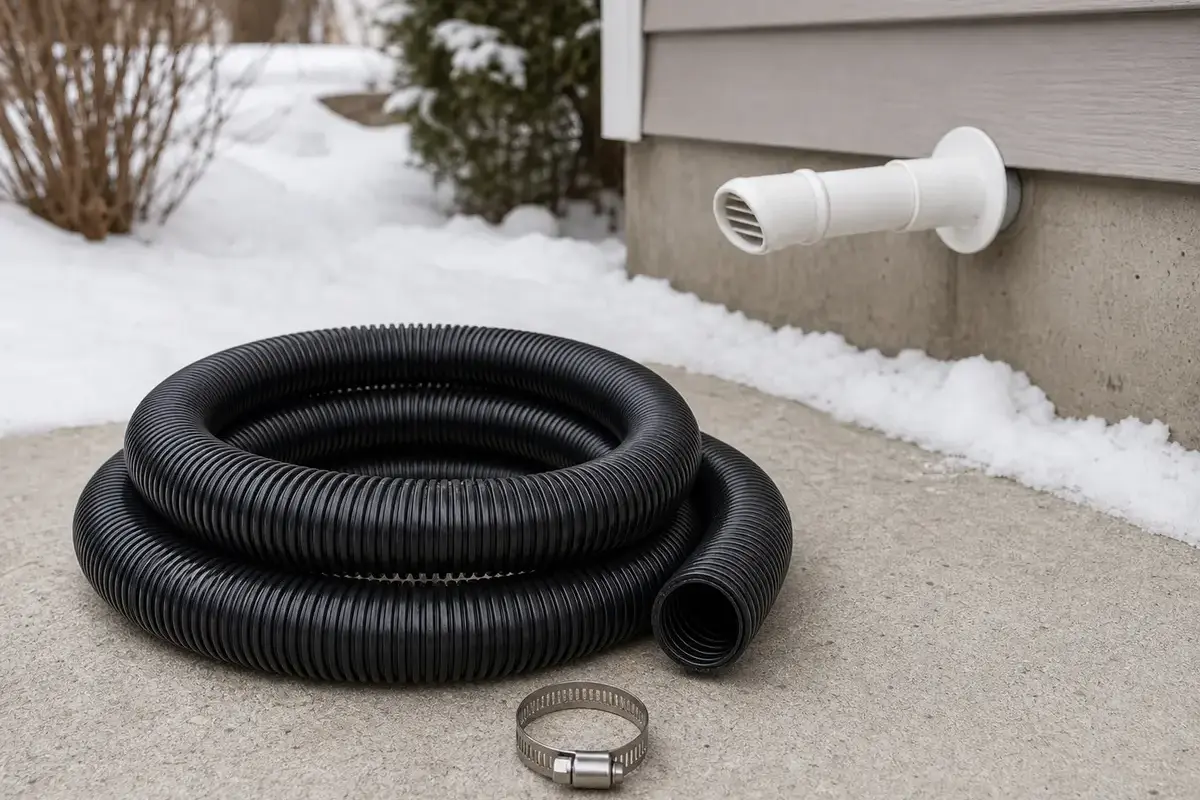
Helps when: Use one when the flexible hose or coupling is cracked, split, or spraying while the pump runs.
Skip it when: Skip it when all discharge piping stays dry and water is tracking from a wall, drain, or nearby line.
Compare sump pump discharge hoses on AmazonAs an Amazon Associate I earn from qualifying purchases. Repair Riot may earn a commission at no extra cost to you.
A working pump can still leak at a valve, coupling, discharge hose, or pit opening. If the pit level drops normally, look for a local pipe leak or backflow before replacing the pump.
Watch the pit right after shutoff. A strong rush of water falling back into the basin, a quick level jump, or dripping from the valve body makes the check valve the main suspect.
Yes. If the discharge path is blocked, frozen, kinked, or air-locked, the pump may run while the pit keeps climbing. That can spill water at the lid or rim.
Not first. Replace the pump only after it fails to run reliably, cannot lower the water with a clear discharge path, or has a damaged housing. A valve or hose leak is a smaller repair.
That timing usually points to backflow. Water in the vertical discharge line falls back into the pit when the one-way valve is missing, stuck, reversed, or not sealing.
The water may be coming from somewhere else and ending near the pit. Recheck the wall-floor joint, nearby supply lines, floor drain, condensate drain, dehumidifier, and laundry area.
It can be. Stay away from wet plugs, outlets, extension cords, and power strips. Treat sewage odor, dirty backup, fuel sheen, or fast-rising water as a stop point for DIY work.
Dry the floor again and watch two or three full cycles. The pit should drop, the level should not jump back after shutoff, and the pipe, valve, lid, and nearby slab should stay dry.
Repair Riot built this page around visible sump-area clues: first wet point, pump-cycle timing, valve backflow, discharge blockage, slab tracking, contaminated-water stop points, and diagnosis-first parts advice.