Is water still sitting under the clothes?
Treat this as a drain issue first. Watch the hose end, listen to the pump, and inspect the drain hose before thinking about spin parts.
Start with what you can see when the cycle ends. Standing water points to the drain path. A load pulled to one side points to balance. Repeated tub bounce points to support. Odd lid or door-lock behavior can keep the washer from proving closed.
Look inside first. Standing water points to the drain path; an empty tub with soaked clothes points more toward load balance, leveling, suspension, or latch behavior.
Open the washer right after the cycle ends. The water level, load position, and latch behavior tell you which path deserves attention.
Don’t start with: Do not start with the motor, control, or bearing. A kinked drain hose or one heavy blanket can leave clothes just as wet.
Treat this as a drain issue first. Watch the hose end, listen to the pump, and inspect the drain hose before thinking about spin parts.
Reload with similar-weight items spread loosely around the basket. A blanket, hoodie, or towel bundle can make a good washer back off spin speed.
Level the washer and make sure all feet sit firmly on the floor. If it still bangs with a balanced load, look at suspension.
Clean the latch area and look for a broken strike, loose hinge, or door that sits low before pricing electronics.
Stop homeowner testing. That points beyond load and hose checks and needs model-specific service diagnosis.
Use what you can see without disassembly: water left in the basket, the drain hose route, and whether the lid or door lock area closes cleanly.
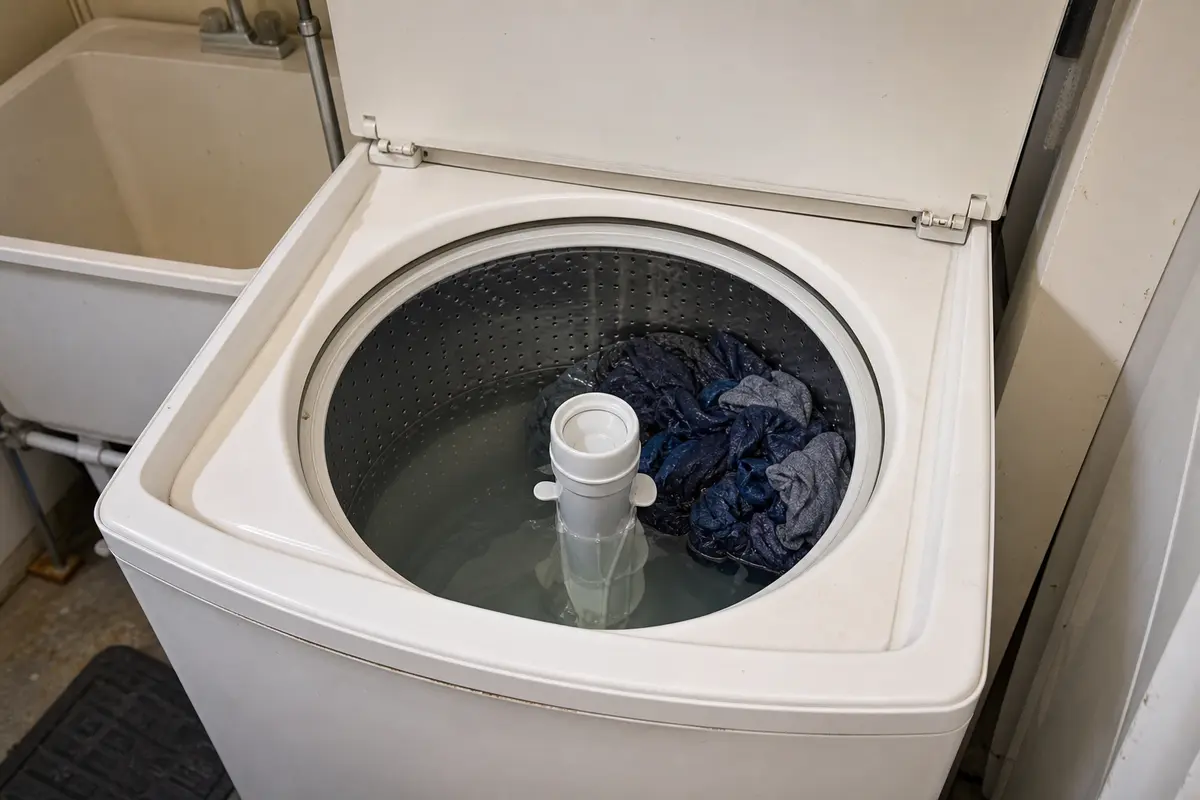
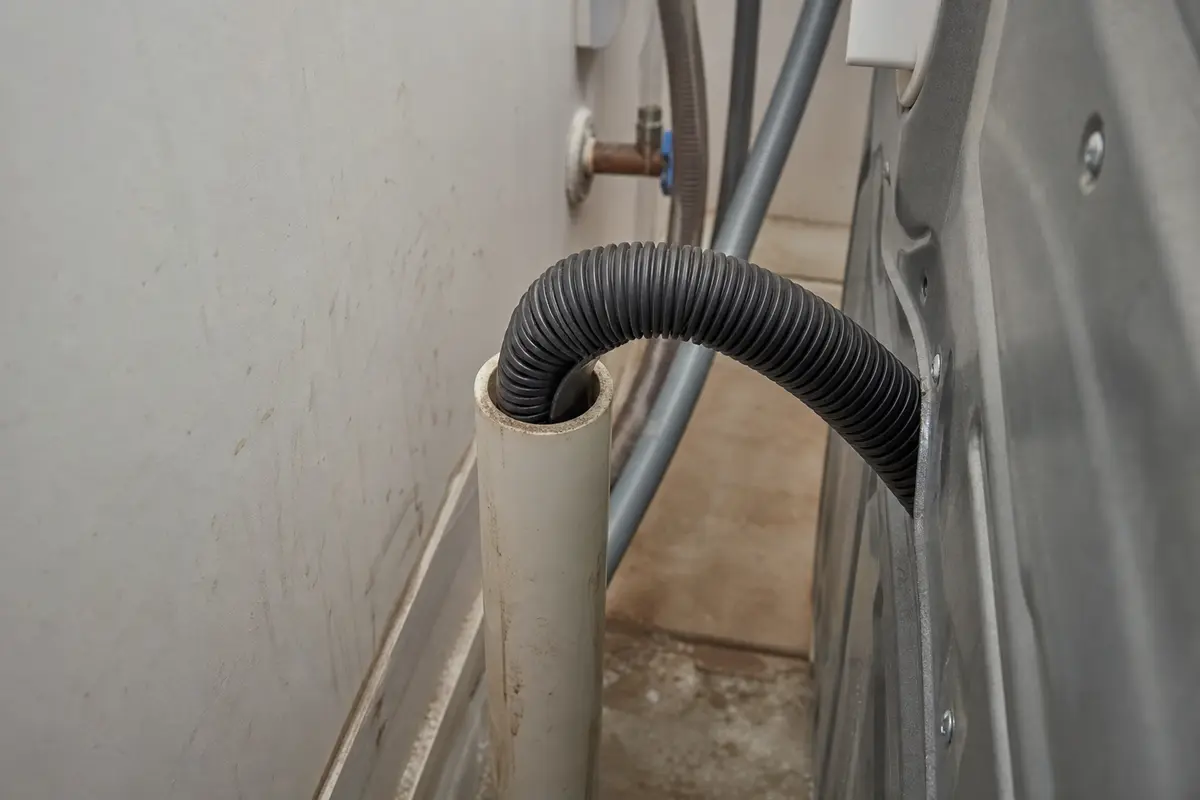
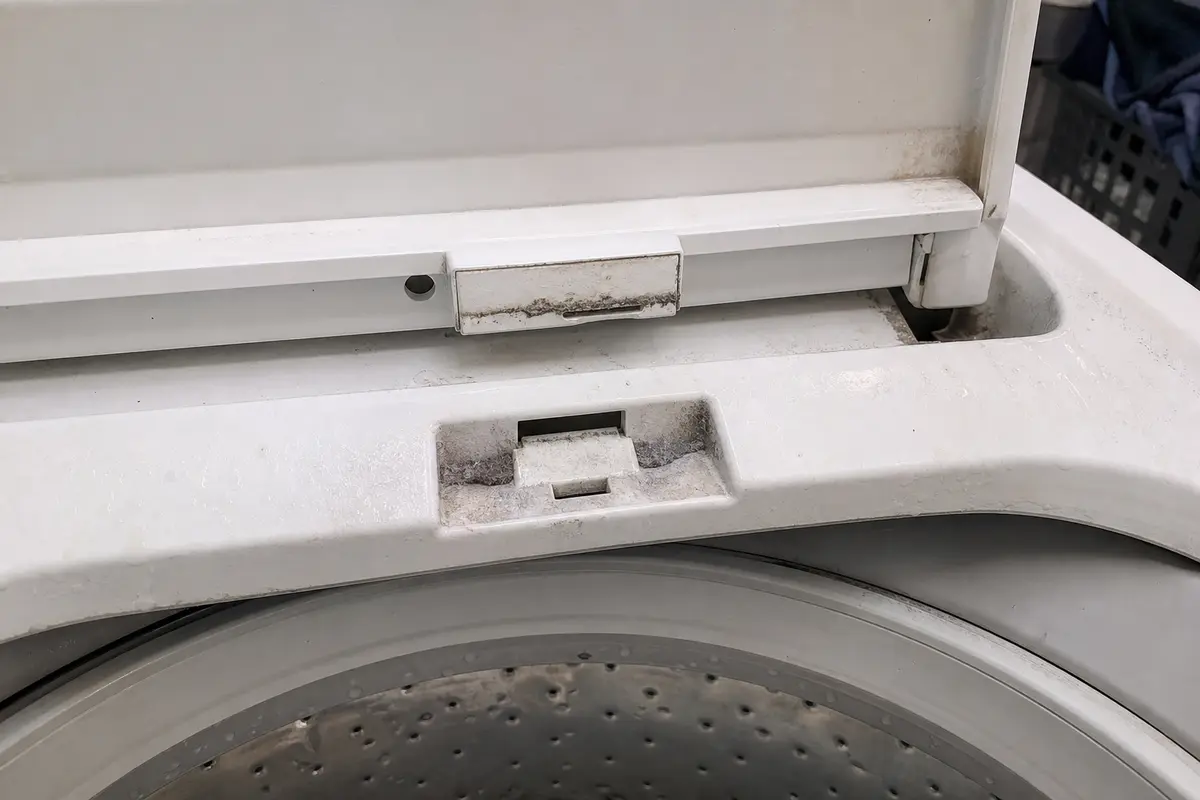
Copy the full model number before comparing parts. Buy a pump only after water drains slowly, a latch only after lock behavior points there, and suspension parts only after balanced loads still make the tub bounce hard.
A washer can look like it spun and still leave the load heavy. Most of the time, the machine either never cleared the water, never balanced the load well enough to ramp up, or never got a clean closed-and-locked signal.
Do not turn wet clothes into a motor or control guess. First prove the tub drained, the load was balanced, the cabinet sits firm, and the latch gives one normal lock action.
Work from the symptom you can see toward the part you can justify. These checks do not require live electrical testing or bypassing a safety lock.
Use the result instead of the sound alone. A pump can make noise and still move water too slowly, and a washer can tumble briefly without ever reaching high spin.
| What you see | What it usually means | Next move |
|---|---|---|
| Water remains under the clothes | The washer did not drain fast enough for a full final spin | Inspect hose route, standpipe fit, pump filter if equipped, then pump performance |
| Empty tub, one heavy item stuck to one side | The washer protected itself from an off-balance load | Reload with similar-weight items and run a smaller spin test |
| Cabinet rocks before spin speed builds | The feet or floor contact are letting the machine move too much | Level the washer and recheck with a normal load |
| Tub bounces several times when empty | Suspension rods or shocks may no longer control movement | Compare the support parts for your washer design by model number |
| Spin improves when you press the lid or door | The latch, strike, hinge, or lock receiver is not giving a reliable signal | Clean and align the latch area before replacing the lock assembly |
| Grinding, hot smell, or no strong spin even empty | The issue is likely beyond basic load, hose, or latch checks | Stop and schedule appliance service |
These tools are for outside-in checks: seeing the hose path, leveling the cabinet, and opening only safe access points after power is off.
Paid links. As an Amazon Associate I earn from qualifying purchases. Repair Riot may earn a commission at no extra cost to you.
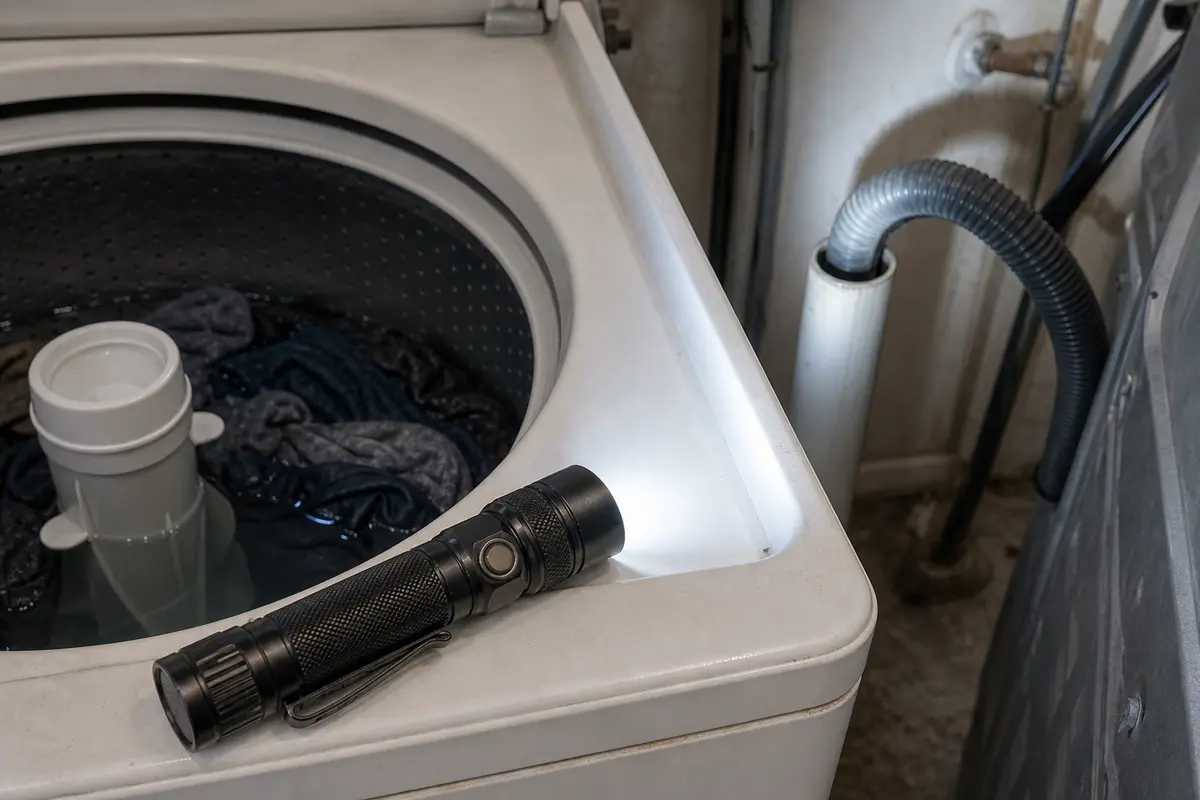
Helps when: You need to see standing water, latch residue, hose kinks, and the model label without pulling the washer apart.
Skip it when: The next step requires live wiring or reaching inside a powered machine.
Compare flashlights on Amazon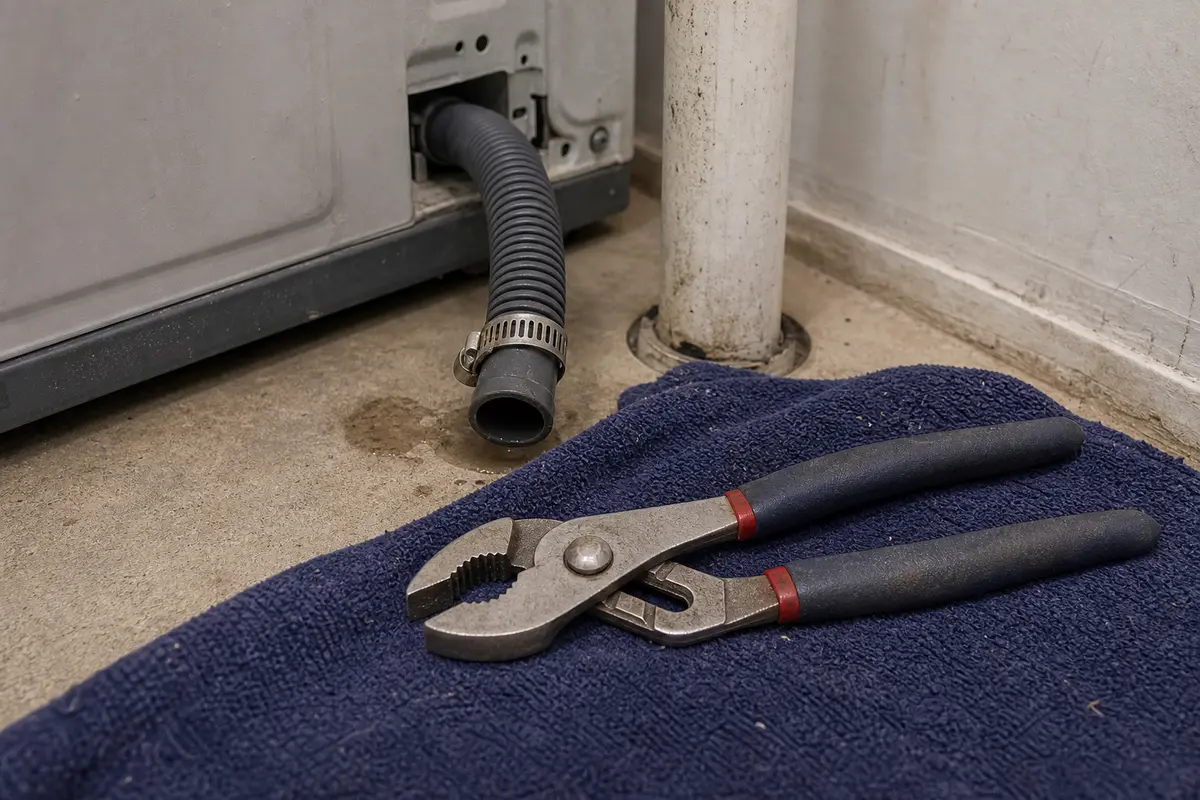
Helps when: You are loosening a washer drain-hose clamp after power is off and the water spill path is controlled.
Skip it when: The hose is brittle, seized, leaking at the wall, or connected to plumbing you are not comfortable disturbing.
Compare slip-joint pliers on Amazon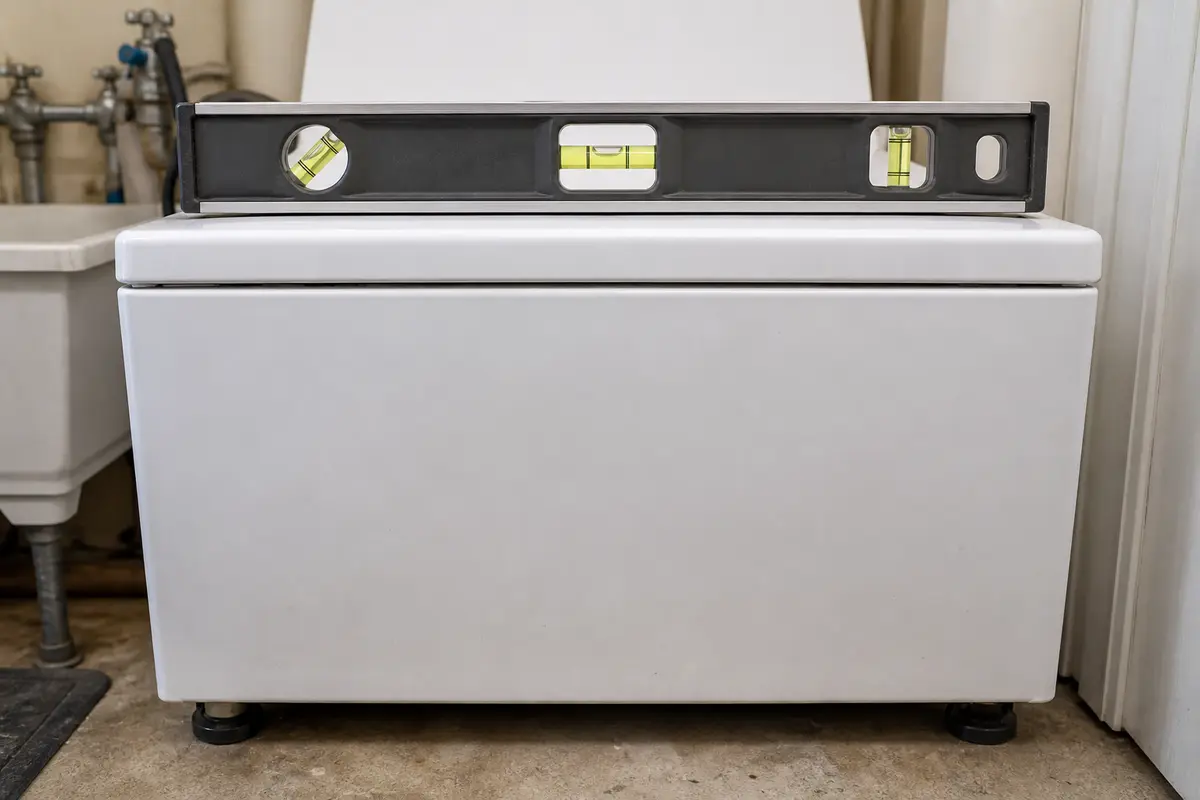
Helps when: You need to prove the washer cabinet is sitting level before blaming suspension or drive parts.
Skip it when: The floor is soft, damaged, or flexing enough that leveling feet cannot solve the movement.
Compare bubble levels on Amazon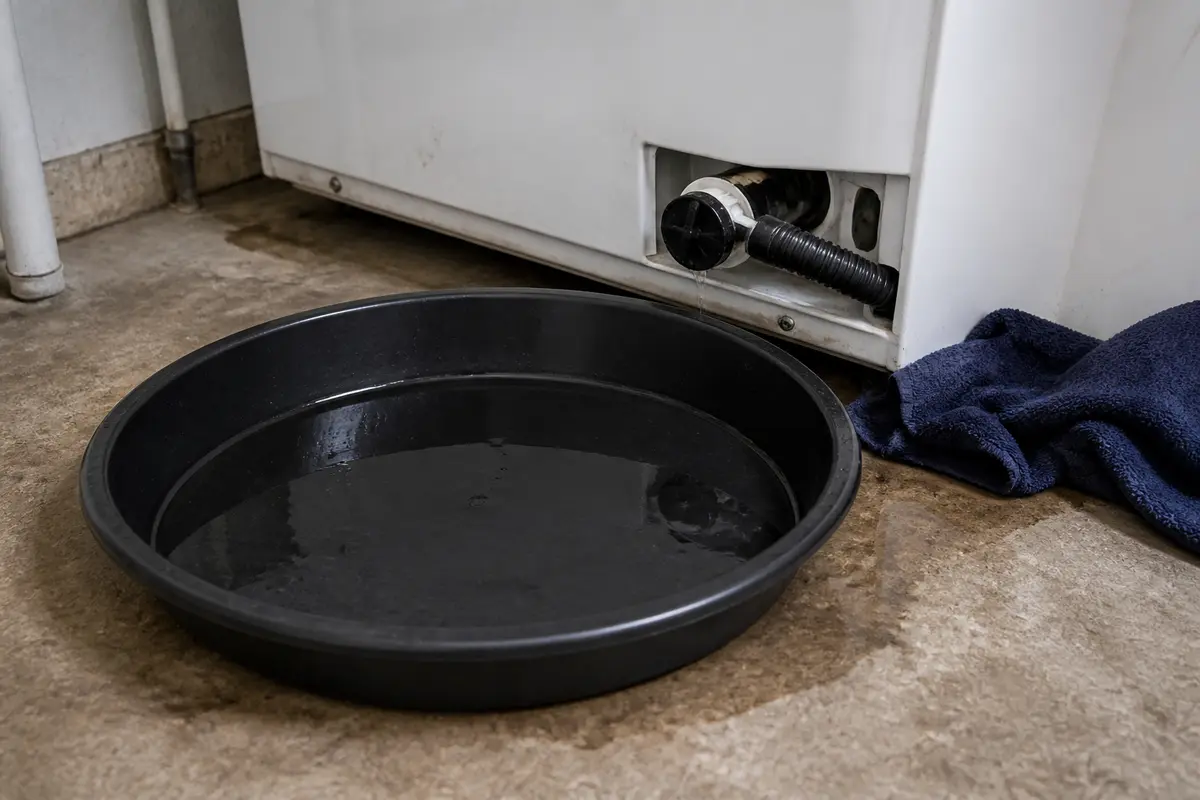
Helps when: You are checking a hose or pump-filter area and need a controlled place for leftover water.
Skip it when: Water is already spreading under the washer or the machine is too heavy to move safely.
Compare shallow drain pans on AmazonCompare parts only after the symptom points there. Washer parts are model-specific; a similar-looking pump, latch, or suspension rod can still mount or wire differently.
Paid links. As an Amazon Associate I earn from qualifying purchases. Repair Riot may earn a commission at no extra cost to you.
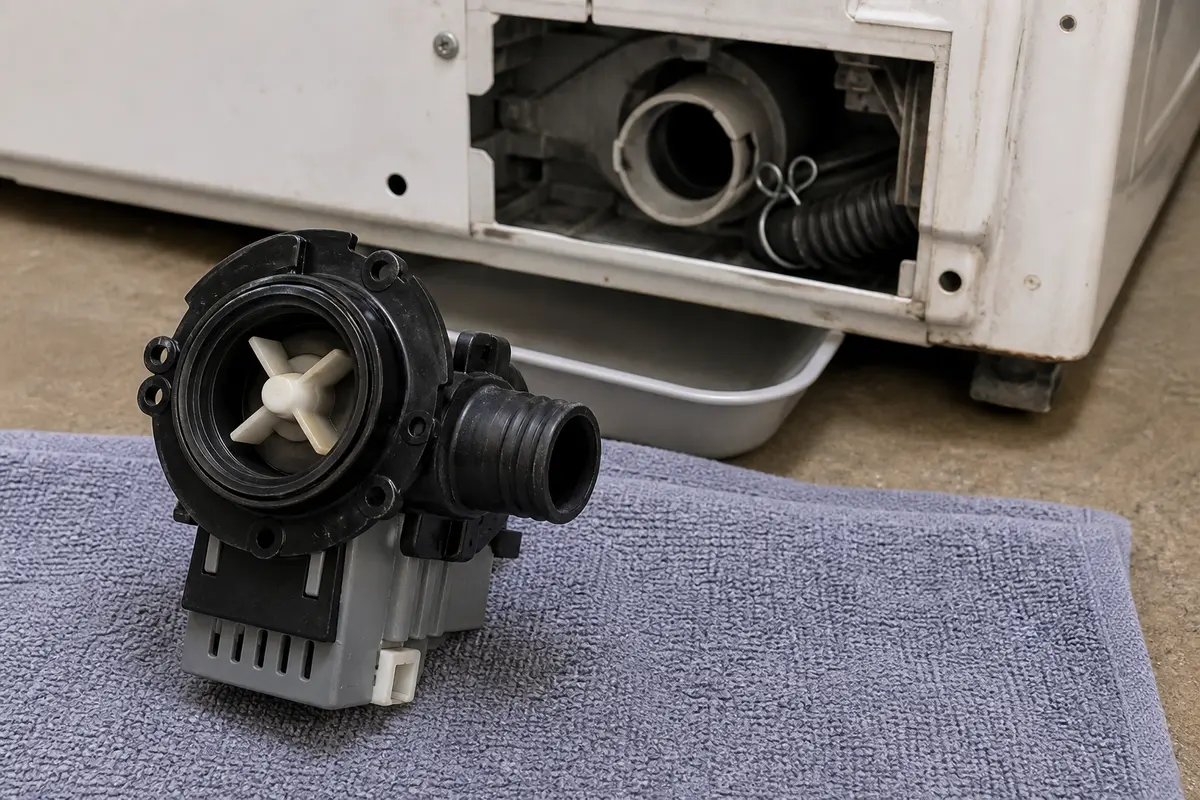
Helps when: Water leaves slowly or remains in the tub after the hose route and simple blockage points have been ruled out.
Skip it when: The tub is empty at the end of the cycle and the washer drains strongly during a drain-and-spin test.
Compare washer drain pumps on Amazon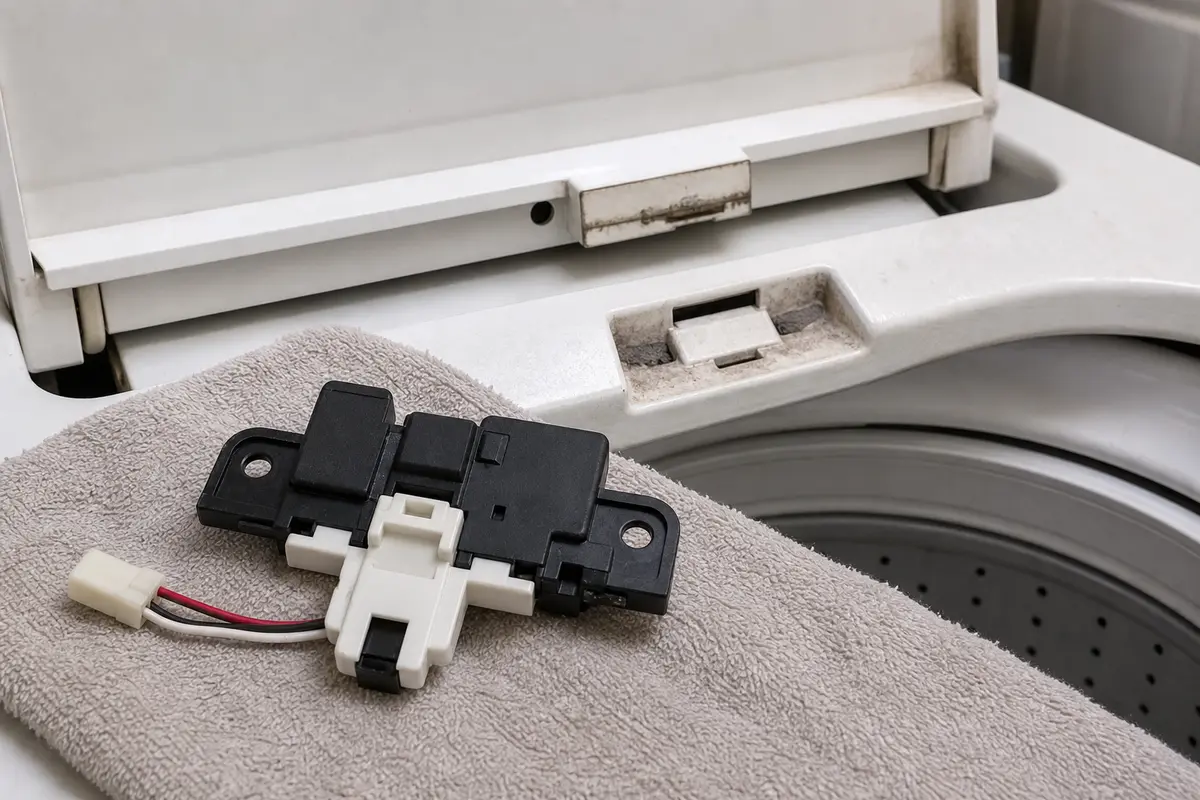
Helps when: A top-load washer clicks, pauses, or spins only when lid pressure changes the behavior.
Skip it when: Standing water, a bunched load, or poor leveling has not been addressed yet.
Compare lid lock assemblies on Amazon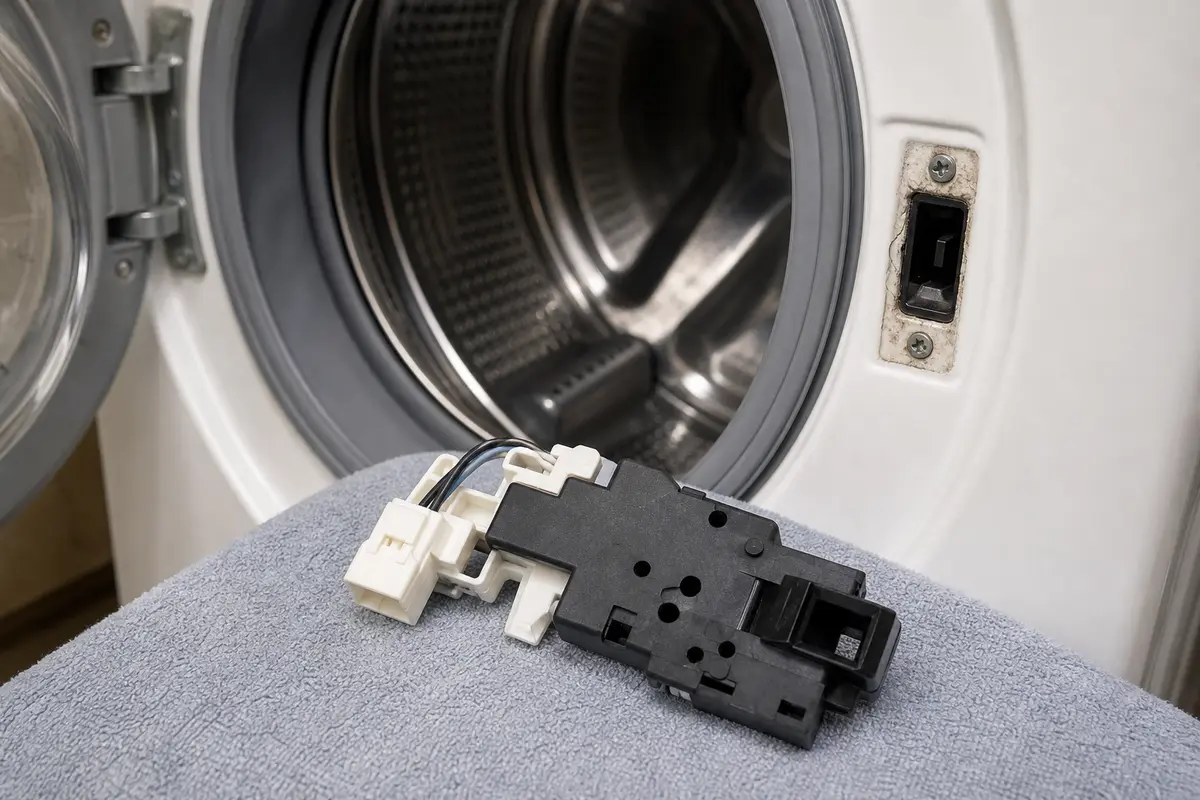
Helps when: A front-load washer will not prove the door closed for high spin after the strike and hinge area look clean.
Skip it when: The door closes normally and the remaining clue is slow drain, tub bounce, or grinding.
Compare door latch assemblies on Amazon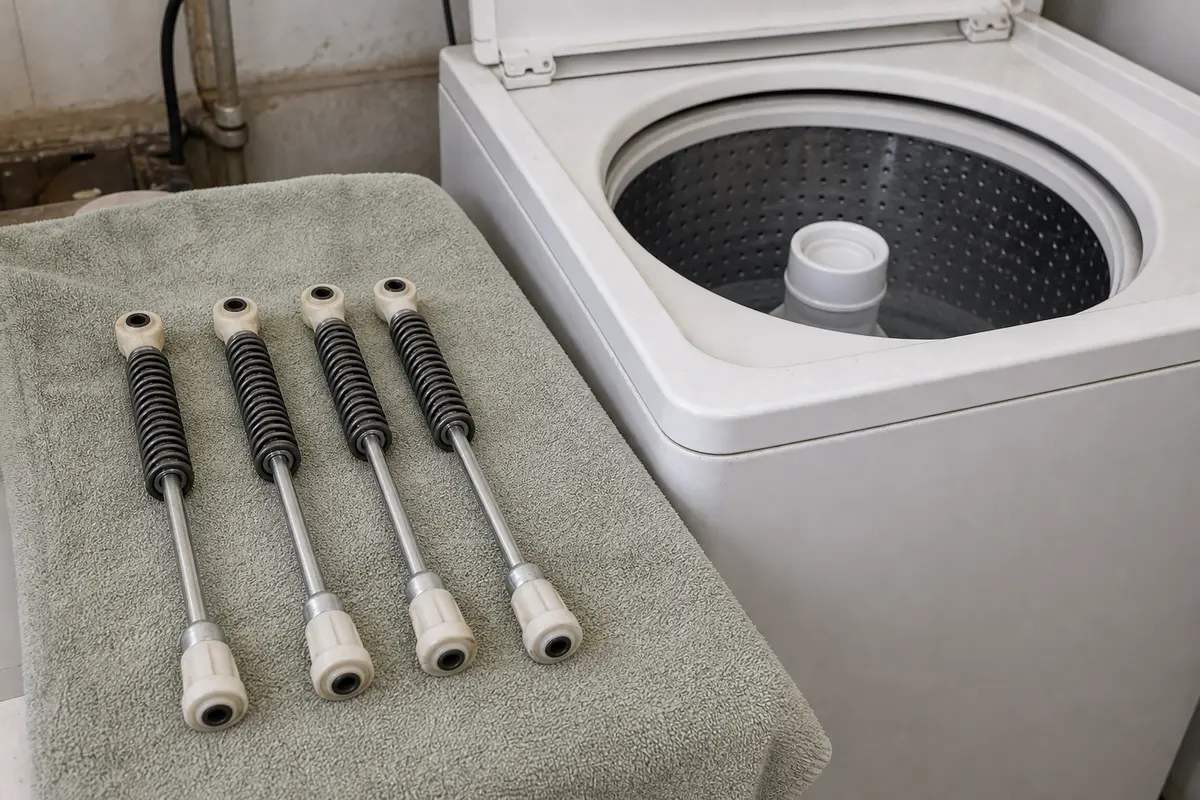
Helps when: A top-load washer keeps going off balance with normal loads and the empty tub bounces several times.
Skip it when: The symptom happens only with one oversized item or while the cabinet is not level.
Compare washer suspension rods on AmazonSome spin failures need a meter, model diagnostics, or cabinet teardown. Stop before the repair asks you to bypass a safety part or guess at an expensive assembly.
Usually the basket tumbles or spins lightly, then never reaches full final speed. Open it right away: standing water sends you to the drain path, a bunched load sends you to balance and leveling, and odd lock behavior sends you to the latch area. If those pass and normal loads still bounce, check suspension.
Yes. A washer that cannot move water out fast enough may slow down or skip the strongest part of final spin. Visible water at the end means the drain path comes first.
Look for a kinked hose, a hose shoved too far into the standpipe, a clogged pump filter if your model has one, and weak flow during drain. Buy the pump only after the path is clear and water still moves poorly.
Check the load before you blame suspension. Look for one bulky item or mixed heavy and light fabrics pulled to one side. Redistribute similar-weight items and run a short spin. If normal loads still leave the empty tub bouncing several times, inspect suspension.
Yes. Many washers need a steady closed-and-locked signal before high spin. If lid or door pressure changes the behavior, the strike, hinge, latch, or lock assembly deserves attention.
No. Hard repeated banging can damage the cabinet, tub support, and floor. Correct the load and leveling first; if it still bangs with normal loads, stop and inspect the support system.
One wet blanket can pull the basket off center. The washer may slow down or retry spin to protect itself, so the load leaves the machine much wetter than normal.
If an empty washer still spins weakly, grinds, smells hot, or the basket feels rough, the easy checks are cleared. Stop buying guesses. Schedule model-specific testing for the motor, drive assembly, bearing, or control.
Look at the washer style and model before buying parts. Both types start with the same split: drain, balance, latch, and support. Top-load washers often use lid locks and suspension rods; front-load washers often use door latches and shock absorbers.
Repair Riot built this page around the checks that change the repair decision: water left in the tub, load balance, washer leveling, latch behavior, and support movement. The sources below shaped the homeowner-safe order and the parts-fit warnings.