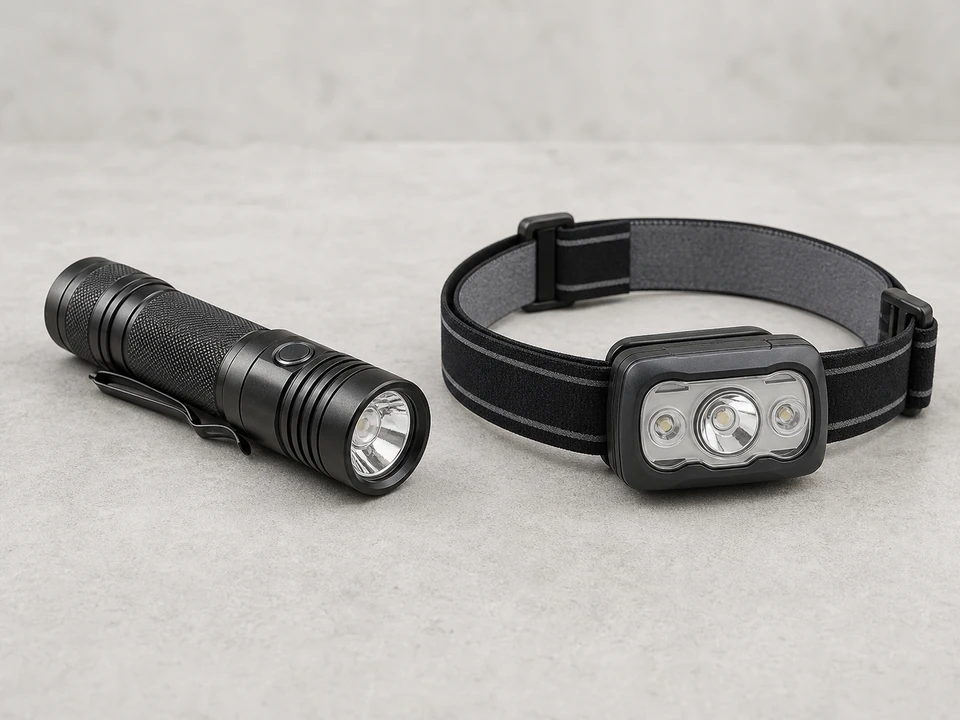
Flashlight
Use it for: Lets you look into the disposal chamber without putting your hand inside.
Shop flashlightsTo unjam a garbage disposal, turn off power first, remove any visible obstruction with tongs or pliers, rotate the motor from the bottom with the correct wrench or hex key, press the reset button, then test it with cold water running.
A jammed disposal usually means something hard or stringy is locking the grinding plate so the motor cannot spin. The safest fix is to cut power, free the jam manually, and only then restore power for a test.
Before you start: Match the part or procedure carefully before you start. Stop if the repair becomes unsafe or unclear.
Use it for: Lets you look into the disposal chamber without putting your hand inside.
Shop flashlights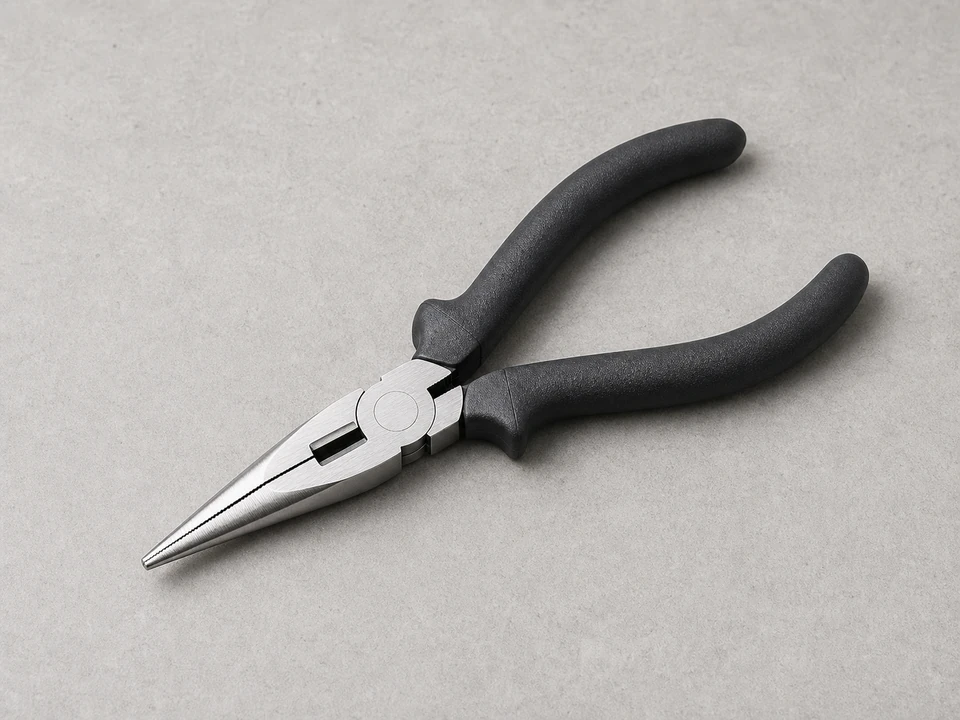
Use it for: Helps pull out bones, utensils, fruit pits, or stringy debris safely.
Shop needle-nose pliers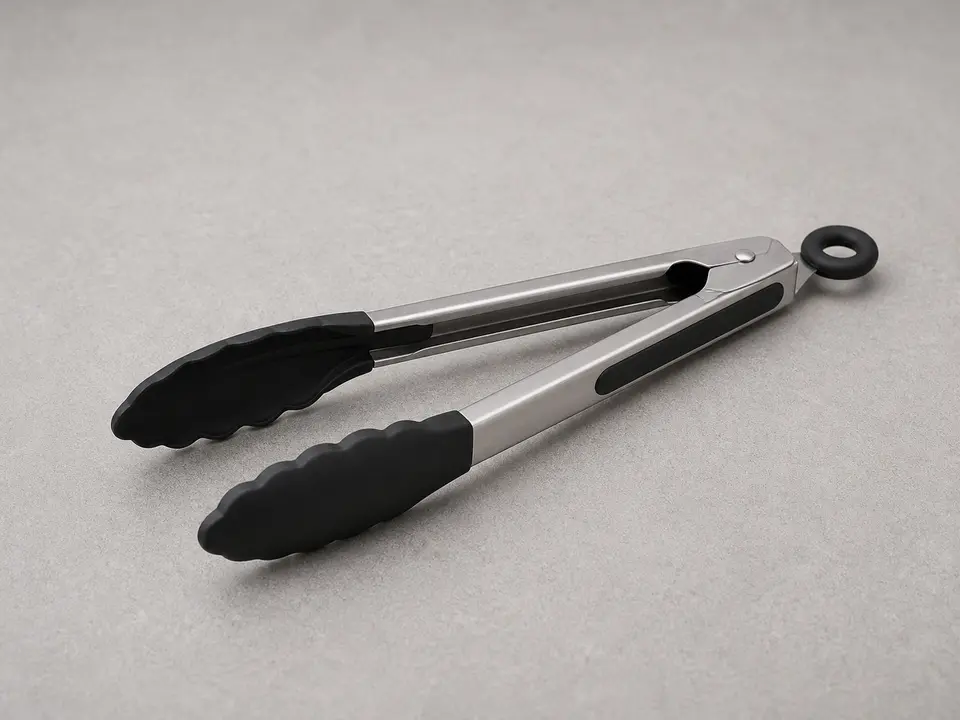
Use it for: Useful for grabbing larger obstructions from the sink opening.
Shop kitchen tongs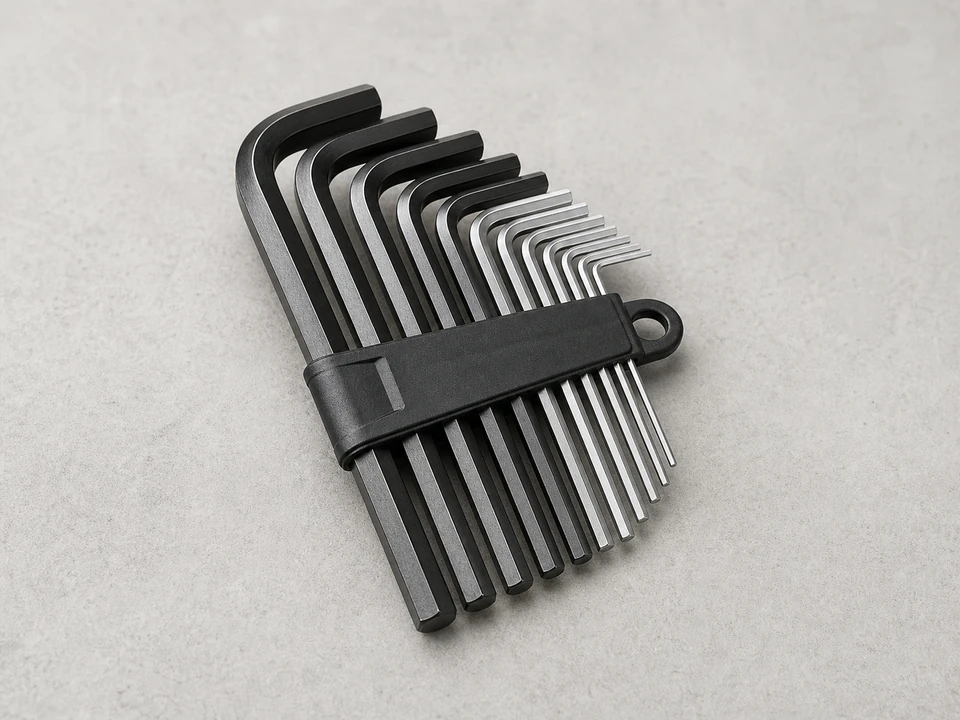
Use it for: Many disposals can be turned from the bottom with a hex key to break a jam loose.
Shop hex key sets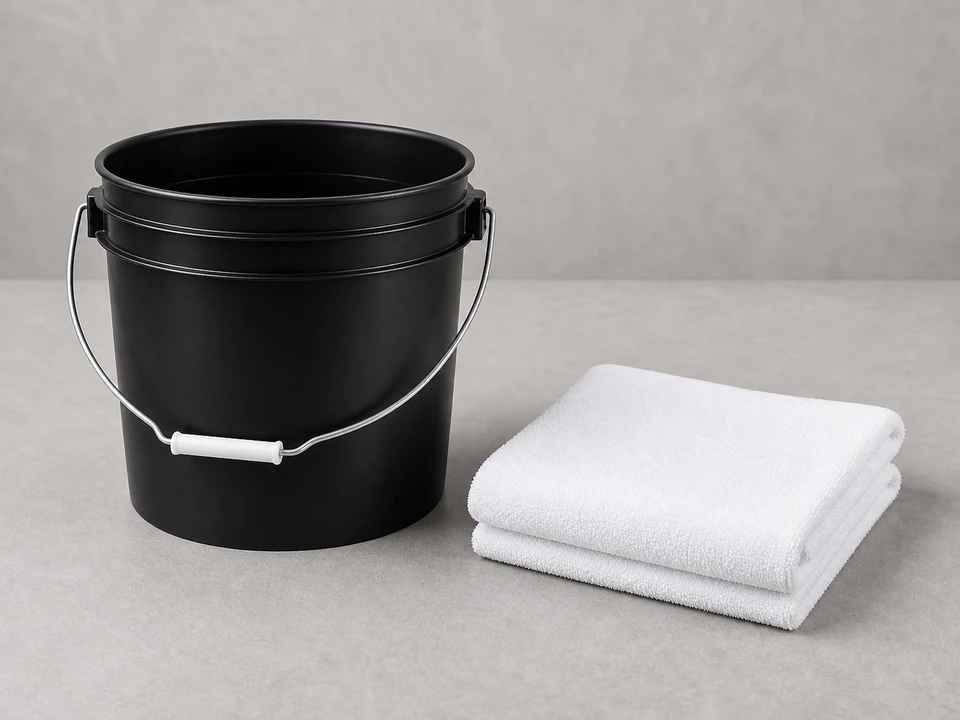
Use it for: Catches drips if you need to work under the sink.
Shop absorbent towelsAs an Amazon Associate I earn from qualifying purchases. Repair Riot may earn a commission at no extra cost to you.
If it works: You have a good reason to treat this as a jammed disposal instead of a drain clog or a dead unit.
If it doesn’t: If the disposal is completely silent, check for lost power at the outlet, a tripped breaker, or a failed switch before trying to unjam it.
If it works: The disposal is safely de-energized and you can inspect it without risk of it starting.
If it doesn’t: If you cannot confirm power is off, stop and identify the correct plug or breaker before continuing.
If it works: The obvious blockage is out of the disposal chamber.
If it doesn’t: If you cannot see the obstruction or it will not come free from above, move to the manual turning step to loosen the jam.
If it works: The grinding plate or motor now moves freely instead of stopping hard in one spot.
If it doesn’t: Repeat the back-and-forth motion and check again for hidden debris caught along the side wall.
If it works: The disposal runs with a normal grinding sound and no longer hums or stalls.
If it doesn’t: If it still hums or trips off, cut power again and repeat the manual turning step once more. If that does not help, the motor or internal parts may be damaged.
If it works: The disposal handles a normal small load, drains properly, and stays leak-free.
If it doesn’t: If it jams again during light use, there may still be hidden debris inside or the disposal may have worn internal parts that need repair or replacement.
That usually means the motor has power but the grinding plate is jammed by something hard or stringy. The overload protector may trip if the motor cannot turn.
No. Use tongs or pliers instead. A disposal can have sharp edges inside, and using tools is the safer habit every time.
Common causes are silverware, bones, fruit pits, shells, bottle caps, and fibrous scraps like celery strands or corn husks. Grease buildup can also make movement harder.
It is usually a small button on the bottom or lower side of the disposal housing under the sink. If it has popped out, press it back in after the jam is cleared.
Some units do not. In that case, with power off, you can often move the grinding plate gently from above using a wooden spoon handle while you remove loosened debris with tongs.