Is the room cool?
Pause the unit and retest in warmer air. Cool basement or garage air is a common freeze-up cause.
A Toshiba dehumidifier coil usually freezes because the room is too cool or airflow across the coil is weak. Thaw the unit fully, then check room temperature, filter condition, intake clearance, and fan airflow before buying parts.
Good clue: even frost across the coil points to cold room air or low airflow. Ice starting in one small section in a warm room is a stronger stop-and-service clue.
Use the frost pattern and the room temperature to decide whether this is a setup problem, a cleaning job, or a service call.
Don’t start with: Do not scrape ice, bend coil fins, or open sealed refrigerant parts. Most homeowner fixes are airflow, temperature, filter, or bucket-control checks.
Pause the unit and retest in warmer air. Cool basement or garage air is a common freeze-up cause.
Clean or replace the filter and clear the intake before any deeper diagnosis.
Check the fan path, grille, and filter fit. Weak airflow with a clean path can mean service.
In a warm room with clean airflow, uneven ice is a stop point for sensor or sealed-system diagnosis.
Inspect the float and switch only after airflow and temperature checks make sense.
Use towels, empty the bucket, and check the drain path before restarting.
A frozen dehumidifier is easier to sort after a full thaw. Compare room temperature, airflow, and where ice starts.
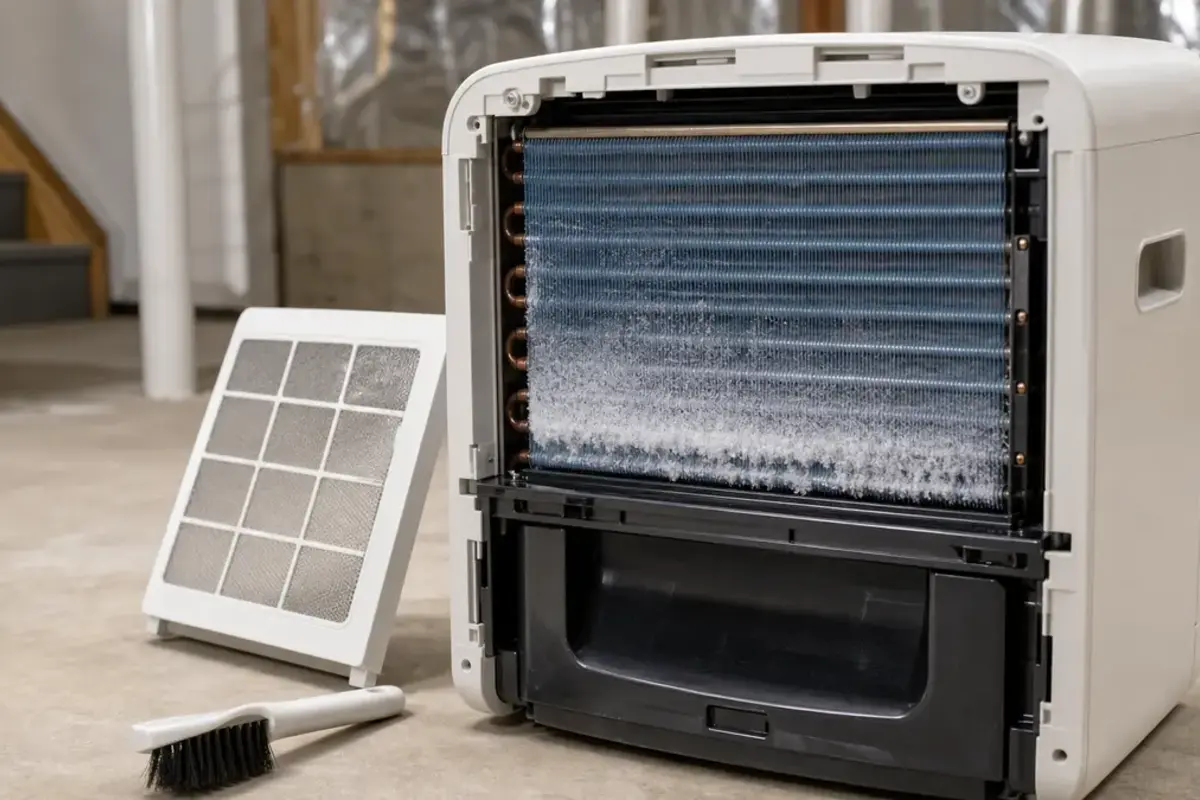
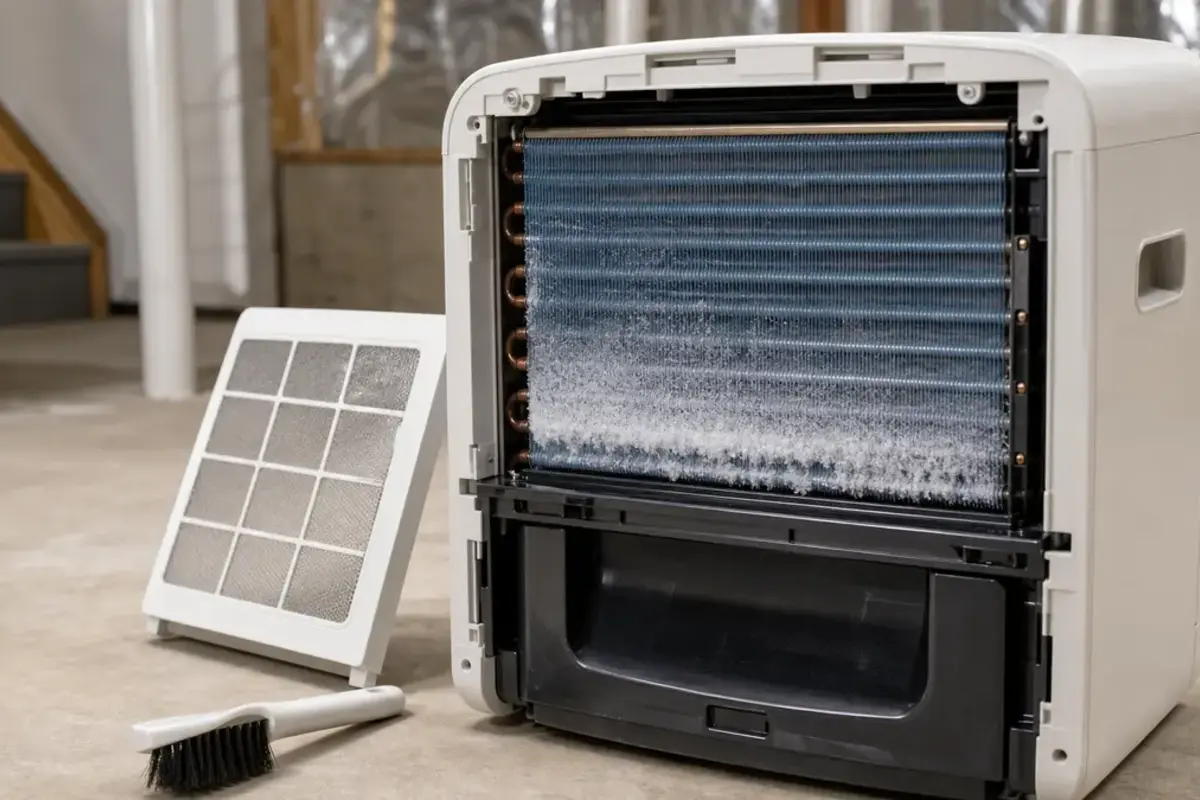
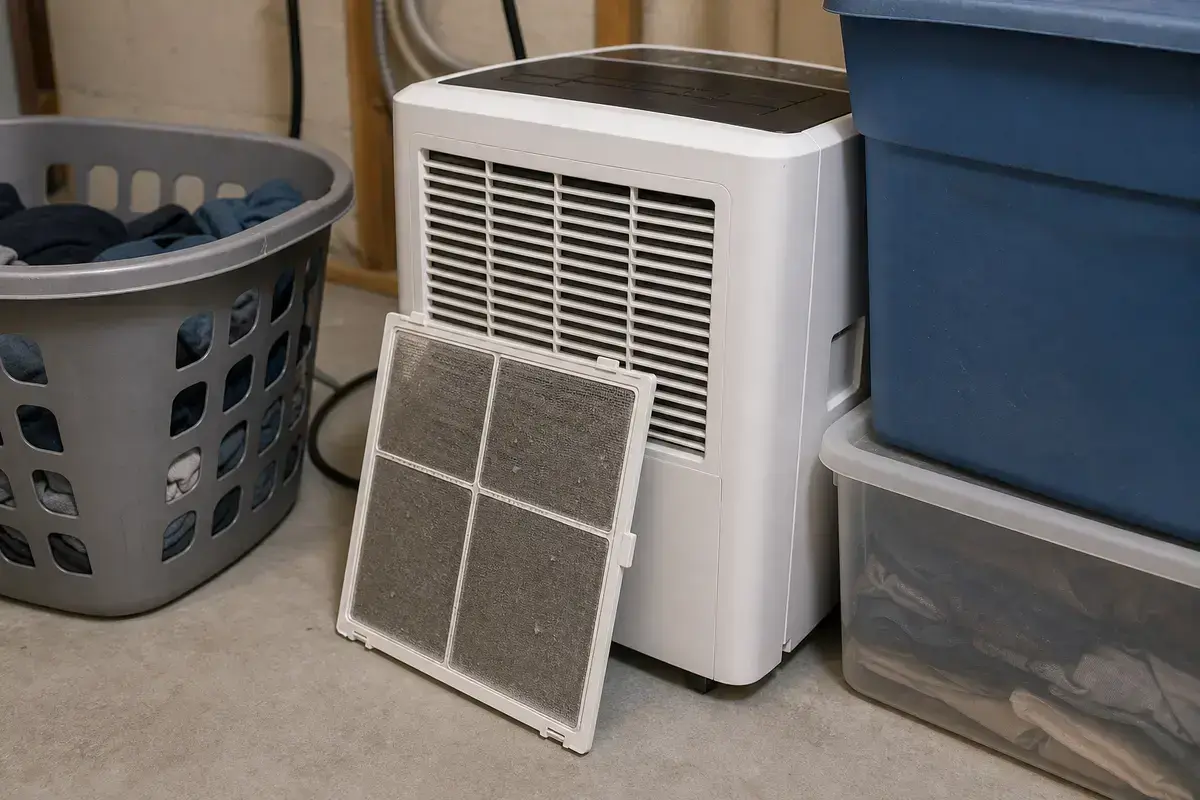
Copy the full Toshiba model number and prove the freeze-up is not from cold room air or blocked airflow. Buy filters or switches only when the checks point there.
A frozen coil cannot be diagnosed while it is still packed with ice. Let it thaw, dry the area, and check the room conditions before restarting.
Low airflow is the homeowner-checkable cause that fixes many frozen dehumidifiers.
The pattern after a full thaw and short retest tells you whether to keep cleaning or stop.
| What you see | What it usually means | Next move |
|---|---|---|
| Even frost across the coil | Room too cool or airflow too low | Warm the room or improve airflow before buying parts. |
| Ice starts in one corner or one tube area | Sensor, refrigerant, or sealed-system issue may be involved | Stop and get model-specific service help. |
| Weak airflow with clean filter | Fan path or fan motor may need service | Do not keep running it into ice. |
| Bucket-full behavior is wrong | Float or water-level switch may be confusing operation | Inspect bucket movement after the freeze cause is handled. |
A freeze-up can turn into a damaged coil if the first move is force instead of thawing.
Use these for safe thawing and airflow checks.
Paid links. As an Amazon Associate I earn from qualifying purchases. Repair Riot may earn a commission at no extra cost to you.
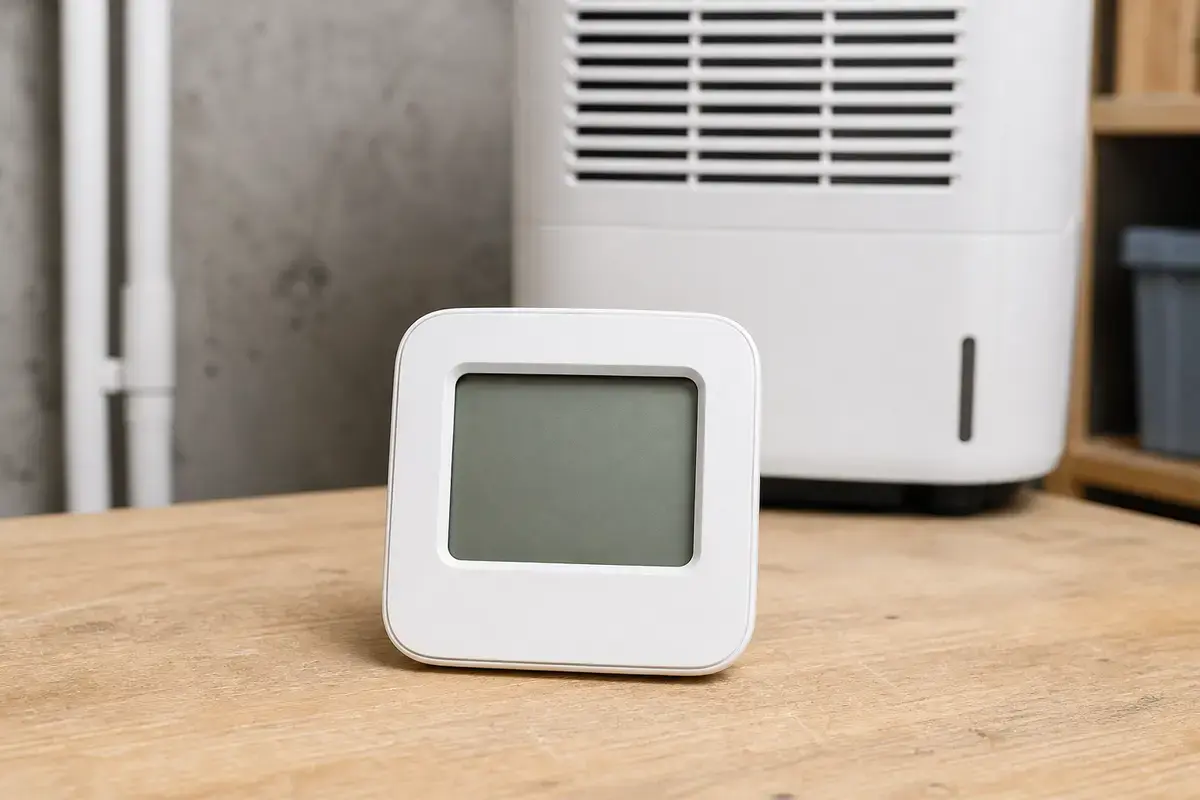
Helps when: Confirms whether the space is cool or humid enough to explain repeat coil icing.
Skip it when: Skip it if you already know the room is below the unit's operating range.
Compare room hygrometers on Amazon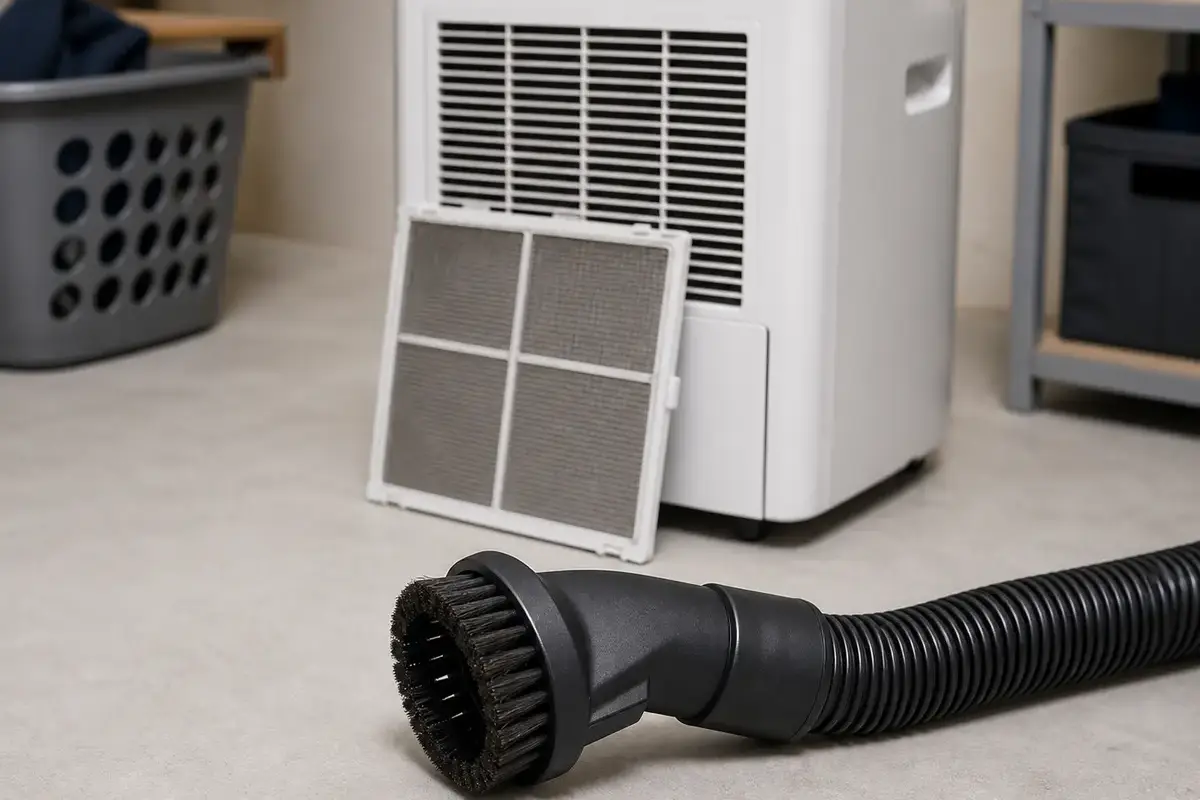
Helps when: Helps remove lint from the filter, grille, and intake without bending coil fins.
Skip it when: Skip forcing it into the coil or any area near wiring.
Compare vacuum brush attachments on Amazon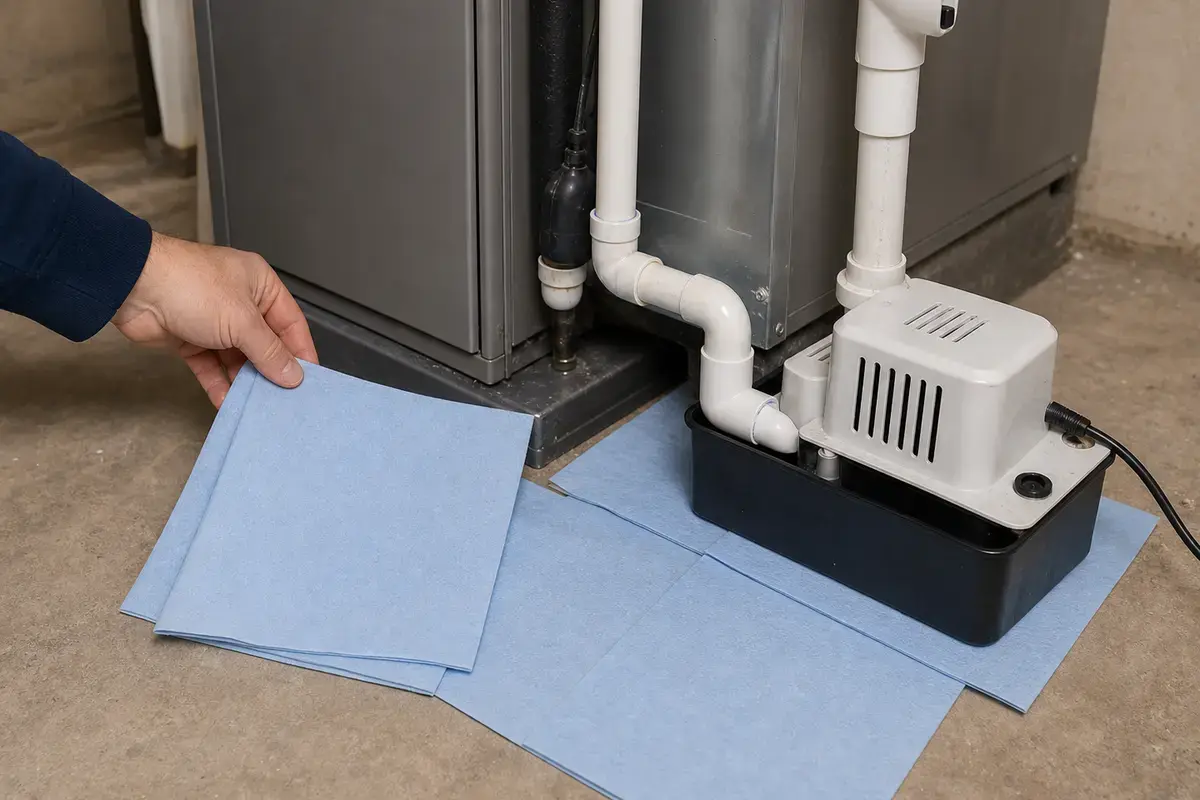
Helps when: Catches meltwater while the frozen coil thaws and the bucket area drains.
Skip it when: Skip restarting the unit if meltwater reaches wiring or the floor outlet.
Compare absorbent towels on AmazonParts come after temperature and airflow checks. Match the exact Toshiba model before ordering.
Paid links. As an Amazon Associate I earn from qualifying purchases. Repair Riot may earn a commission at no extra cost to you.
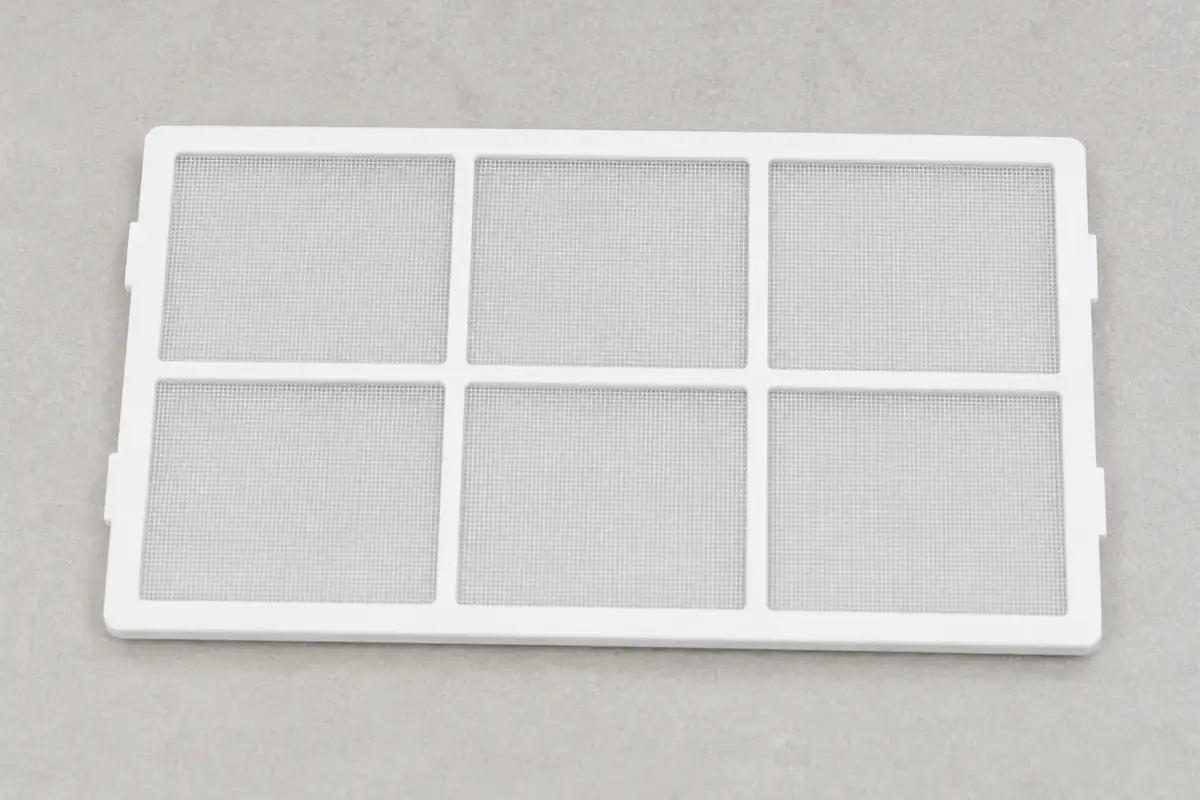
Helps when: Use one when the old filter is torn, warped, missing, or still restricts airflow after cleaning.
Skip it when: Skip it when the filter is clean and airflow is strong but ice starts unevenly.
Compare dehumidifier air filters on Amazon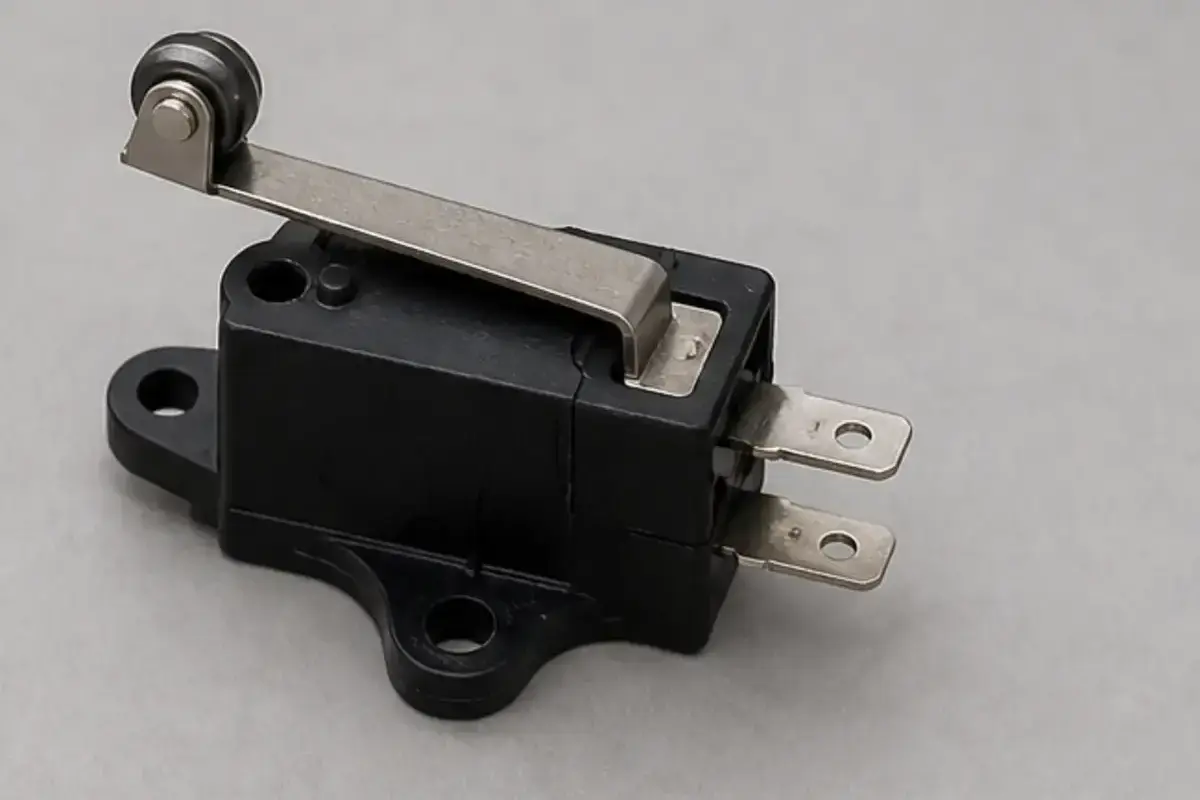
Helps when: Consider it when bucket-full behavior is wrong after the freeze and airflow causes are fixed.
Skip it when: Skip it when the only symptom is frost on a cold coil with normal bucket operation.
Compare bucket float switches on Amazon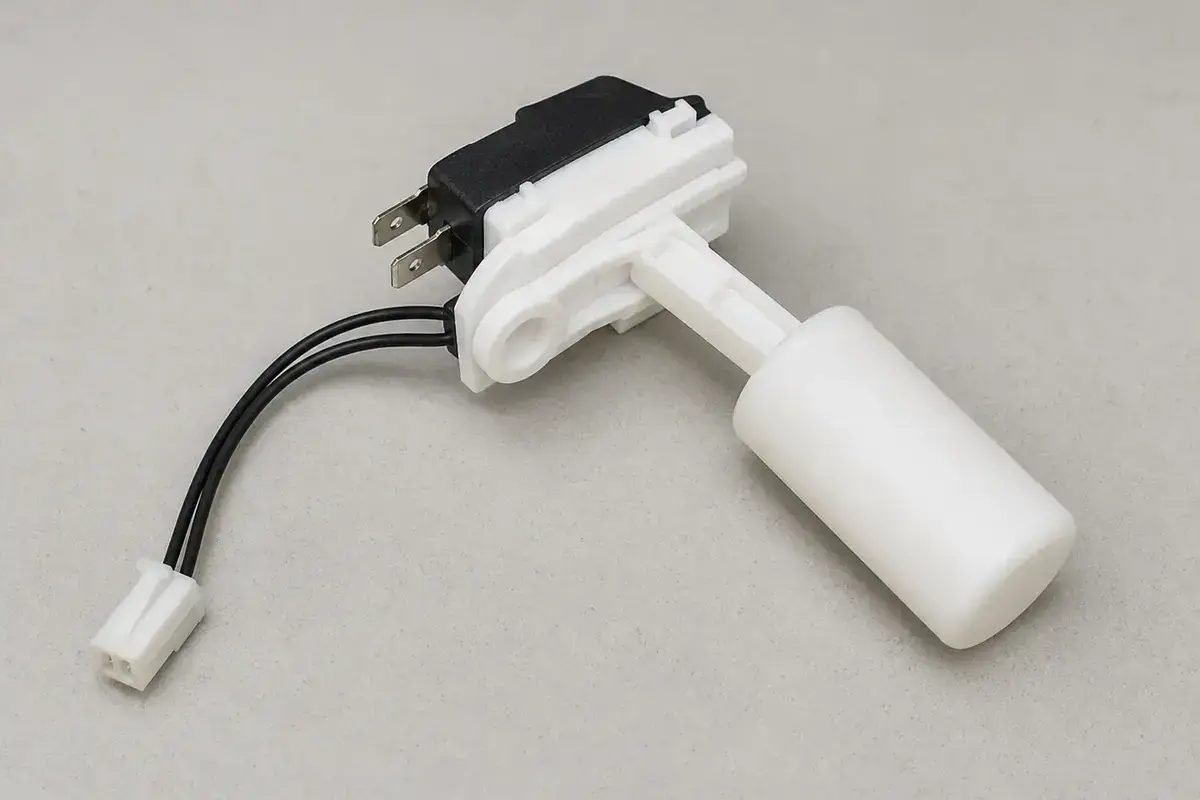
Helps when: Use it only when the unit keeps misreading bucket level after the float area moves freely.
Skip it when: Skip it before cleaning the filter, warming the room, and checking the frost pattern.
Compare water level switches on AmazonSome frost patterns are not homeowner cleaning jobs.
After cleaning, run a short watched test instead of leaving the unit overnight.
Nighttime room temperatures often drop enough to cause icing, especially in basements and garages.
Yes. Low airflow lets the evaporator coil run too cold, so moisture freezes on the coil instead of draining.
No. Thaw it fully, correct room temperature or airflow problems, then retest briefly.
No. Scraping can bend fins or damage the coil. Let the ice melt naturally.
Check room temperature, airflow strength, and frost pattern. Uneven ice in a warm room needs service help.
Not usually as the main cause. Check bucket controls after temperature and airflow checks make sense.
Replace it when it is torn, warped, missing, or still blocks airflow after cleaning.
Uneven ice that starts in one section in a warm room with clean airflow can point toward refrigerant or sensor issues that need service.
Repair Riot built this page around visible homeowner checks: room temperature, filter condition, airflow, frost pattern, bucket behavior, and safe stop points before sealed-system work.