Does the handle feel loose or do nothing?
Open the tank and check the trip lever, chain, and flapper before plunging.
If your toilet won't flush, split the problem before buying anything: tank parts that are not lifting or releasing enough water, or bowl water that rises because the trapway is blocked.
A disconnected chain, low tank water, early-closing flapper, or toilet clog covers most no-flush calls.
Take the tank lid off and watch one safe flush. The handle, chain, flapper, tank water, and bowl level usually point to the right path.
Don’t start with: Do not pull the toilet, buy a full rebuild kit, or keep flushing a high bowl until the tank action and bowl water level tell you which side failed.
Open the tank and check the trip lever, chain, and flapper before plunging.
Adjust chain slack and make sure the flapper is not catching.
Open the shutoff fully and check the fill valve or water-level setting.
The chain or flapper setup is likely dropping too soon.
Let the water drop, then use a flange plunger before a toilet auger.
Stop toilet-only repairs and call a plumber.
A loose chain, low tank water, and a rising bowl all look like no-flush, but the fixes are different.
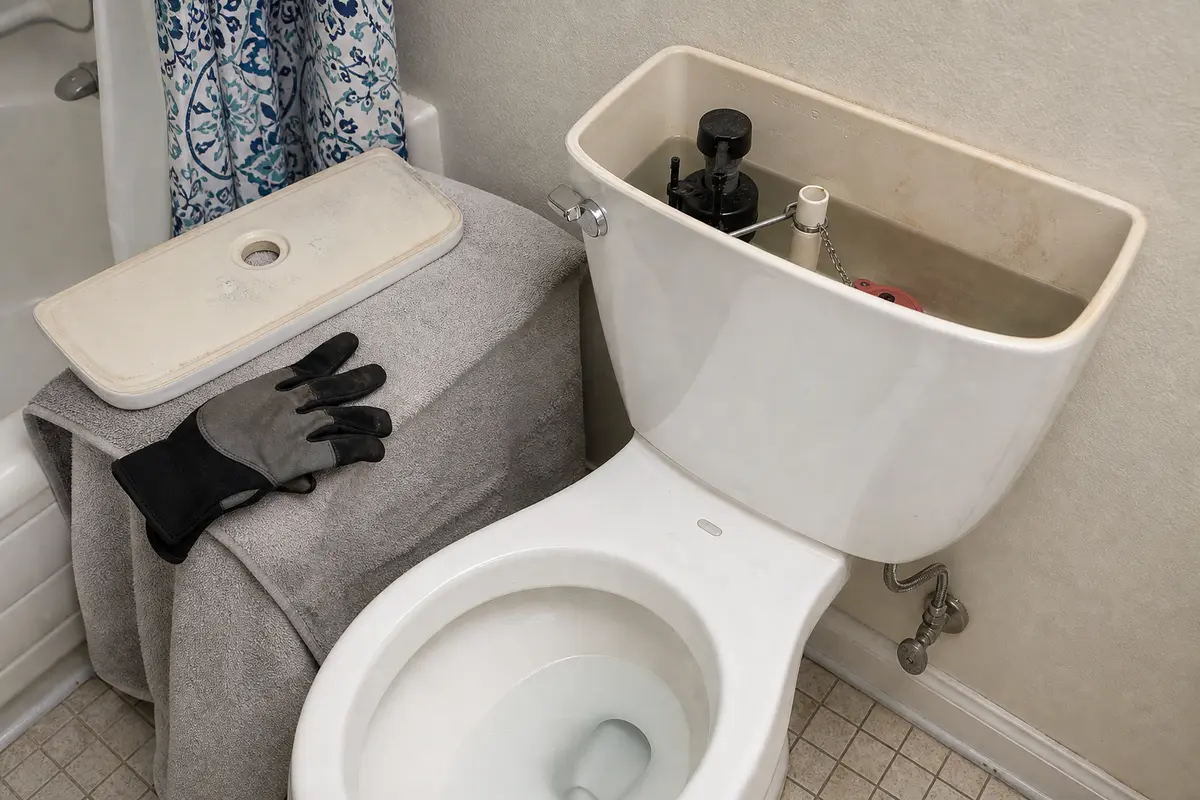
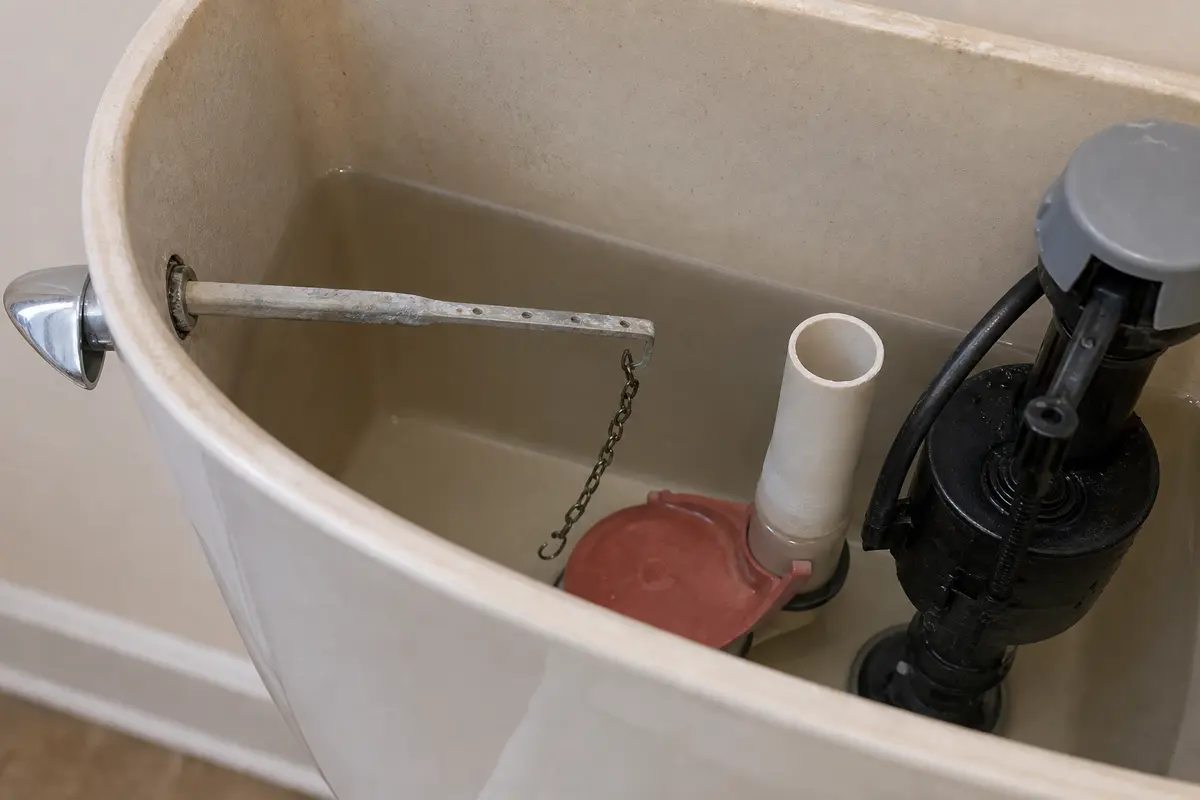
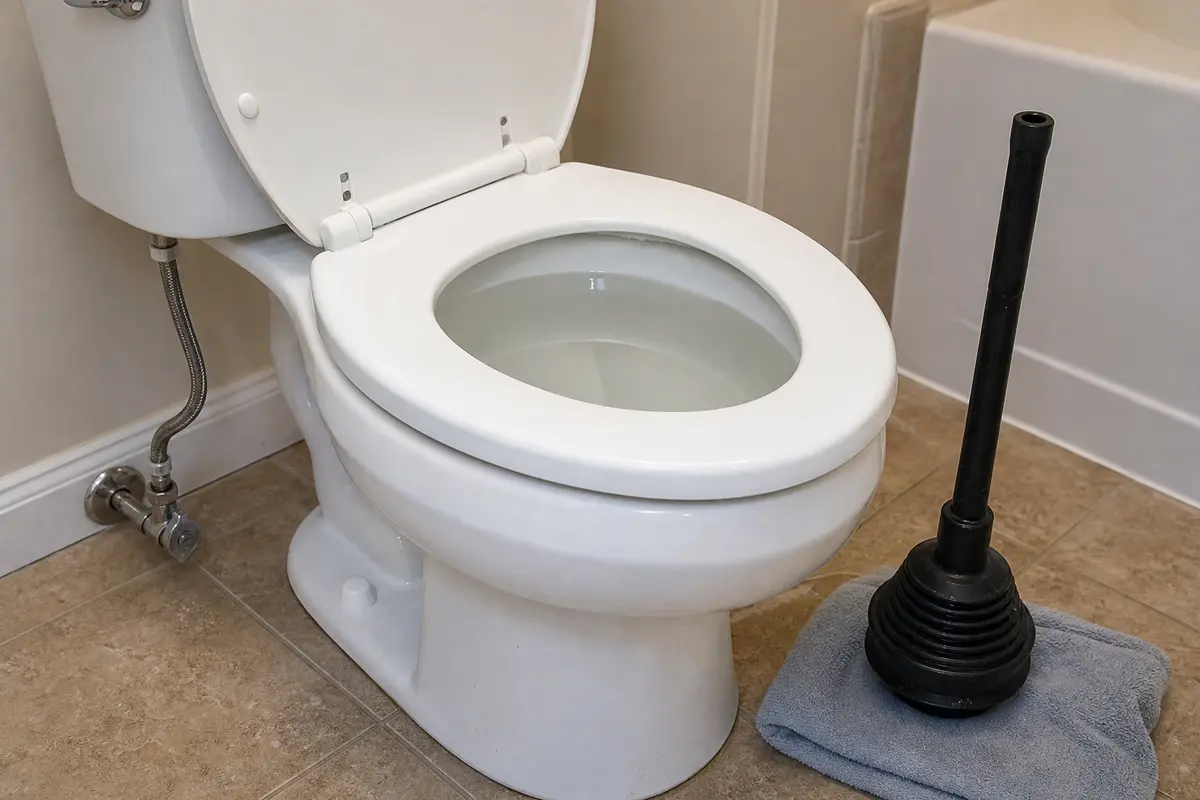
Watch one flush with the tank lid off before shopping. Copy the toilet model when possible and compare the old part shape. Skip full tank kits unless more than one tested part is actually failing.
A toilet that will not flush is either failing to release water from the tank or failing to move water through the bowl path.
A no-flush toilet is easy to misread. Let the first visible clue narrow the repair.
Take the tank lid off, flush once only if the bowl is not high, and watch what moves.
| What you see | What it usually means | Next move |
|---|---|---|
| Handle moves but chain or flapper does not | Trip lever, chain, or handle hardware is the first suspect. | Reconnect or adjust the chain. |
| Flapper lifts only a little | Chain slack or flapper binding. | Shorten slack slightly and clear the flapper path. |
| Tank water sits low | Fill valve, shutoff, or water-level setting is limiting the flush. | Correct tank water level before buying bowl tools. |
| Tank action is normal but bowl water rises | Bowl or trapway clog. | Plunge, then use a toilet auger if isolated. |
| Other drains are slow too | Restriction may be beyond this toilet. | Stop toilet-only repairs and call a plumber. |
Use these when the handle feels loose, the tank water looks low, or the toilet flushes only when you lift the flapper by hand.
Rising bowl water is a clog clue until proven otherwise. Tank parts will not clear a blocked trapway.
These tools support the checks above. Skip tool work if the shutoff leaks, the bowl is overflowing, or other fixtures are backing up.
Paid links. As an Amazon Associate I earn from qualifying purchases. Repair Riot may earn a commission at no extra cost to you.
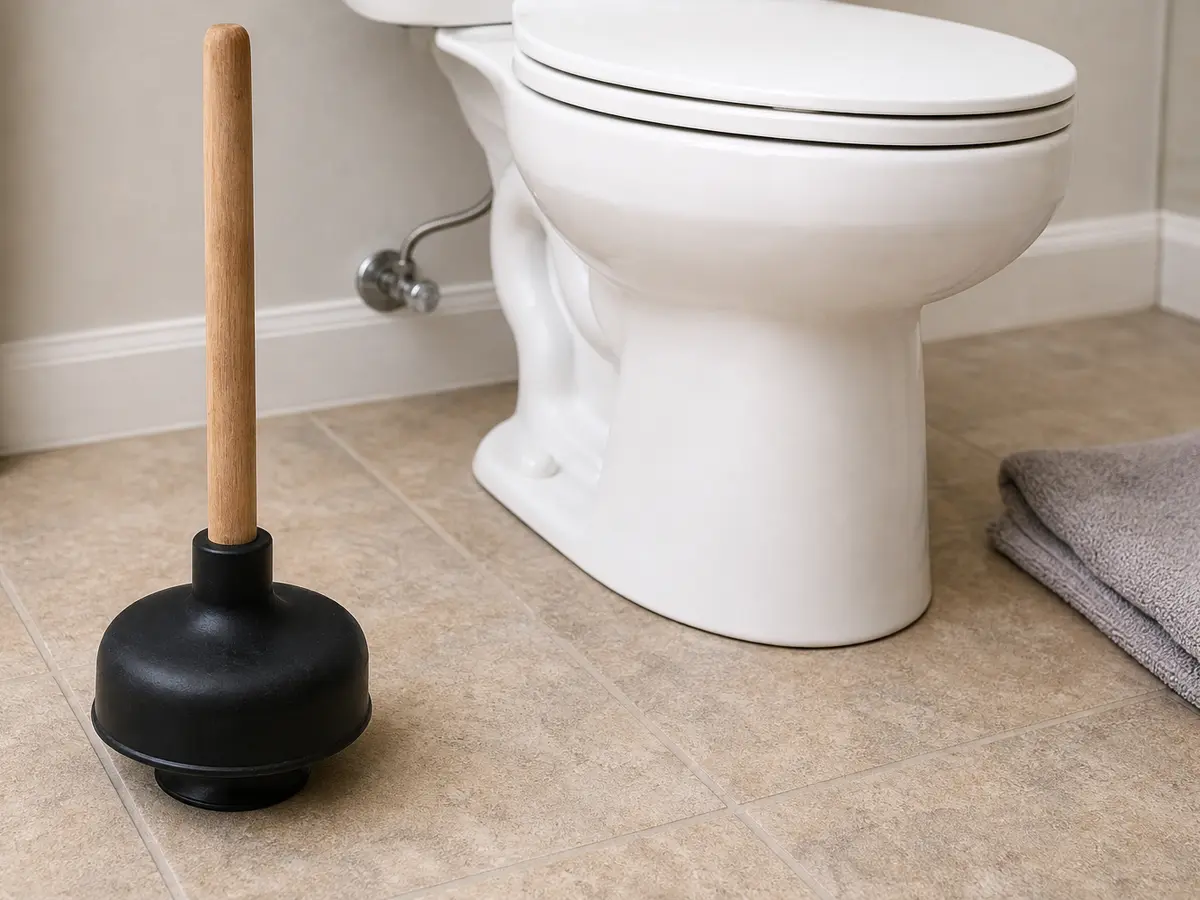
Helps when: Use when the no-flush test includes bowl water rising, slow clearing, or a likely trapway restriction.
Skip it when: Skip using a flat sink plunger or plunging a normal-level bowl when the tank linkage is the proven issue.
Compare toilet plungers on Amazon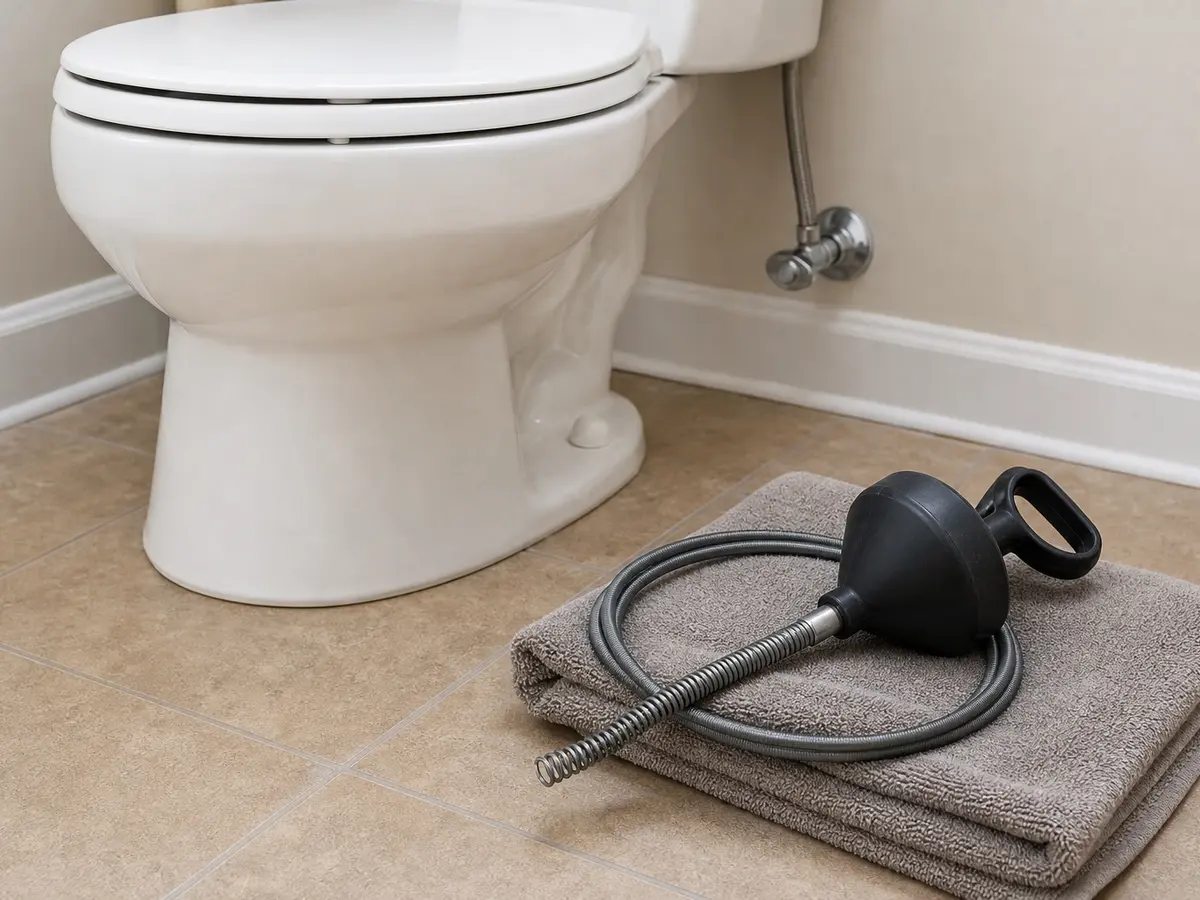
Helps when: Use after a proper plunger attempt if the no-flush test still looks limited to this toilet.
Skip it when: Skip it when more than one fixture is backing up, sewage is present, or the cable binds hard. Stop instead of forcing the cable.
Compare toilet augers on Amazon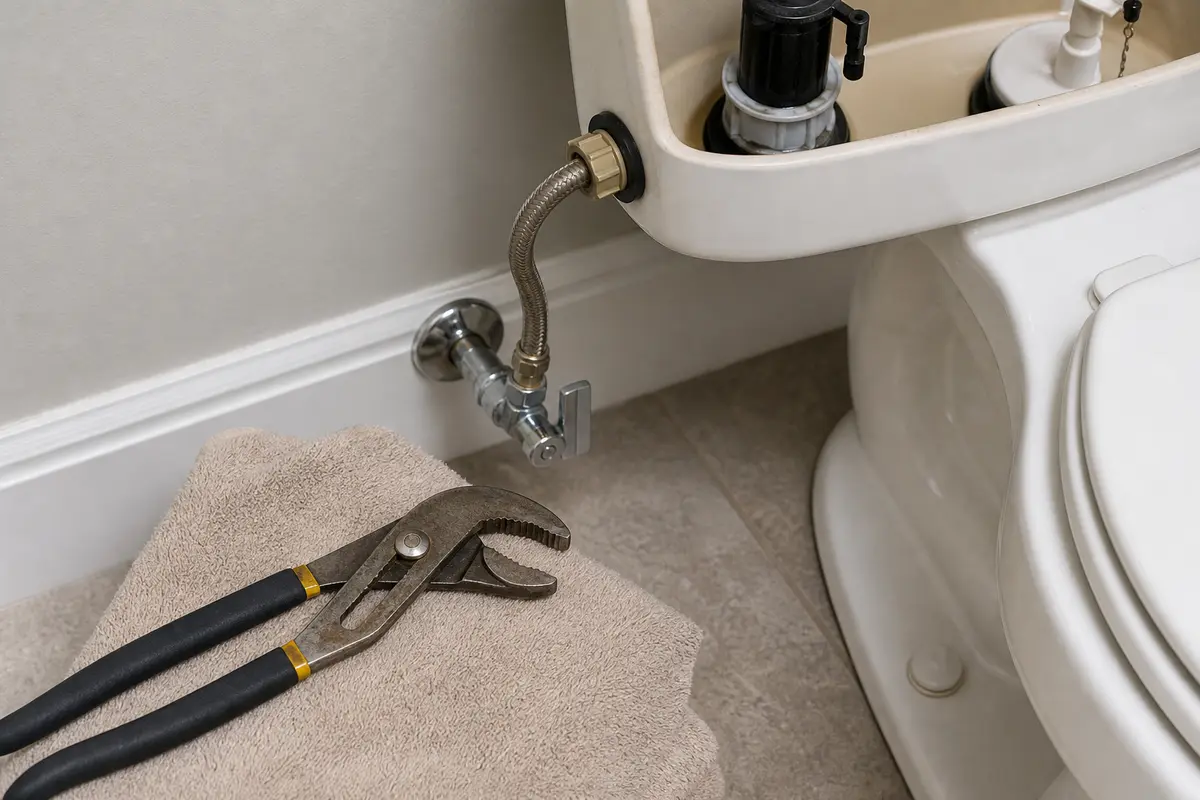
Helps when: Use for a handle nut or tank-part hardware only after the no-flush test points to a part and the water is shut off.
Skip it when: Skip forcing old plastic nuts, a leaking shutoff, or cracked porcelain.
Compare adjustable pliers on Amazon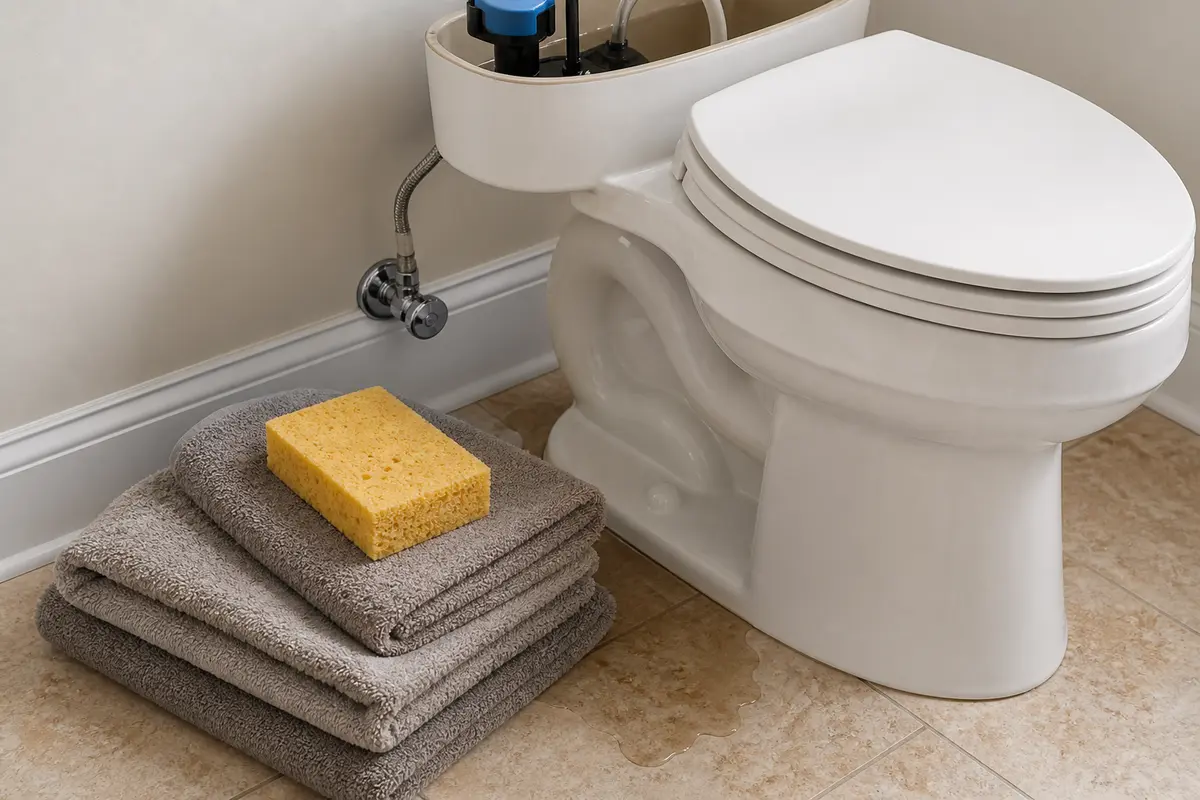
Helps when: Use to protect the floor, set the tank lid down safely, and clean up test water during no-flush checks.
Skip it when: Skip DIY cleanup if water is actively overflowing or sewage is backing up.
Compare gloves and cleanup supplies on AmazonBuy the smallest part the test points to: a failed lever, early flapper drop, low tank water, or a damaged flush valve seat.
Paid links. As an Amazon Associate I earn from qualifying purchases. Repair Riot may earn a commission at no extra cost to you.
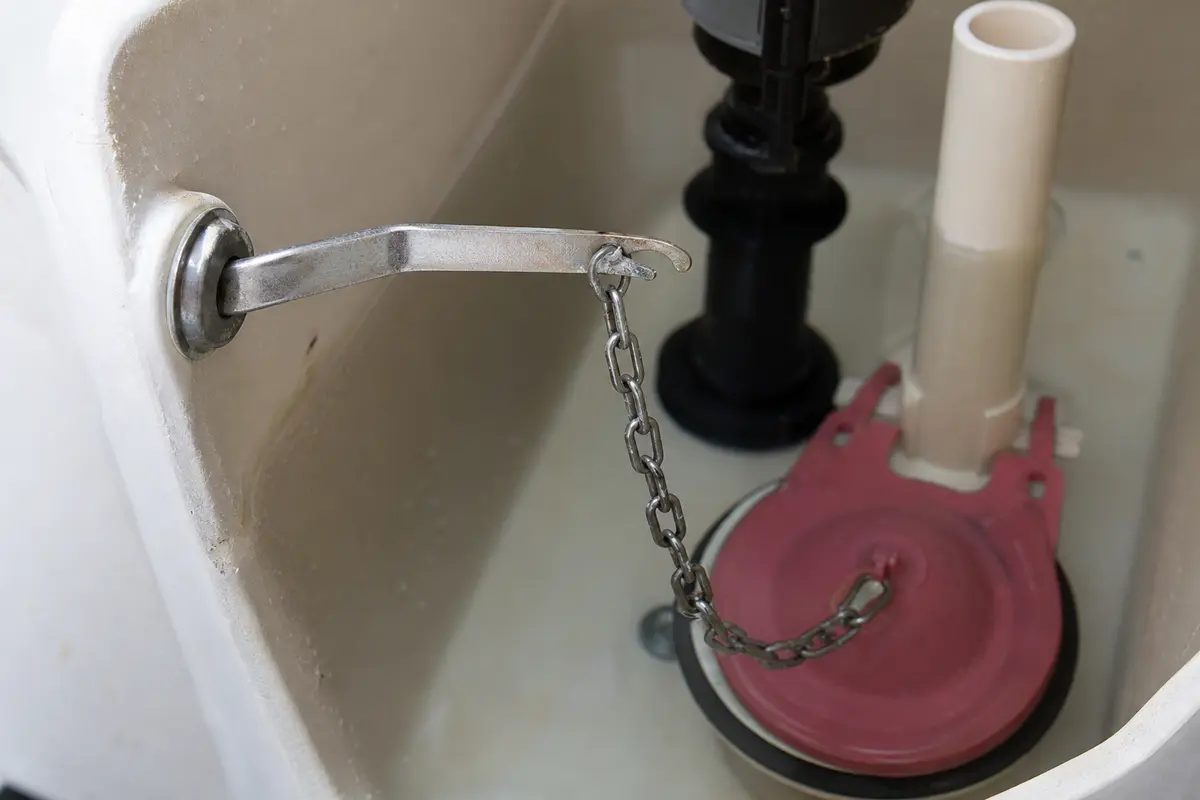
Helps when: Buy this when the no-flush result map shows a loose, bent, corroded, or rubbing handle arm that cannot lift the chain reliably.
Skip it when: Skip it when the lever moves freely and only the chain slack needs adjustment.
Compare toilet trip levers on Amazon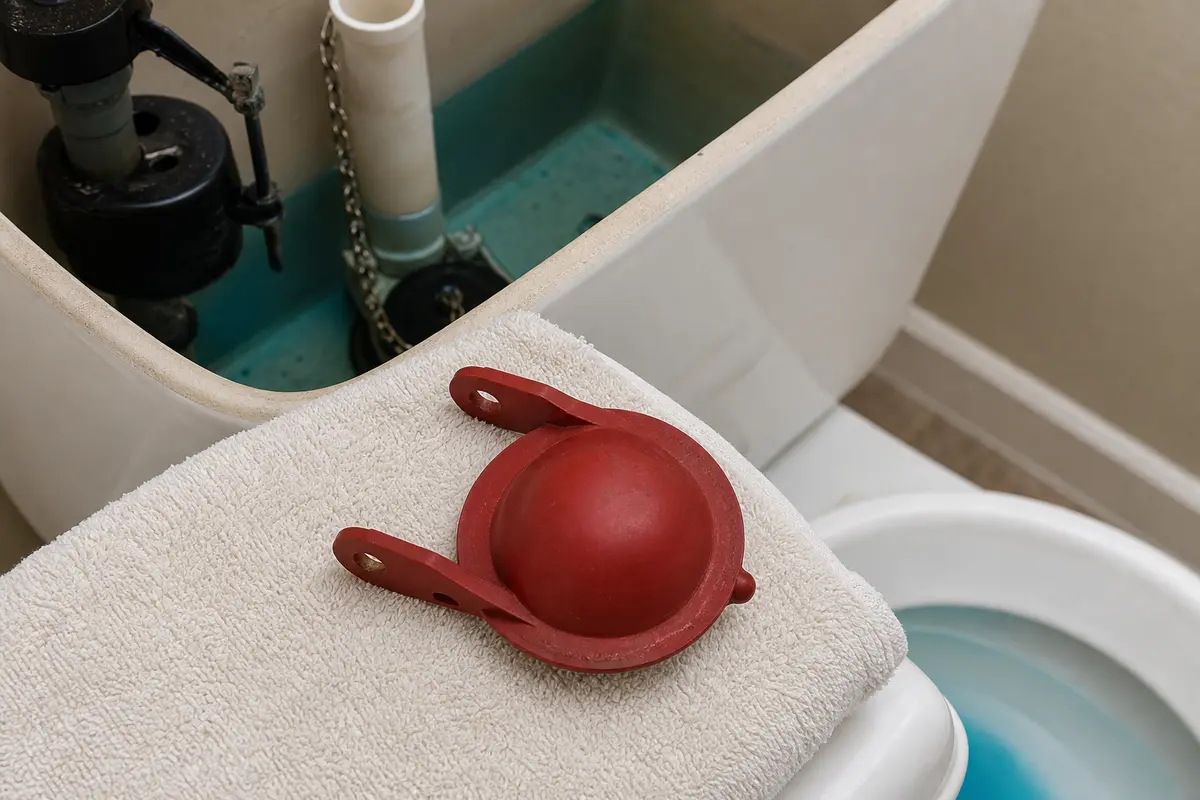
Helps when: Buy this when the no-flush result map shows the flapper is warped, catches, or drops before the tank dumps enough water.
Skip it when: Skip it when the chain only needs adjustment or bowl water rises from a clog.
Compare toilet flappers on Amazon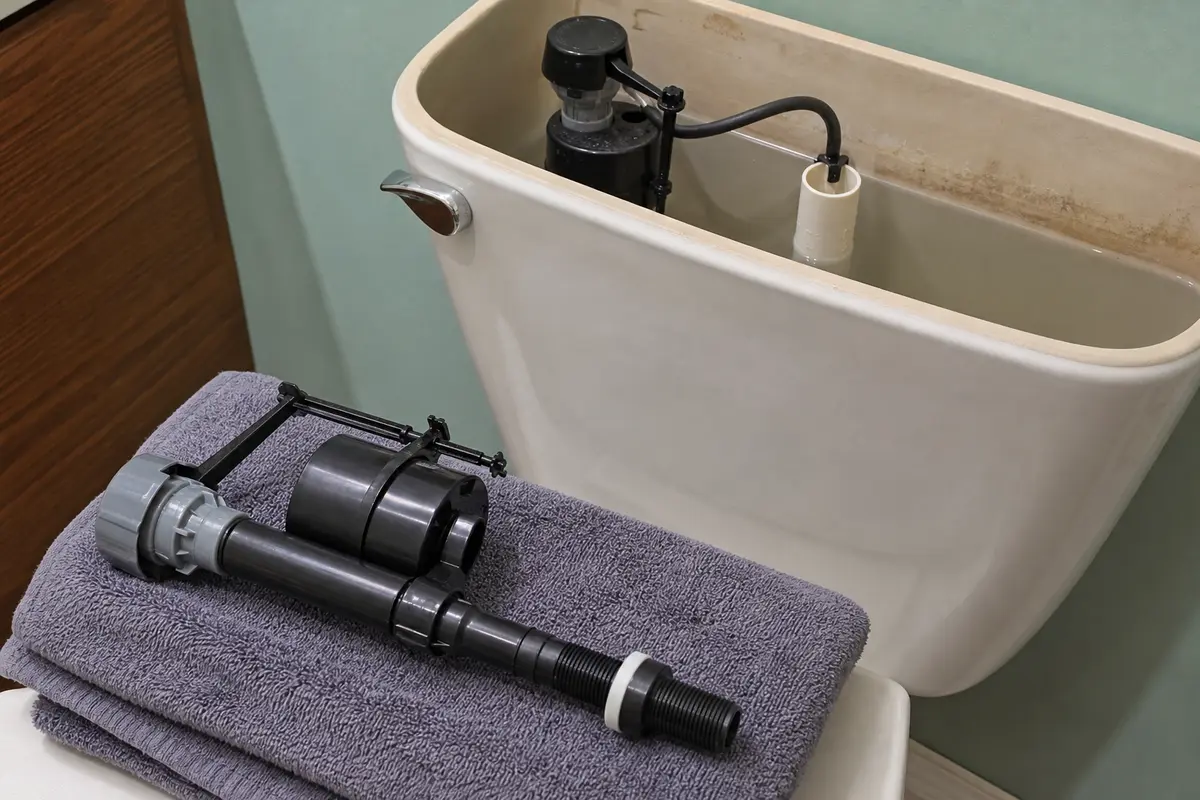
Helps when: Buy this when the no-flush result map proves the tank stays low or refills poorly after the shutoff is fully open.
Skip it when: Skip it when the tank reaches the correct level and the weak flush is bowl-side or flapper-related.
Compare toilet fill valves on Amazon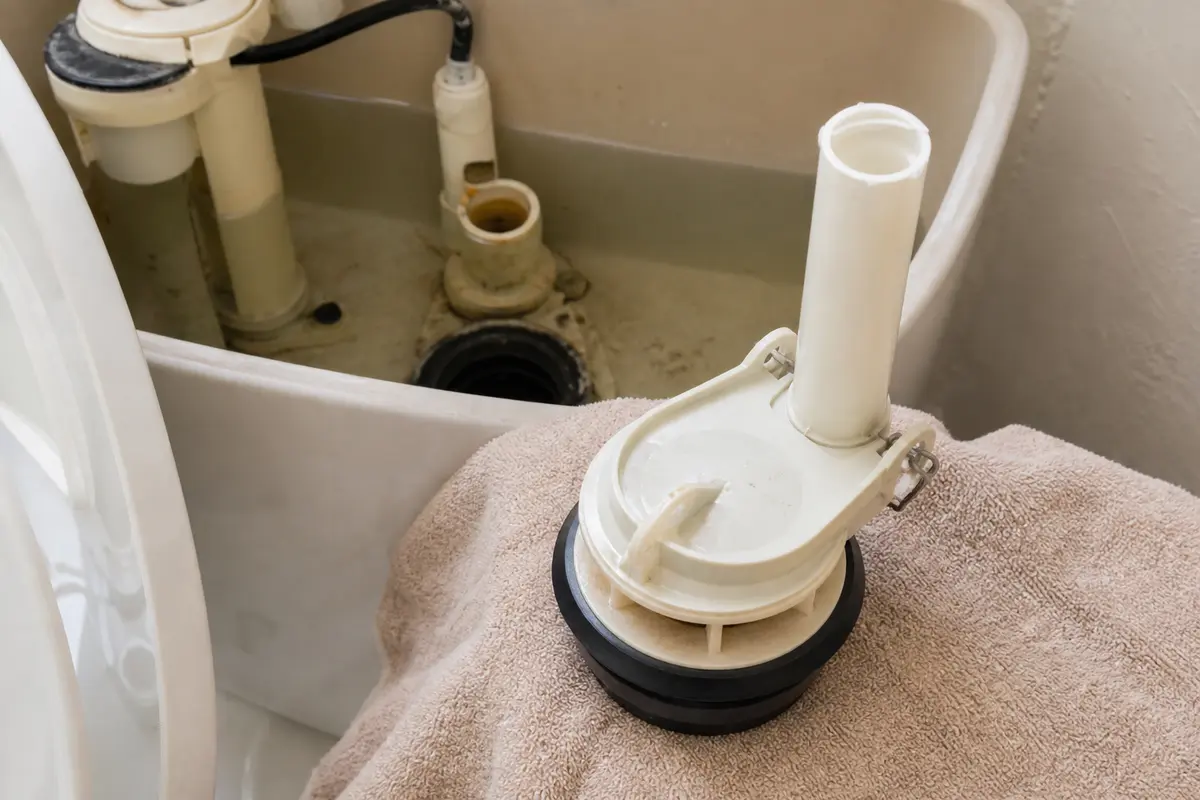
Helps when: Buy this only when the no-flush result map shows a damaged seat, wrong overflow height, or a matched flapper still cannot seal or open correctly.
Skip it when: Skip replacing the flush valve before checking chain slack, water level, flapper condition, and bowl restrictions.
Compare toilet flush valves on AmazonWatch one flush with the lid off. The usual clues are a chain that does not lift, a flapper that barely opens, low tank water, or bowl water rising from a clog.
That usually points to the handle, trip lever, chain length, or flapper lift. Watch the tank parts during one flush attempt, then fix the linkage before treating the toilet like a clog.
Not first. A handle that does nothing usually means the chain, trip lever, or flapper is not moving.
Yes. The tank has to release enough water quickly. Check the shutoff, fill valve, and water-level setting.
Do not flush again while the bowl is high. Let it drop, protect the floor, use a flange plunger, then a toilet auger if needed.
Usually no. Most no-flush problems come from linkage, tank water level, flapper action, or a clog.
The flapper may be closing too soon or the chain may not lift it far enough.
When the bowl rises and drains slowly, a toilet auger will not clear it, or other fixtures are backing up too.
Skip it. Toilet clogs are better handled with a toilet plunger or toilet auger, and chemical cleaner can splash back.
Repair Riot built this page around checks a homeowner can see before removing the toilet. Watch handle movement, chain slack, flapper lift, final tank water level, high bowl water, and nearby fixtures. Those clues decide whether the next step is linkage, tank water, a bowl clog, or a plumber.