Is the tank water below the normal fill line?
Correct the shutoff, fill valve, or water-level setting before bowl work.
A weak toilet flush usually starts with low tank water, clogged rim or siphon jet holes, early flapper drop, or a partial trapway clog. Watch one full flush before buying parts.
If the tank water sits low, correct the fill level first. If the tank fills normally but the bowl swirls weakly, check the rim holes, siphon jet, flapper timing, and partial clog clues.
A weak flush can start in the tank or the bowl. Let the first pattern choose the next check.
Don’t start with: Do not replace the whole toilet or pour drain chemicals into the bowl. Most weak-flush toilets improve after adjustment, cleaning, or one matched tank part.
Correct the shutoff, fill valve, or water-level setting before bowl work.
The flapper may be closing too soon or the chain may be wrong.
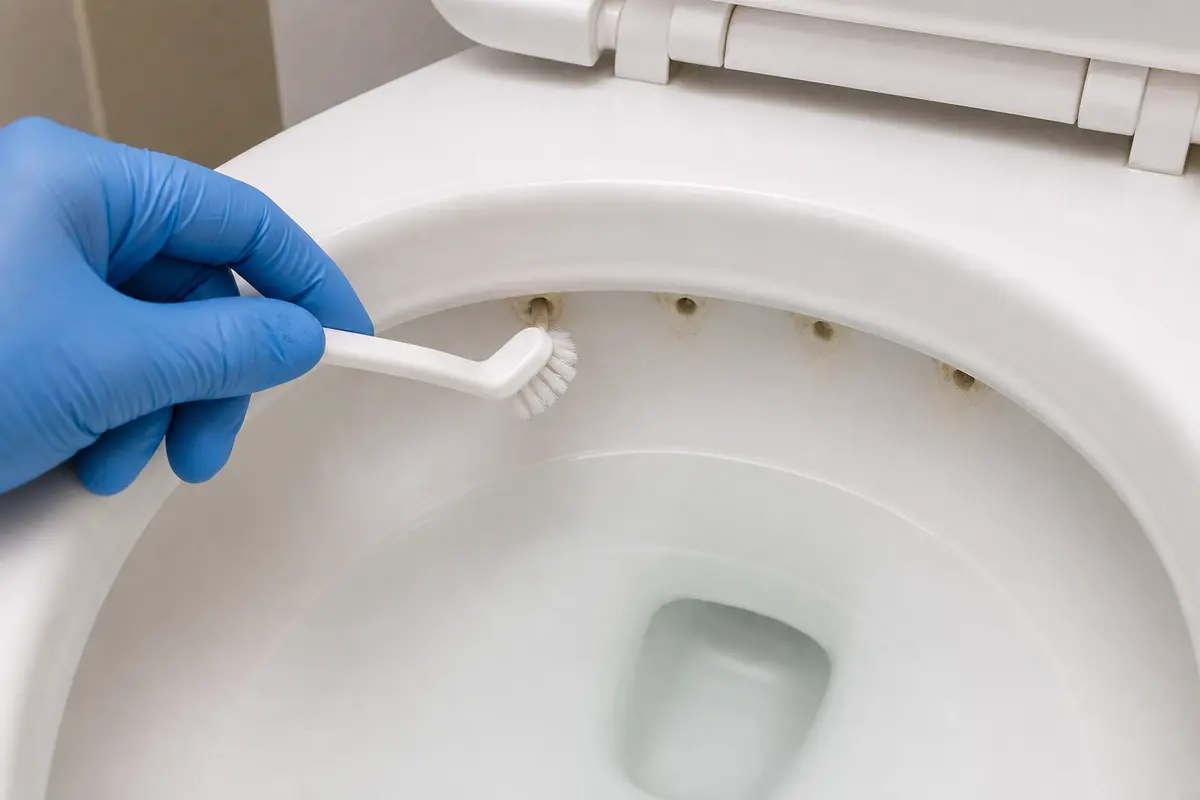
Inspect rim holes, siphon jet, and mineral buildup.
Treat it as a partial clog and use a flange plunger.
Rule out maintenance issues first. Then consider toilet design or replacement.
Low tank water, rim buildup, and early flapper drop create different weak-flush patterns.
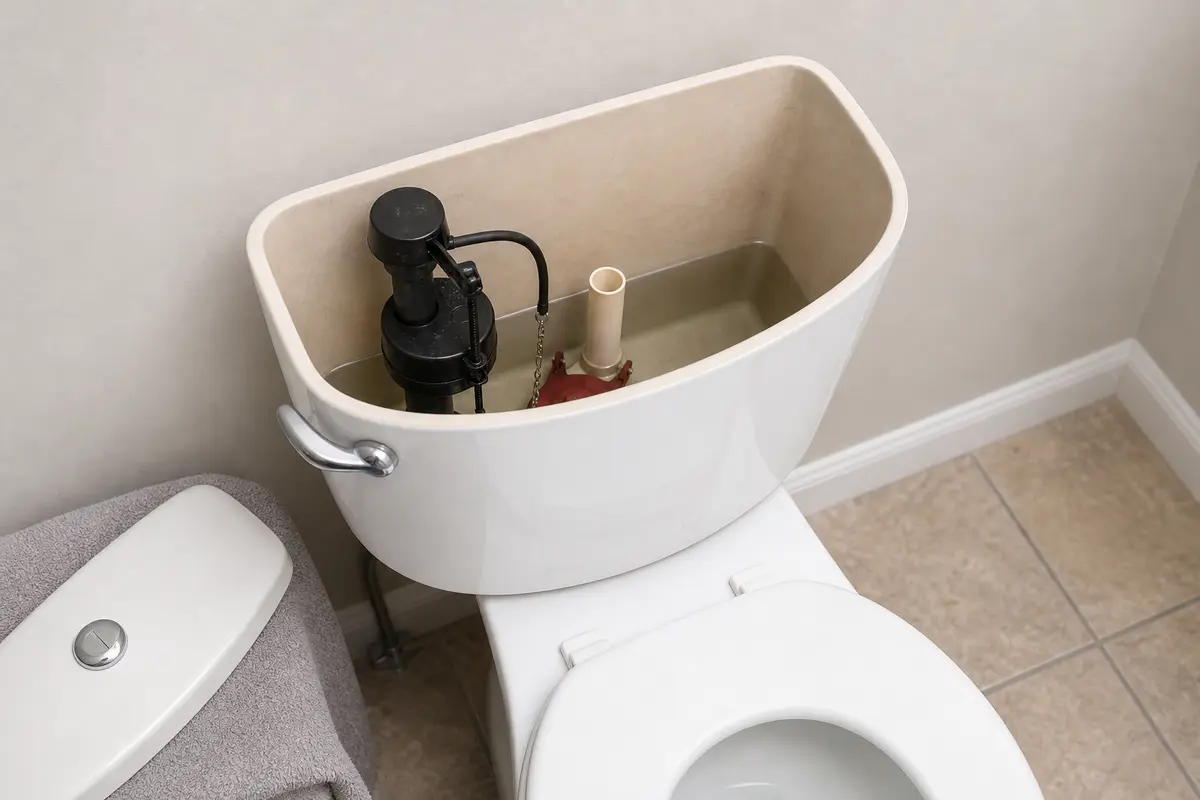
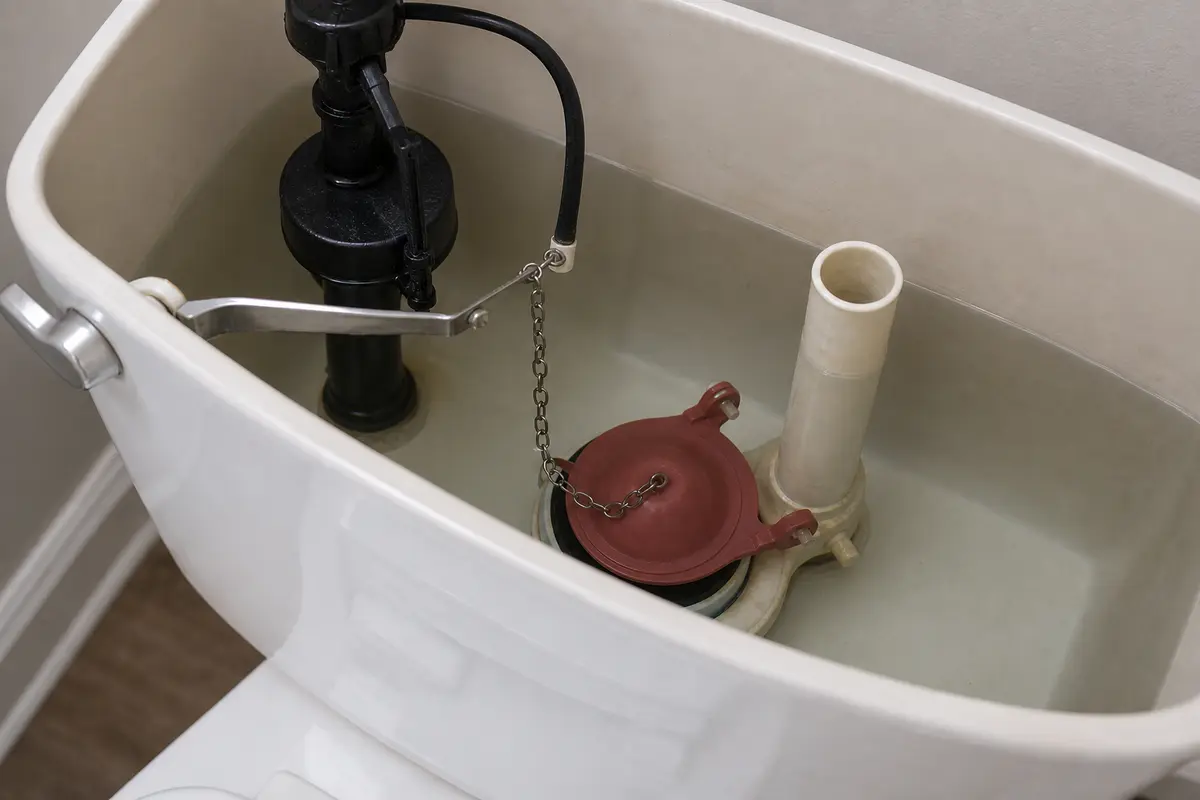
Do not buy a toilet, fill valve, flapper, trip lever, flush valve, plunger, or auger until the weak-flush result map proves the exact diagnosis. Match toilet model, flapper size, fill-valve height, flush-valve size, and tool use to the tested clue.
A weak flush usually means the tank did not deliver enough water fast enough, or the bowl could not move it through cleanly.
A weak flush is broad, so avoid buying parts before the pattern points to one side.
Watch one flush from tank to bowl and match the symptom to the right first move.
| What you see | What it usually means | Next move |
|---|---|---|
| Tank water refills low | Fill valve, shutoff, refill setup, or water-level adjustment problem. | Correct tank level before bowl work. |
| Flapper drops while tank still has water | Chain slack, wrong flapper, or flapper float/timing issue. | Adjust chain and match the flapper. |
| Full tank, weak bowl swirl | Rim holes or siphon jet may be restricted. | Clean with a nonmetal tool and retest. |
| Bowl water rises before clearing | Partial trapway clog. | Use a flange plunger, then a toilet auger if isolated. |
| Other fixtures are slow | Drain issue beyond this toilet. | Stop toilet-only repairs and call a plumber. |
Low water and early flapper drop are easy to miss if you only watch the bowl.
If the tank delivers water correctly, the bowl passage or jet openings may be limiting the flush.
Use tools only after the result map points to bowl cleaning, a partial clog, or tank hardware.
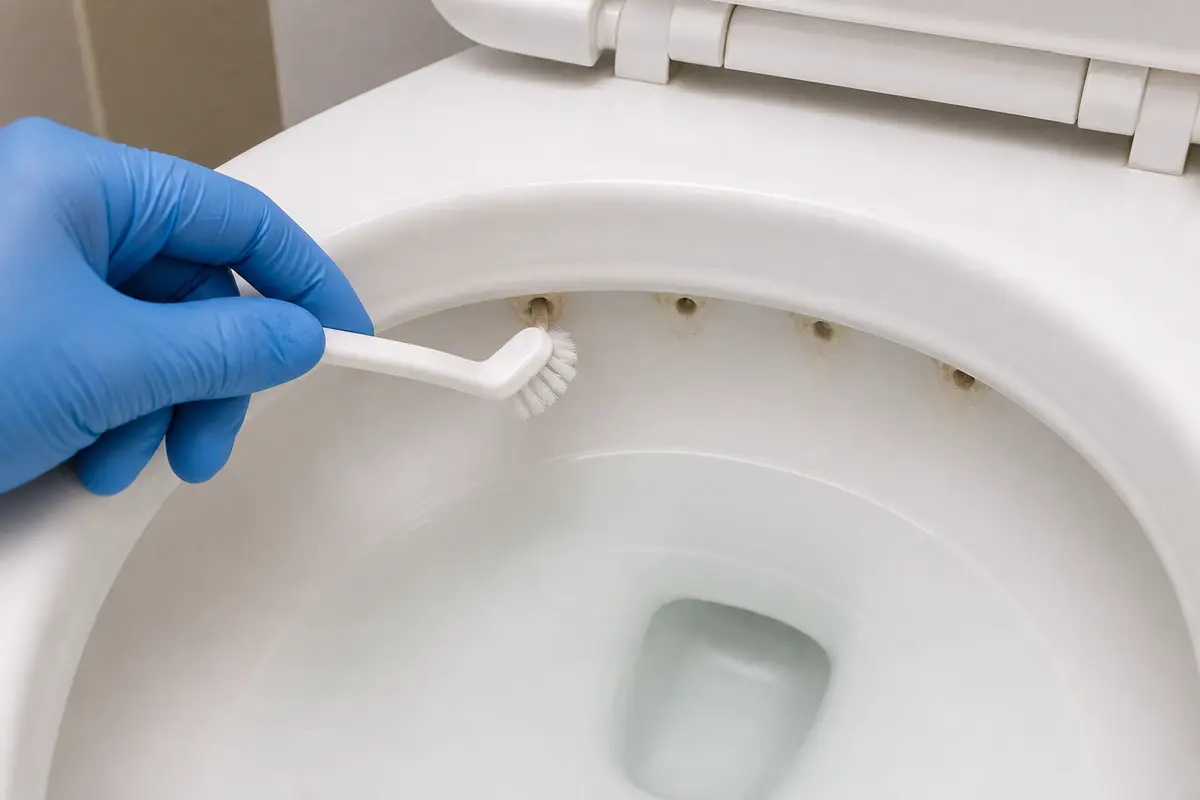
Helps when: Use to clear light mineral buildup from rim holes and the siphon jet without scratching the porcelain.
Skip it when: Skip wire brushes, harsh scraping, or chemicals that conflict with the toilet surface or tank parts.
Compare toilet rim cleaning brushes on Amazon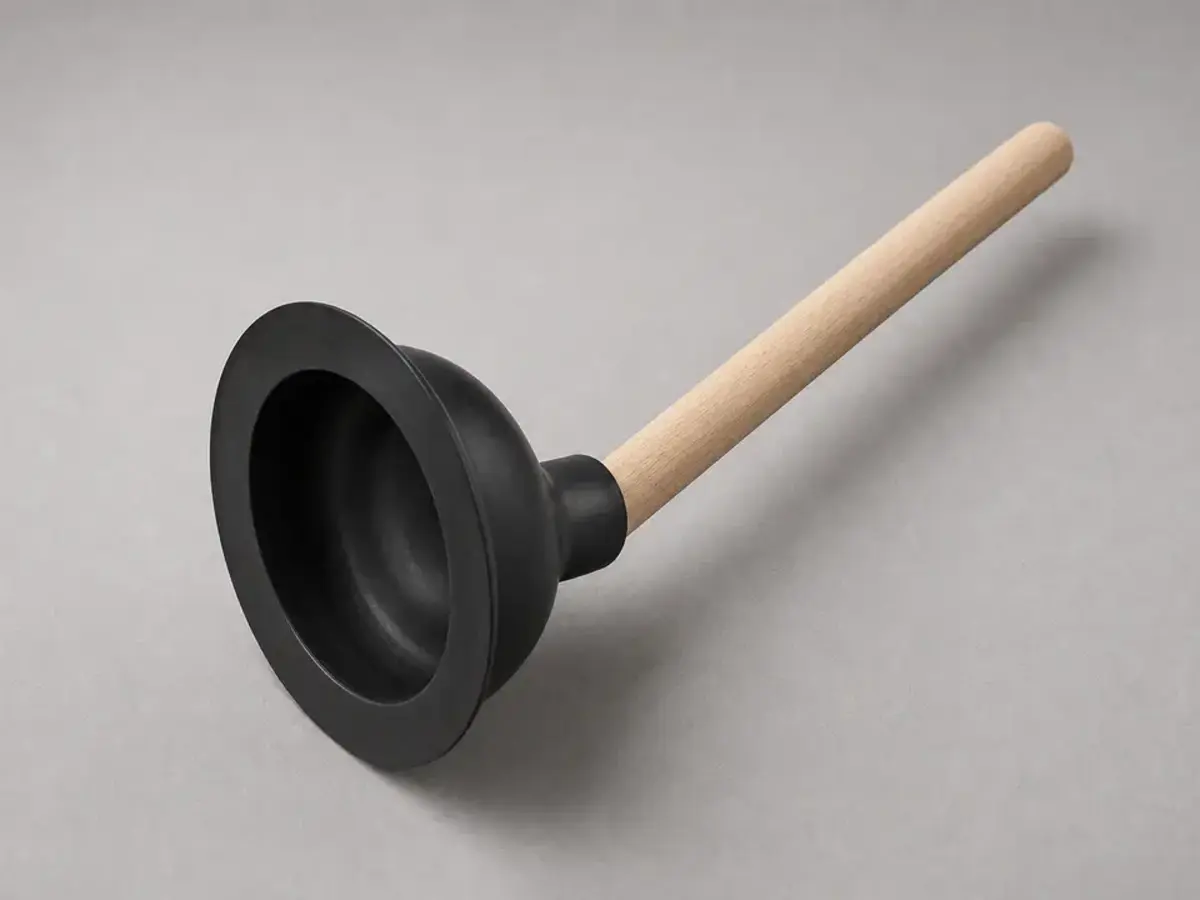
Helps when: Use when the weak-flush result map includes bowl water rising, slow clearing, or a likely trapway restriction.
Skip it when: Skip using a flat sink plunger or plunging a normal-level bowl when the tank linkage is the proven issue.
Compare toilet plungers on Amazon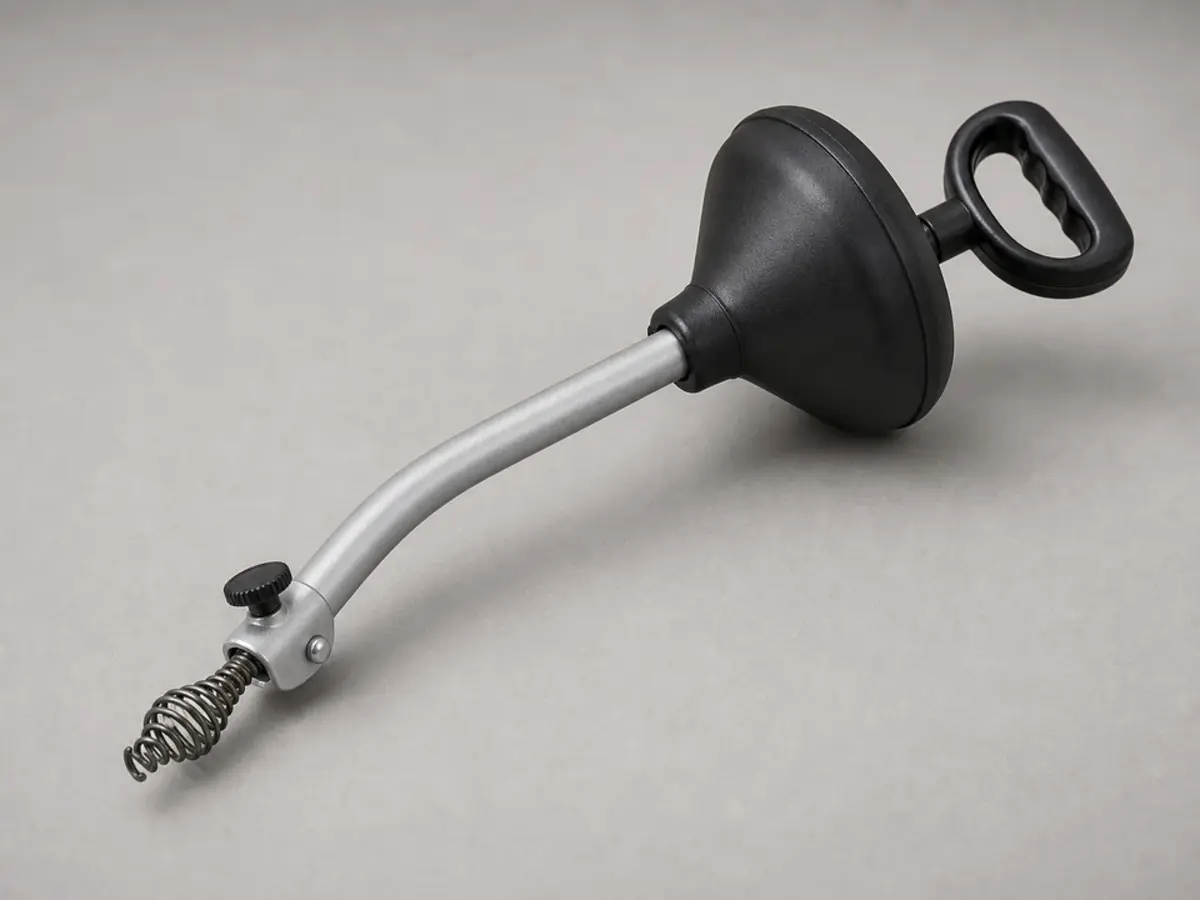
Helps when: Use after a proper plunger attempt if the weak-flush result map still looks limited to this toilet.
Skip it when: Skip using it when more than one fixture is backing up, sewage is present, or the cable binds hard.
Compare toilet augers on Amazon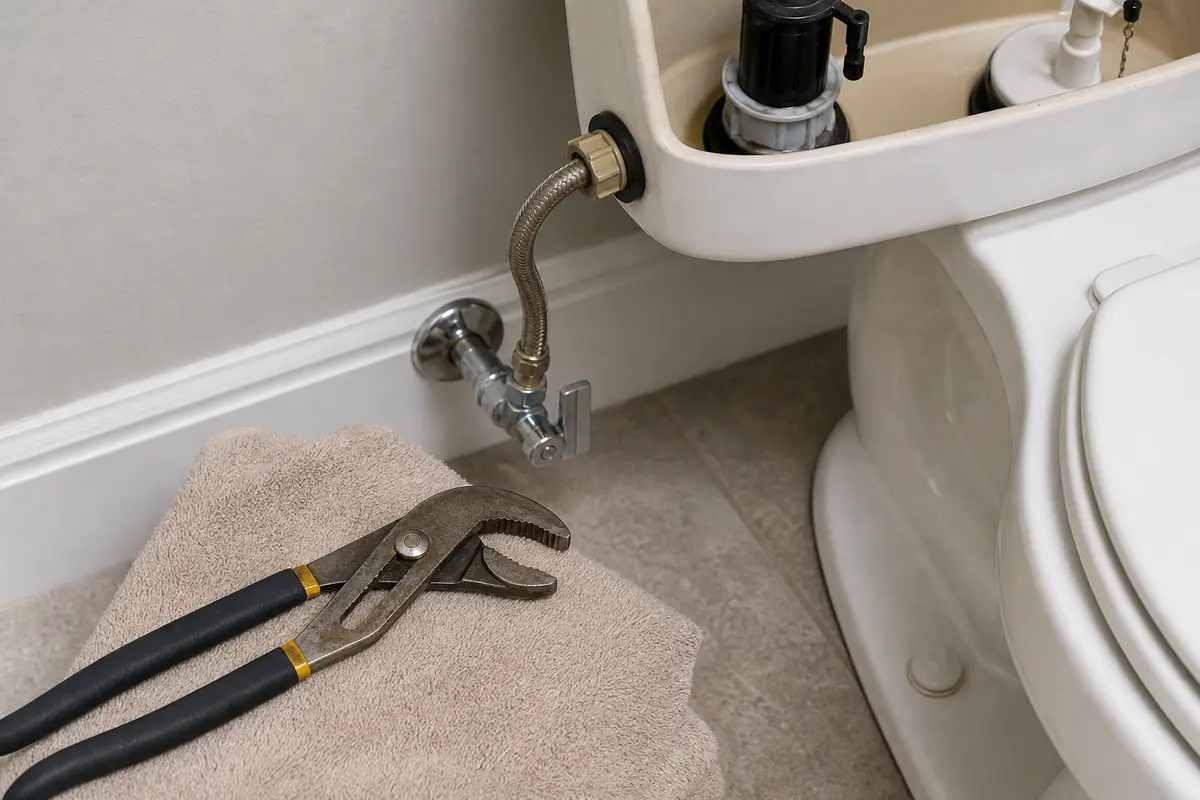
Helps when: Use for a handle nut or tank-part hardware only after the weak-flush result map points to a part and the water is shut off.
Skip it when: Skip forcing old plastic nuts, a leaking shutoff, or cracked porcelain.
Compare adjustable pliers on AmazonAs an Amazon Associate I earn from qualifying purchases. Repair Riot may earn a commission at no extra cost to you.
Buy only after the test points to a failed tank function. Match size, height, mounting style, and toilet model where possible.
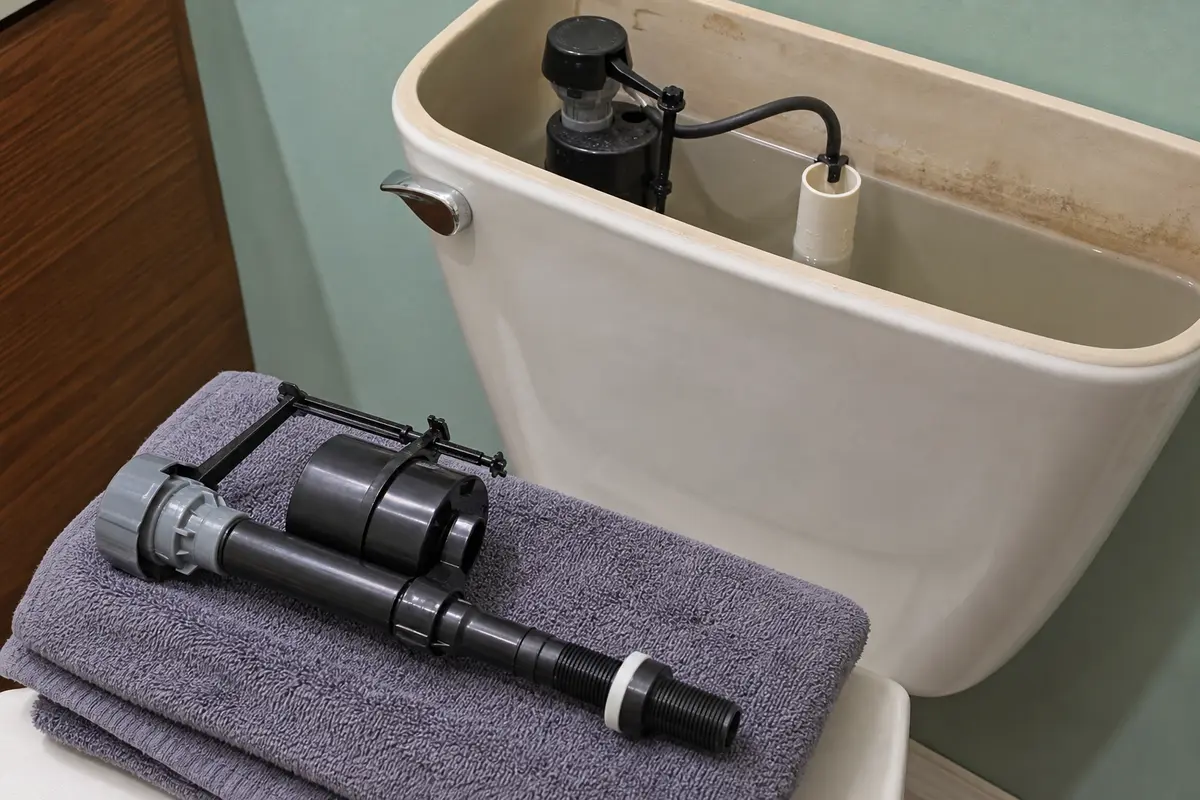
Helps when: Buy this when the weak-flush result map proves the tank stays low or refills poorly after the shutoff is fully open.
Skip it when: Skip it when the tank reaches the correct level and the weak flush is bowl-side or flapper-related.
Compare toilet fill valves on Amazon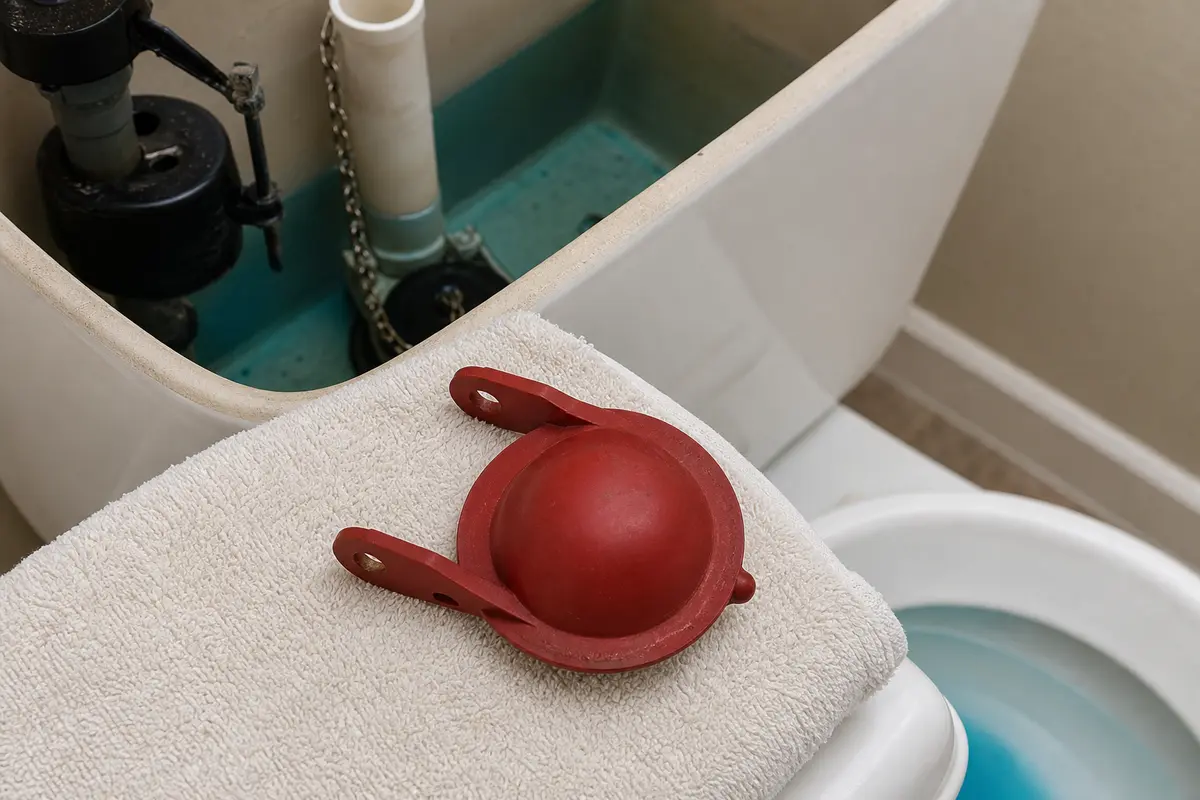
Helps when: Buy this when the weak-flush result map shows the flapper is warped, catches, or drops before the tank dumps enough water.
Skip it when: Skip it when the chain only needs adjustment or bowl water rises from a clog.
Compare toilet flappers on Amazon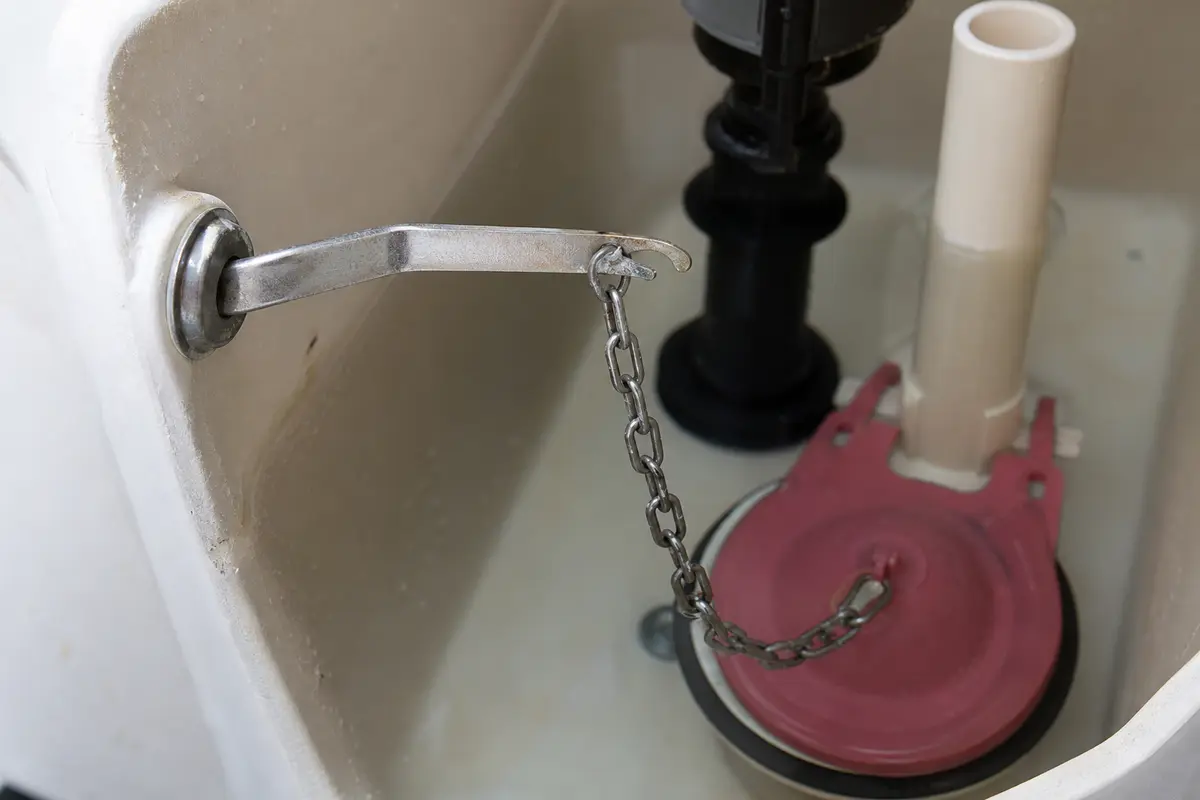
Helps when: Buy this when the weak-flush result map shows a loose, bent, corroded, or rubbing handle arm that cannot lift the chain reliably.
Skip it when: Skip it when the lever moves freely and only the chain slack needs adjustment.
Compare toilet trip levers on Amazon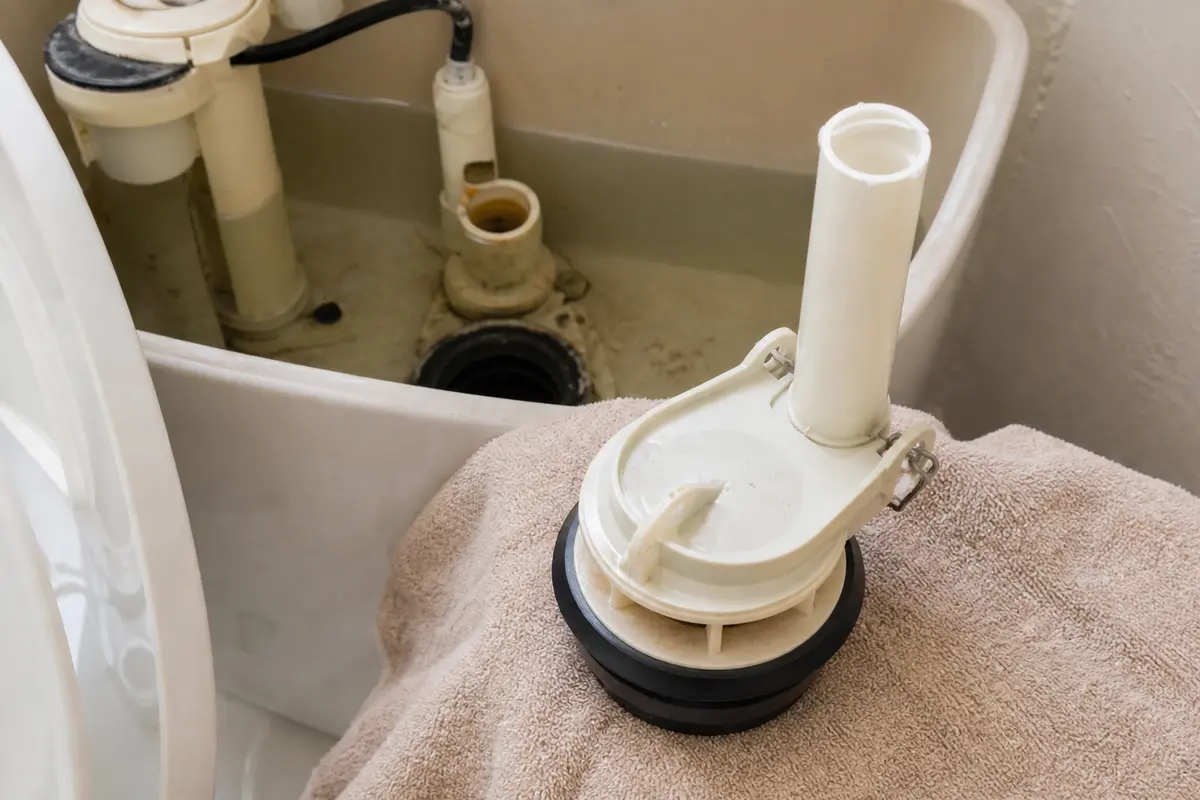
Helps when: Buy this only when the weak-flush result map shows a damaged seat, wrong overflow height, or a matched flapper still cannot seal or open correctly.
Skip it when: Skip replacing the flush valve before checking chain slack, water level, flapper condition, and bowl restrictions.
Compare toilet flush valves on AmazonAs an Amazon Associate I earn from qualifying purchases. Repair Riot may earn a commission at no extra cost to you.
If the tank is full, check the rim holes, siphon jet, flapper timing, and partial clog clues. A full tank does not prove the bowl is receiving or moving water correctly.
Yes. If the flapper drops too soon, the tank does not release enough water fast enough.
Low tank water usually gives a weak swirl without the bowl rising much. A partial clog often makes the bowl water climb before it drains away.
Yes. Mineral scale can clog rim holes and the siphon jet, reducing bowl wash and flush force.
Use a flange-style toilet plunger, not a flat sink plunger. It seals better in the toilet outlet.
Only if the tank stays low or refills poorly after the shutoff is fully open and basic adjustment fails.
Use one after a proper flange-plunger attempt when the weak flush includes bowl water rising and the problem is isolated to this toilet.
Consider replacement only after water level, flapper timing, rim and siphon jet buildup, and partial clog checks are ruled out or the toilet has always performed poorly.
This guide separates weak toilet flushes by tank delivery, bowl jet flow, flapper timing, and partial clog behavior so the buying path follows the tested failure point.