Only one burner has weak spark?
Clean, dry, and center that burner, then inspect the local electrode and lead.
Before replacing a Thermomate cooktop spark igniter, start with the burner cap, ports, moisture, and one-burner spark pattern. A cracked ceramic electrode or damaged lead is the usual buy signal.
A single weak burner usually means cap alignment, soil, moisture, electrode damage, or a local switch. Every burner failing points higher in the ignition system.
Use one clean, dry burner comparison before ordering an electrode.
Don’t start with: Do not keep opening the gas valve if the burner will not light or you smell gas after the knob is off.
Clean, dry, and center that burner, then inspect the local electrode and lead.
That is usually not one spark igniter. Look at shared power, module, or service wiring.
Give moisture a real chance to dry before buying parts.
A model-matched cooktop spark electrode becomes a reasonable replacement.
Use the burner stack and electrode area first. Those visible parts tell you whether this is cleaning, alignment, or a real igniter replacement.
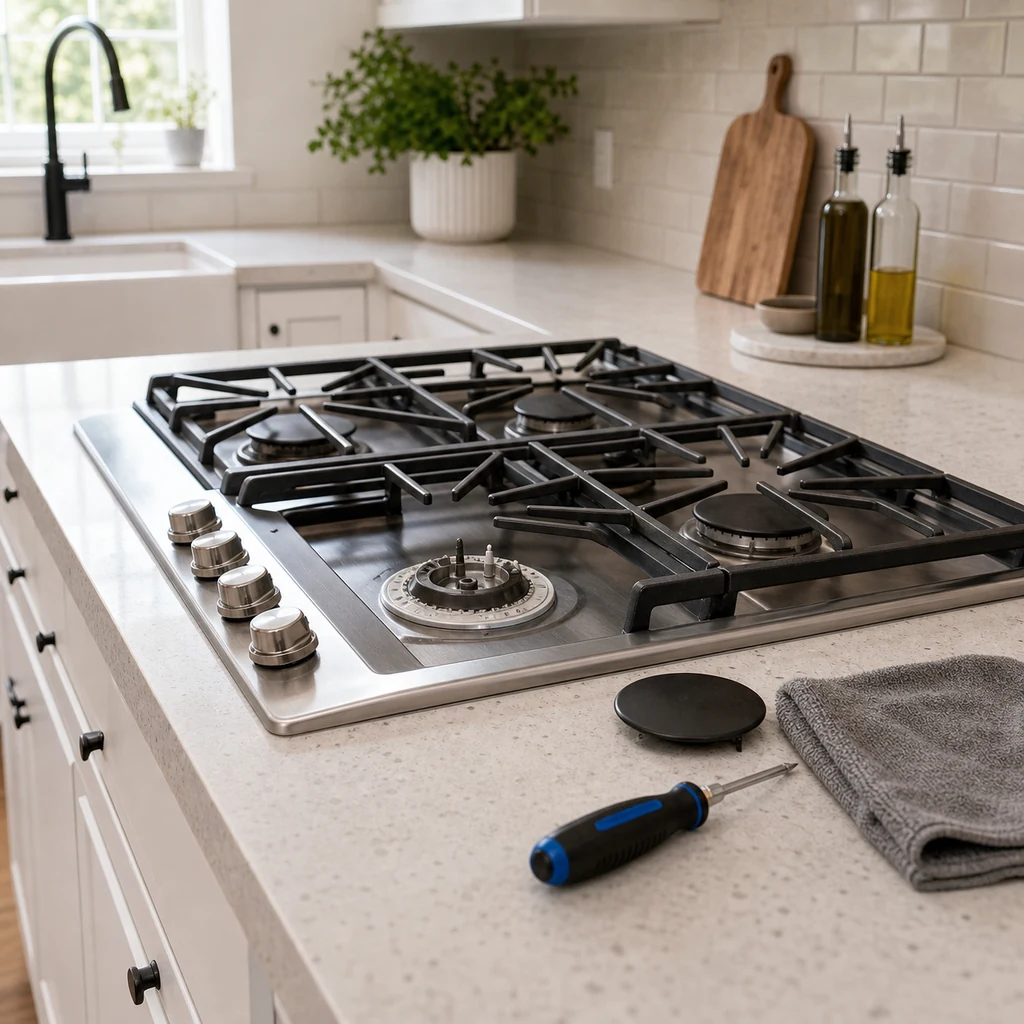
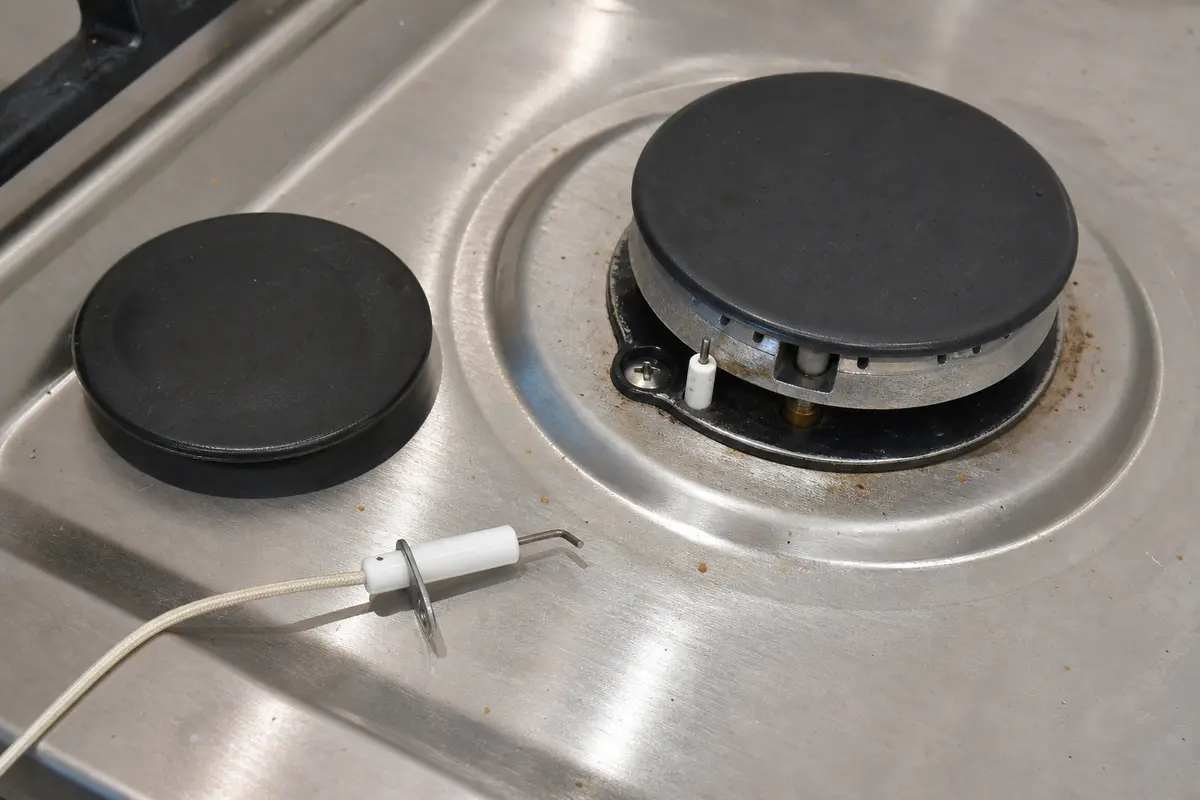
Confirm one-burner failure, photograph the rating label, and match burner location, ceramic length, bracket, lead connector, and tip position. If more than one burner acts wrong, solve the shared ignition problem first.
A Thermomate cooktop spark igniter replacement is only the right move after the burner cap, ports, moisture, and knob switch stop being better explanations.
Do not turn a weak spark into a parts order before the simple burner checks are done. Most bad guesses happen after cleaning or after a cap was set back slightly off center.
Use one cool, clean burner cycle to sort the failure. The goal is to prove whether the electrode is bad or just being hidden by cap position, soil, or moisture.
| What you see | What it usually means | Best next move |
|---|---|---|
| Spark jumps to the burner cap after drying | Moisture or soil was steering the spark | Clean, dry, and reinstall the burner stack before buying parts. |
| No spark at one burner, others click normally | Local electrode, lead, or switch fault | Inspect the bad burner electrode and compare knob switch behavior. |
| Weak orange spark at one burner | Dirty, cracked, loose, or mispositioned electrode | Look closely at the ceramic and bracket before ordering. |
| All burners are dead | Shared power, module, or control issue | Stop the single-igniter path and diagnose the shared ignition circuit. |
| Clicking continues after lighting | Switch, moisture, or module behavior | Dry the switches if recently cleaned; call service if it continues. |
The safest order is model tag, burner location, old part shape, then listing. A right-looking electrode can still be wrong if the ceramic length or wire end is different.
Paid links. As an Amazon Associate I earn from qualifying purchases. Repair Riot may earn a commission at no extra cost to you.
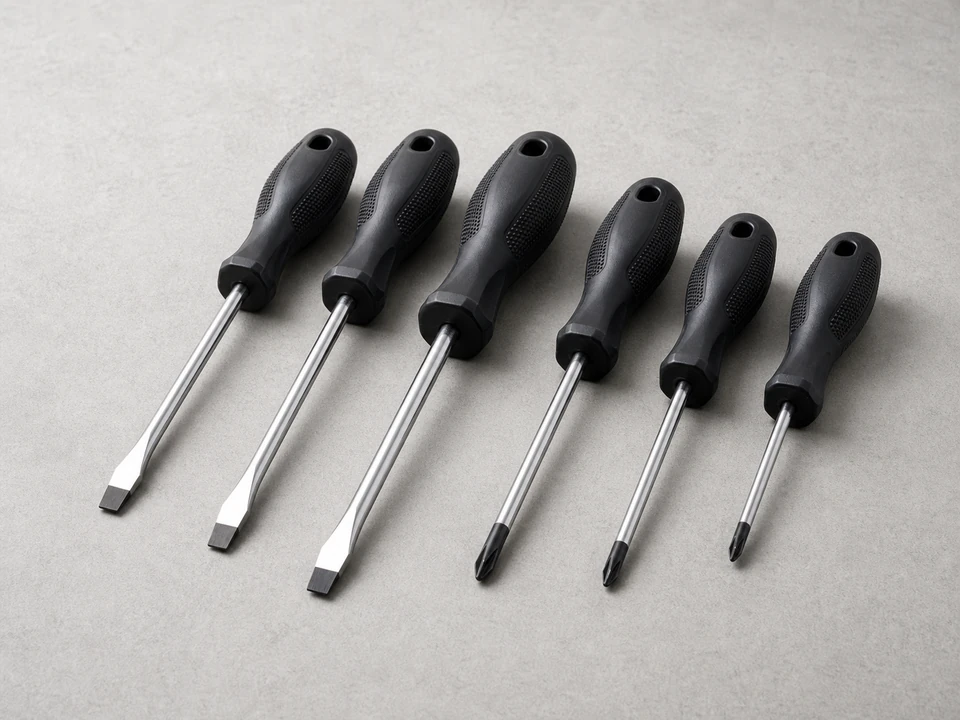
Helps when: The burner cap and trim pieces are already cool and the model allows ordinary top-side access.
Skip it when: Access requires lifting the cooktop, disconnecting gas tubing, or forcing clips that do not release.
Compare screwdriver sets on Amazon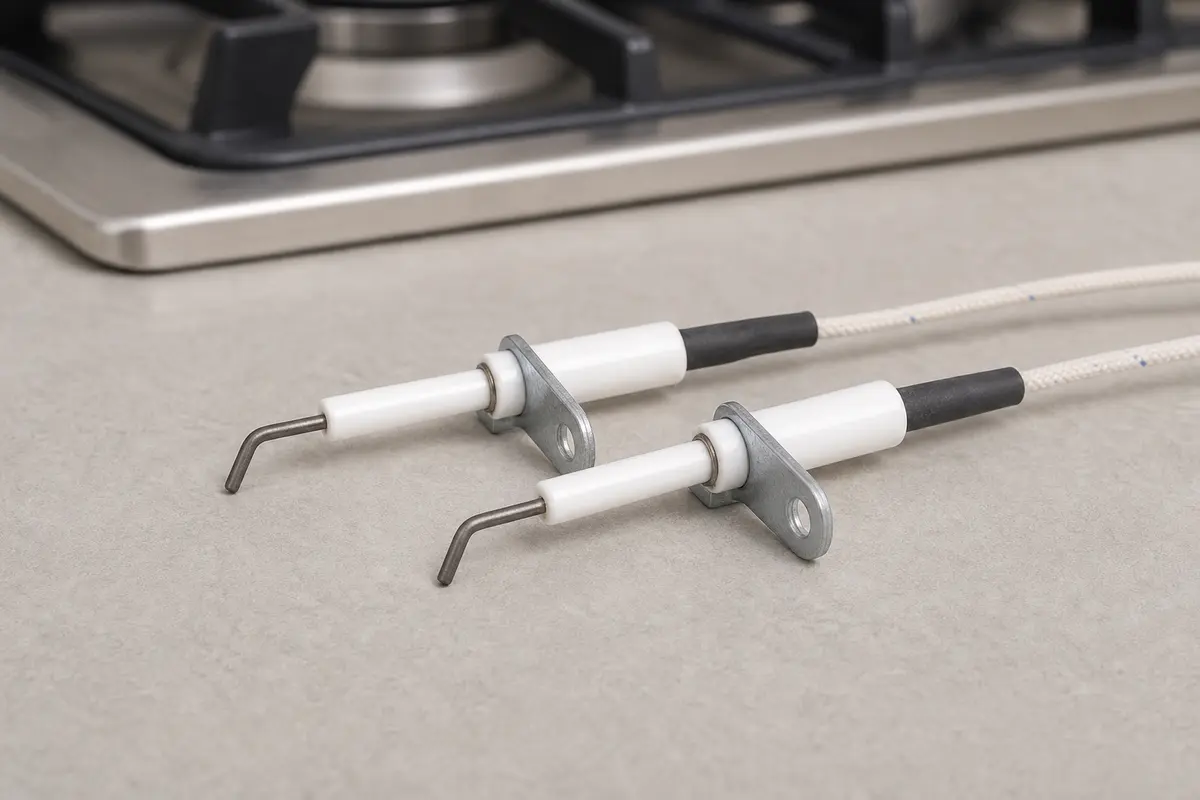
Helps when: The bad burner has a cracked ceramic, damaged tip, or confirmed local electrode failure.
Skip it when: The burner was wet, the cap is misaligned, or all burners fail together.
Compare cooktop spark electrodes on AmazonPaid links. As an Amazon Associate I earn from qualifying purchases. Repair Riot may earn a commission at no extra cost to you.
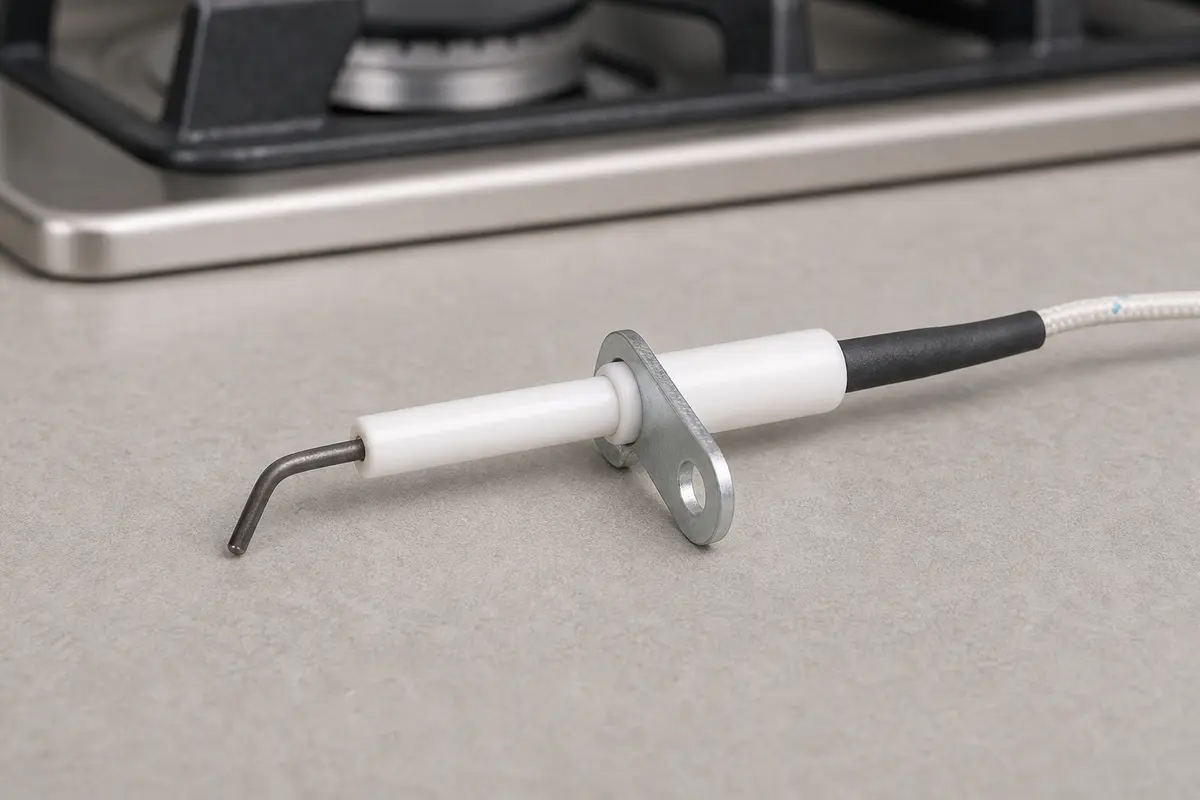
Helps when: One burner has no or weak spark after the burner is clean, dry, centered, and the old electrode shows damage.
Skip it when: The spark module does not click on any burner or the listing does not match your full model number.
Compare spark igniter electrodes on Amazon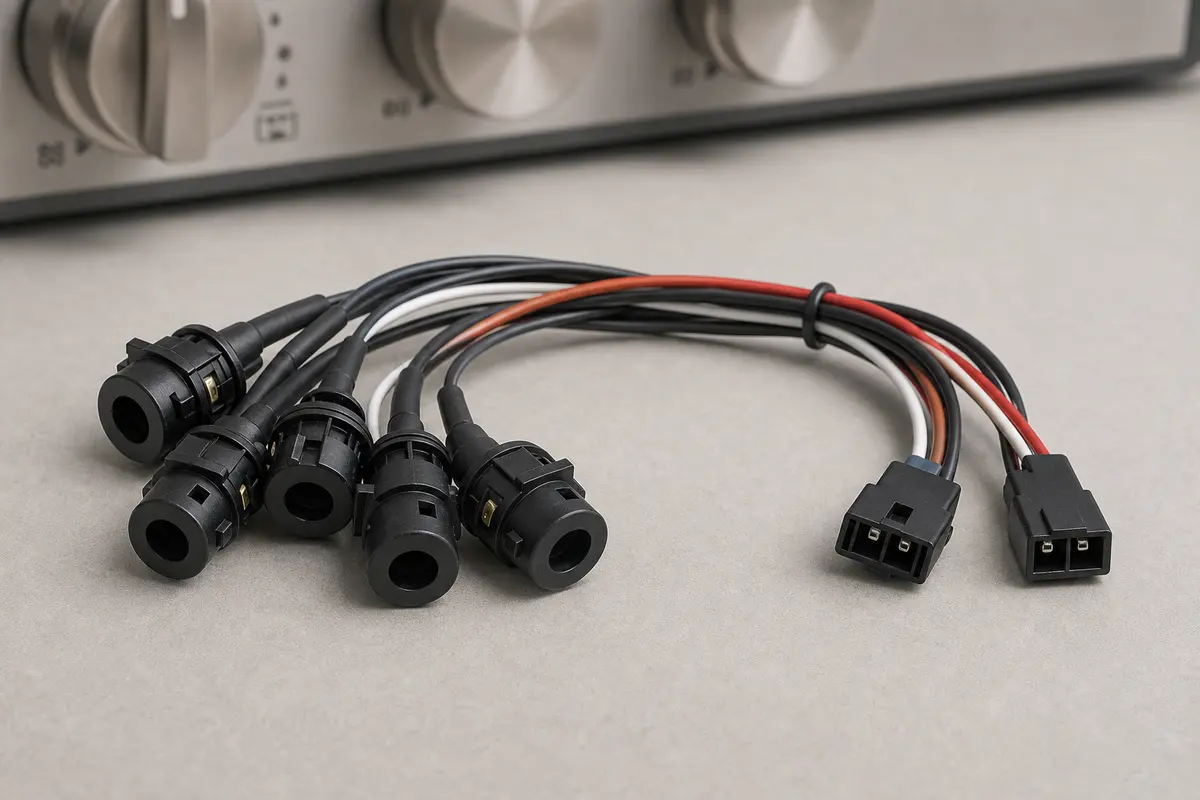
Helps when: The problem follows one knob position and the electrode itself looks intact.
Skip it when: Clicking continues with the knob off, wiring is damaged, or more than one burner is failing.
Compare cooktop ignition switches on AmazonA bad igniter is more likely when one burner is clean, dry, centered, and still has no or weak spark, especially if the ceramic is cracked or the tip is damaged.
Yes. Moisture from cleaning or a boilover can pull the spark away from the burner head. Dry the burner and switch area before ordering parts.
Usually no. A single burner problem usually starts at the burner stack, electrode, lead, or local switch. The module is more likely when several burners act wrong.
The spark may not be reaching the gas path because the cap is off center, ports are dirty, the electrode is wet, or the electrode is damaged.
Ongoing clicking is commonly moisture at a switch, a stuck switch, or module behavior. Stop if it continues after drying and the knobs are off.
Yes, when the failure is local to one burner and the replacement matches that burner position and model number.
Use the full model number, burner location, old part shape, lead connector, bracket style, and ceramic length.
Call for gas odor, delayed ignition, burnt wiring, shared ignition failure, gas valve work, or access that requires moving gas tubing.
Repair Riot built this page around visible symptoms, safe homeowner checks, model-tag part matching, and stop points where electrical, sealed-system, gas, or HVAC work should move to a qualified pro.