Is the pump completely silent?
Use dry hands and dry footing to test the outlet, plug fit, breaker or reset protection, and piggyback plug connection first.
When a sump pump is not working, notice what it does before touching the pit: silent, stuck float, humming motor, or running with no discharge.
Listen first. No sound usually points to power or float trouble; a hum means the intake or discharge may be blocked.
Start with a dry outlet test. Then unplug the pump and check whether the float moves freely in the pit.
Don’t start with: Do not reach into the pit with power connected. Stop after one tripped reset, and inspect float travel and the discharge outlet before buying parts.
Use dry hands and dry footing to test the outlet, plug fit, breaker or reset protection, and piggyback plug connection first.
Unplug the pump, free the float path, remove easy debris, then retest one full cycle with water.
Unplug it quickly. Look for a blocked intake, jammed lower pump area, stuck valve, or blocked discharge line.
Watch the discharge path. A frozen, buried, kinked, or clogged outlet can mimic pump failure.
Stop resetting it. The pump, cord, or circuit needs diagnosis before another attempt.
The useful clues are visible before parts come out. Look for a dry power test, free float travel, and an open discharge path all the way outside.
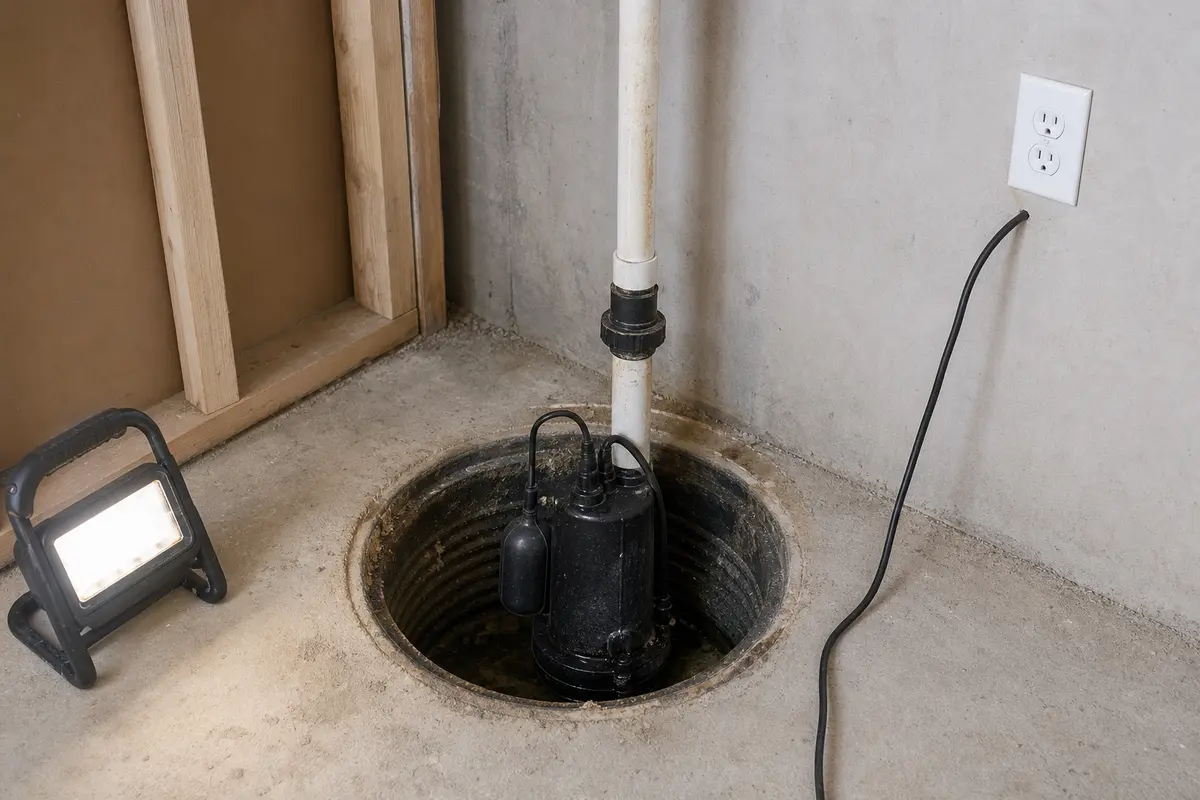
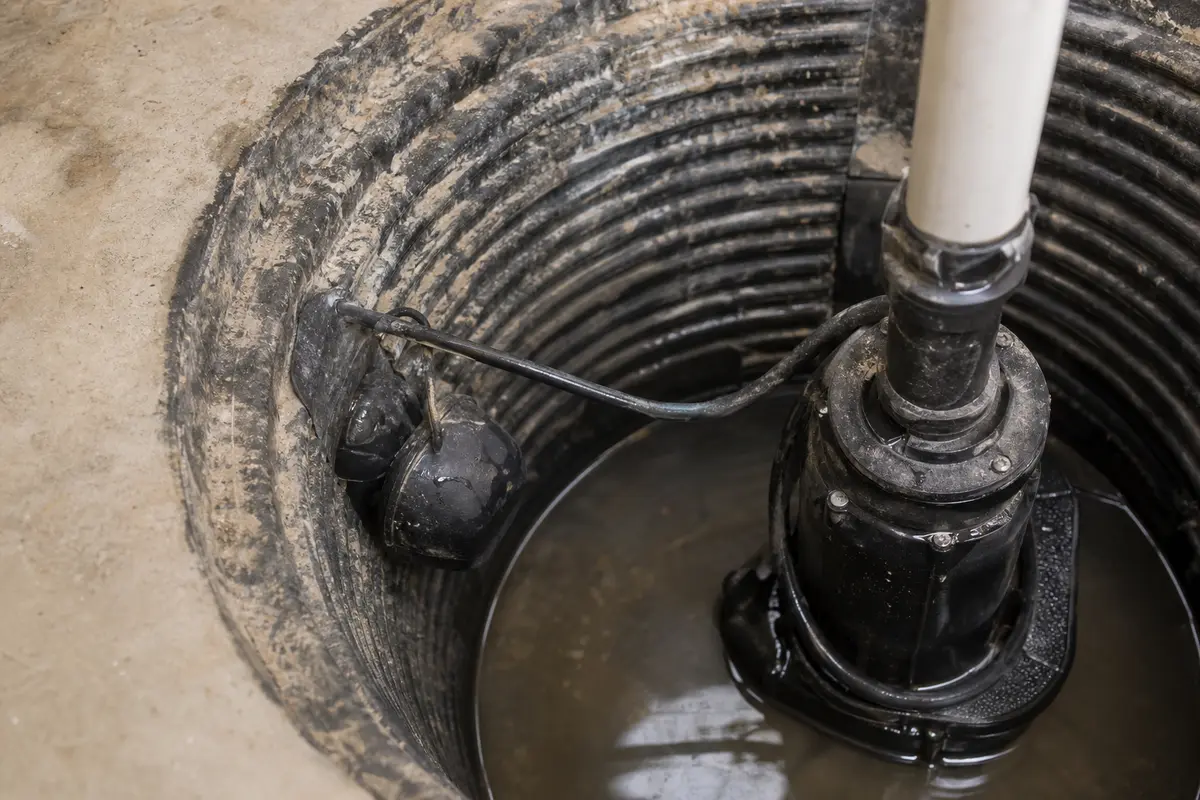
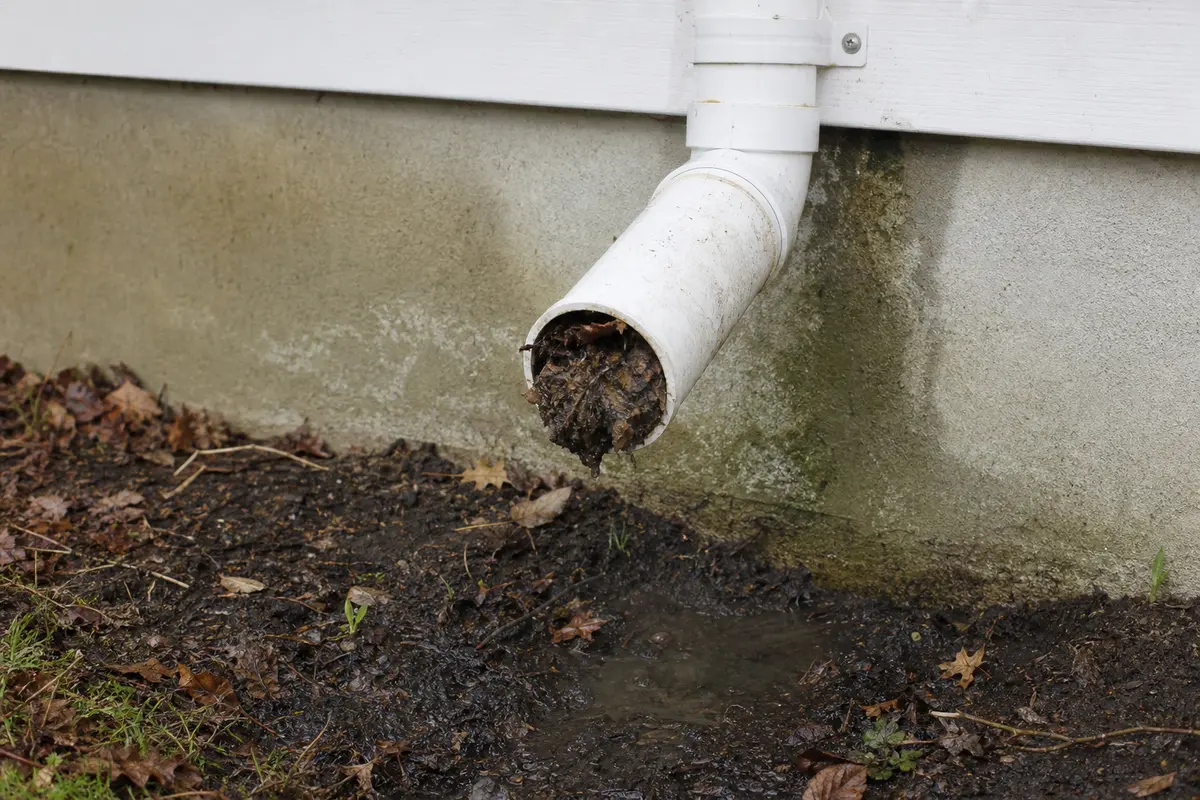
Do not buy a pump, float switch, one-way valve, or discharge hose until the exact failure points there. Match the pump tag, pipe diameter, switch style, plug setup, lift requirement, and the part that actually failed.
A sump pump failure looks bigger than it is because the pit fills while you are still figuring it out. The first clue is the sound pattern, not the age of the pump.
This is the page where guessing gets expensive. A good pump can look failed when the float is pinned or the outlet pipe is blocked. A bad electrical clue is not a plumbing repair.
Use one short round of observation before any part comes out. Keep your feet dry, keep the cord dry, and stop the moment the test becomes electrical instead of mechanical.
| What you see | What it usually means | Next move |
|---|---|---|
| No sound, no movement, outlet is dead | Power is missing before the pump gets a chance to run. | Try the breaker or reset once from a dry position; call an electrician if it trips again. |
| Pump runs only when plugged in directly through a piggyback setup | The pump motor can run, but the float switch path is not calling for it. | Correct float travel or replace the matching float switch. |
| Motor hums and water does not drop | The motor is energized but blocked or failing under load. | Unplug it, inspect intake and discharge, and do not let it sit humming. |
| Pump runs and water returns or stays high | Water is not leaving the discharge path cleanly. | Inspect the valve, pipe, hose, and outside outlet before replacing the pump. |
| Reset or breaker trips as soon as the pump starts | Electrical leakage, motor failure, cord damage, or circuit trouble is possible. | Leave power off and get the electrical side checked safely. |
Do the dry tests first. The sump pump outlet sits close to water, so set the stop point before your hand goes near the pit.
A running motor is only half the story. The water still has to get through the intake, pump body, check valve, pipe, and outside outlet.
These tools are for visible, low-risk inspections. Skip tool work when water is near live electrical parts, the pump is hardwired, or the discharge piping has to be forced apart.
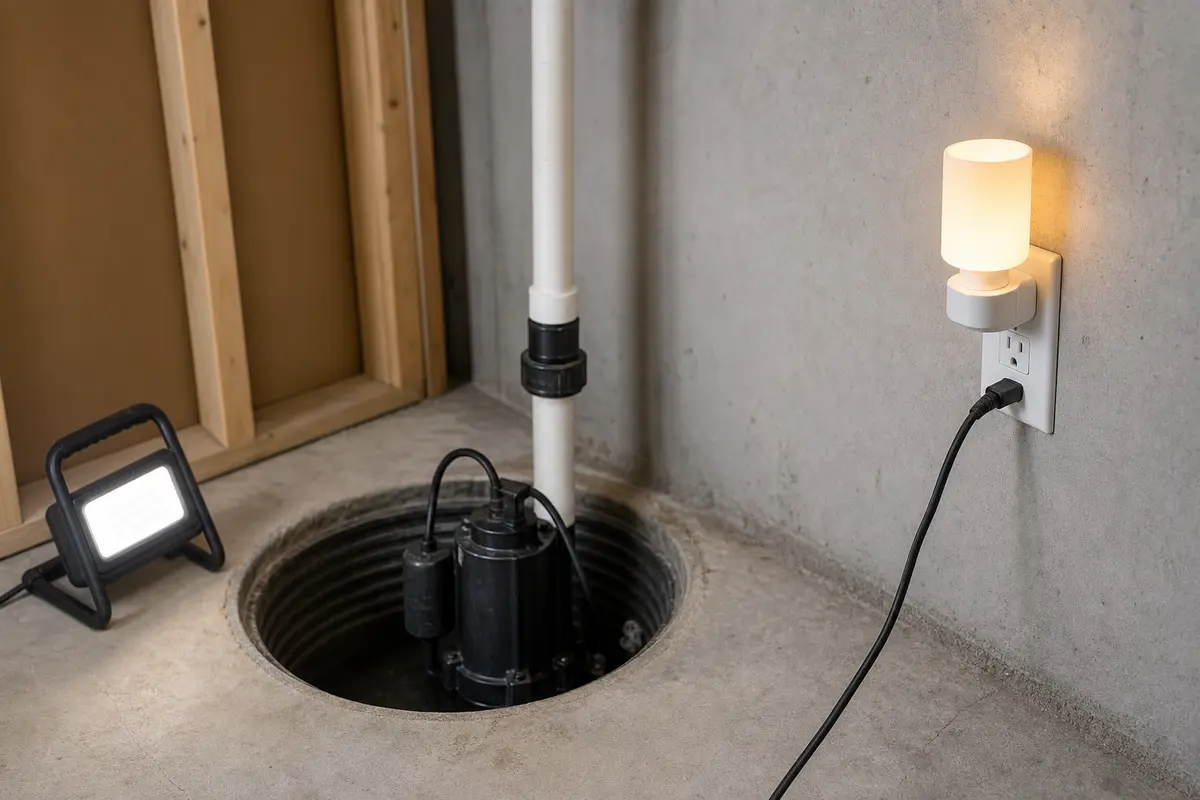
Helps when: You need to know whether the sump pump receptacle has power before blaming the pump.
Skip it when: The outlet, plug, or floor area is wet, scorched, loose, or trips again after one reset.
Compare outlet testers on Amazon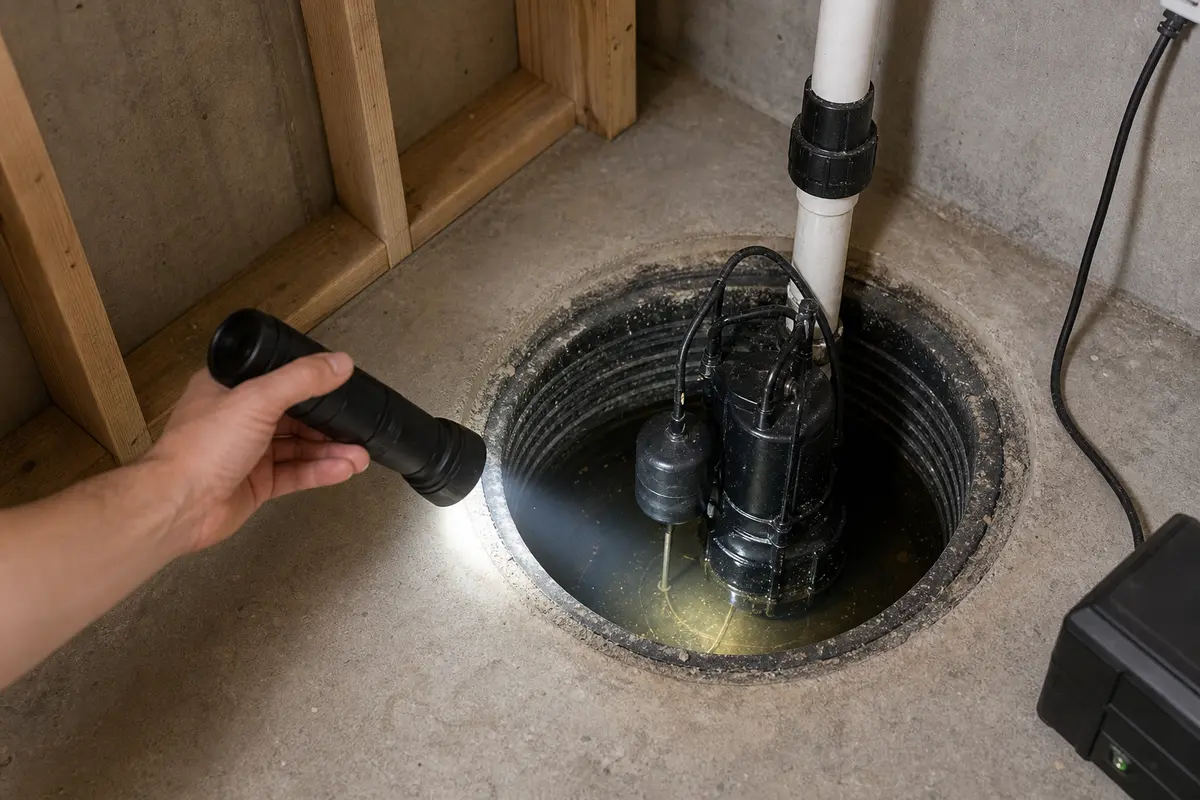
Helps when: You need to see the float path, intake openings, valve direction, or outside discharge outlet clearly.
Skip it when: The pit is too full to inspect safely or the next step would put your hand near energized equipment.
Compare inspection flashlights on Amazon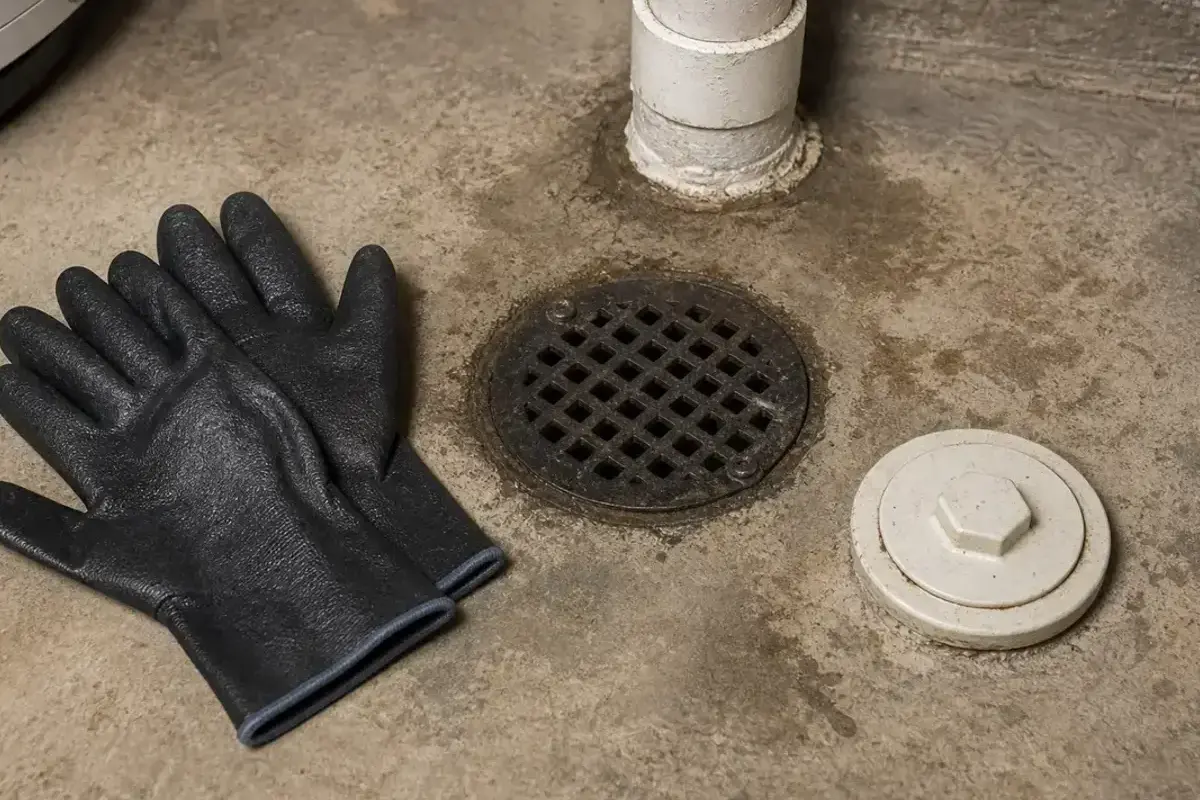
Helps when: You are removing visible debris from an unplugged pump pit or handling wet discharge fittings.
Skip it when: The pit may contain sewage, sharp debris, chemical cleaner, or anything you cannot identify.
Compare work gloves on Amazon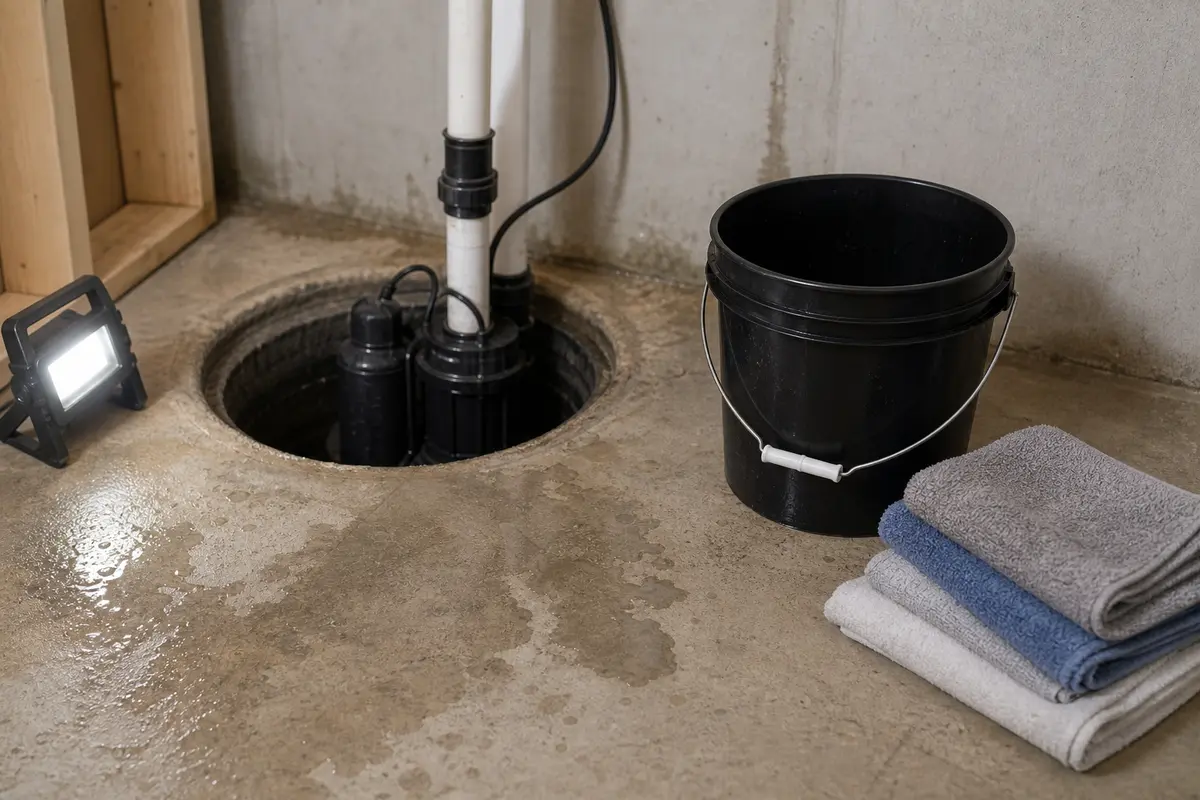
Helps when: You need to catch drips while loosening a hose clamp, valve, or pump body outside the pit.
Skip it when: Water is rising faster than you can control or the repair needs emergency pumping first.
Compare buckets on AmazonAs an Amazon Associate I earn from qualifying purchases. Repair Riot may earn a commission at no extra cost to you.
Buy parts only after a test points there. Copy the pump label, switch style, pipe size, check-valve arrow, and discharge route from the existing setup before ordering.
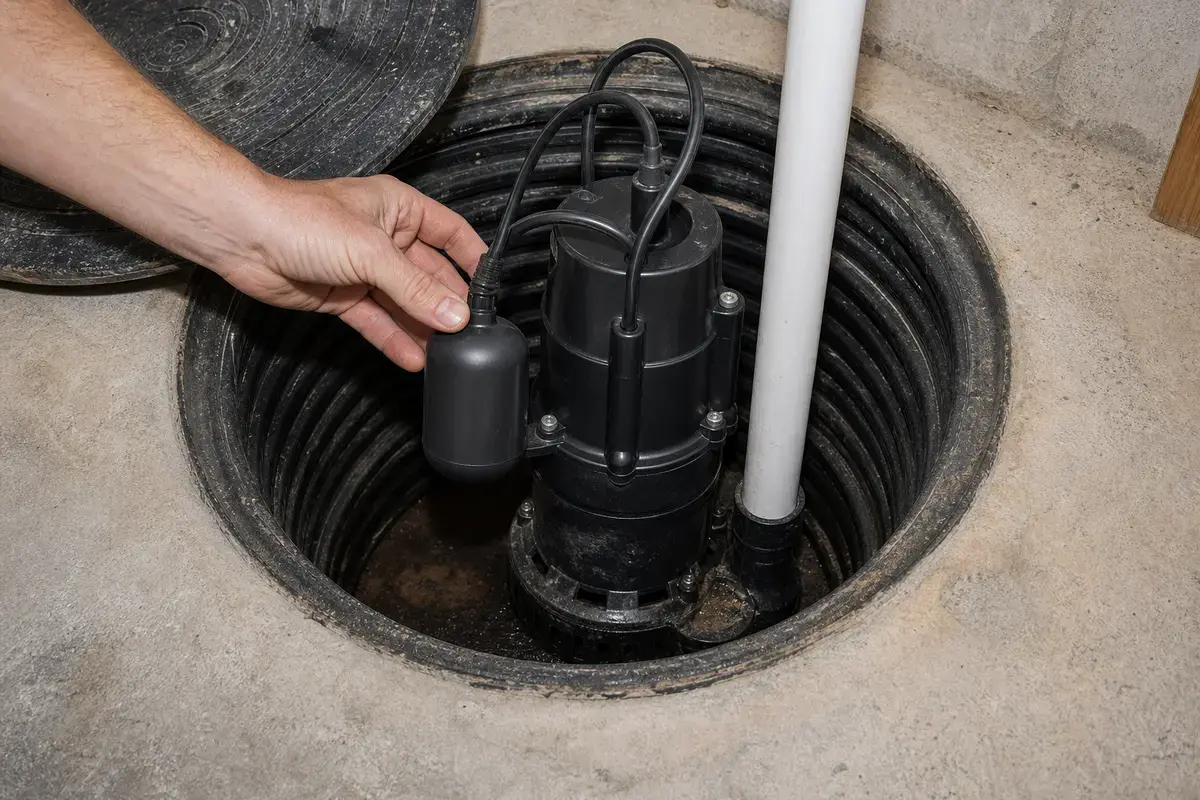
Helps when: The pump runs on direct power in a piggyback setup, but it will not start through the float. The float path is already clear.
Skip it when: The pump is silent on direct power, the receptacle is dead, or the float is only tangled and works after routing is corrected.
Compare sump pump float switches on Amazon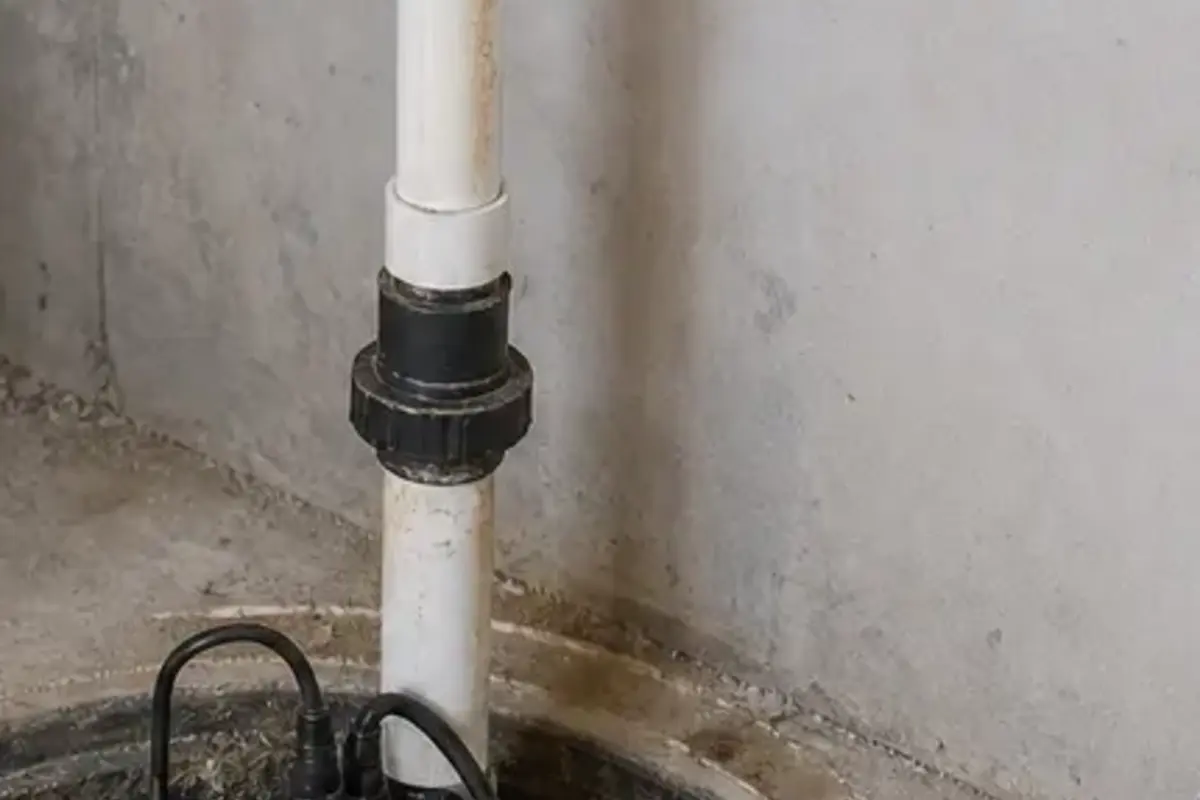
Helps when: Water falls back after shutoff, the valve body is cracked, the arrow points the wrong way, or the valve has a confirmed restriction.
Skip it when: The outside discharge outlet is blocked, the pump intake is packed with debris, or the pump cannot move water with the line open.
Compare sump pump check valves on Amazon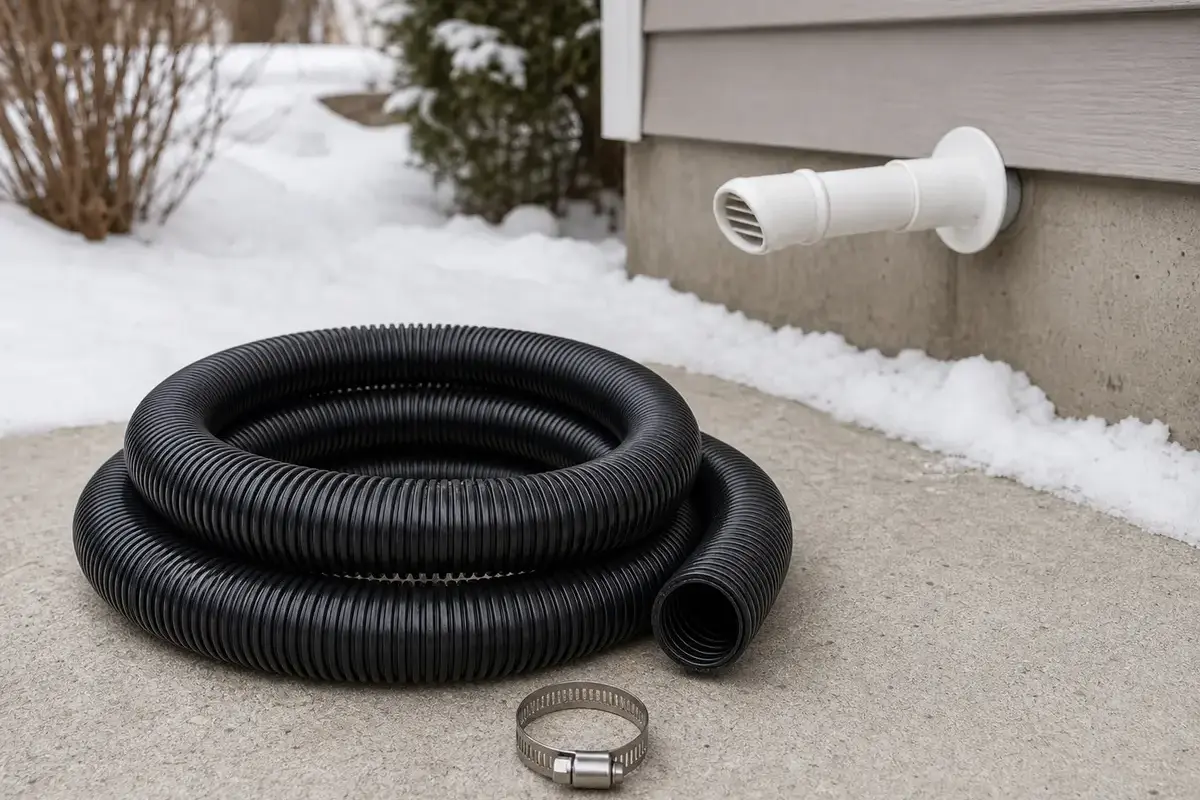
Helps when: The hose is split, kinked, collapsed, or leaking at a clamp and cannot be restored safely.
Skip it when: The buried or outside outlet is the blocked section, or rigid pipe is the actual failed part.
Compare discharge hoses on Amazon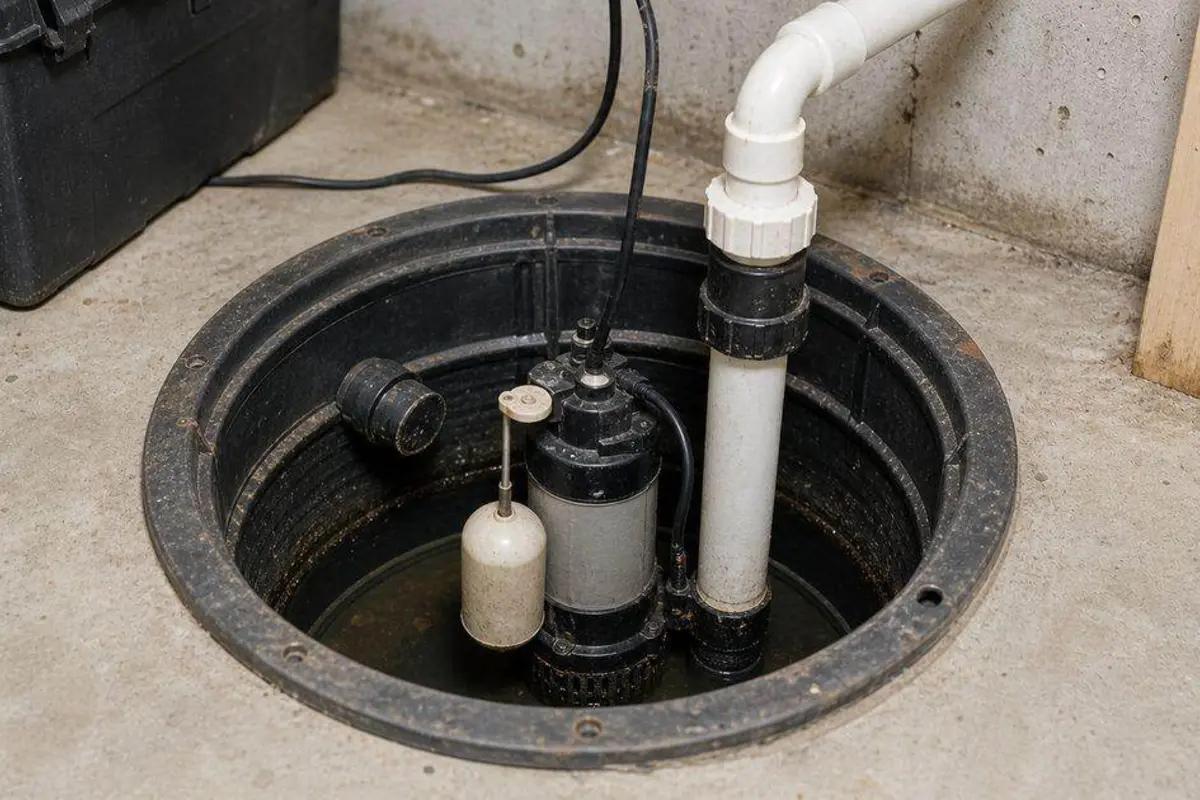
Helps when: Power is present, the float and discharge path are clear, and the pump stays silent, hums, overheats, trips, or cannot move water.
Skip it when: You have not tested outlet power, float travel, intake debris, valve direction, and the outside discharge outlet yet.
Compare sump pumps on AmazonAs an Amazon Associate I earn from qualifying purchases. Repair Riot may earn a commission at no extra cost to you.
Good notes shorten the call and keep the repair from turning into a parts guess. Write the observations while the pattern is fresh.
Start with power and float movement. A loose plug, dead outlet, tripped reset, switched receptacle, or float trapped against the pit wall can keep a good pump silent.
A hum means the motor is getting power but is not moving water. Unplug it quickly, then inspect the intake, impeller area, valve, and discharge line before running it again.
Yes. A float caught on the cord, pit wall, lid, or discharge pipe may never lift far enough to start the switch. Unplug the pump before freeing it.
Only if the setup is dry and clear. In a typical piggyback setup, the float plug goes into the outlet and the pump plug sits in the back of it. A brief direct plug-in can show whether the motor runs without the float. Skip this test if wiring is hardwired, wet, damaged, or unclear.
Water is probably blocked on the way in or out, or the pump has lost pumping ability. Inspect intake debris, the valve, the discharge hose or pipe, and the outside outlet before replacing the pump.
Not first. Replace the pump only after outlet power is present, the float moves cleanly, the intake is open, and the discharge path is clear. A pump that still stays silent, hums, overheats, trips, or cannot move water is a replacement clue.
One dry, cautious reset is enough for troubleshooting. If it trips again, leave it off. A wet plug, damaged cord, failing motor, or circuit problem needs safe electrical diagnosis.
No. Keep the pump on its proper receptacle. If that outlet is dead or wet, do not improvise with cords; use a rated backup pump, call for electrical repair, or have water pumped out safely.
Add enough water to lift the float and watch one full cycle. The pump should start without help, push water out strongly, lower the pit level, shut off on its own, and stay leak-free.
Repair Riot built this page around visible sump-pump clues: sound, power, float movement, intake condition, discharge flow, and stop points around water and electricity.