Is only this shower slow?
Remove the cover or hair catcher and look for a hair mat at the grate. Clear only reachable buildup, then pour one small pitcher of clean water to see whether the shower drains on its own.
Pull the cover or hair catcher first. If clear water drains slowly only in this shower, clean the visible hair and soap mat, then pour one small pitcher of water. Stop if dirty water rises, the drain gurgles, or another fixture changes the level.
The first useful check is visible: lift the cover or hair catcher, pull the hair mat, and test with a small pitcher of water.
Use the first minute to separate a shower-only clog from a bathroom drain backup. The result decides whether you clean, test, or stop.
Don’t start with: Do not pour harsh drain cleaner into standing water or buy a new cover because the pan is slow. Chemical cleaner can sit in the trap, and a cover only helps after the drain itself is clear.
Remove the cover or hair catcher and look for a hair mat at the grate. Clear only reachable buildup, then pour one small pitcher of clean water to see whether the shower drains on its own.
Pull reachable hair and soap sludge first, then test with a small pitcher instead of running a full shower.
The restriction may be in the trap or nearby drain line. Use a gentle plastic strip only if no cleaner is present.
Stop treating the cover as the whole problem. A shared drain line may need professional clearing.
Stop using that bathroom, keep fixtures off, and call a licensed plumber. That is a backup, not a shower-cover repair.
Use the water pattern and the cover area first. Standing water around one shower drain is a different clue than dirty water rising when the toilet or sink runs.
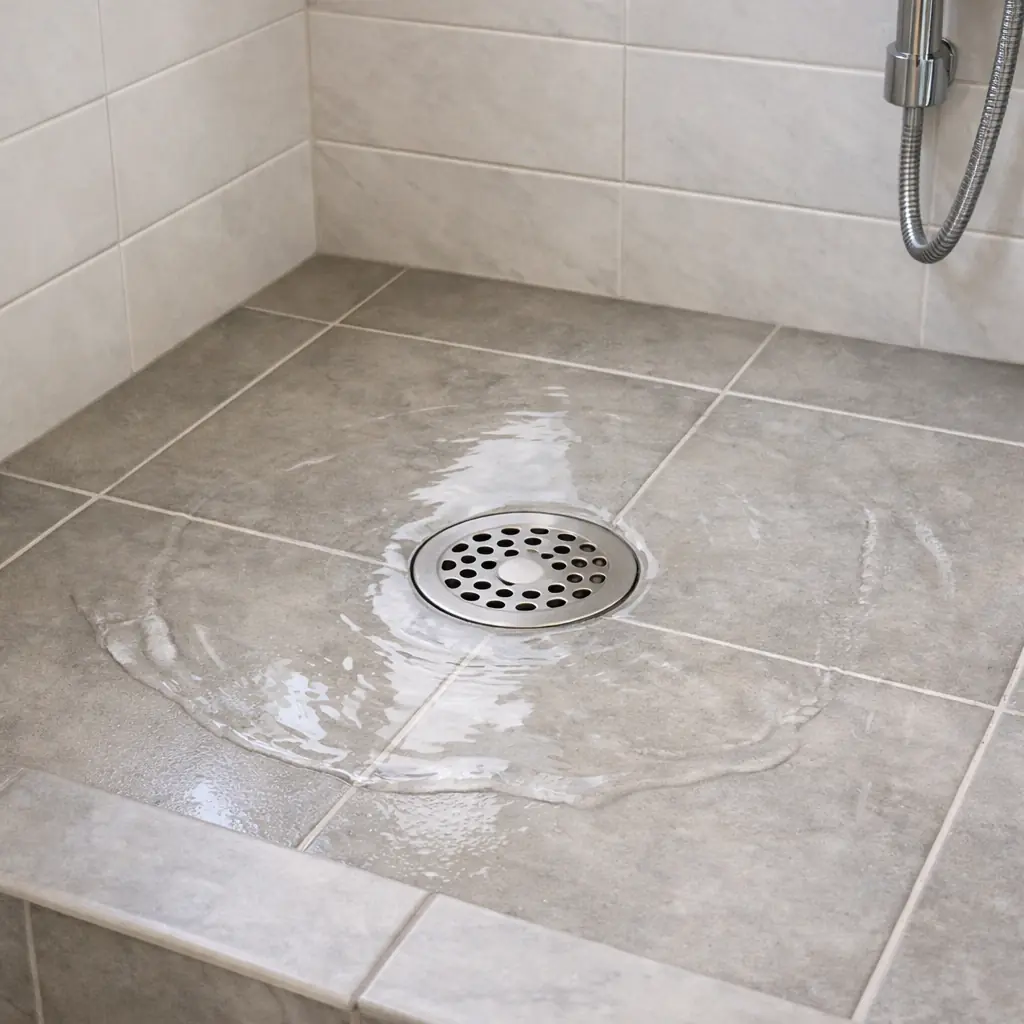
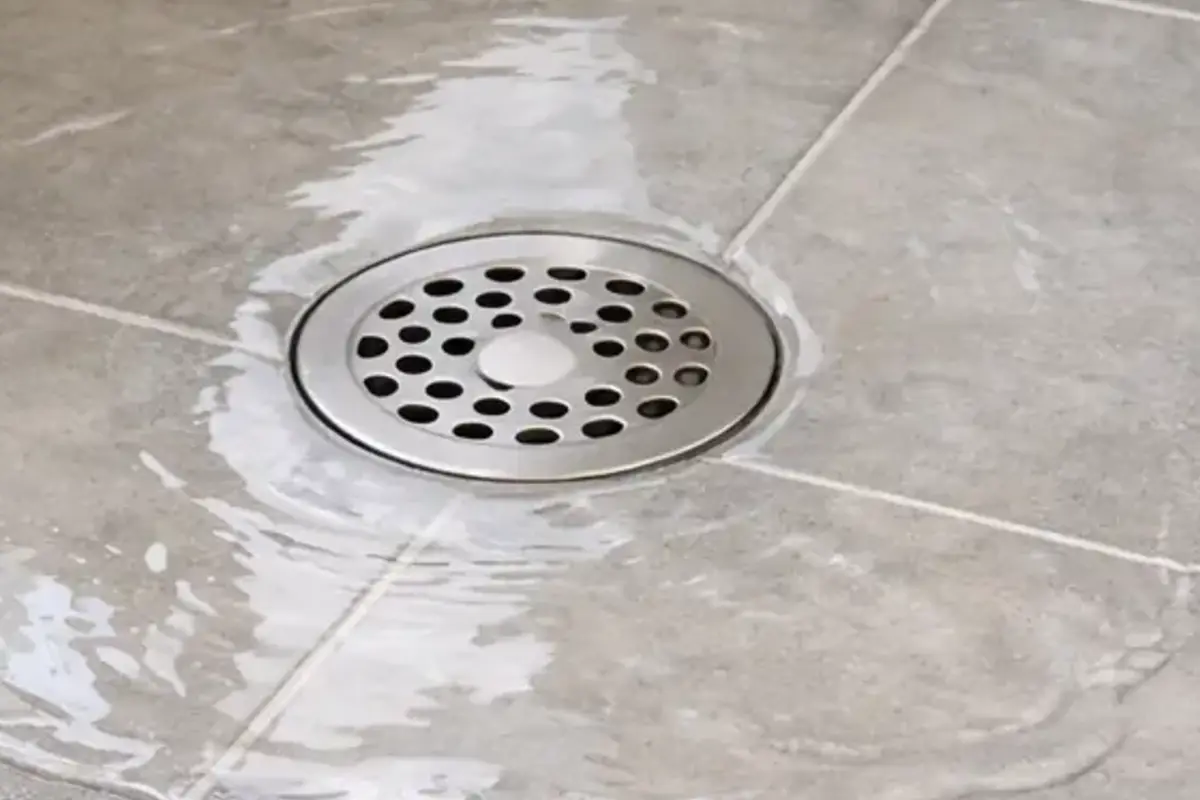
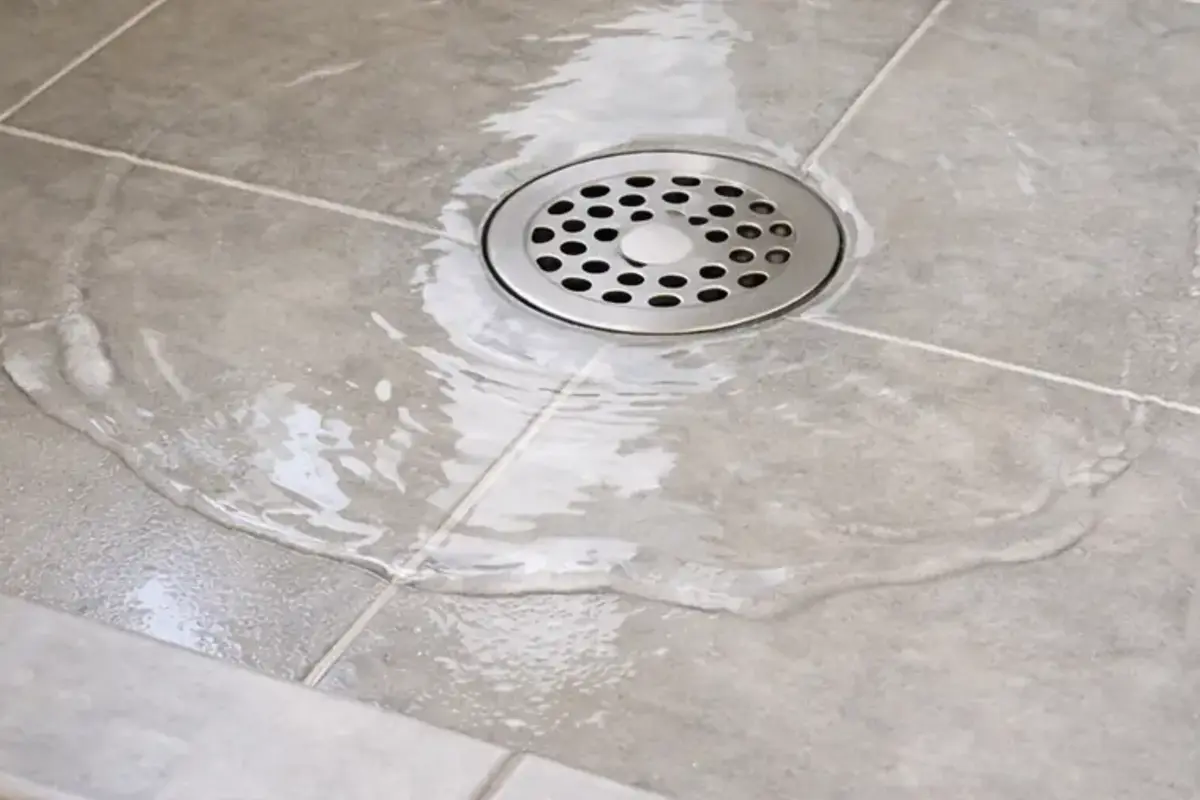
Do not buy a drain cover, hair catcher, or drain tool until the exact clue points there. Match the cover size, screw pattern, grate style, finish, and shower base after the drain is clear enough to test.
Lift the cover and look at the first few inches below the grate. If the sink and toilet run without changing the shower level, pull visible hair and soap film before using any deeper tool.
The wrong first move can make a basic hair clog harder and less safe to clear. Keep the first pass visible, mechanical, and easy to stop.
Use a small, controlled check before tools. Let standing water drop, remove the cover if it comes off normally, and compare the shower with the sink and toilet.
| What you see | What it points to | Next move |
|---|---|---|
| Only the shower drains slowly | Hair and soap buildup near the shower opening is likely. | Remove the cover and clear reachable debris. |
| Water improves with the cover removed | The cover or hair catcher is restricting flow. | Clean it, check fit, and replace only if damaged or badly designed. |
| Top looks clean but water pools fast | The clog may be below the visible opening. | Try a gentle plastic hair tool if no chemical cleaner is present. |
| Sink or toilet makes the shower gurgle | The problem has moved beyond the cover area. | Stop fixture testing and plan for drain-line clearing. |
| Dirty water rises into the shower | This is a backup. | Stop using that bathroom and call a licensed plumber. |
A shower-only clog deserves one clean pass at the top before deeper tools. This is a hand-cleaning job, not a parts job.
A pitcher test gives the drain a small, readable load. It is easier to stop than a running shower and shows whether the clog is still close to the top.
| Pitcher result | What it means | Decision |
|---|---|---|
| Water drops cleanly | The top-side clog or cover restriction was probably the issue. | Reinstall the cover and run a short shower test. |
| Water pools right away | Debris may still be sitting near the grate or trap entrance. | Make one more gentle top-side pass. |
| Water drains, then backs up | The restriction is likely farther down the shower drain path. | Stop forcing tools if you meet resistance. |
| Nearby fixtures gurgle | The shower is showing a bigger drain problem. | Call a plumber before the backup gets worse. |
A deeper clog can still show up at the shower because it is a low fixture. Once the sink, toilet, or dirty backup joins the symptom, the repair path changes.
Use light tools for visible debris and controlled testing. Keep powered augers, aggressive cables, and chemical cleaner out of the first pass.
Paid links. As an Amazon Associate I earn from qualifying purchases. Repair Riot may earn a commission at no extra cost to you.
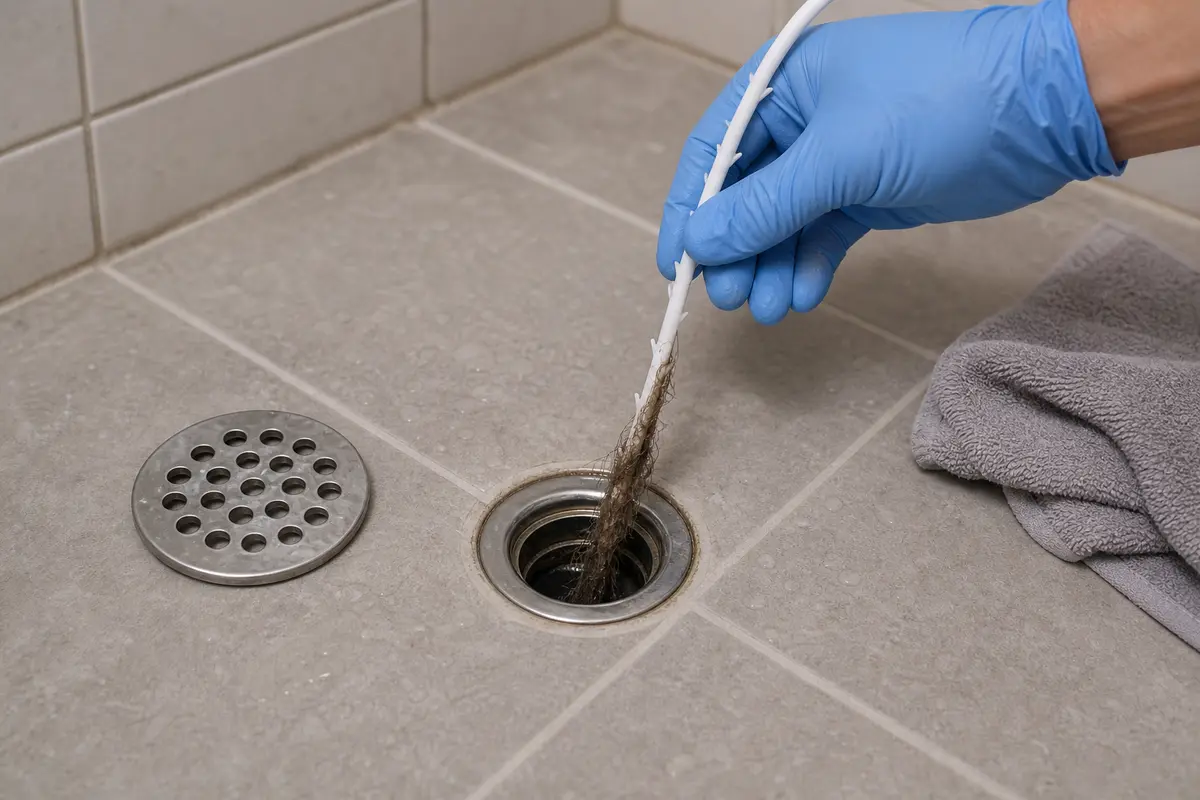
Helps when: Useful when the clog is shower-only and you can see or feel hair near the drain opening.
Skip it when: Skip it when dirty water rises, other fixtures react, chemical cleaner was used, or the tool binds hard.
Compare plastic drain cleaning strips on Amazon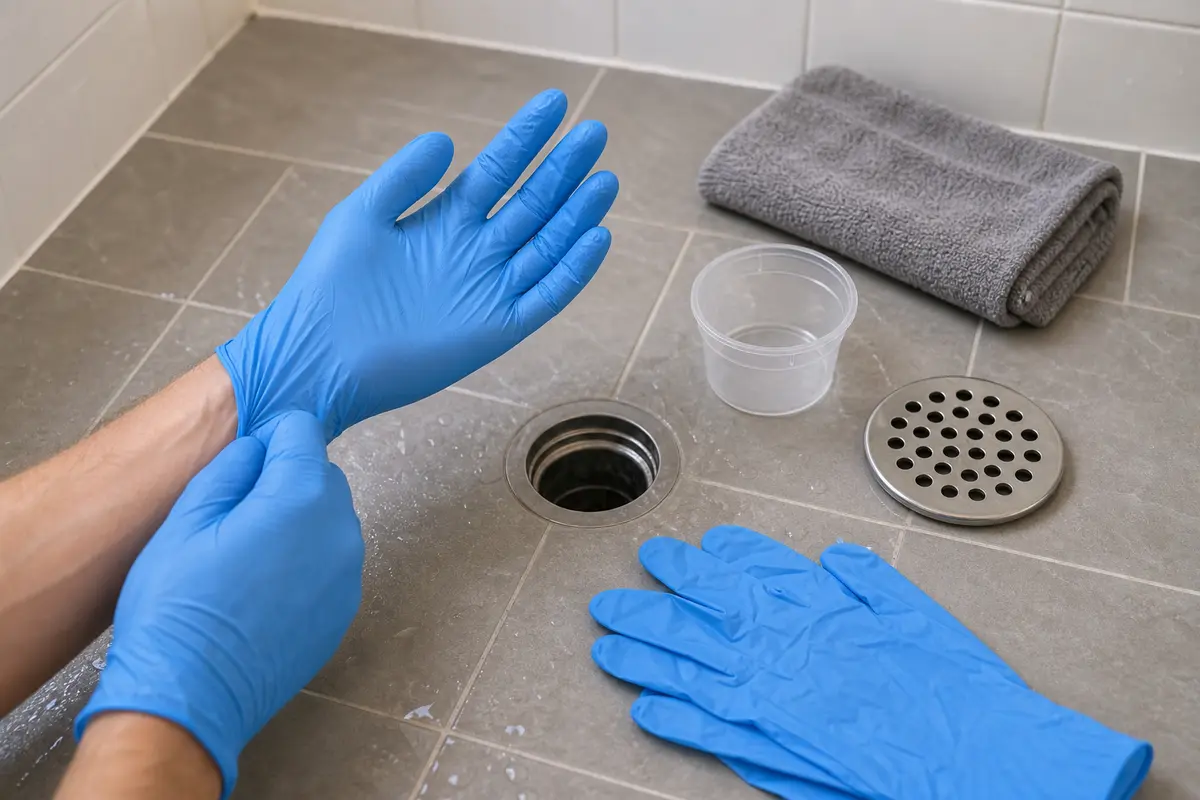
Helps when: Useful before pulling hair, soap sludge, or old debris from the cover area by hand.
Skip it when: Skip direct hand work if chemical drain cleaner may still be sitting in the trap.
Compare disposable drain gloves on Amazon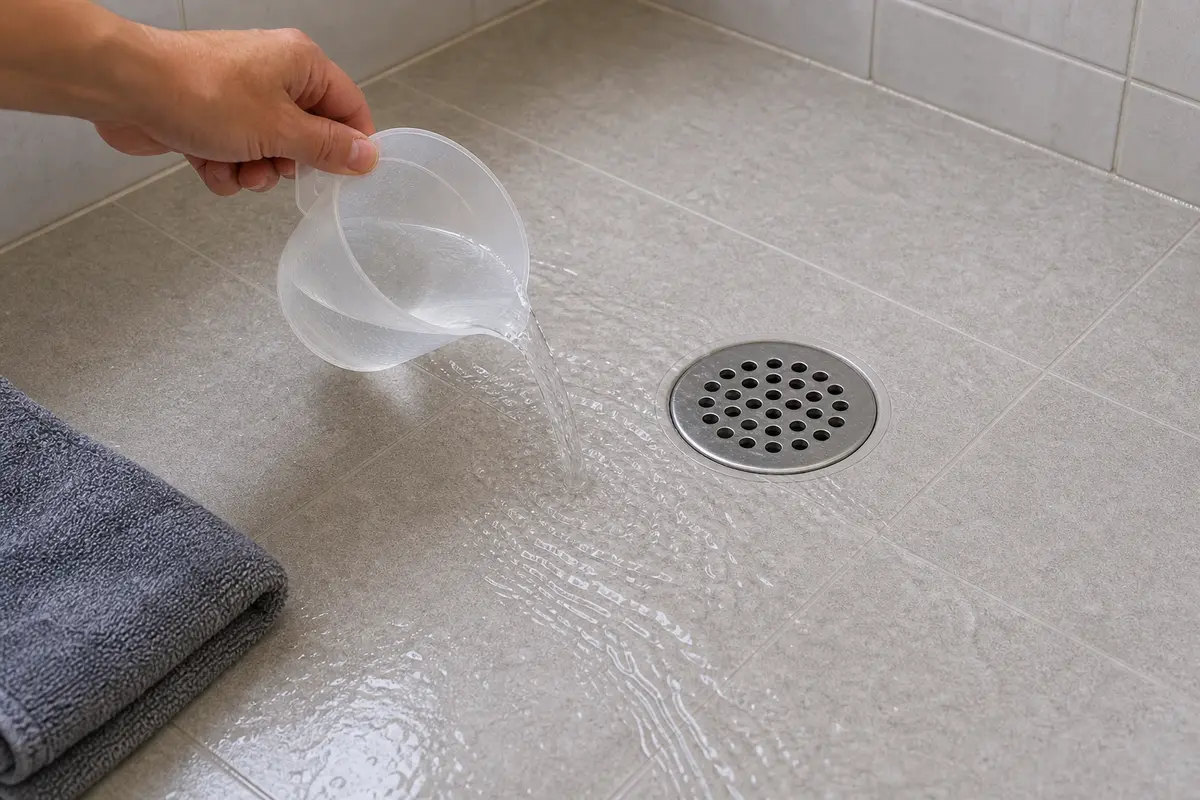
Helps when: Useful for a controlled pitcher test after the visible drain opening has been cleaned.
Skip it when: Skip more water testing when the pan is near overflowing or water comes up from another fixture.
Compare small buckets on AmazonA slow shower rarely needs parts first. Buy only after water drains normally and the old piece is the remaining problem.
Paid links. As an Amazon Associate I earn from qualifying purchases. Repair Riot may earn a commission at no extra cost to you.
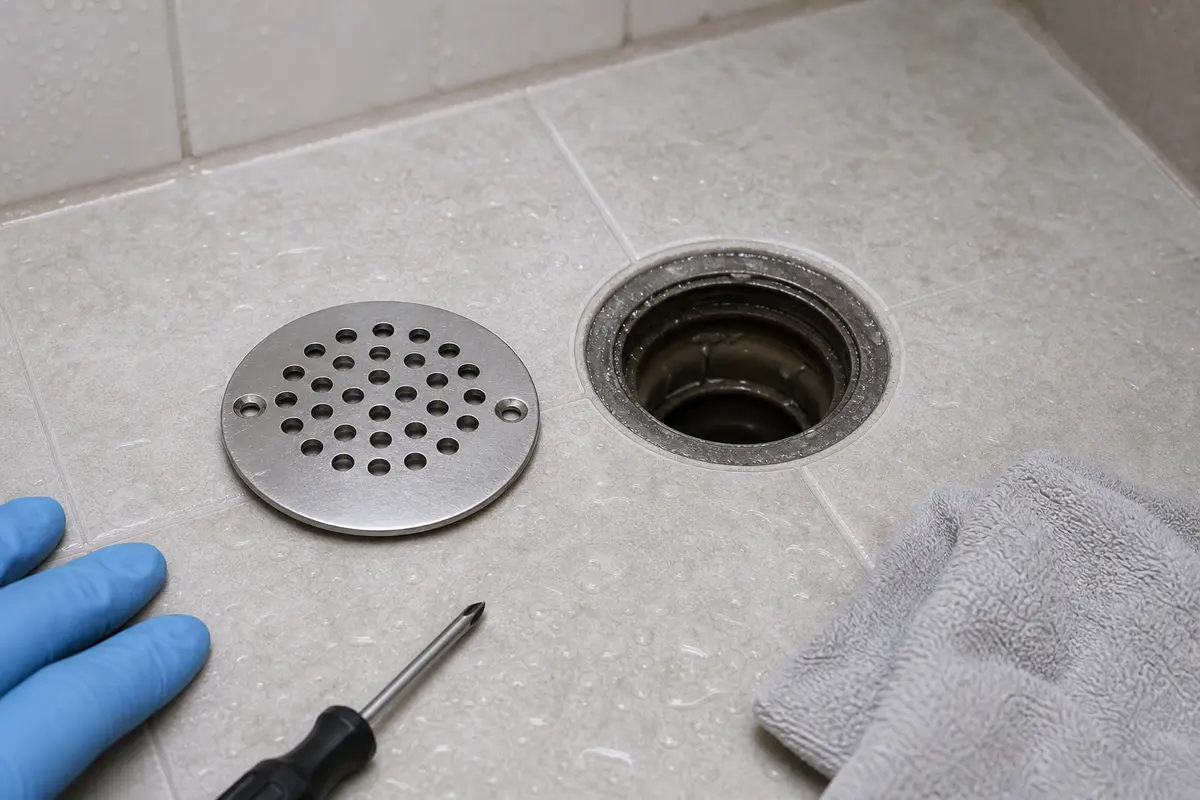
Helps when: Buy this only after the drain clears and the old cover is cracked, rusted, missing, loose, or trapping hair at the opening.
Skip it when: Skip it when the shower still backs up, nearby fixtures gurgle, or the old cover cleans up and sits flat.
Compare shower drain covers on Amazon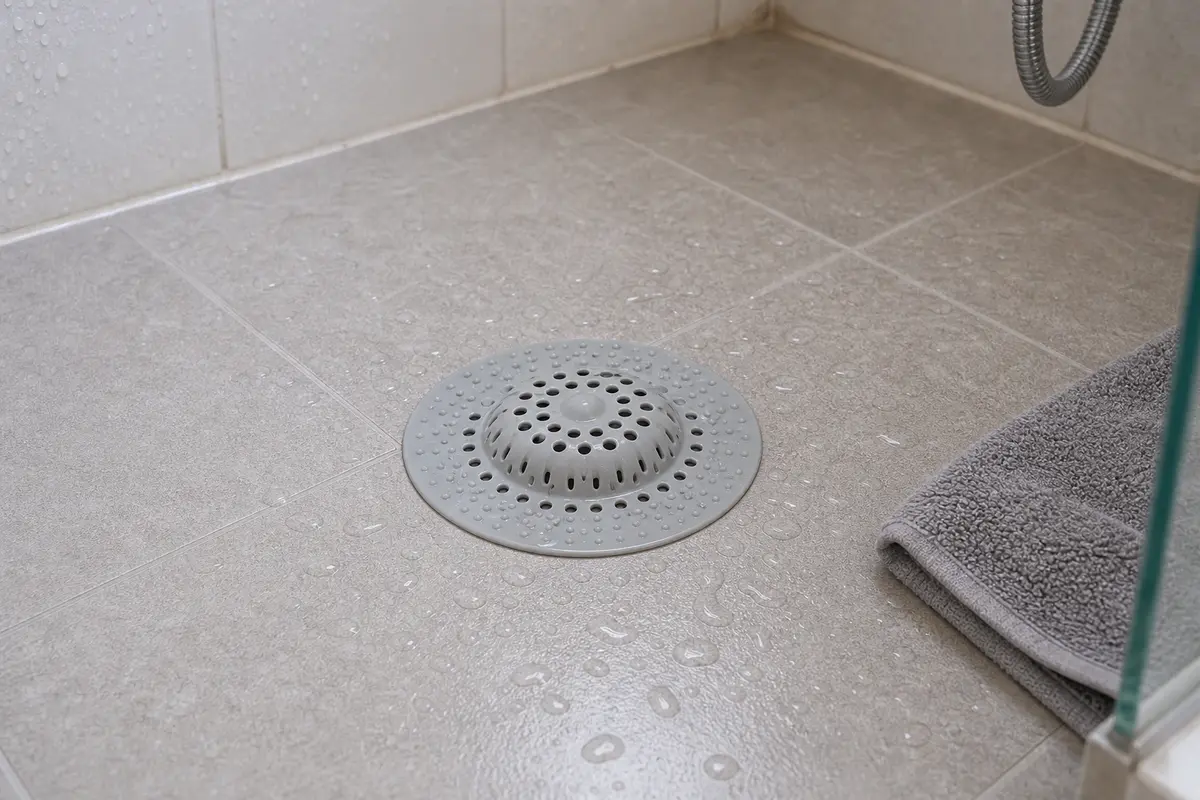
Helps when: Buy this only when the cleaned drain tests well and the catcher sits flat without slowing normal flow.
Skip it when: Skip it when the drain is still slow without the catcher or the grate style will not hold one securely.
Compare shower hair catchers on AmazonIf the sink and toilet do not affect the shower level, treat the clog as local first. Lift the cover, pull the visible hair mat, and test with one small pitcher before assuming a whole-bathroom drain problem.
Not usually. A partial clog may seem a little better after water slowly works through it, but hair clogs almost always come back worse until you physically remove the buildup.
For a true hair clog, that is usually not the best first move. Physical removal works better and gives you a real answer faster. Warm water is fine after you pull debris out, but do not rely on fizzing mixtures to clear a packed drain.
It is not my first recommendation. Chemical cleaners often struggle with dense hair clogs, can sit in the trap, and make later cleanup more hazardous. If the drain is already full of water, skip chemicals and clear the clog mechanically or call a pro.
Call for help if a toilet flush or sink drain makes the shower bubble or rise. Also stop for two slow fixtures, sewage odor, dirty water, or ceiling stains below the shower.
Yes. A hair catcher or drain cover packed with hair can choke the opening enough to make the shower seem clogged. Clean it and test again before assuming the blockage is deeper.
When another fixture makes the shower bubble or rise, stop using that bathroom. The clue is in the shared drain path, not the cover, so schedule line clearing.
Use a short plastic hair tool only at the visible opening. Keep it shallow, rinse after each pull, and stop for hard binding, recent chemicals, cross-fixture backup, or finished-part removal.
Only after cleaning and testing. Replace the cover when it is broken, badly rusted, missing, or traps hair in a way that keeps blocking the opening.
Repair Riot built this page around visible shower clues: water pooling at one drain, hair at the cover, pitcher-test behavior, fixture gurgling, dirty backup, and leak stop points. The source links support drain-care and trap/vent context; the repair sequence is original guidance.