Does the rattle sound light and metallic only in gusts?
Compare the cap and hood first. A crooked cap, missing screw, loose tab, or rust streak near a fastener is a good clue.
When a roof vent rattles in wind, check for a crooked cap, lifted flashing edge, backed-out fastener, or attic damper that moves by hand.
Start from the attic and the ground. A rust streak below one screw, daylight around the vent, or a duct collar that chatters by hand gives you the first clue.
Wind can make a small metal rattle sound larger indoors. Sort cap, flashing, duct, and nearby shingle movement before you climb or buy anything.
Don’t start with: Do not smear roof cement around the whole vent. Find the moving part first so you do not trap water or bury a loose flashing problem.
Compare the cap and hood first. A crooked cap, missing screw, loose tab, or rust streak near a fastener is a good clue.
Look for one lifted flashing edge, a loose shingle tab, or a piece of trim tapping the vent body.
Check the attic duct, strap, damper, and collar before blaming the roof. A loose damper can sound like the roof vent from below.
Treat this as a leak clue, not just a noise complaint. Stop short of patching and inspect the vent flashing path.
Look lower at the flashing and nearby shingles. One raised edge may be a small repair; bent metal, soft decking, or staining needs a roofer.
Hold the DIY repair. A wind rattle is not worth a fall, and a bad roof patch can create a leak.
Use the photos as orientation points, then follow the exact noise at your house. A cap rattle, flashing tap, attic damper chatter, and loose shingle noise need different repairs.
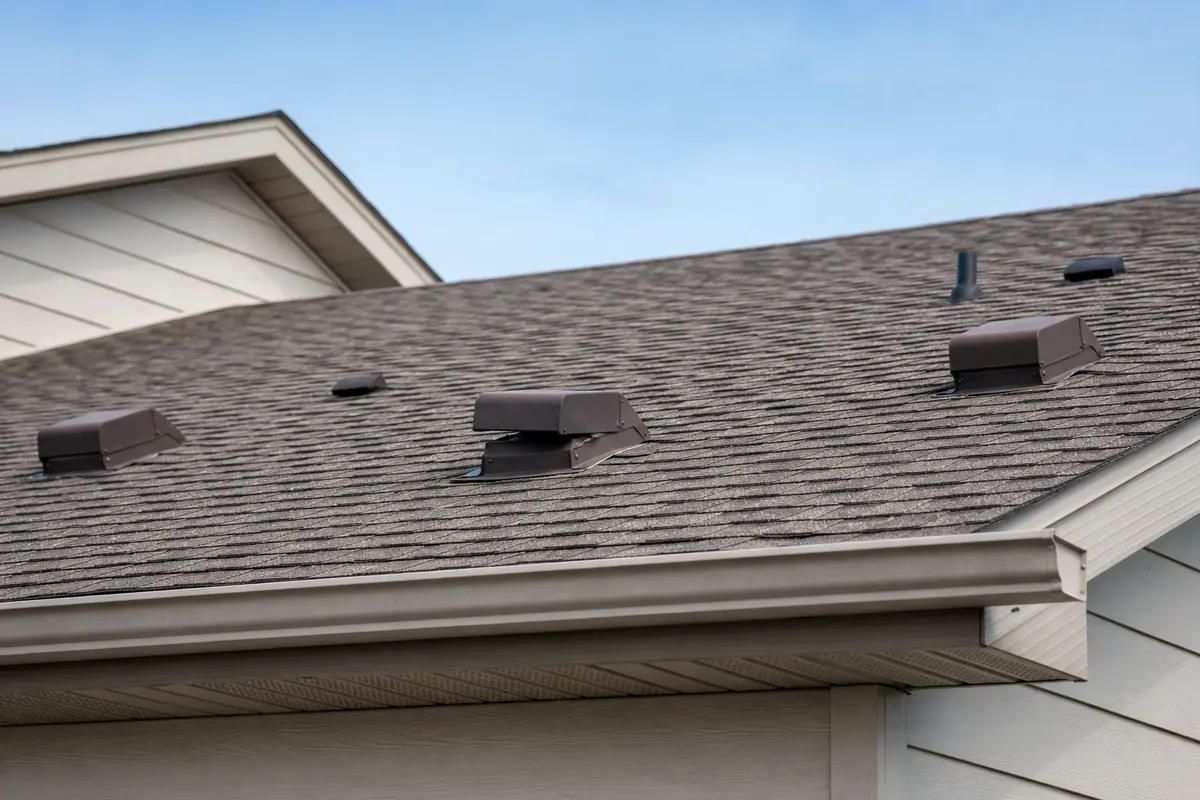
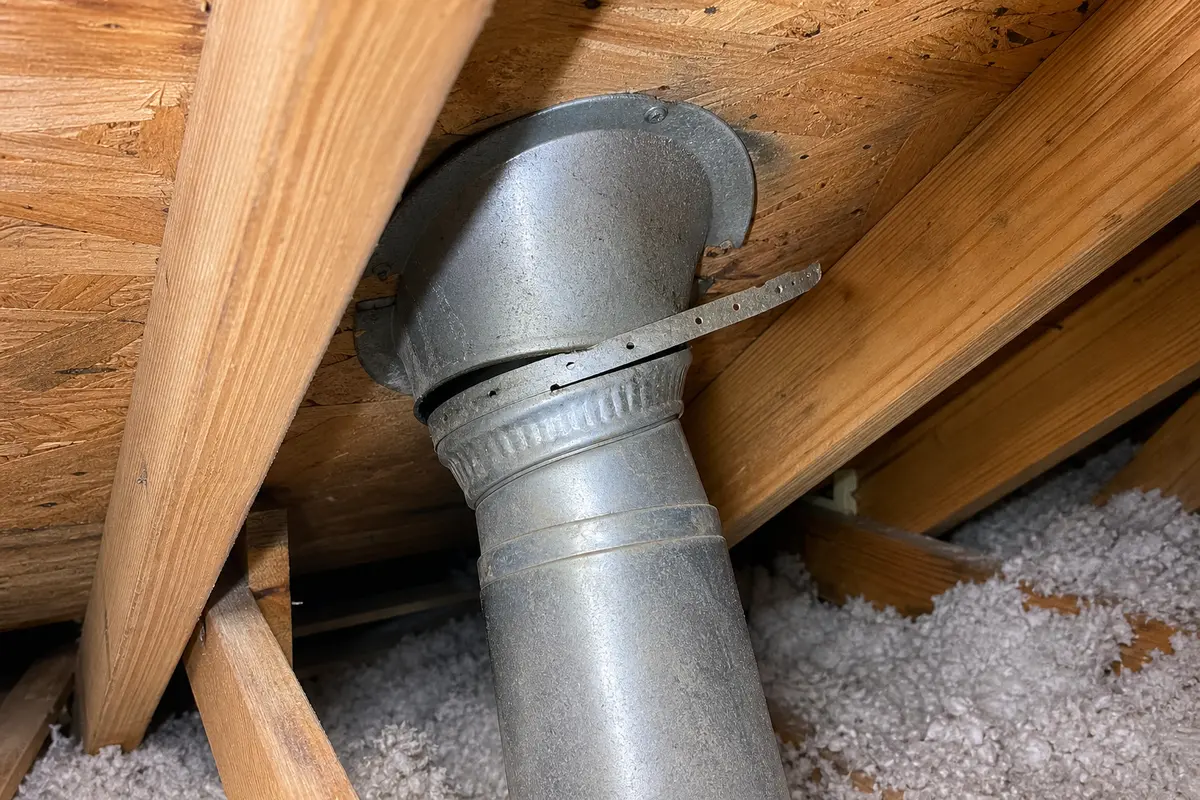
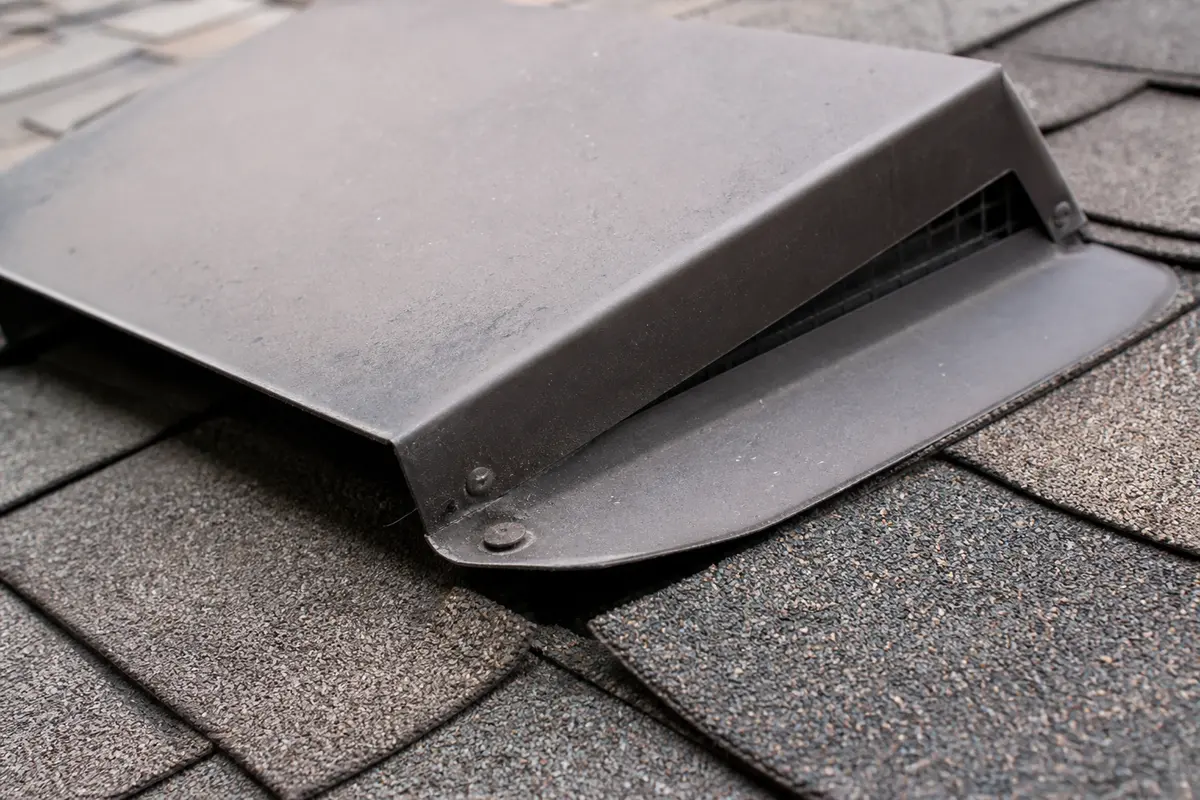
Name the exact moving part first: cap, fastener, flashing edge, shingle tab, duct strap, damper, or collar. Buy roof sealant, fasteners, or a vent cap only after the diagnosis is exact and the roof surface is dry, sound, and safely reachable.
Find the moving piece before you pick a repair. The clue may be above the roof at the cap, below the roof at the duct, or beside the vent at a shingle edge.
Do not turn a small rattle into a messy roof patch. Wind noise needs a movement check before it needs a tube of sealant.
Do the useful checks before your feet leave the ground. The job is to make the sound point to one part, not finish a roof repair from a ladder.
Pair the sound with the first visible clue. A dry loose cap is one kind of job; wet sheathing or distorted flashing is a service call.
| What you notice | What it usually means | Next check |
|---|---|---|
| Light metal chatter in gusts | Loose cap, hood tab, or cap fastener | Compare cap position and fasteners from the ground or a safe eave view |
| One tap or flap when wind shifts | Lifted flashing edge or nearby shingle tab | Look for one raised corner, exposed nail, or edge that no longer lies flat |
| Noise seems inside a bath fan or ceiling | Loose duct strap, collar, or backdraft damper | Check the attic side before touching the roof vent |
| Rattle plus stain, damp insulation, or dark sheathing | Possible flashing leak around the same penetration | Stop patching and inspect the roof assembly or call a roofer |
| Cap is tight but flashing is bent or distorted | The vent base may not restore flat and watertight | Plan for vent or flashing replacement by a roofer |
A homeowner repair only makes sense when the moving part is small, dry, sound, and safely reachable. Otherwise the quietest repair can still be the wrong roof repair.
These tools support inspection and small, confirmed fixes. Skip any tool that would push you onto an unsafe roof or into hidden electrical equipment.
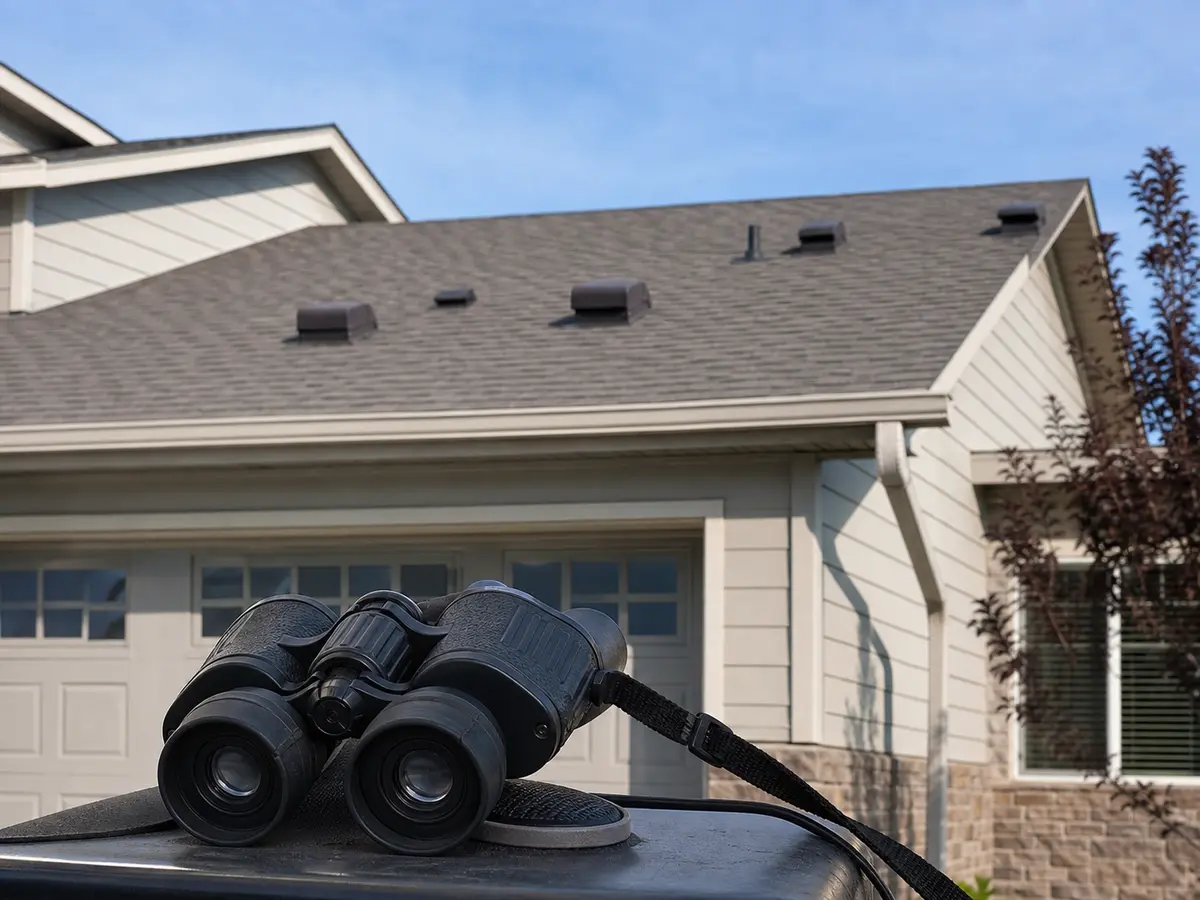
Helps when: You can compare the suspect vent with nearby vents from the ground and spot a crooked cap, lifted edge, or missing fastener.
Skip it when: You already need roof access to see the vent clearly or the roof is unsafe to approach.
Compare inspection binoculars on Amazon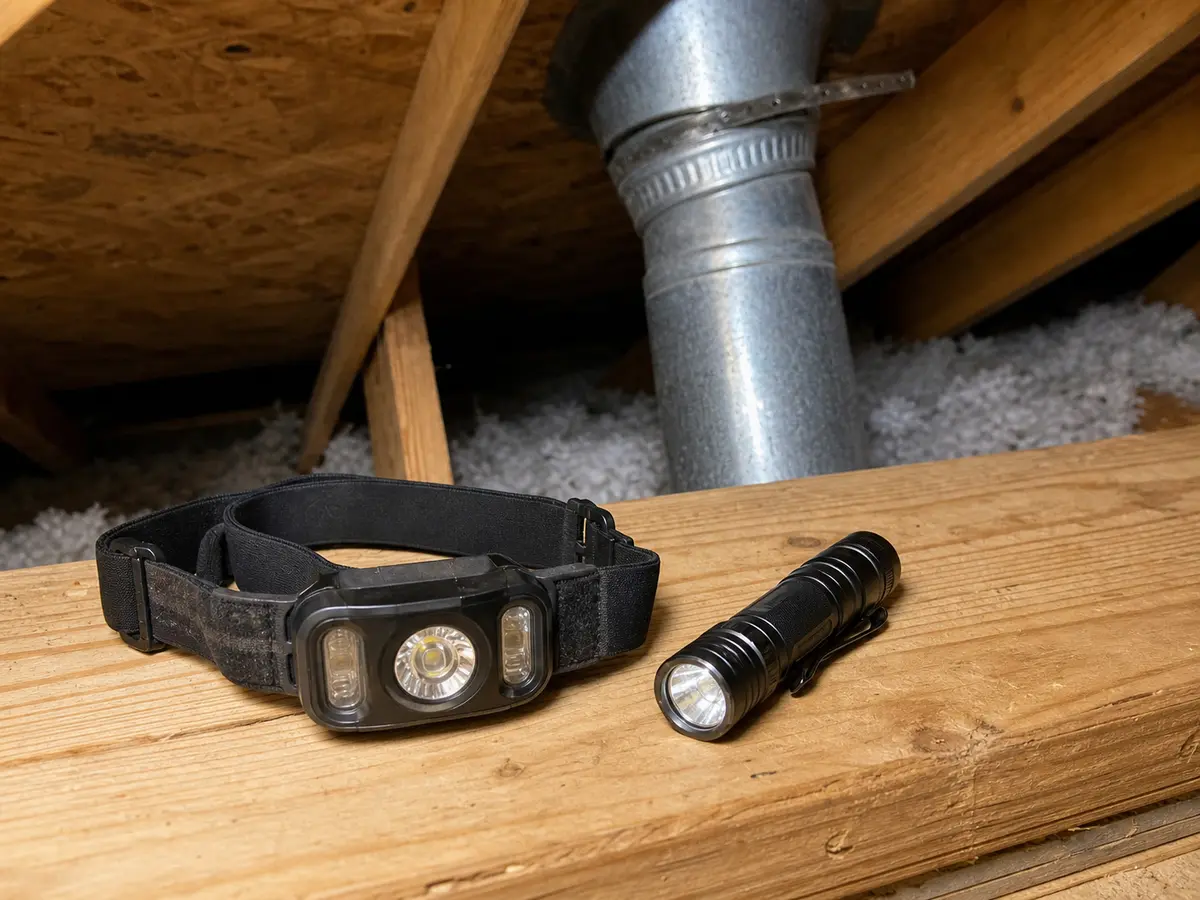
Helps when: Attic checks need both hands free while you look for loose duct straps, staining, daylight, or damp sheathing.
Skip it when: The attic is unsafe to enter, has exposed wiring concerns, or the access path is not stable.
Compare inspection lights on Amazon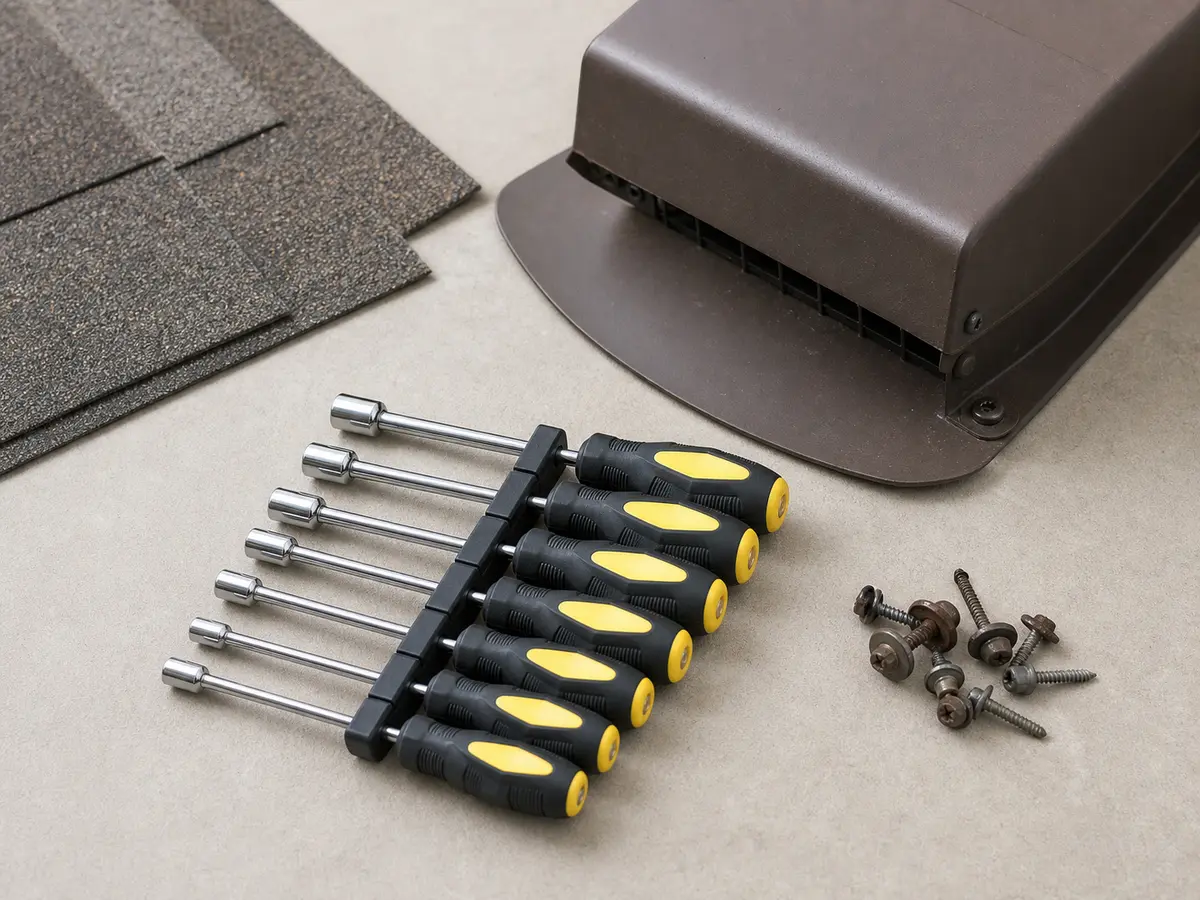
Helps when: The vent cap fastener is clearly loose, safely reachable, and the original attachment point is still sound.
Skip it when: The metal is torn, the hole is enlarged, or tightening would require stepping onto a risky roof.
Compare nut driver sets on Amazon
Helps when: Old vent metal, fasteners, shingles, and attic duct edges can be sharp even during inspection.
Skip it when: Gloves do not make brittle roofing, high ladder work, or roof walking safe.
Compare work gloves on AmazonAs an Amazon Associate I earn from qualifying purchases. Repair Riot may earn a commission at no extra cost to you.
Buy parts only after the rattle points to one failure. Roof parts need to match the material, profile, slope, and weather seal, not just the noise.
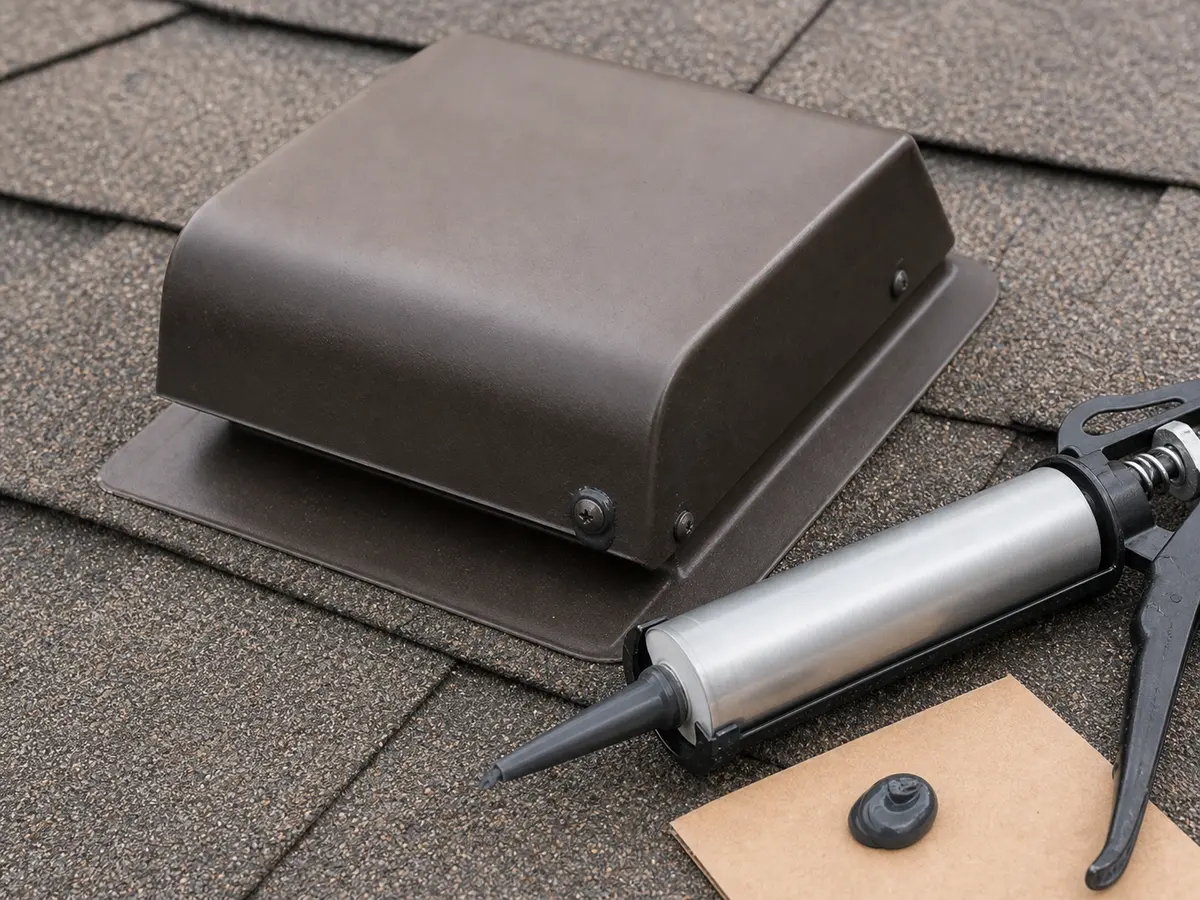
Helps when: A single confirmed fastener or small seam was opened during a tight, localized repair.
Skip it when: The flashing is lifted, the metal is rusted or torn, shingles are loose, or water staining is present.
Compare roofing sealants on Amazon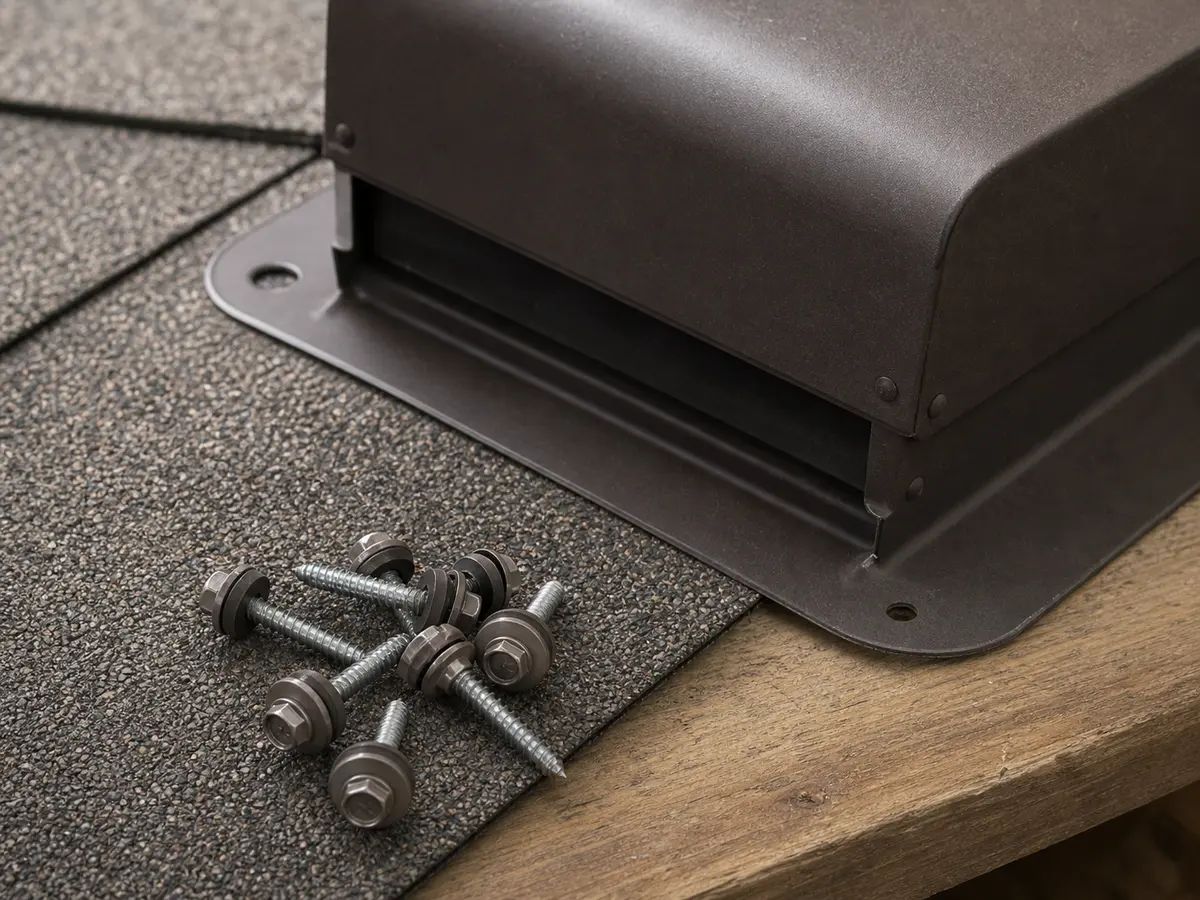
Helps when: The original vent cap uses screw fasteners and one sound attachment point needs a matching exterior-rated replacement.
Skip it when: The old hole is enlarged, the cap tab is torn, or the fastener would puncture a new roof location.
Compare roofing screws on Amazon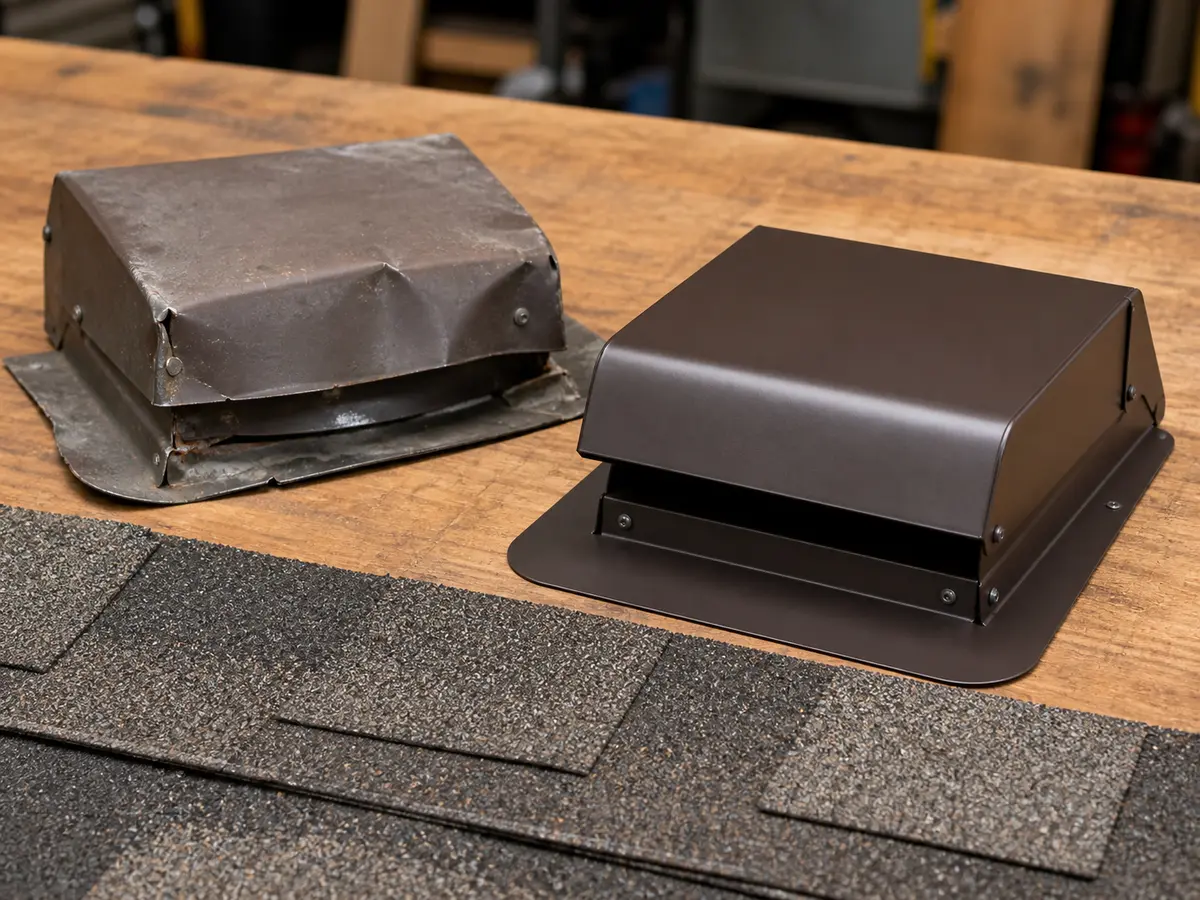
Helps when: The cap is cracked, badly bent, rusted through, or torn at the attachment point while the surrounding flashing stays sound.
Skip it when: The base flashing or shingles are part of the failure. That usually moves the job to a roofer.
Compare roof vent caps on Amazon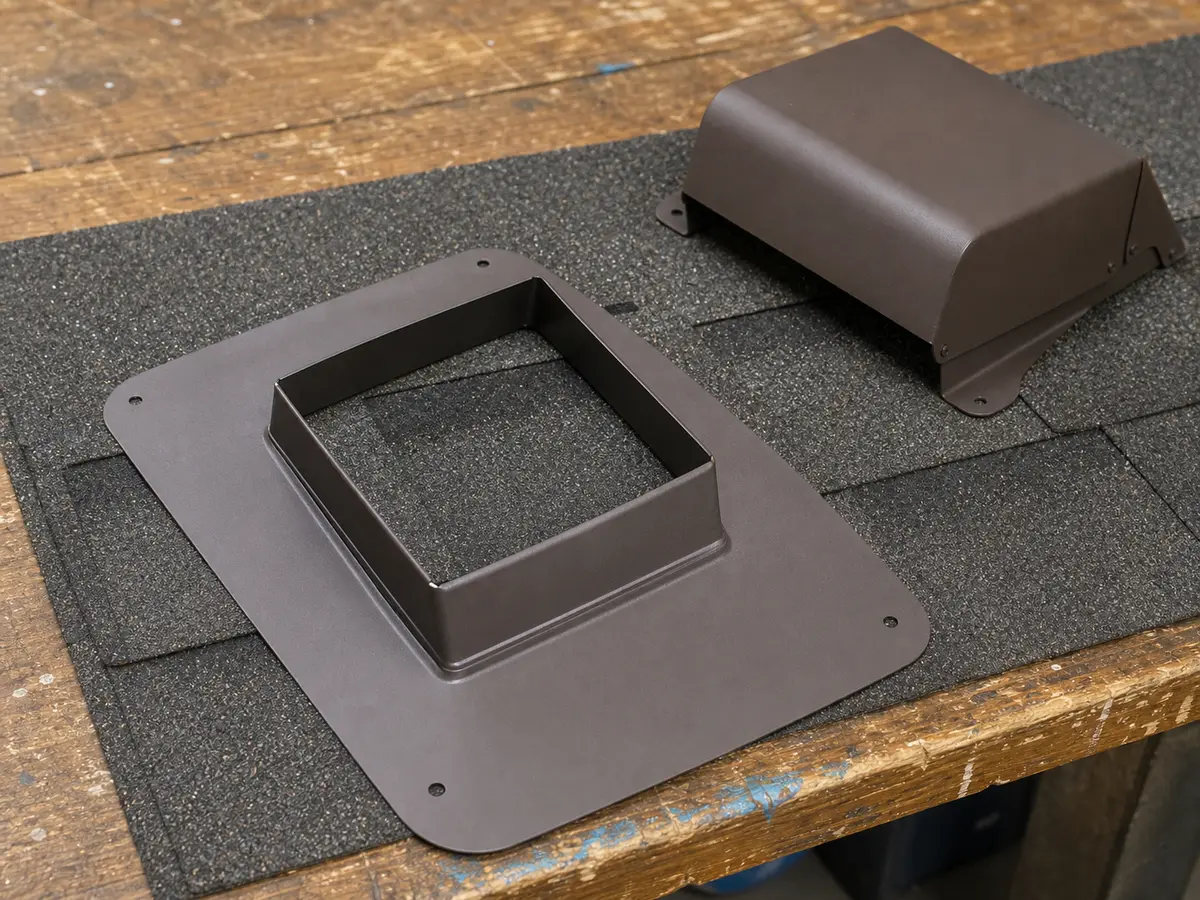
Helps when: A roofer has confirmed the vent base is distorted or leaking and replacement is the correct repair path.
Skip it when: You are trying to quiet a rattle without confirming the exact flashing style, roof material, and leak risk.
Compare roof vent flashing on AmazonAs an Amazon Associate I earn from qualifying purchases. Repair Riot may earn a commission at no extra cost to you.
A roof vent rattle is a DIY check only until the repair crosses into roof access, weatherproofing, or hidden water damage.
Yes. A loose cap, backed-out fastener, or lifted flashing edge can rattle in wind and let driven rain under the vent. If you hear noise and see attic staining, treat it as both a noise and leak issue.
No in most cases. If the moving piece is still loose underneath, the noise comes back and the extra sealant makes the later flashing repair messier.
A loose duct or damper makes a noise you can often reproduce by moving it gently from the attic. A roof-side problem shows up at the cap, flashing, or nearby shingles and may be louder with wind from one direction.
Not always. One loose cap fastener or one small lifted edge may only need a localized repair. Replace the vent when the metal is rusted through, cracked, torn at the fasteners, or unable to sit flat and watertight.
Roof cavities and attic spaces can amplify light metal movement. A small chatter at the vent can echo through framing and drywall, so the sound indoors can seem worse than the actual defect.
Yes. Start in the room below, check the attic side, and compare roof vents from the ground with binoculars. Those checks can point you toward the cap, flashing edge, attic duct, or nearby shingle.
Use that as a direction clue. One-sided wind noise often points to one lifted flashing edge, one loose shingle tab, or one cap edge that catches gusts from that side.
No. Tighten only a fastener that clearly holds the loose cap or hood and still has a sound attachment point. Random tightening can strip holes, distort thin metal, or create a leak path.
Use roof-compatible sealant only after the loose part is secured. Keep it to the fastener or small seam you disturbed, not as a blanket patch over loose flashing, rusted metal, or moving shingles.
Tell them where the sound is loudest indoors and whether it sounds like chatter or a flap. Add what you saw from the attic, especially stains, damp insulation, a crooked cap, or a lifted edge.
Repair Riot built this page around safe access first, attic-side sorting, visible roof-penetration clues, and diagnosis-before-parts advice. Public sources support the ladder safety and attic ventilation context; the rattle sequence and parts boundaries are original Repair Riot guidance.