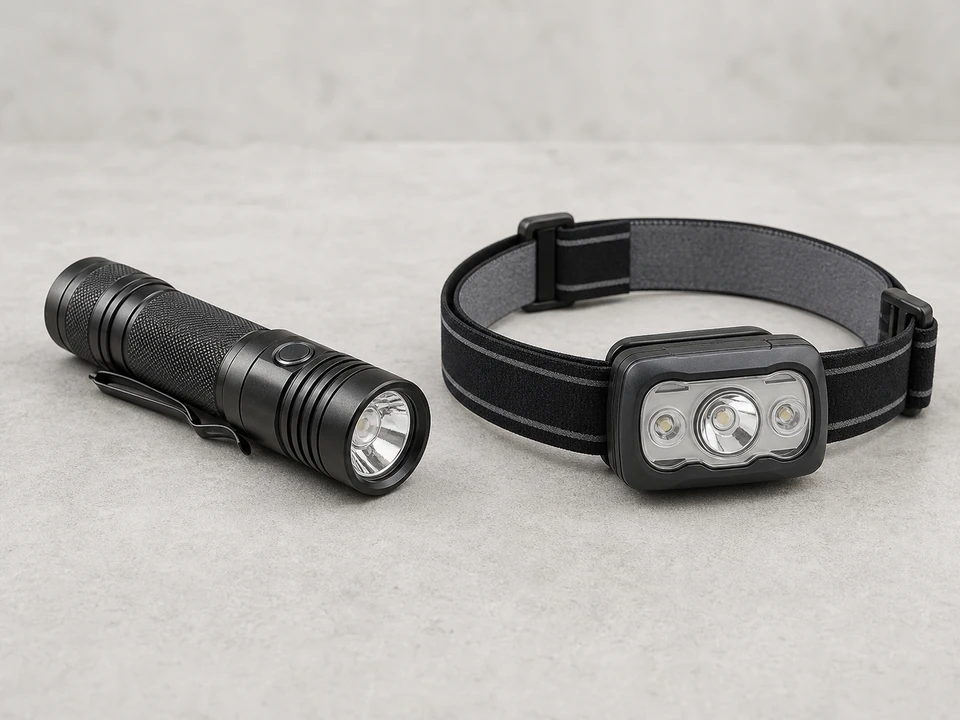
Flashlight
Use it for: To look into the sink opening and check for a blockage without putting your hand inside.
Shop flashlightsIf your garbage disposal suddenly stopped, hums without spinning, or will not turn on after a jam, you can often reset it by turning off power, clearing the jam, pressing the reset button on the bottom of the unit, and testing it again.
A disposal reset is usually a quick fix after the motor overload trips. The key is making sure the chamber is clear before you restore power, so you do not reset a jammed unit and trip it again right away.
Before you start: Match the part or procedure carefully before you start. Stop if the repair becomes unsafe or unclear.
Use it for: To look into the sink opening and check for a blockage without putting your hand inside.
Shop flashlights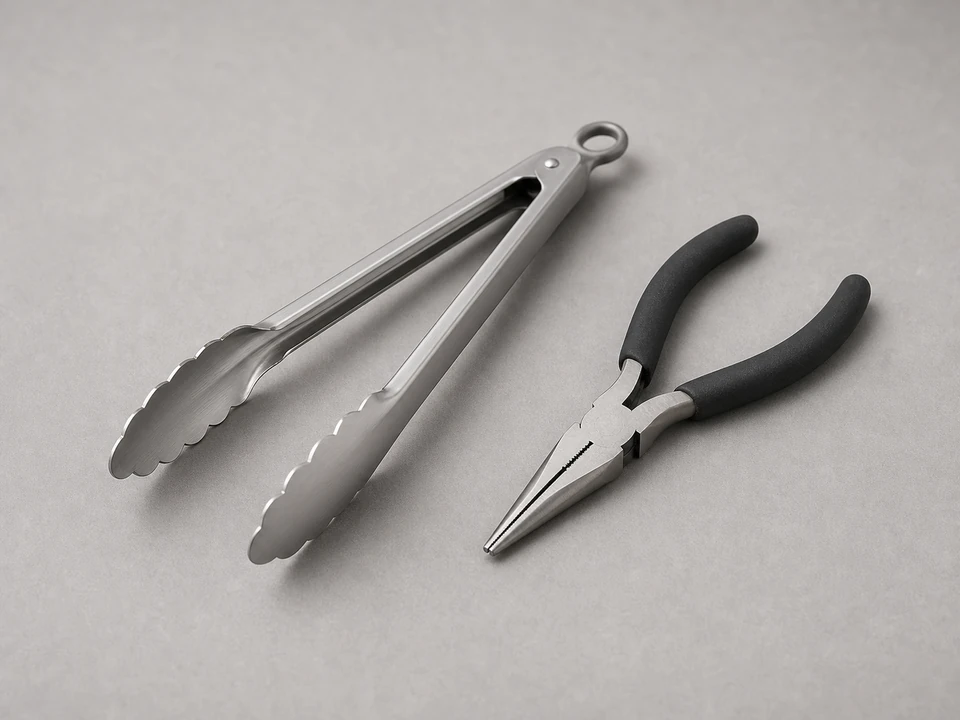
Use it for: To pull out a utensil, bone, or other object from the disposal safely.
Shop needle-nose pliers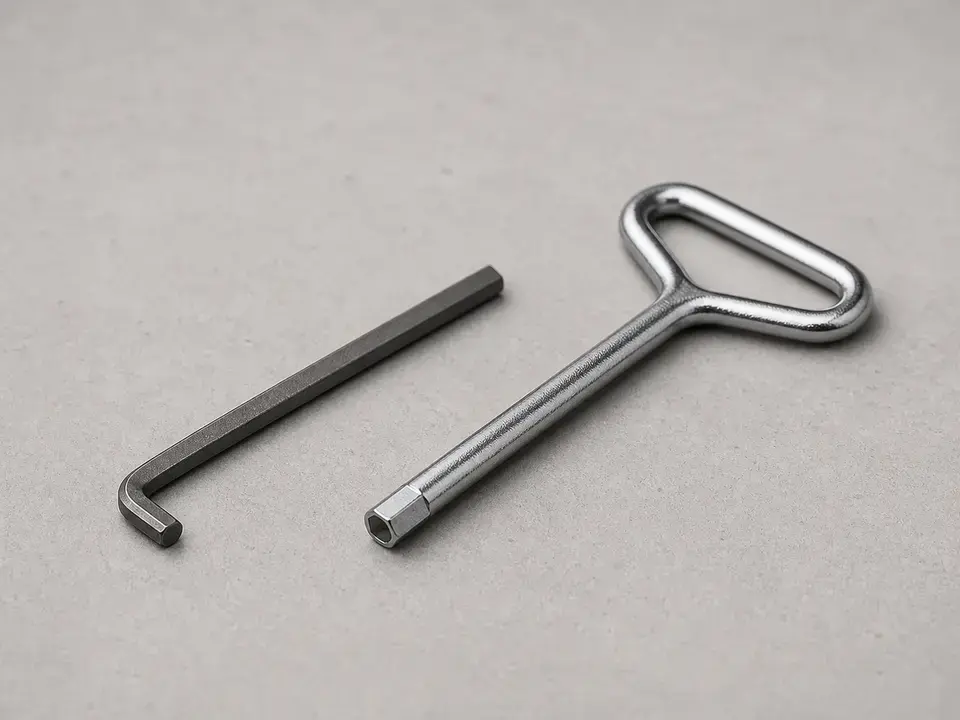
Use it for: Many disposals can be turned from the bottom with a small hex key to free a jam.
Shop disposal hex keys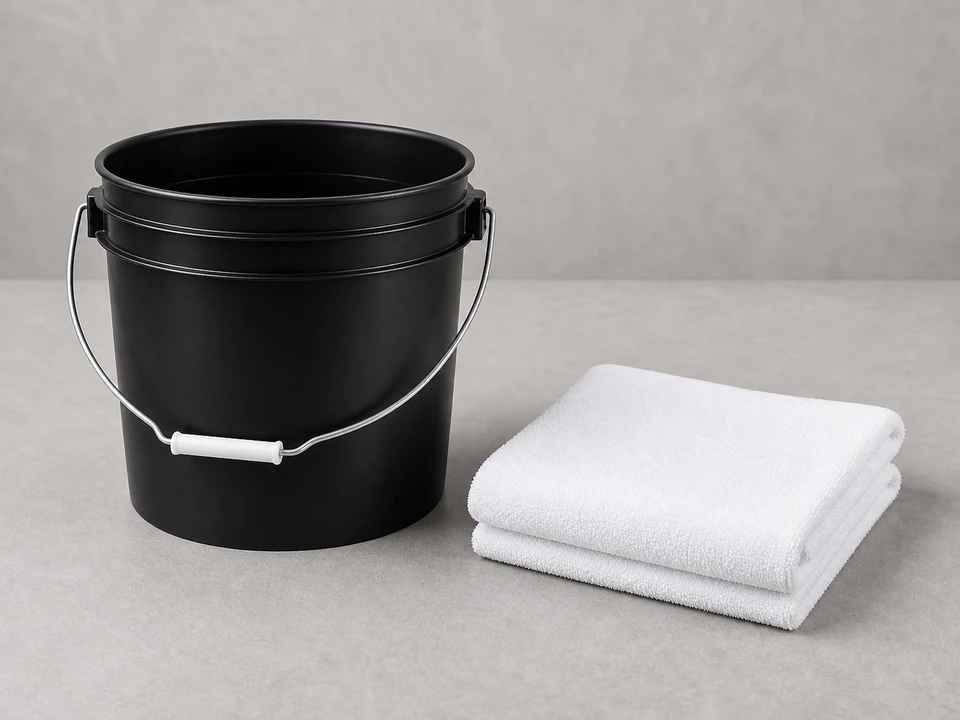
Use it for: To catch drips if you need to work under the sink.
Shop absorbent towelsAs an Amazon Associate I earn from qualifying purchases. Repair Riot may earn a commission at no extra cost to you.
If it works: You have a stopped disposal and the switch is off, so you can check it safely.
If it doesn’t: If the disposal runs normally, you do not need a reset. If the sink is leaking heavily or the unit is hanging loose, fix that problem first.
If it works: The disposal is disconnected from power and the grinding chamber is clear of obvious foreign objects.
If it doesn’t: If you cannot see well enough to confirm the chamber is clear, improve the lighting and check again before moving on.
If it works: The motor can be turned by hand from below and the jam feels cleared.
If it doesn’t: If the motor will not budge after several careful attempts, the disposal may have a seized motor or internal damage and may need service or replacement.
If it works: The reset button stays in and power is restored to the disposal.
If it doesn’t: If the button will not stay in, wait a few minutes for the motor to cool and try once more. If it still will not stay in, the overload may be tripping because of a deeper electrical or motor problem.
If it works: The disposal starts, spins normally, and drains without tripping again.
If it doesn’t: If it only hums, trips again, or will not start, turn it off right away. Recheck for a jam once more. If it still fails, the motor, switch, outlet, or wiring may need diagnosis.
If it works: The disposal handles a normal short run, starts reliably, and shows no leaks or repeat trips.
If it doesn’t: If the disposal works only intermittently or jams again right away, stop using it until you address the underlying blockage, dull internal parts, or failing motor.
It is usually a small button on the bottom of the disposal housing. You may need a flashlight to see it clearly under the sink.
The motor overload likely tripped to protect the unit after a jam, overheating, or a brief overload. Resetting only works if the cause has been cleared.
A hum usually means the motor has power but the grinding plate is stuck. Turn power off again, clear the chamber, and free the jam from below before testing again.
It is safer not to. Use pliers or tongs instead. Even with power off, the grinding components can have sharp edges and trapped objects can shift suddenly.
If it will not turn by hand from below, keeps tripping after the jam is cleared, leaks from the housing, smells burned, or makes harsh metal noises, the problem is likely beyond a simple reset.