Is the compressor very hot?
Unplug, cool, and clean airflow before judging the protector.
Before replacing a Mossy Oak chest freezer overload protector, check compressor heat, airflow, wall power, and the start-device area. A damaged protector after cool-down and good power is the usual buy signal.
Overload trips usually come from heat, weak supply, a failed protector, a start relay issue, or a hard-starting compressor.
Sort heat and power before ordering the protector.
Don’t start with: Do not defeat the overload protector or keep restarting a hot compressor.
Unplug, cool, and clean airflow before judging the protector.
Leave the freezer unplugged and fix the supply path first.
A matched overload protector or relay-overload assembly may be the right part.
Stop parts spending and get compressor diagnosis.
Use the lower compressor access area and the freezer thermometer. Heat, terminal condition, and temperature recovery matter more than guessing by sound alone.
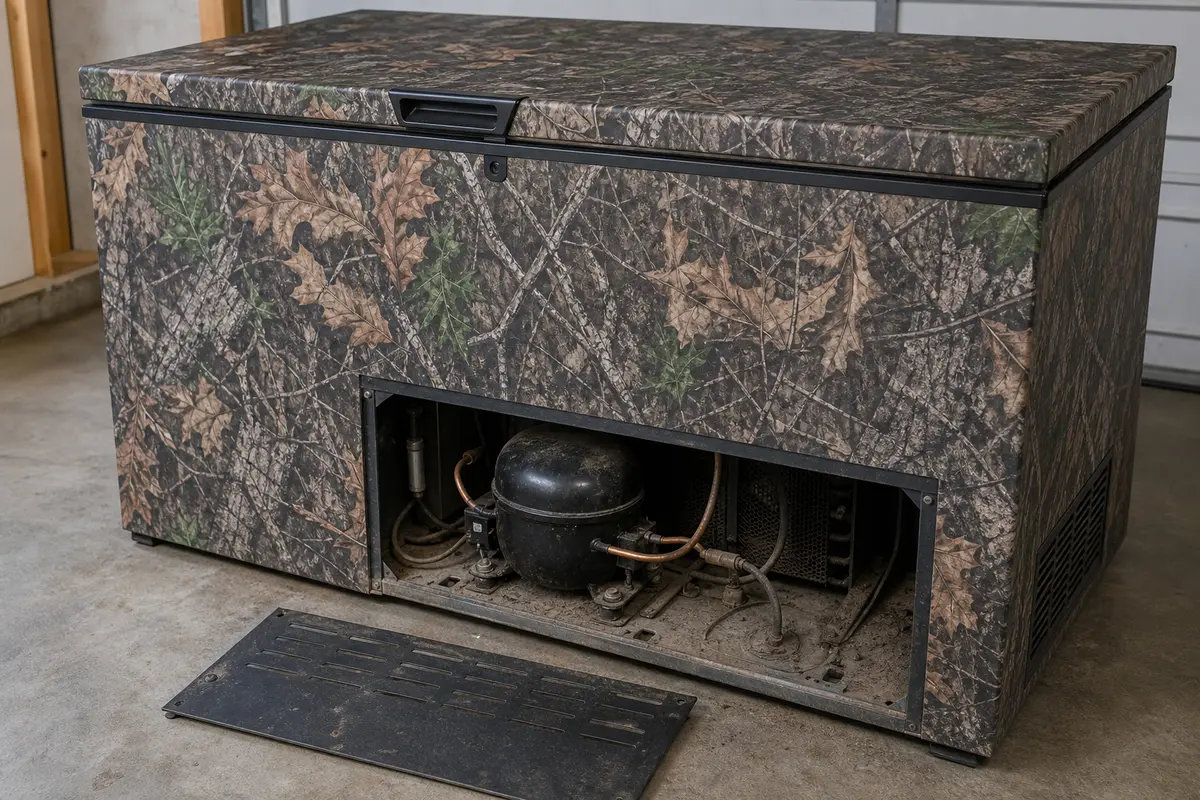
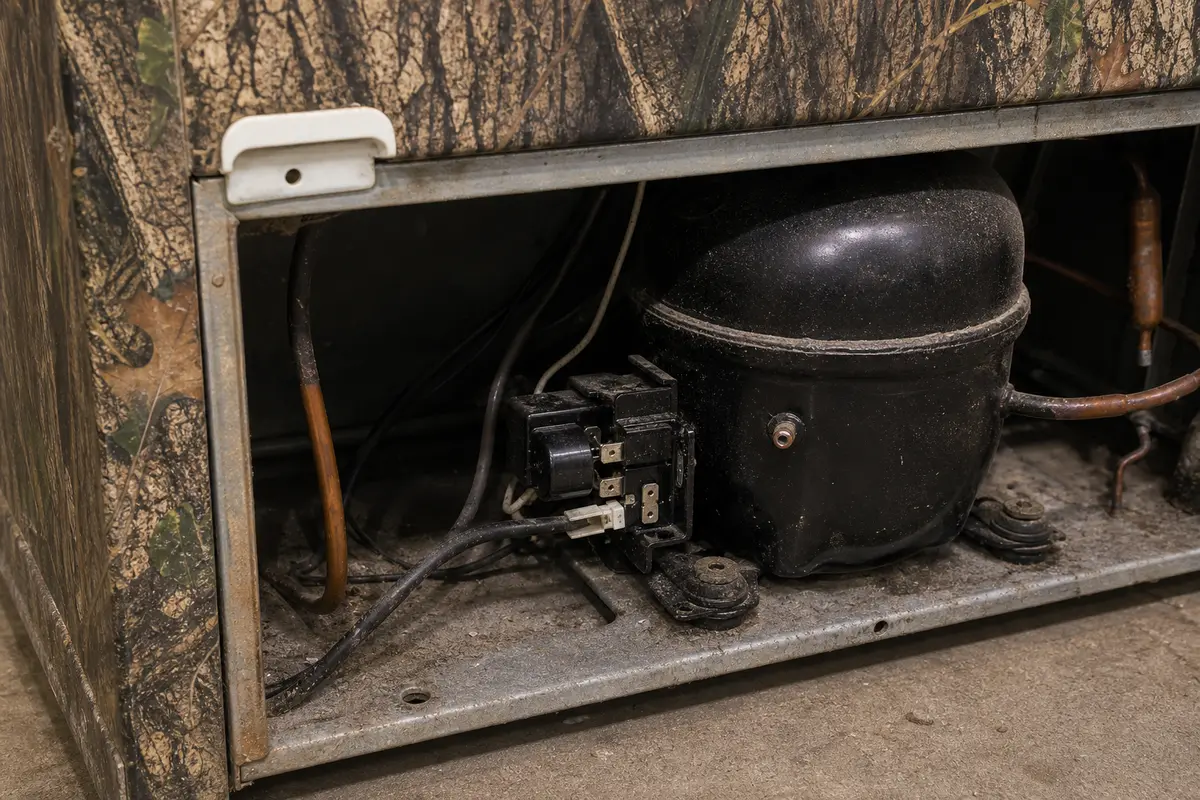
Confirm whether the overload is separate or combined with the start relay. Match the rating label, compressor terminal pattern, old housing shape, and printed rating before ordering.
A Mossy Oak chest freezer overload protector opens when the compressor draws too much current or gets too hot. That can be a bad protector, but it can also be a heat or compressor problem.
Do not treat the overload as a reset button. Its job is to stop an overheated or overcurrent compressor, so repeated cycling can make the failure worse.
The overload protector is one clue in a startup pattern. Use heat, power, and visible damage to decide whether it is a replaceable part or a symptom of a bigger failure.
| What you found | What it usually means | Best next move |
|---|---|---|
| Compressor area is dusty and very hot | Overload may be doing its job | Unplug, clean airflow, cool down, and retry once. |
| Outlet or plug is warm or loose | Supply problem can overheat the startup circuit | Leave it unplugged and repair the outlet path first. |
| Protector is melted, cracked, or smells burnt | Overload protector failure is supported | Match the exact protector or relay-overload assembly. |
| Clicks again with a new correct protector | Compressor or start circuit is drawing too much | Stop parts spending and call appliance service. |
| Freezer runs and temperature falls | Heat or overload part was addressed | Verify with a freezer thermometer through recovery. |
Many chest freezers hide brand differences behind the same basic compressor layout. The rating label and compressor terminal cover matter more than the front badge.
Paid links. As an Amazon Associate I earn from qualifying purchases. Repair Riot may earn a commission at no extra cost to you.
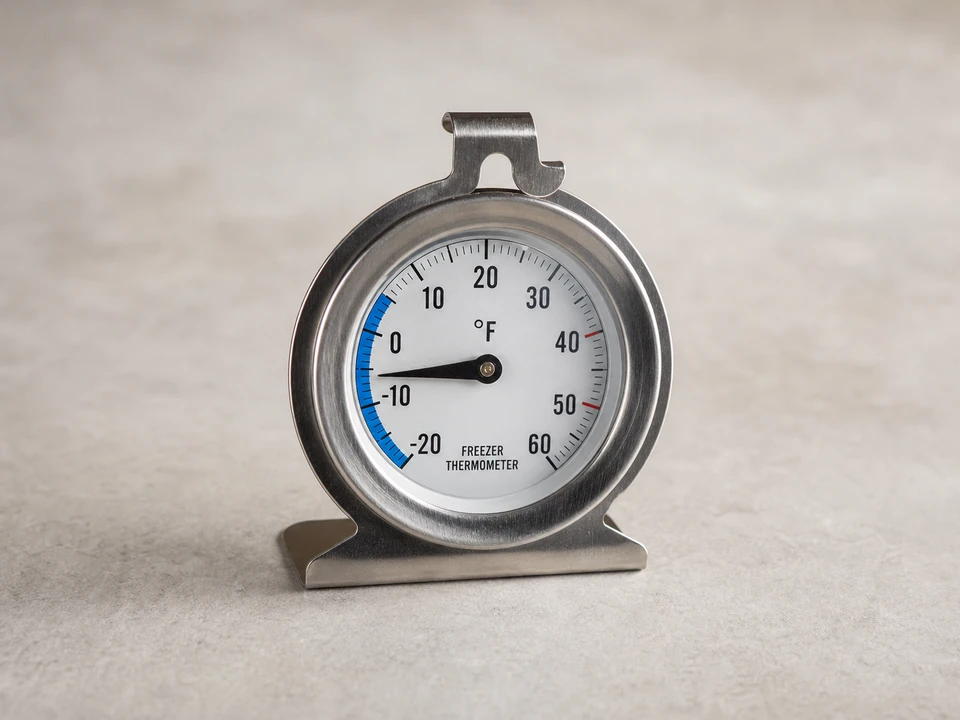
Helps when: You need to protect food and confirm recovery after the freezer starts again.
Skip it when: Food has already warmed past safe limits or the freezer will not run long enough to cool.
Compare freezer thermometers on Amazon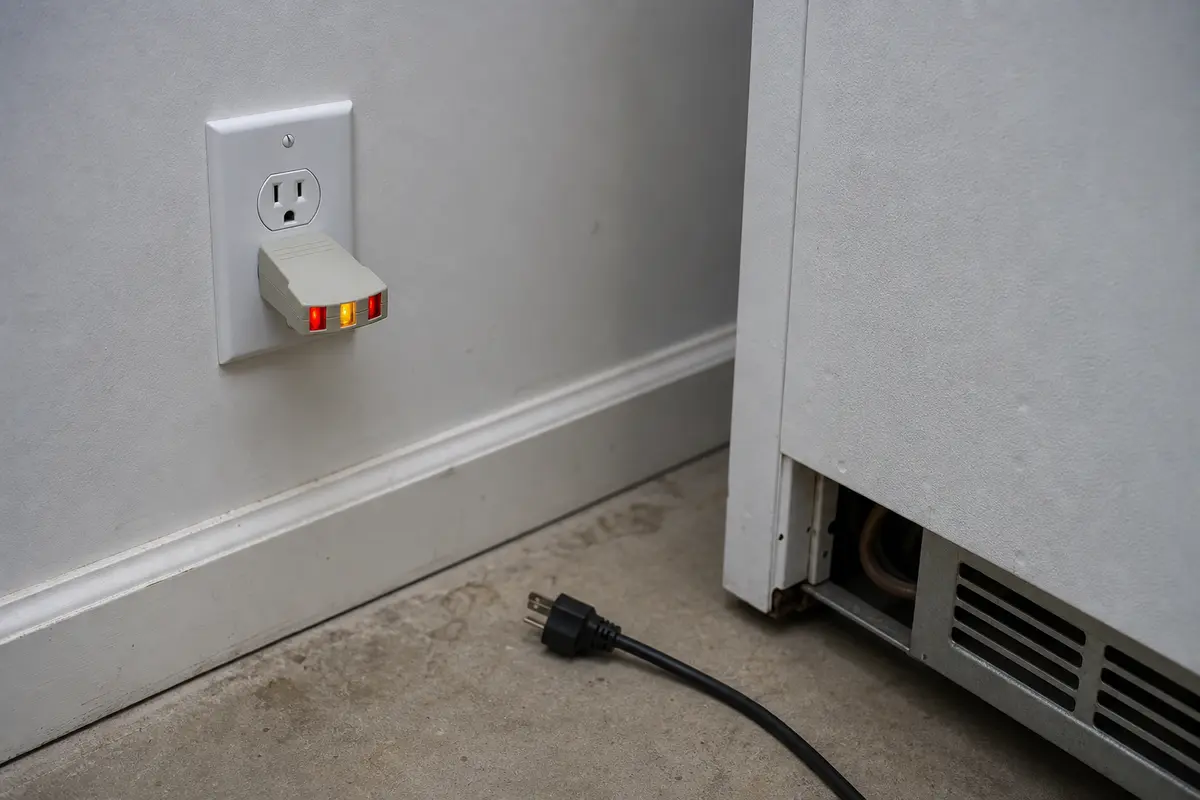
Helps when: The outlet is accessible and undamaged, and you want a simple supply check before opening the freezer.
Skip it when: The outlet is hot, scorched, loose, wet, or repeatedly trips.
Compare outlet testers on AmazonPaid links. As an Amazon Associate I earn from qualifying purchases. Repair Riot may earn a commission at no extra cost to you.
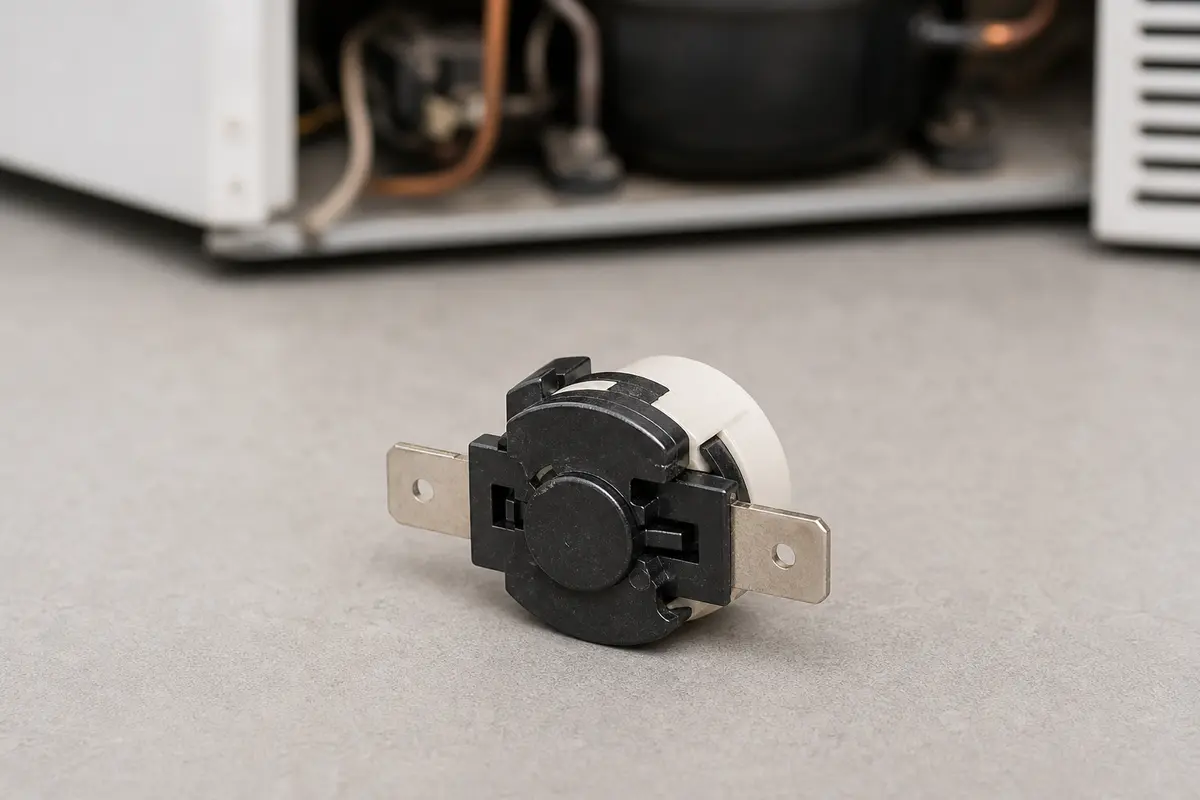
Helps when: The old protector is damaged or heat-stressed after power and airflow checks pass.
Skip it when: The compressor terminals are burnt, or your model uses a combined relay-overload assembly.
Compare overload protectors on Amazon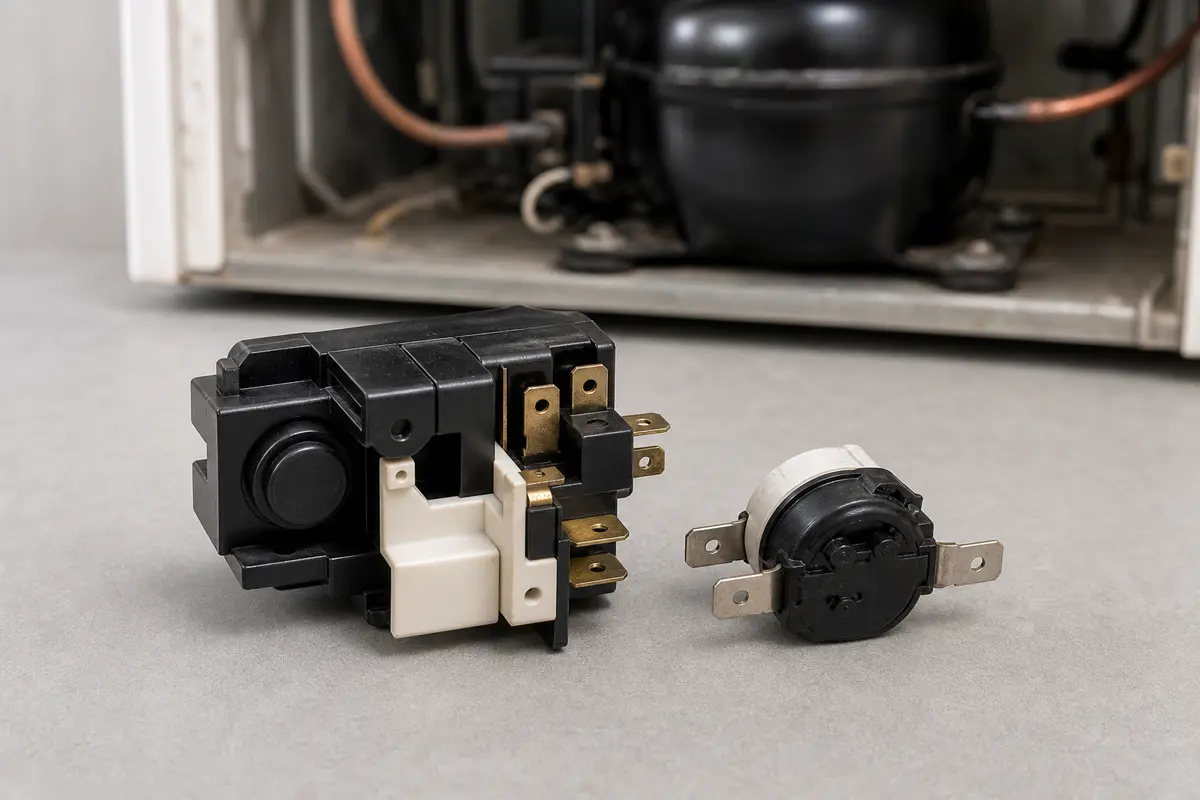
Helps when: Your old device and model diagram show the relay and overload are sold as a single compressor start device.
Skip it when: The old overload is separate and the listing does not match the compressor terminal pattern.
Compare relay overload assemblies on AmazonIt opens the compressor circuit when heat or current is too high, helping prevent unsafe compressor operation.
No. It may be reacting to heat, weak power, a start relay problem, or a hard-starting compressor.
No. Do not defeat the overload. It is a safety device, and removing its protection can damage the compressor or create unsafe heat.
It is usually mounted with the start device at the compressor terminal area behind the lower access cover.
Use the model tag, compressor label, terminal pattern, old housing shape, and whether the relay and overload are combined.
The compressor may be overheating, drawing too much current, or struggling to start. The overload opens and you hear the click.
Only if your model uses a combined assembly or diagnosis supports a relay failure as well as overload trouble.
If a correct protector trips again, terminals are burnt, or the compressor will not start after airflow and power are right, get service before buying more parts.
Repair Riot built this page around visible symptoms, safe homeowner checks, model-tag part matching, and stop points where electrical, sealed-system, gas, or HVAC work should move to a qualified pro.