Does the door fail to close freely or show a door alarm?
Remove bins, drawers, and tall food from the closing path. Check the gasket is seated and lies flat after cleaning with water and drying.
First check: record the exact warning. After a known warm-up event, keep doors closed and measure recovery. A repeating closed-door alarm needs Miele Service.
Check door closure, gasket seating, affected zone, and measured temperature before buying anything.
A post-loading or post-power alarm may clear. A recurring closed-door alarm needs the exact Miele path.
Don’t start with: Do not buy internal cooling or control parts from the beep alone.
Remove bins, drawers, and tall food from the closing path. Check the gasket is seated and lies flat after cleaning with water and drying.
Record the affected zone, keep doors closed, and monitor recovery with thermometers. Miele lists those events as possible temperature-alarm triggers.
Use the exact model manual and Miele Service route. Do not turn this symptom into a generic fan, defrost, or condenser-parts repair.
Check only accessible power basics and the exact display flag. A repeated trip, no cooling, or a Miele-specific error ends the generic DIY path.
Work from the display, door closure, and thermometer record. Avoid treating a generic beep as proof of a hidden component failure.
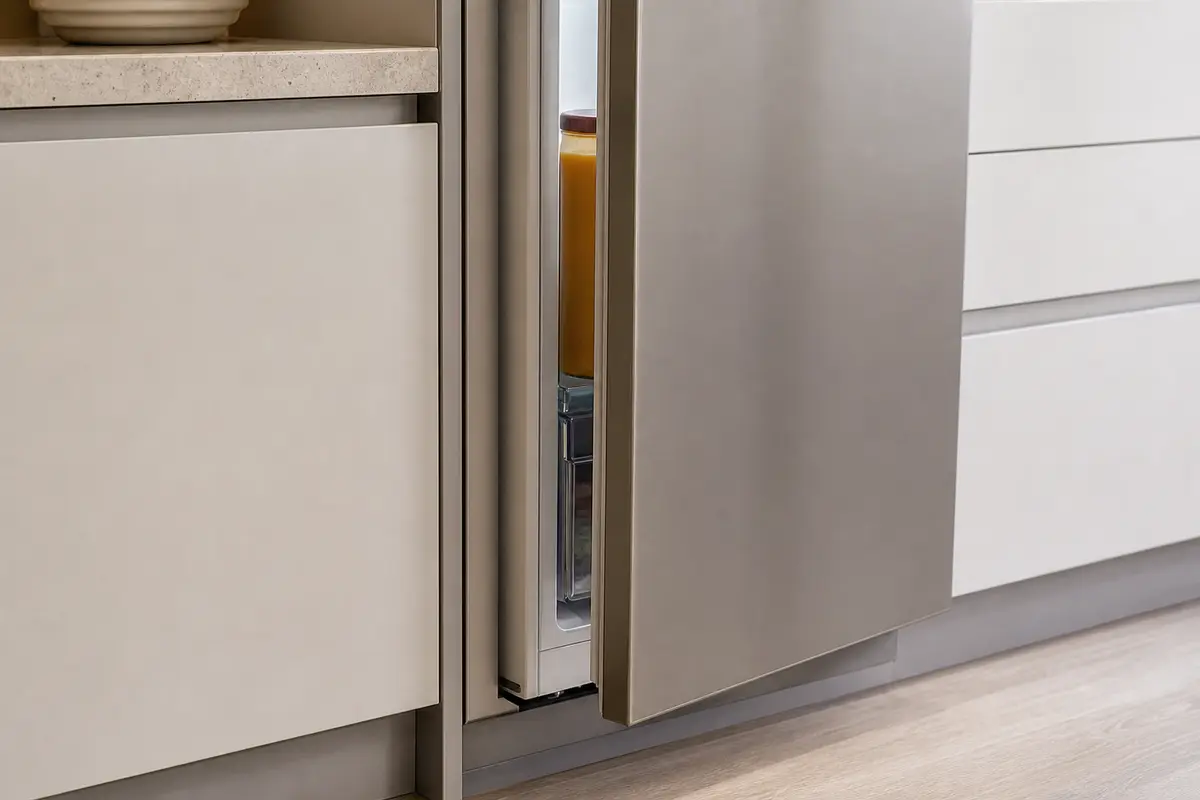
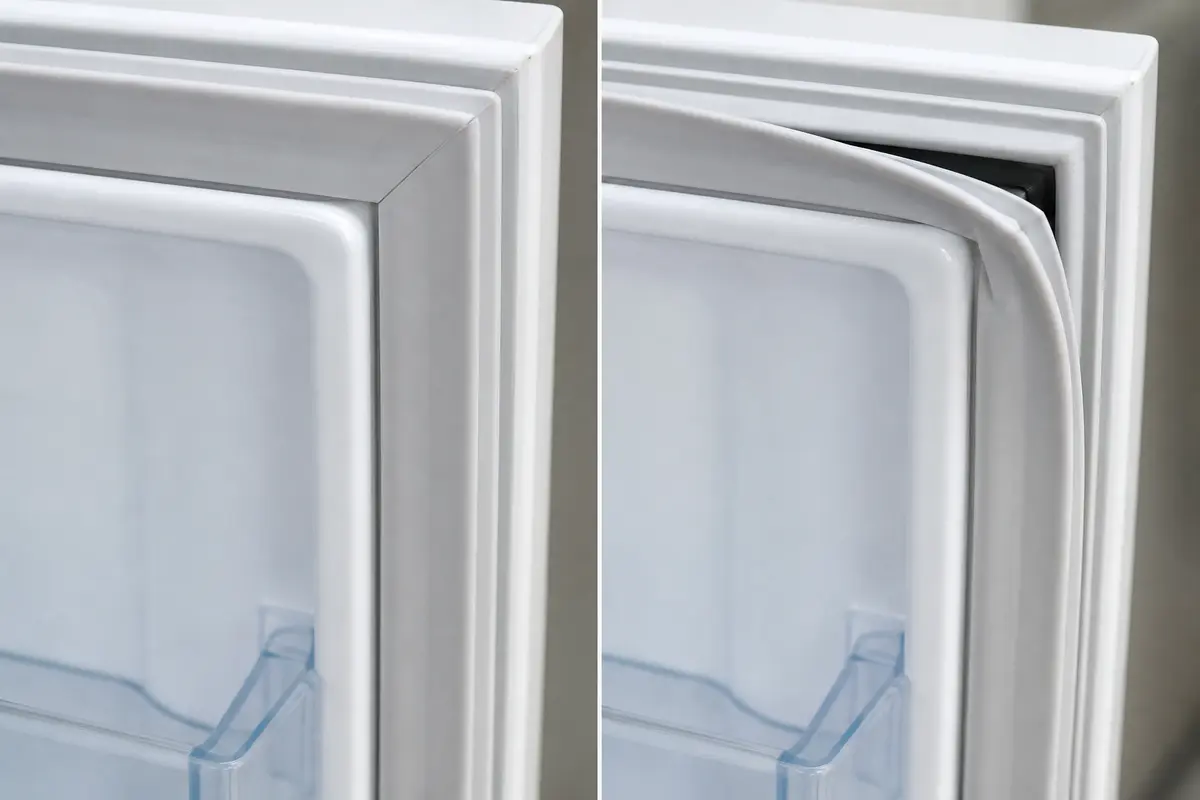
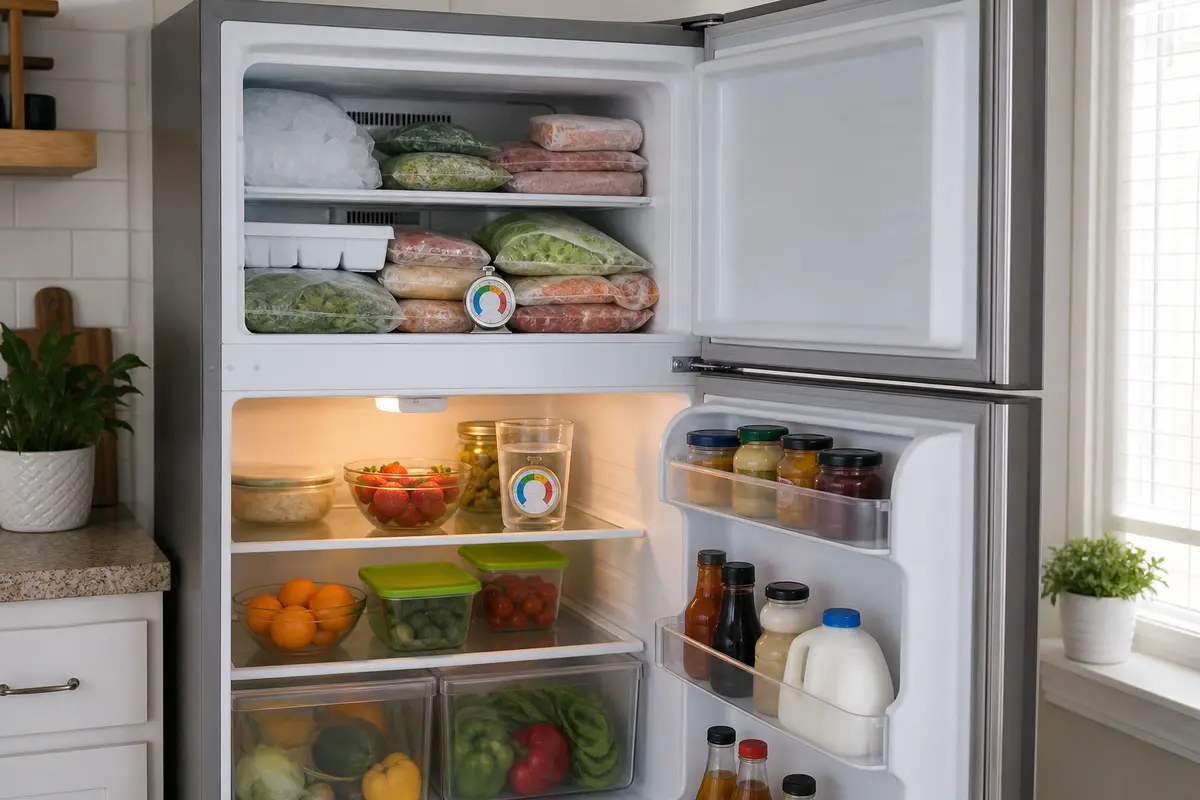
Record the full Miele model number, the exact display text or icon, affected zone, displayed and measured temperatures, recent door-open/loading/power event, visible obstruction, gasket condition, and whether the unit is built-in. That record decides whether a gasket is justified or service is the correct next step.
The alarm is a message, not a parts diagnosis. Preserve its clues and keep the inspection within owner-accessible areas.
A door alarm, flashing temperature display, and model-specific message do not mean the same thing. Take a photo or write down the wording, zone, and displayed temperature first.
Start with the physical closure path. A bottle, drawer, bin, or gasket corner can leave a door short of the cabinet even when it looks nearly closed.
Miele lists frequent opening, loading fresh food, and power interruptions as temperature-alarm causes on applicable models. Meters turn that possibility into a useful record.
This is where the page intentionally stops short of generic repair. Miele says an alarm with the door closed while the appliance otherwise appears normal should be handled through Miele Service for applicable models.
These tools help document a simple closure or recovery event. They do not diagnose sealed cooling or internal electrical faults.
Paid links. As an Amazon Associate I earn from qualifying purchases. Repair Riot may earn a commission at no extra cost to you.
Helps when: They confirm whether the alarm corresponds to a real temperature problem and let you record recovery in both zones.
Skip it when: Skip a purchase if you already have reliable appliance thermometers; do not use a single room thermometer as a substitute.
Shop refrigerator and freezer thermometers on Amazon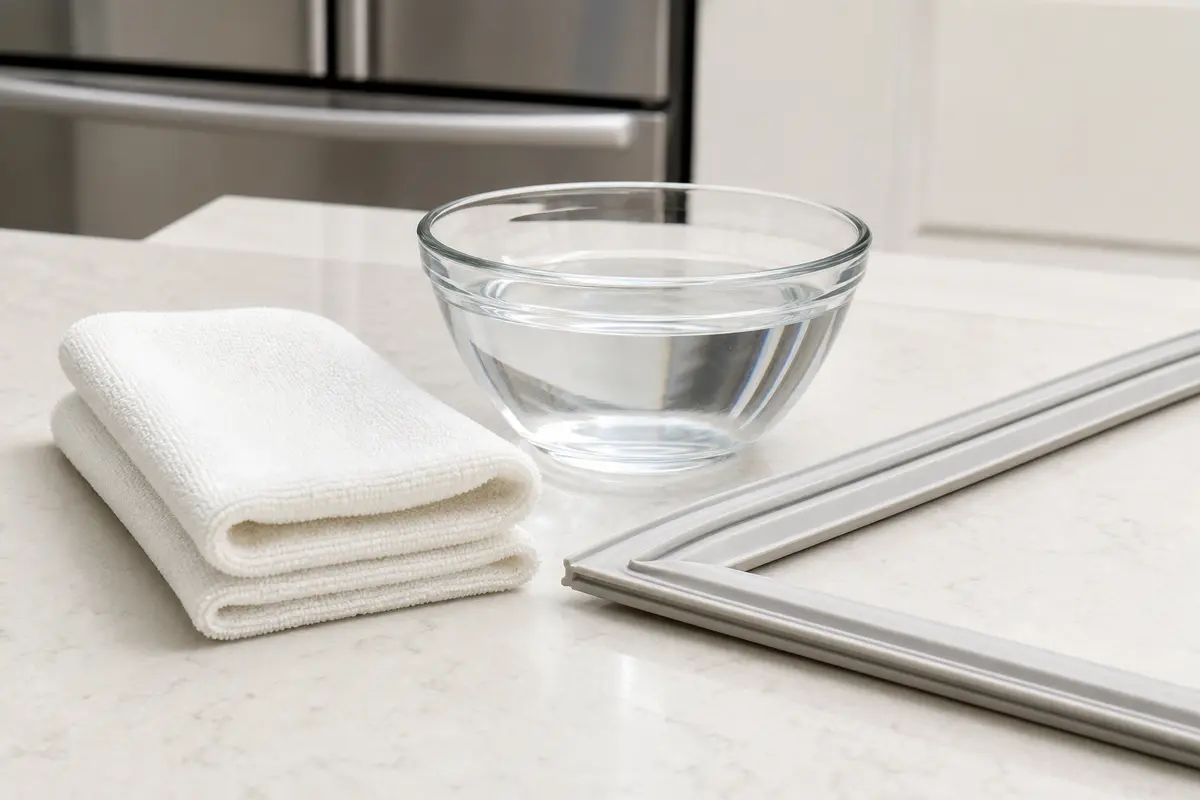
Helps when: It cleans food residue from the gasket and cabinet contact surface so you can see whether the seal lies flat.
Skip it when: Skip it if a clean soft cloth is already available. Do not use grease, oil, or harsh solvents on the gasket.
Shop soft microfiber cloths on AmazonOne part belongs here only when the visible evidence supports it. Internal cooling and electronic parts are deliberately omitted.
Paid links. As an Amazon Associate I earn from qualifying purchases. Repair Riot may earn a commission at no extra cost to you.
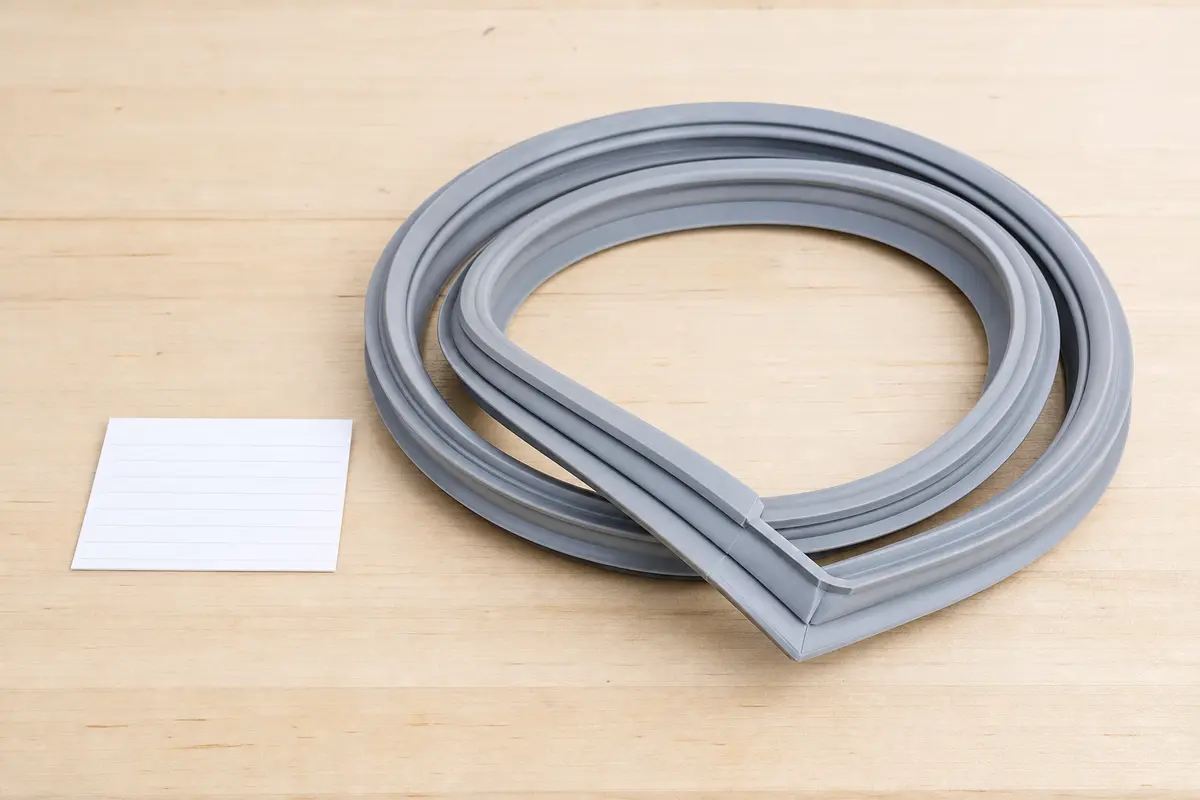
Helps when: The correct door's gasket is visibly torn, permanently displaced, damaged, or will not lie flat after cleaning and reseating.
Skip it when: Skip it for a simple loading obstruction, a gasket that reseats and seals, a blank display, no cooling, or a closed-door alarm with no visible gasket fault.
Find an exact-model Miele door gasket on AmazonThe successful result is not merely a silent alarm. The door should close freely, temperatures should remain safe, and a persistent closed-door alarm should have an exact-model service record.
First identify whether it is a door alarm, flashing temperature alarm, or another message. Remove any obstruction, check the gasket is seated and clean, then record the warning and temperatures. Miele directs applicable persistent closed-door alarms to its service path.
Yes. Miele lists frequent door opening, loading fresh food, and a power interruption as possible temperature-alarm causes on applicable models. Keep doors closed and measure recovery rather than guessing at a part.
Not from this symptom alone. Clean only a user-accessible ventilation grille if the exact manual permits it. Do not remove panels, diagnose fans by holding switches, or order internal parts for a persistent Miele alarm.
Do not change settings blindly. For the applicable Miele closed-door alarm condition associated with high ambient temperature during defrost, follow the exact Miele instruction while arranging service. For a recent warm-up event, measure recovery with the doors closed.
Use service for a closed-door alarm that repeats, no cooling, a returning model-specific message, a breaker trip, damaged wiring or cord, or any work inside sealed cooling or electrical areas. Protect food temperatures first.
Use an appliance thermometer in a glass of water in the refrigerator and another between frozen packages in the freezer. FDA recommends 40°F or below in the refrigerator and 0°F in the freezer.
Only consider an exact-model gasket when it is visibly torn, damaged, displaced, or will not lie flat after gentle cleaning and reseating. A normal-looking gasket does not explain every alarm.
No. Exterior warmth can be normal. A burning odor, no cooling, damaged wiring, or a repeated breaker trip is different and should end the homeowner diagnosis.
Record the full model number, exact warning, affected zone, displayed and measured temperatures, recent door, loading or power events, and any visible gasket or closure issue.
Repair Riot built this page around Miele's alarm-specific guidance instead of generic refrigerator parts advice. The exact operating instructions for the full model number control.