Is there visible foam or did detergent/additives change?
Let the washer finish clearing the suds. On the next load, use HE detergent, measure it carefully, and leave out scent beads, boosters, and other extras.
The Maytag Sd or SUD message usually means the washer is spending extra time clearing excess detergent. Unless it leaks, overflows, smells burnt, or trips power, let the routine finish. On the next load, use HE detergent and measure the label amount.
Lots of foam usually means too much detergent. If there is little foam but water is left in the drum, check the drain hose and any filter your model's manual says you can reach.
Watch the foam and the water left in the drum. Those two clues separate excess detergent from a drain restriction.
Don’t start with: Do not cancel the cycle right away or buy a drain pump just because you can hear it humming.
Let the washer finish clearing the suds. On the next load, use HE detergent, measure it carefully, and leave out scent beads, boosters, and other extras.
Unplug the washer and check the part of the drain hose you can see. Straighten any kink or crushed section. Use your model's installation guide for the correct hose position.
Follow the manual step by step and have a shallow pan and towels ready. Not every Maytag washer has a filter the owner can open.
Write down the model number, when the message appears, and whether water is left inside. A humming sound alone is not enough reason to replace the pump.
Look at the foam and the water left in the drum. Those two clues tell you what to check next.
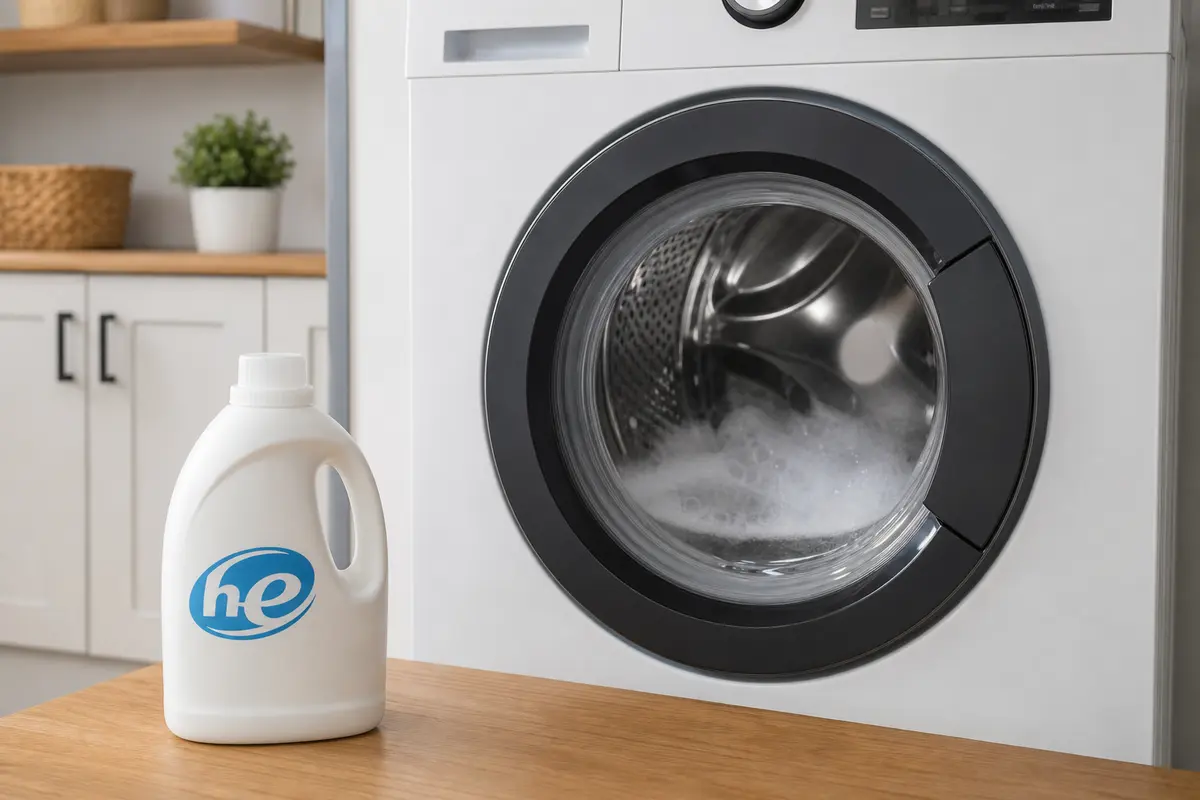
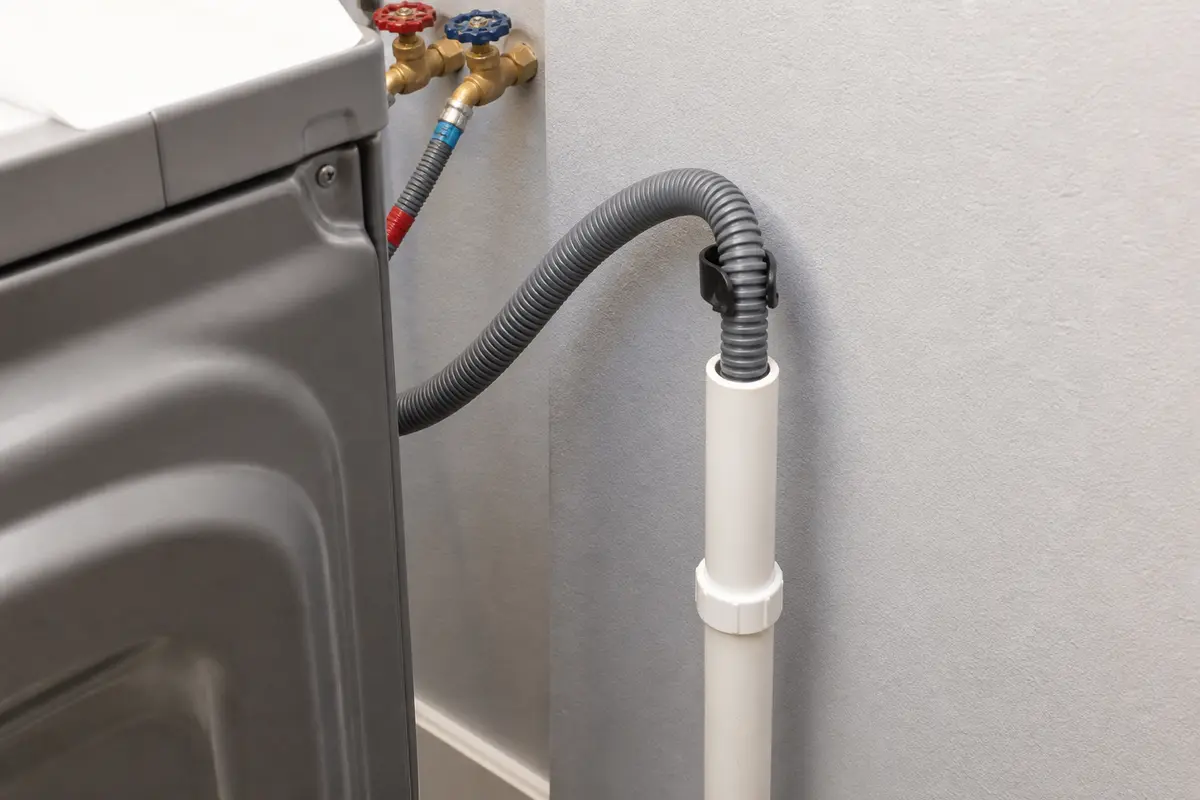
Before ordering anything, write down the full model number, how much detergent you used, whether you saw foam or standing water, and when Sd appeared. Check the drain hose and see whether the manual shows a filter you can open.
Give the washer a chance to clear the suds before taking anything apart.
An Sd or SUD message does not always mean the washer is broken. It may simply be working through too much soap.
Little foam and water left in the drum suggest that the washer may not be draining properly. That still does not prove the pump is bad.
Some Maytag models provide an owner-accessible pump filter; others do not.
A shallow pan and towels help catch water if your washer's manual shows a filter you can open.
Do not buy a part just because Sd appeared. Match any replacement to the full washer model number.
A few notes about what the washer is doing can prevent an expensive wrong guess.
Yes. Too much detergent, non-HE detergent, or extra detergent additives can create more suds than the washer can clear on schedule. Let the automatic suds routine finish, then run the next load with a measured amount of HE detergent and no boosters. If Sd returns with little foam and water left in the drum, check the accessible drain-hose route and only the filter access documented for the exact model.
Unplugging may clear the display without fixing the cause. Unless the washer is leaking, overflowing, smelling burnt, grinding, or tripping the breaker, let it finish clearing the suds. Measure the HE detergent on the next load.
Bulky loads hold more water and soap, so they expose borderline drain problems faster. They also tempt people to use extra detergent, which makes the issue worse.
Start simpler. Run rinse and spin with no detergent. Warm water and extra rinsing are usually enough. Do not mix cleaners or add random products trying to force the code away.
Possibly, but slow draining does not prove the pump is bad. A kinked hose, blocked filter, poor hose setup, or backed-up house drain can cause the same problem. Check those first and use the full model number before ordering a pump.
Usually not. On this symptom, soap use and slow draining are far more common than a failed board. Save electronics diagnosis for after the drain path and pump have been checked.
No. Filter location and owner access vary by model. Find the full model number and follow its owner manual; do not force a panel or copy a procedure from a different washer.
Use the installation instructions for the exact model. Standpipe height, insertion, and support requirements are not universal, so a generic measurement can create a siphoning or drain problem.
Repair Riot used Maytag's Sd/SUD and installation guidance. The owner manual for the full model number controls recovery behavior, drain routing, and pump-filter access.