Do you smell gas?
Turn the burner off, ventilate, and stop. Strong odor or delayed ignition needs the gas utility or a qualified technician.
If one LG gas cooktop burner won't ignite, stop first for gas odor or delayed whoosh. If there is no fuel smell building, let the burner cool, dry and seat the cap, clean loose debris from the ports, then compare spark at that burner with the others.
When the other burners light, watch the affected cap and port by the igniter. A wet cap, crooked cap, clogged port, or weak local spark is the first clue to check.
A burner that clicks but will not light is a surface clue until gas odor, missing spark, or repeated failure changes the path.
Don’t start with: the spark module. Prove the cap is flat, the ports are clean and dry, and the affected igniter or switch has a real clue first.
Turn the burner off, ventilate, and stop. Strong odor or delayed ignition needs the gas utility or a qualified technician.
Check cap seating, wet parts, debris near the igniter port, and whether the spark reaches the burner.
The local ignition switch or wiring path moves up the list after power and safety checks.
Focus on the affected burner cap, head, igniter, and switch, not the whole cooktop.
Check power to the cooktop, then stop for module or wiring diagnosis if power is present.
A bad cap or damaged head can block the flame path even when spark and gas are present.
A single burner that will not ignite is usually solved at the burner top or local spark path. Look at cap seating, ports, moisture, and igniter condition first.
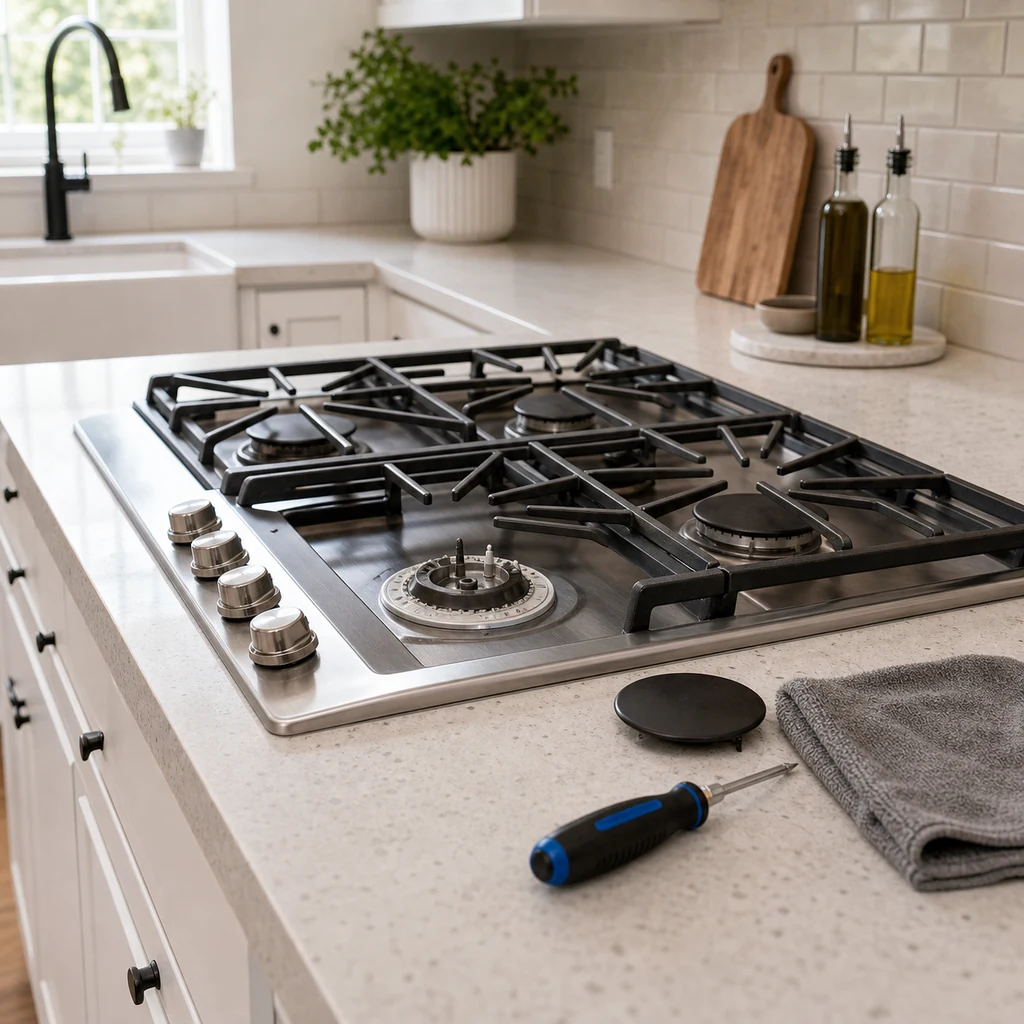
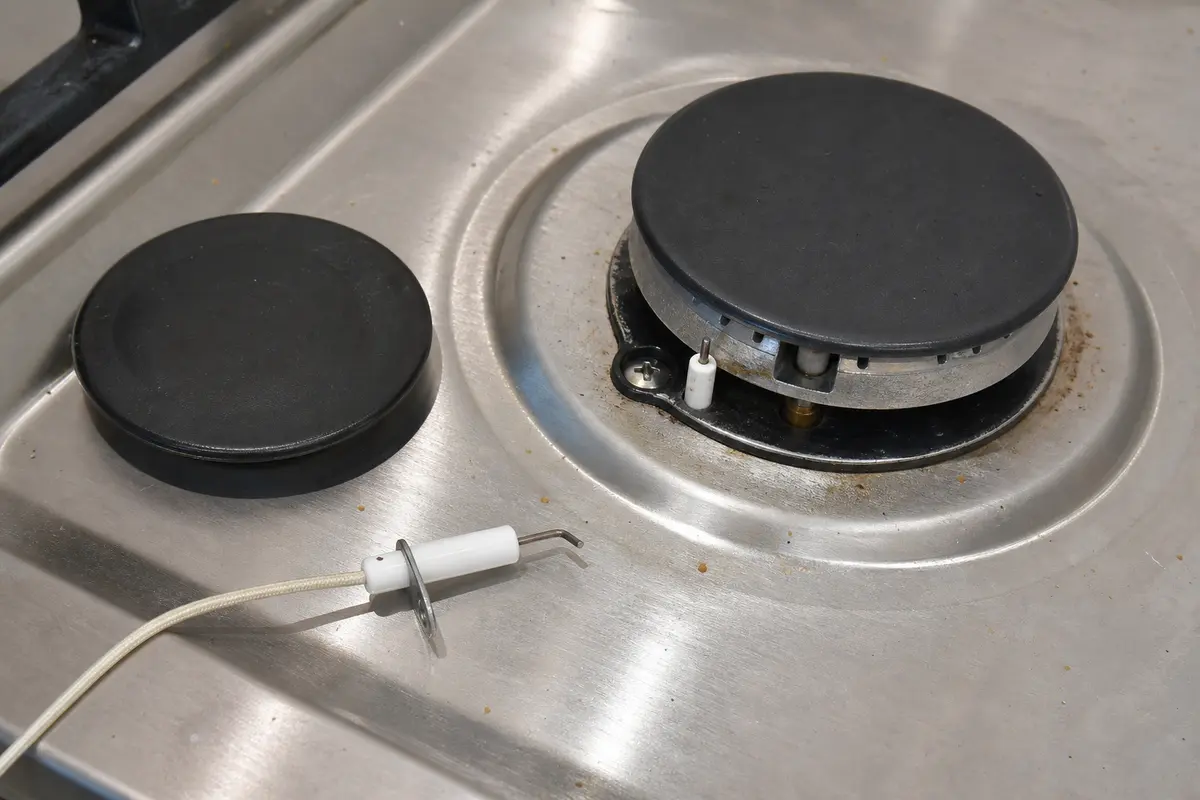
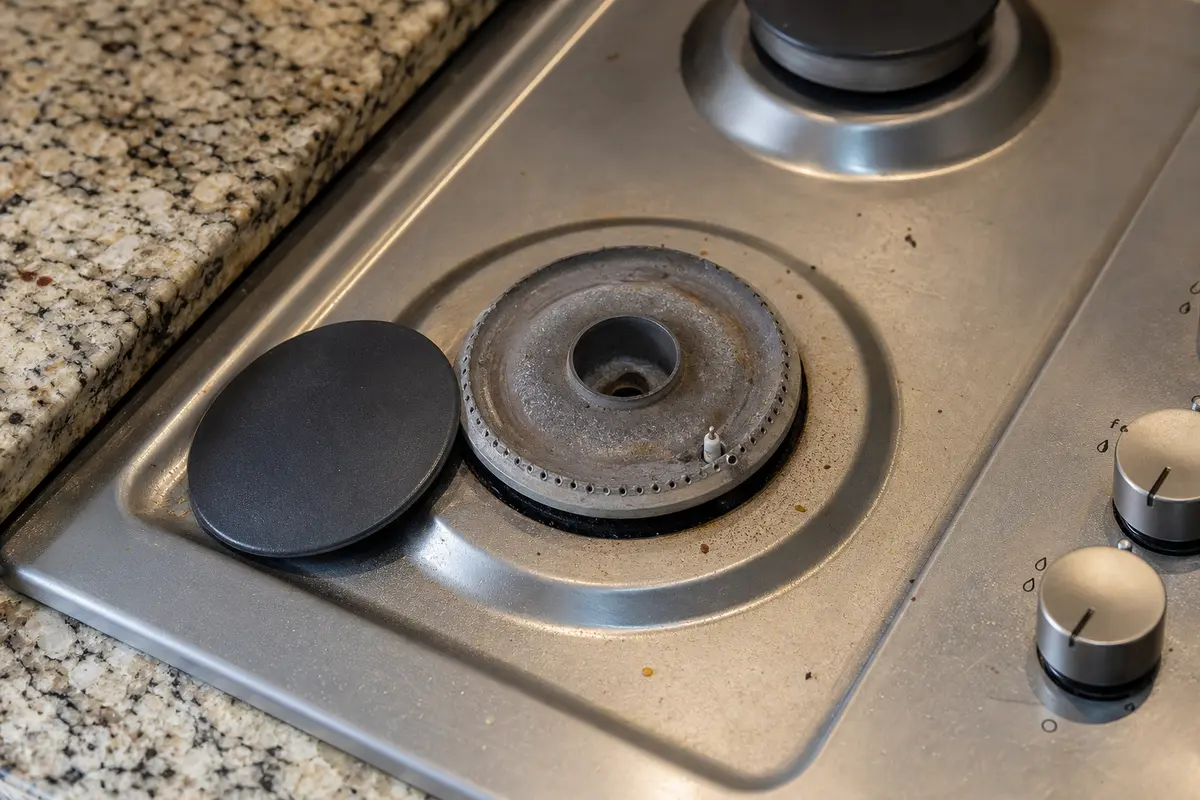
Before buying a spark igniter, ignition switch, burner cap, burner head, or spark module, copy the full model number and affected burner position. Match cap size, port pattern, igniter mounting, lead length, and switch connector. Gas odor or delayed ignition is a stop point, not a shopping shortcut.
If one LG gas cooktop burner will not ignite but the others do, the fault is usually local. Look for a wet cap, crooked cap, blocked port near the igniter, cracked igniter ceramic, or a knob switch that is not asking for spark.
A no-ignite burner is easy to make unsafe if you keep feeding gas while chasing spark.
Use one short test after the burner is clean, dry, and seated flat.
| What you see | What it usually means | Next move |
|---|---|---|
| Clicks and smells gas but no flame | Gas is present but ignition is not reaching the flame path. | Turn off the burner, ventilate, and clean/dry/seat the cap before one short retest. |
| Clicks with no gas smell at that burner | Port blockage, cap position, or burner valve/service issue is possible. | Stop if you are unsure; do not disassemble gas controls. |
| No click at one knob | Ignition switch or local wiring path is suspect. | Disconnect power before any switch access; use service if wiring access is unclear. |
| Spark jumps away from burner | Igniter ceramic, alignment, or burner ground path may be wrong. | Clean and dry first, then match the igniter only if damage remains. |
| All burners do not spark | Power, module, or wiring issue. | Check power only at the safe user level; use service for module or wiring diagnosis. |
Most no-ignite calls should pass through this step before parts.
Parts come after the burner top is clean, dry, and seated correctly.
These tools are for visible burner-top checks. They are not for opening gas lines or working around powered ignition wiring.
Paid links. As an Amazon Associate I earn from qualifying purchases. Repair Riot may earn a commission at no extra cost to you.
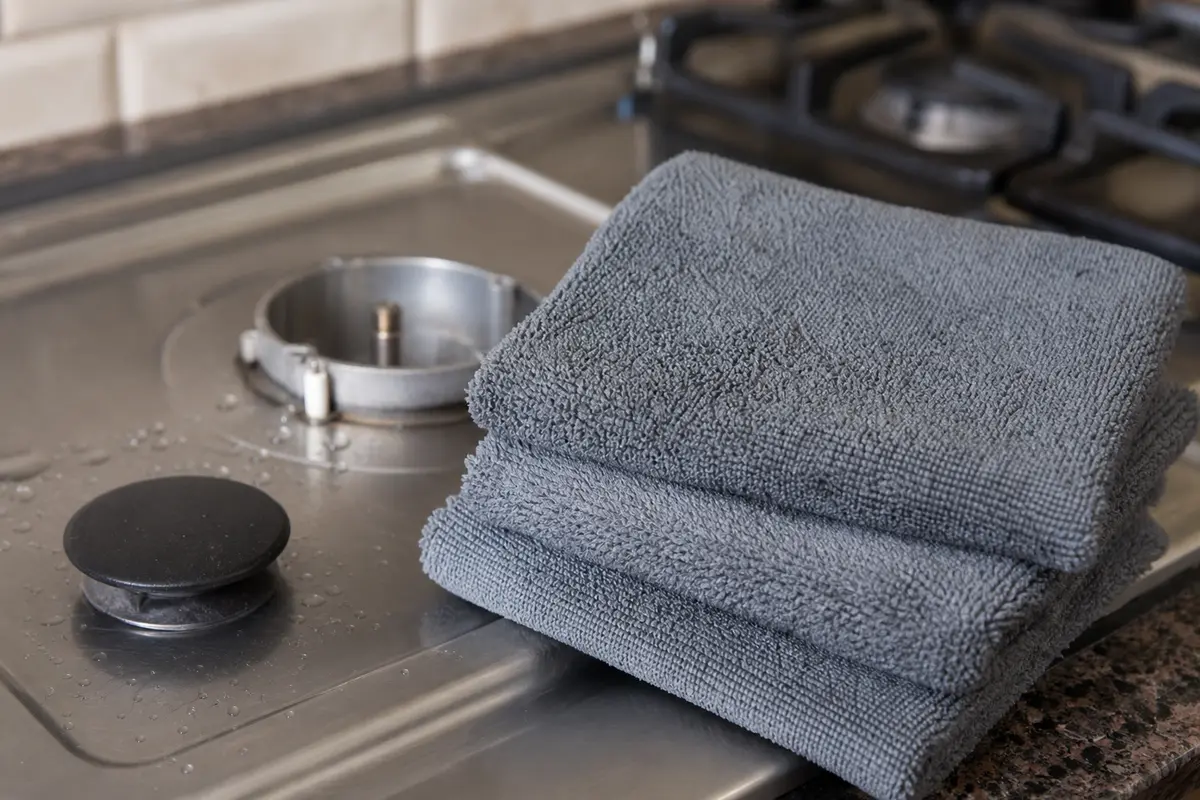
Helps when: Drying the burner cap, burner head, ceramic igniter area, and knob surface after a spill or cleaning.
Skip it when: Gas odor, delayed ignition, or a burner part that requires force means stop.
Compare microfiber cloths on Amazon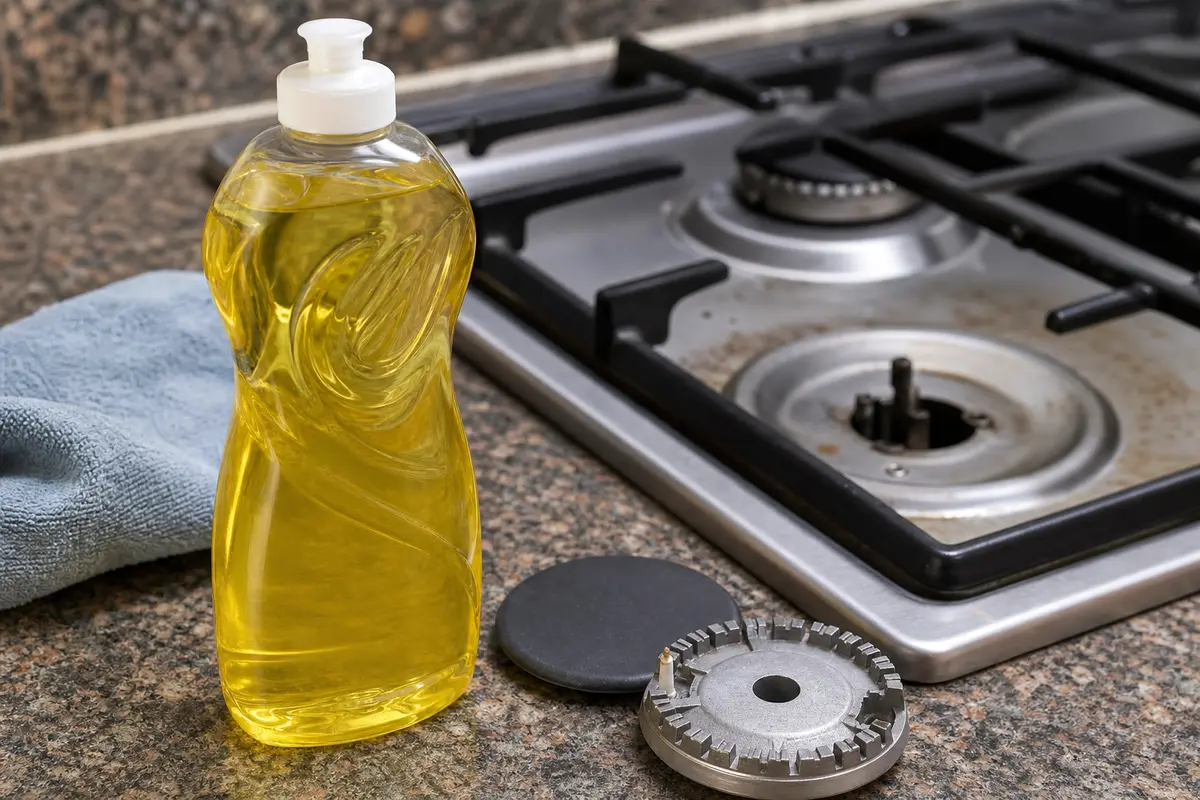
Helps when: Removing greasy film from removable burner parts before drying and reseating.
Skip it when: You would need to spray cleaner into burner wells, knob openings, or igniter wiring areas.
Compare mild dish soap on Amazon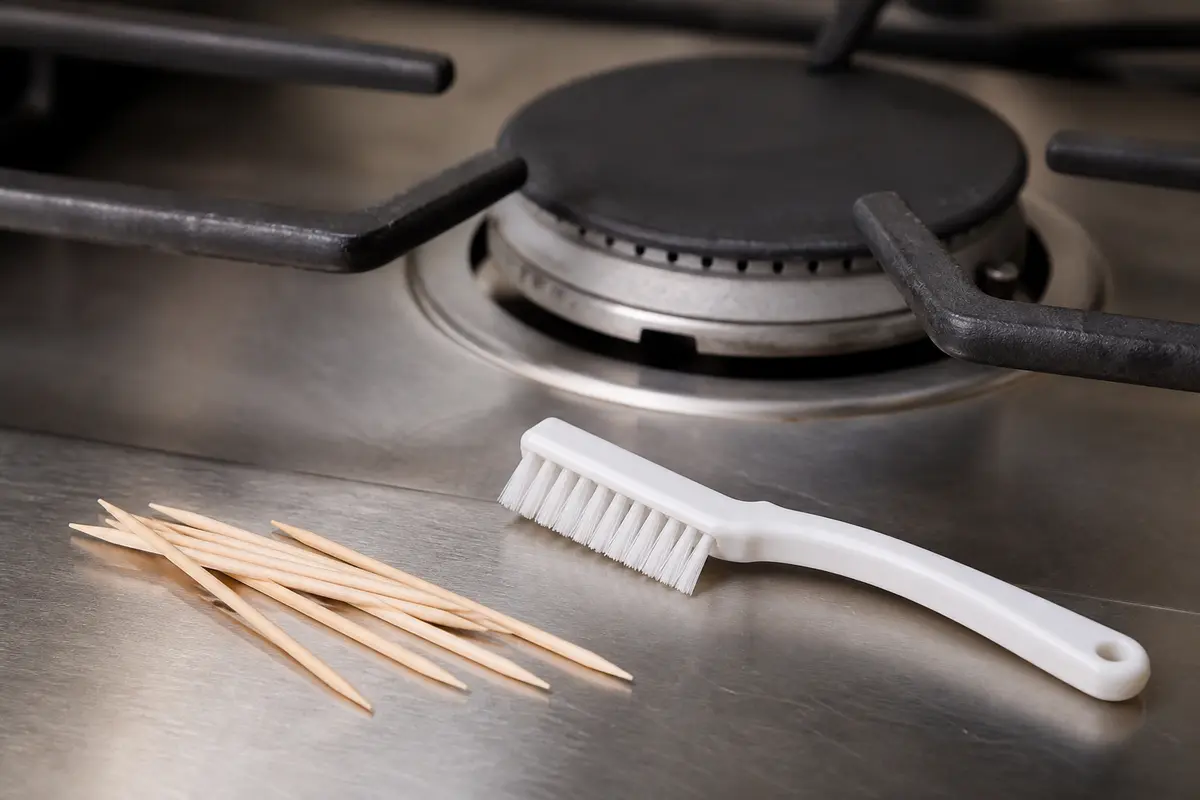
Helps when: Lifting loose crumbs from burner ports without scratching the igniter or enlarging ports.
Skip it when: The ports are corroded, damaged, or need a metal tool to clear.
Compare non-metal cleaning picks on Amazon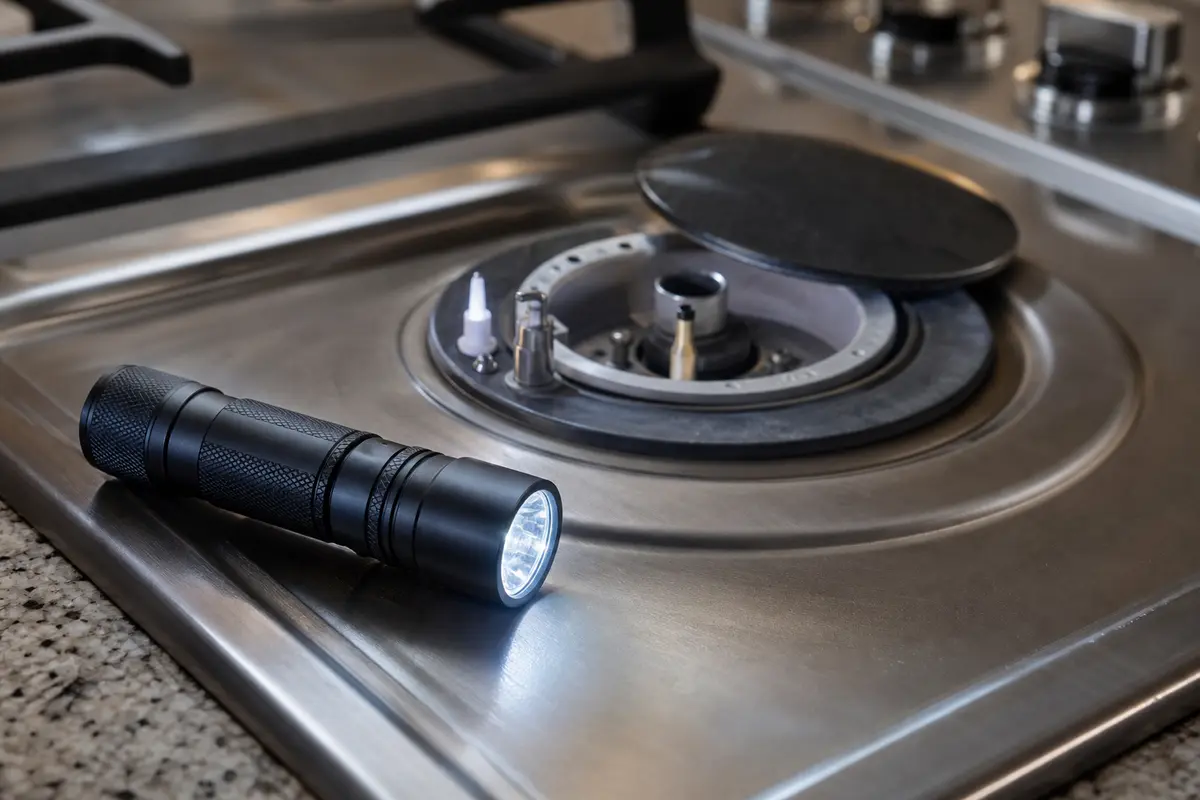
Helps when: Seeing the igniter ceramic, spark path, cap gap, burner ports, and model tag.
Skip it when: The view requires moving gas tubing, opening wiring, or reaching under the cooktop; stop and call service.
Compare inspection flashlights on AmazonUse parts only after the spark and burner-top clue points there. LG cooktop burner parts vary by burner position.
Paid links. As an Amazon Associate I earn from qualifying purchases. Repair Riot may earn a commission at no extra cost to you.
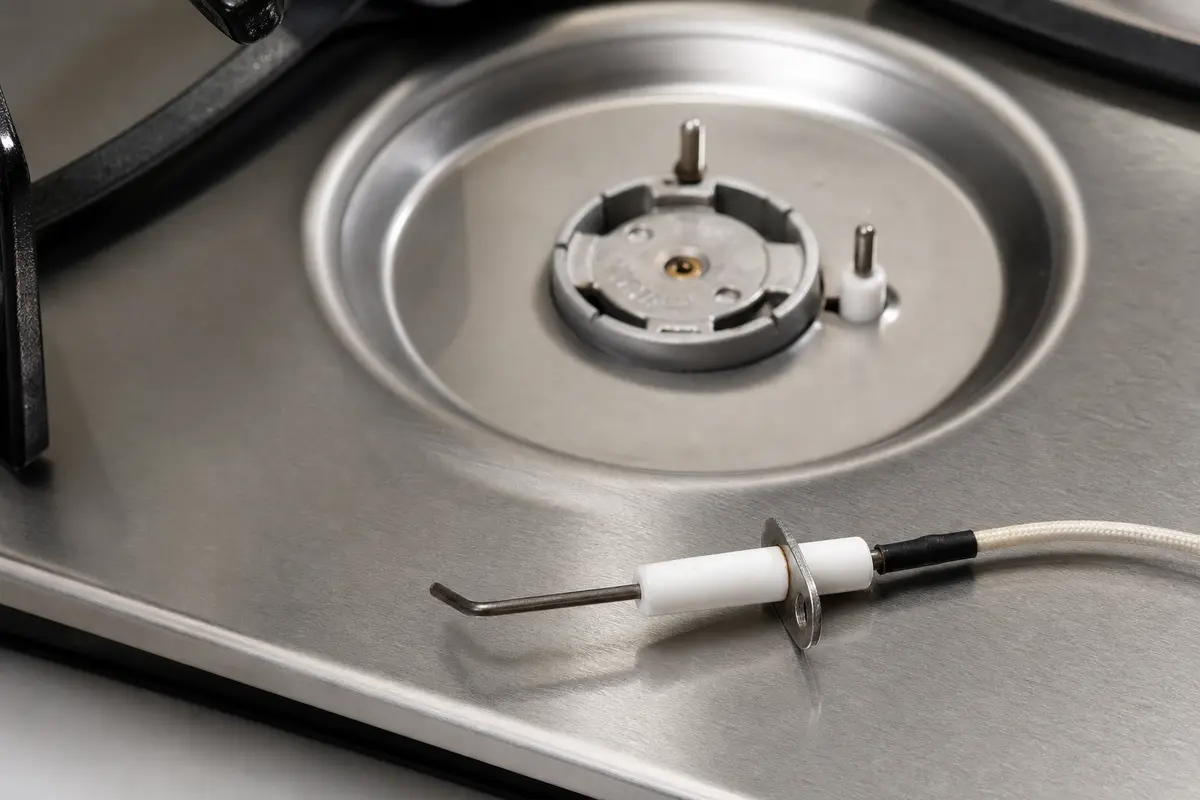
Helps when: One clean, dry burner has weak, missing, cracked, or off-target spark while other burners spark normally.
Skip it when: Gas odor is building, the cap is still wet or crooked, or all burners fail to spark.
Compare cooktop spark igniters on Amazon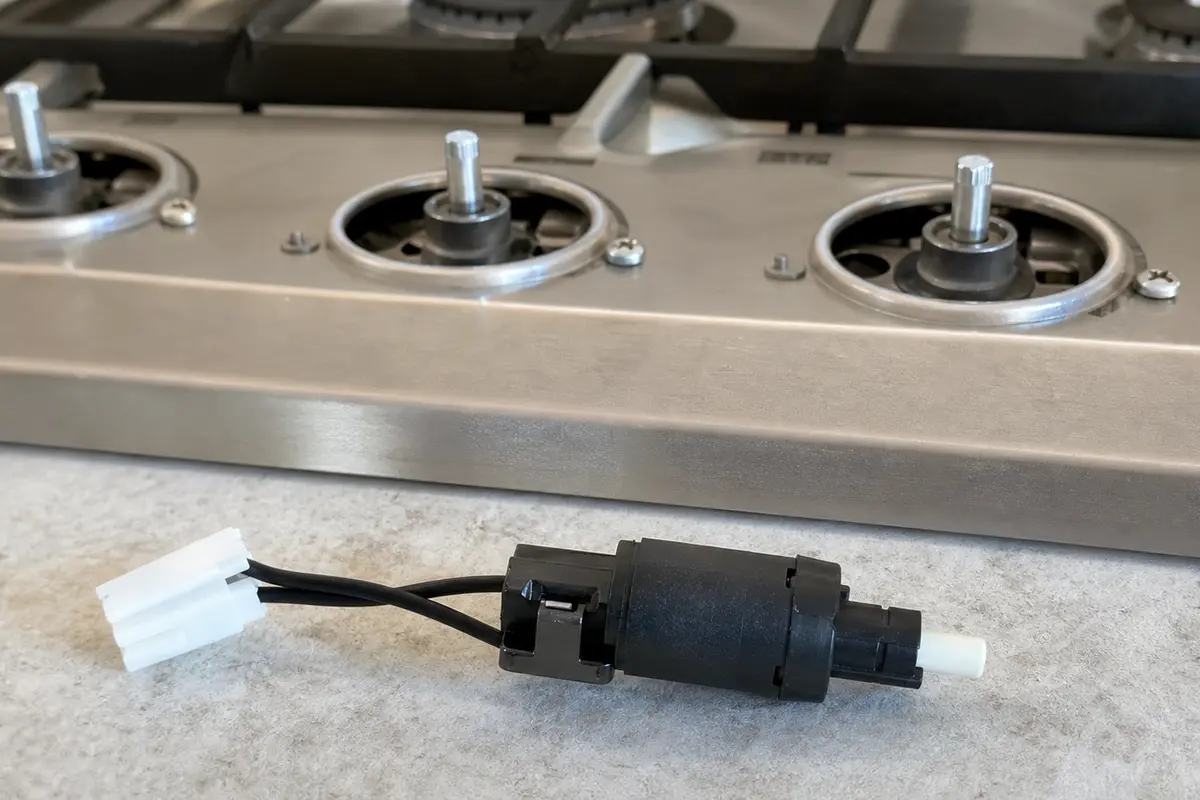
Helps when: Turning that knob does not trigger clicking while other burner knobs still trigger spark.
Skip it when: The burner clicks normally but the cap, ports, or igniter path is dirty, wet, or misseated.
Compare cooktop ignition switches on Amazon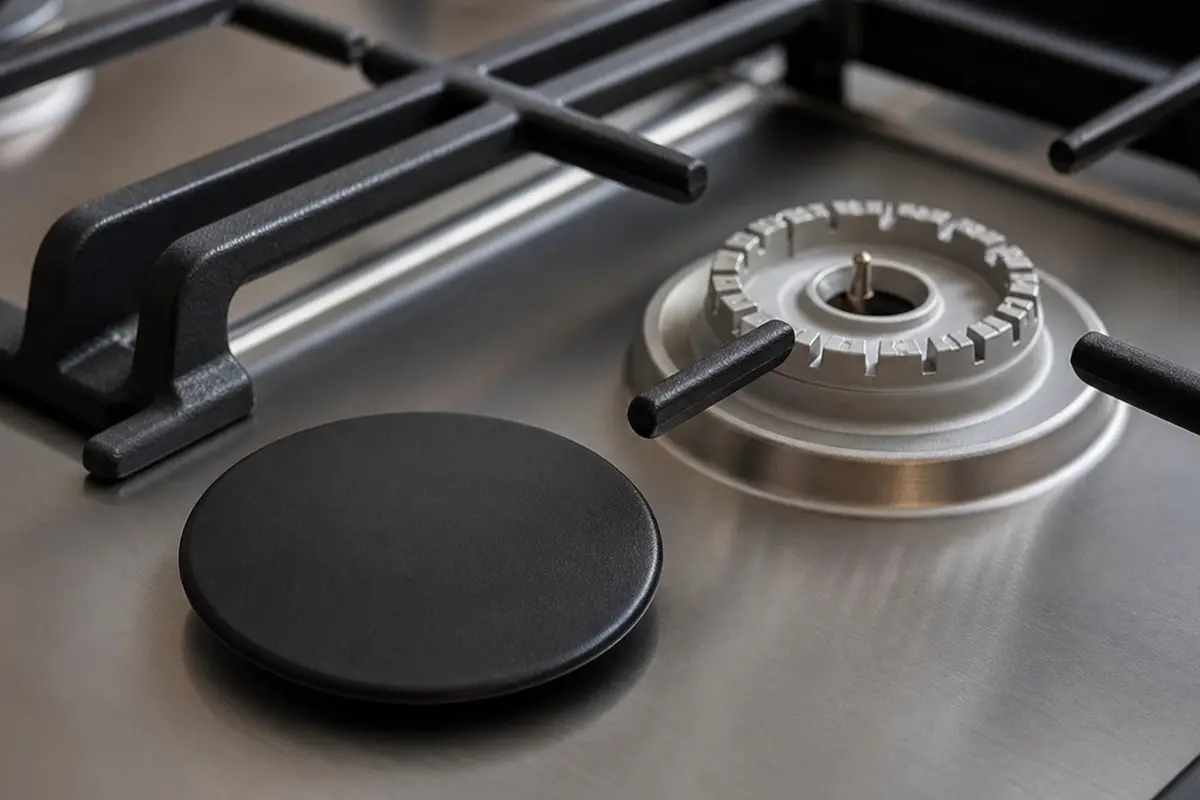
Helps when: The cap is cracked, chipped, warped, or rocks after the burner head and seating surface are clean.
Skip it when: The cap sits flat and the no-light clue is missing spark or switch response.
Compare cooktop burner caps on Amazon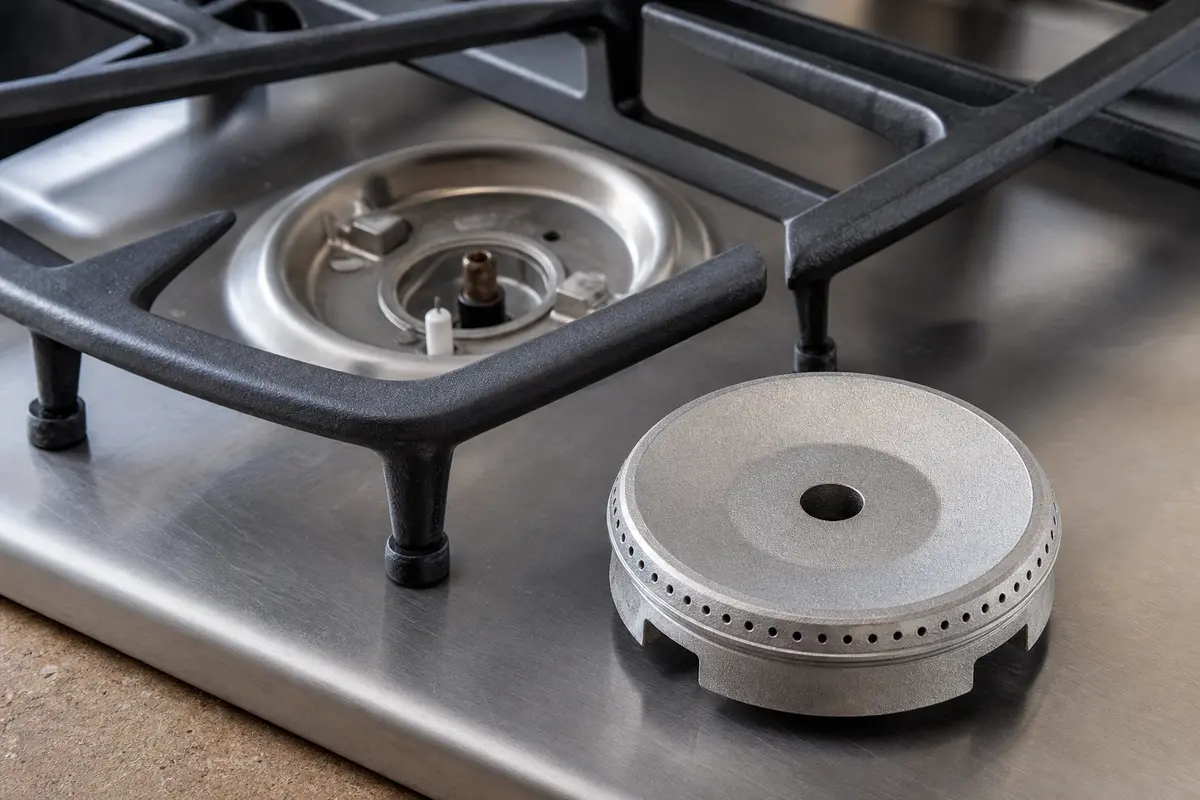
Helps when: Ports are damaged, badly corroded, or the flame path remains wrong after gentle cleaning.
Skip it when: The head is only dirty or does not lift off by hand without force.
Compare cooktop burner heads on AmazonIf the other burners light, the problem is usually local. Clean and dry the cap and port by the igniter, then compare the spark and knob response with a working burner.
Turn the burner off, ventilate the area, leave if the odor is strong, and call the gas utility or a qualified technician. Do not keep clicking the burner.
Spark may be present, but the flame path can be blocked by a wet cap, crooked cap, grease, food debris, or a dirty port near the igniter.
If other burners click normally, the ignition switch or local wiring for that knob moves up the list. Disconnect power before any access, or use service.
Only after the burner is clean, dry, seated flat, and one igniter still has weak, missing, cracked, or off-target spark.
Yes. A cap that rocks, sits crooked, or is chipped can keep flame from reaching the spark point even when gas and spark are present.
Do not use a metal tool that can enlarge or damage ports. Use a wooden toothpick or soft nylon brush for loose debris only.
That points broader than one cap or igniter. Check safe user-level power first; do not open wiring or gas controls, and use service for module diagnosis.
Copy the full cooktop model number, affected burner position, cap size, burner head pattern, igniter mount, lead length, and switch connector style.
Repair Riot built this page around homeowner-visible gas cooktop clues: gas odor, one burner versus all burners, cap seating, port condition, visible spark, knob response, and ignition timing. The source links support cooking fire-risk context; the repair sequence is original guidance.