Does it stop as soon as Start is released?
Check door catch, strike, and switch behavior first.
Check timing first. An immediate stop or door-pressure change points to the catch, strike, and switch. A hot stop after several minutes sends you to the lint screen, rear hose, outside flap, and heat-safety parts.
The common field clues are a loose door catch, weak outside airflow, overloaded drum, or overheating from lint and vent restriction.
Use timing as the first clue: immediate stop, stop with vibration, or stop hot after several minutes.
Don’t start with: Skip the control board until the door stays latched, the load is not jammed against the door, and outside airflow is strong.
Check door catch, strike, and switch behavior first.
Door closure, catch alignment, and switch connection are better clues than heat parts.
Start with lint screen, rear hose, outside flap, and overheating clues.
That is a good clue for overheating or a heat-safety part opening under heat.
Check load size, drum movement, and airflow under moisture load.
Stop using the dryer and call a qualified pro.
A dryer that stops immediately and a dryer that quits hot are different problems. Use the photos in order.
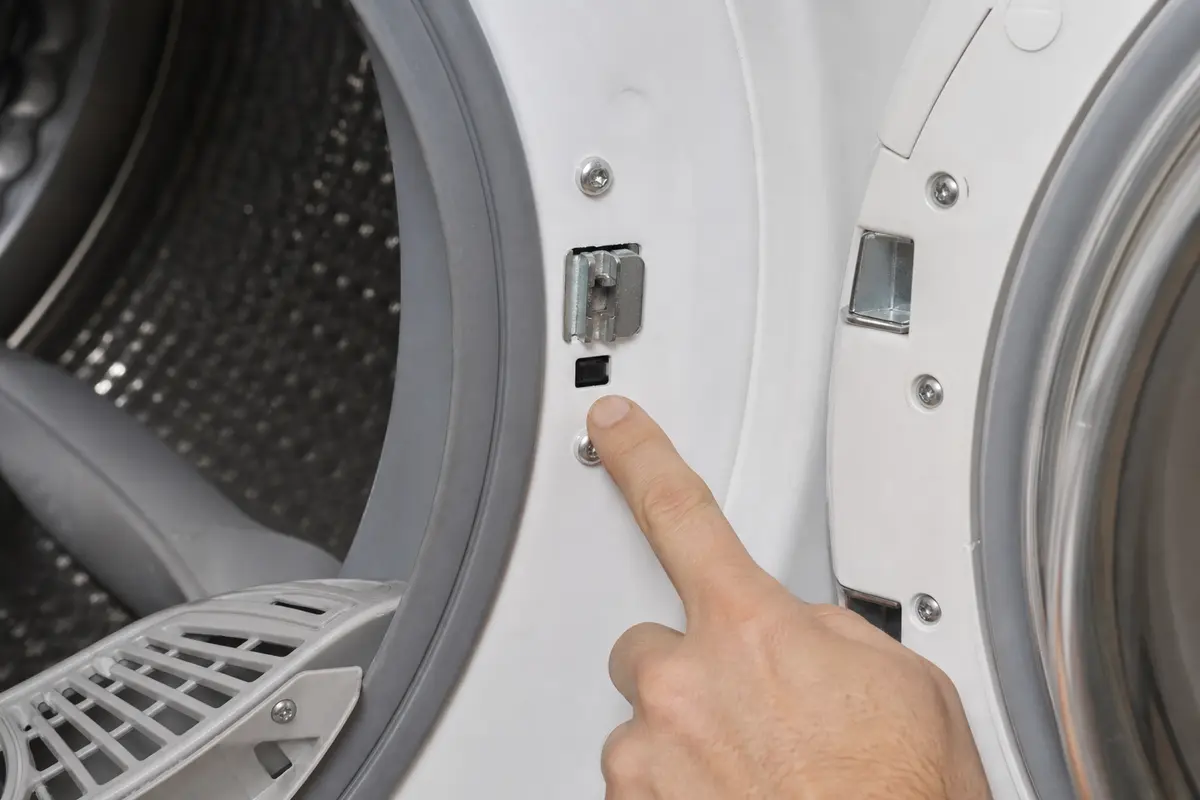
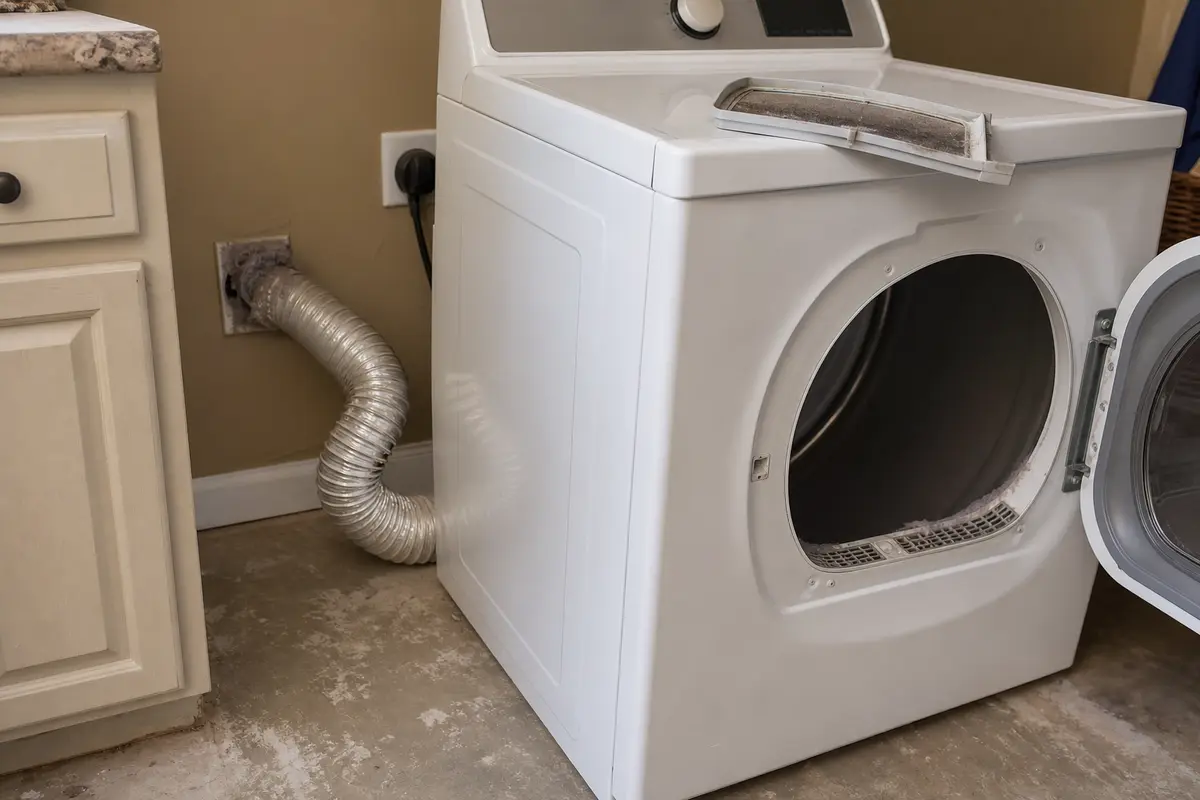
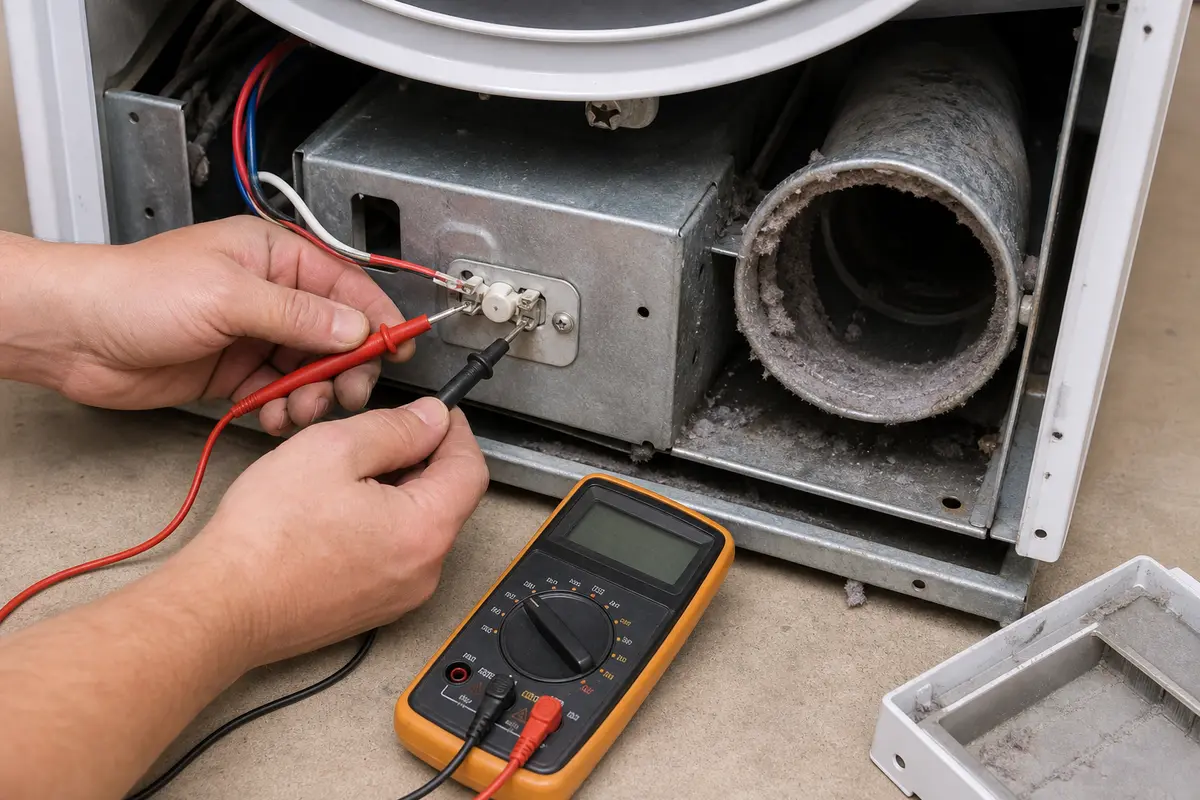
Before buying a thermal cutoff, high-limit thermostat, door catch, door switch, or control board, prove when the dryer stops and copy the full LG model number. Fix airflow before replacing heat-safety parts.
A good clue is timing. If it stops right away, check the door path. If it stops hot after a few minutes, airflow and overheating usually move up first.
Do not let a stop-timing symptom become an electronics guess.
Use the stop timing before parts.
| What you see | What it usually means | Next move |
|---|---|---|
| Stops immediately | Door catch, door switch, or start path. | Inspect door closure and switch behavior. |
| Stops with vibration | Door is not staying registered closed. | Check catch, strike, hinge, and switch connection. |
| Stops hot after minutes | Airflow or overheating path. | Clean lint path, check vent, then test cutoff/thermostat. |
| Restarts after cooling | Heat-safety behavior is likely. | Fix airflow before replacing safety parts. |
| Stops only on heavy loads | Load size and airflow are exposed by moisture. | Reduce load and check outside airflow. |
Watch for bounce-back, loose catch feel, or a dryer that starts only while you press the door.
Quick tip: if the dryer gets hot and stops, check airflow before the cutoff. A weak outside flap usually means the dryer is trapping heat.
Parts should match the stop timing and the failed check.
These tools support safe visual checks and unplugged testing. Skip tool work for burning smell, gas odor, or heat-damaged wiring.
Paid links. As an Amazon Associate I earn from qualifying purchases. Repair Riot may earn a commission at no extra cost to you.
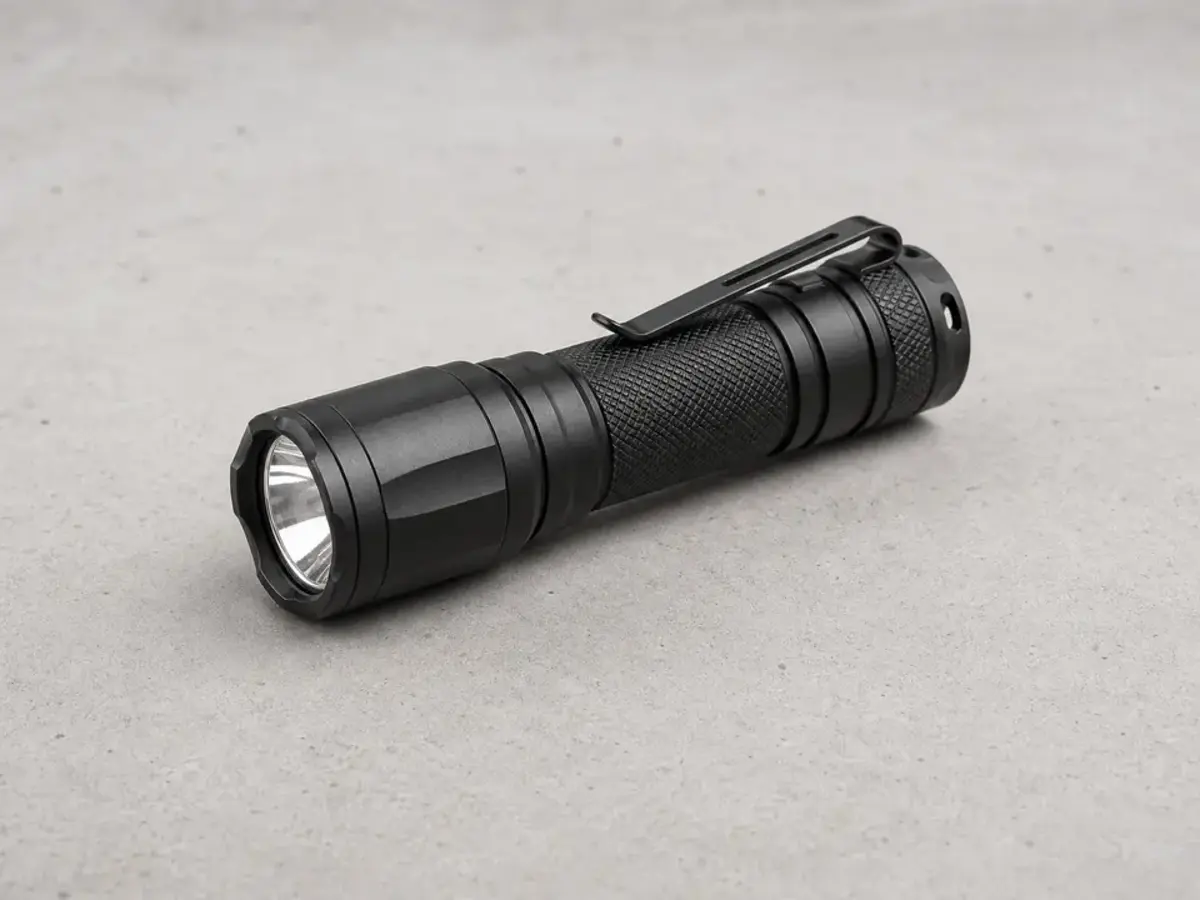
Helps when: You need to see the door catch, lint opening, rear hose, and cabinet clues clearly.
Skip it when: The dryer is still plugged in or the check would reach near moving parts.
Compare flashlights on Amazon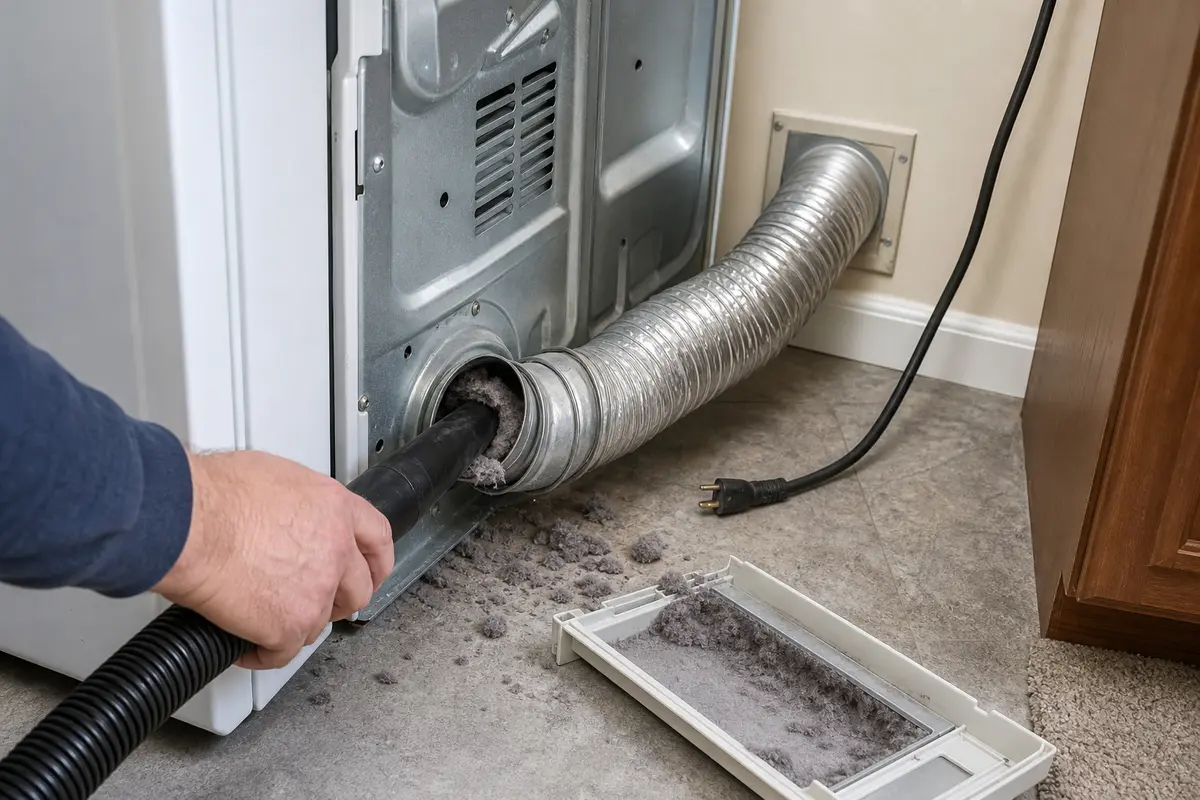
Helps when: Loose lint is visible around the rear outlet, lint housing, or floor after a hot shutdown.
Skip it when: The blockage is hidden in a wall, ceiling, crawlspace, or roof exit.
Compare vacuum hose attachments on Amazon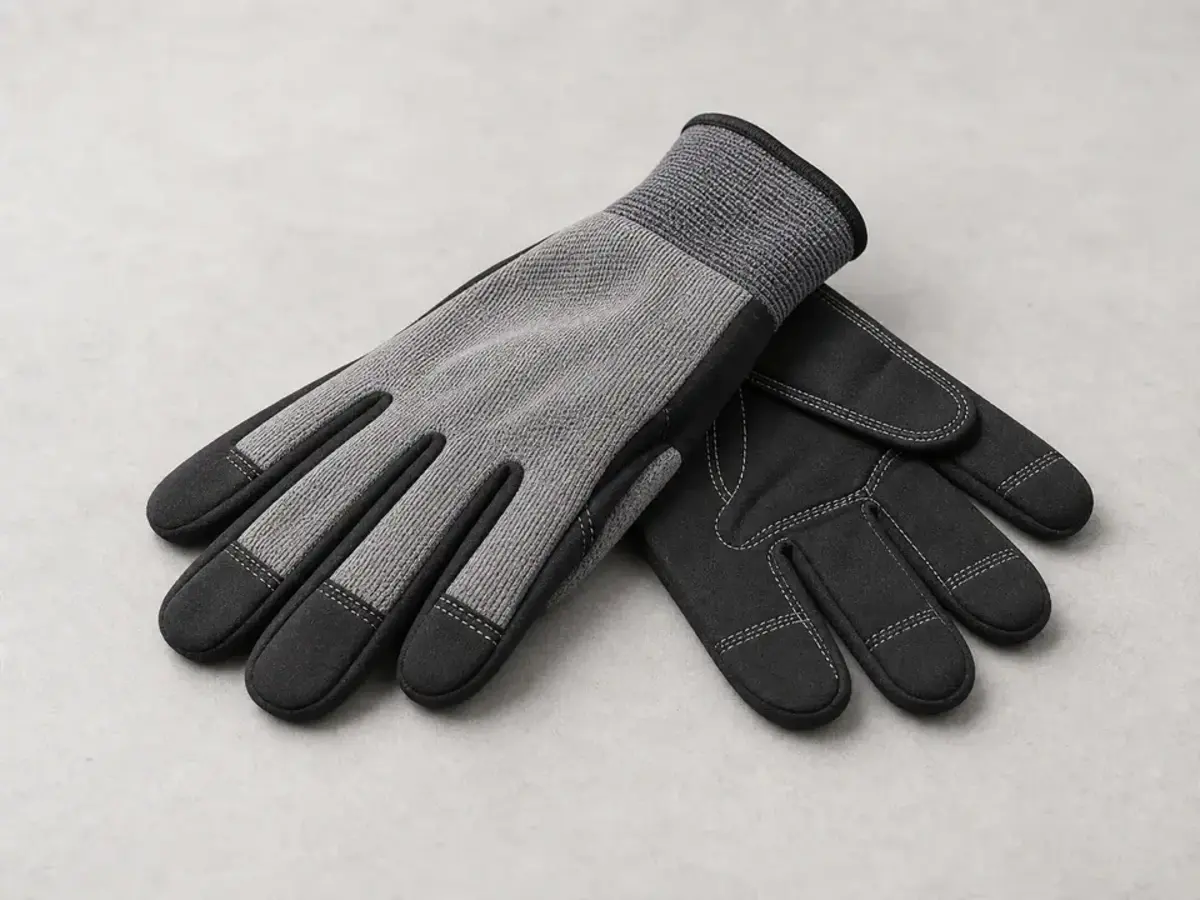
Helps when: You are opening cabinet panels or handling sharp vent and sheet-metal edges.
Skip it when: You are only doing outside door and load checks.
Compare work gloves on AmazonUse parts only after the result map points there. Match by full LG model number, connector style, mounting tabs, terminals, and ratings.
Paid links. As an Amazon Associate I earn from qualifying purchases. Repair Riot may earn a commission at no extra cost to you.
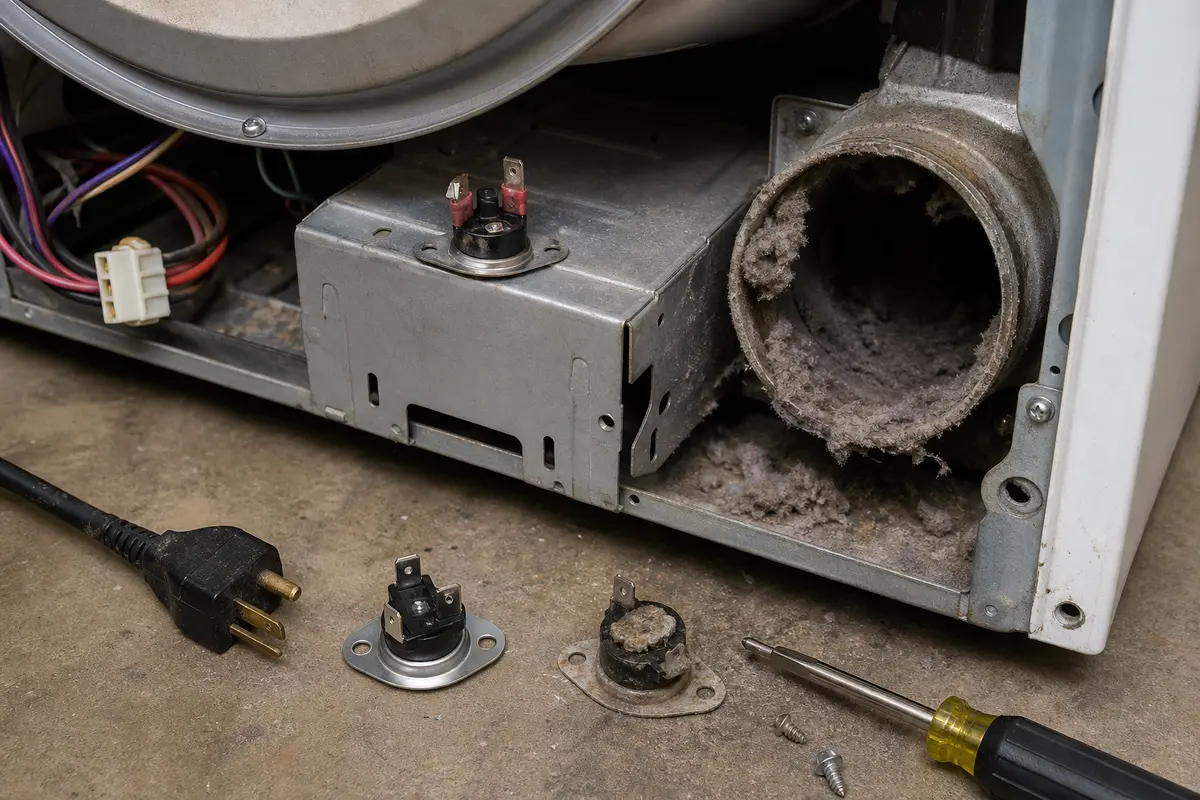
Helps when: The dryer stops hot after airflow trouble, and the cutoff tests open with the dryer unplugged.
Skip it when: The vent restriction is not corrected or the stop timing points to the door path.
Compare dryer thermal cutoffs on Amazon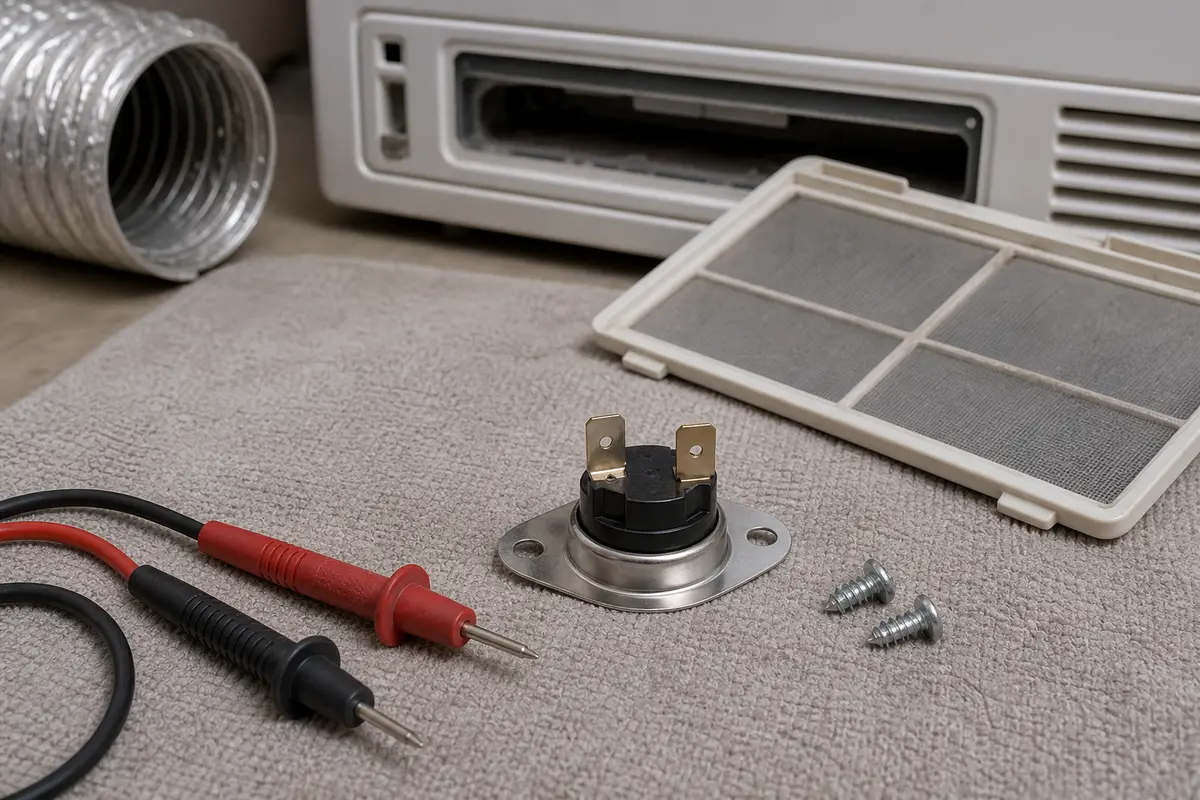
Helps when: The dryer overheats and testing supports a failed high-limit thermostat after airflow checks.
Skip it when: You are using it as the first guess or the rating and terminals do not match.
Compare high-limit thermostats on Amazon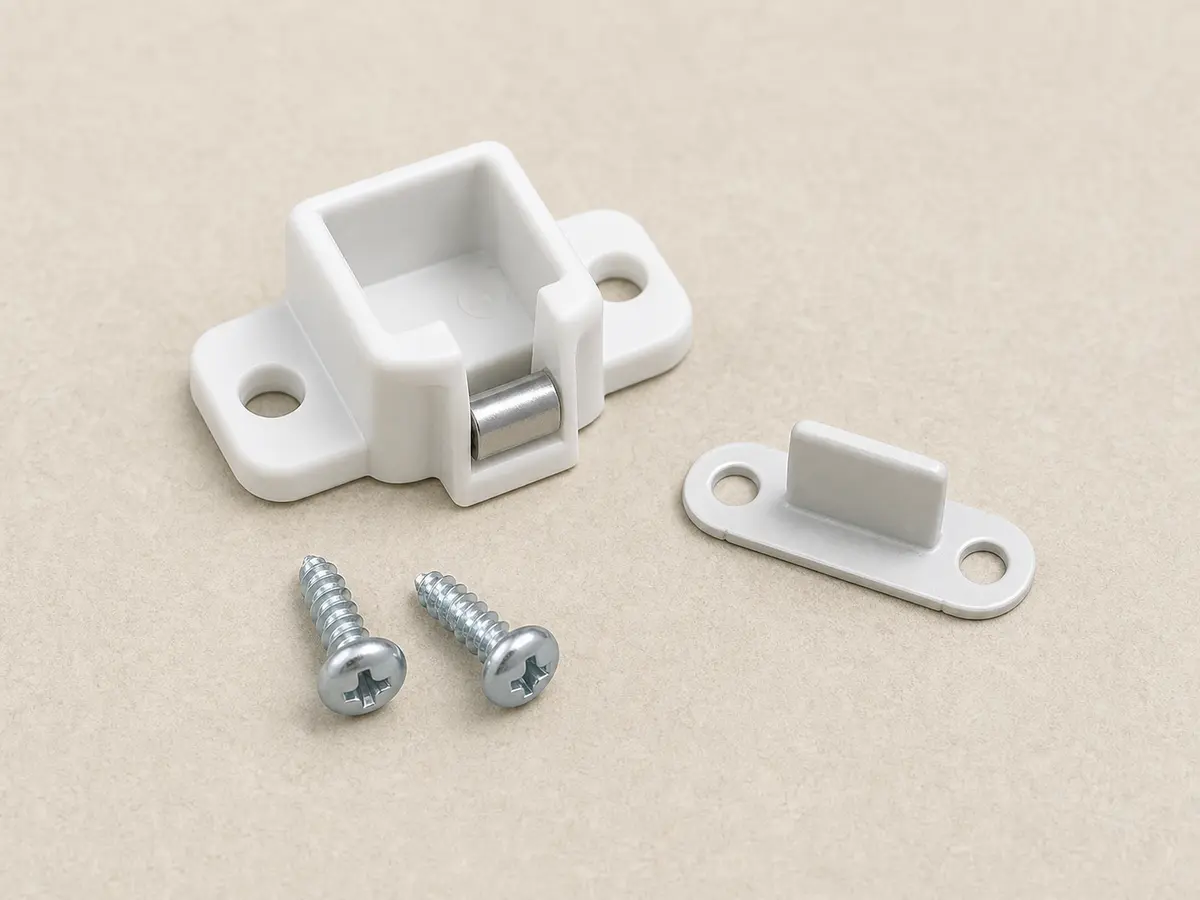
Helps when: The door feels loose, pops open, or the dryer stops as vibration starts.
Skip it when: The door latches firmly and the switch fails continuity instead.
Compare dryer door catch kits on Amazon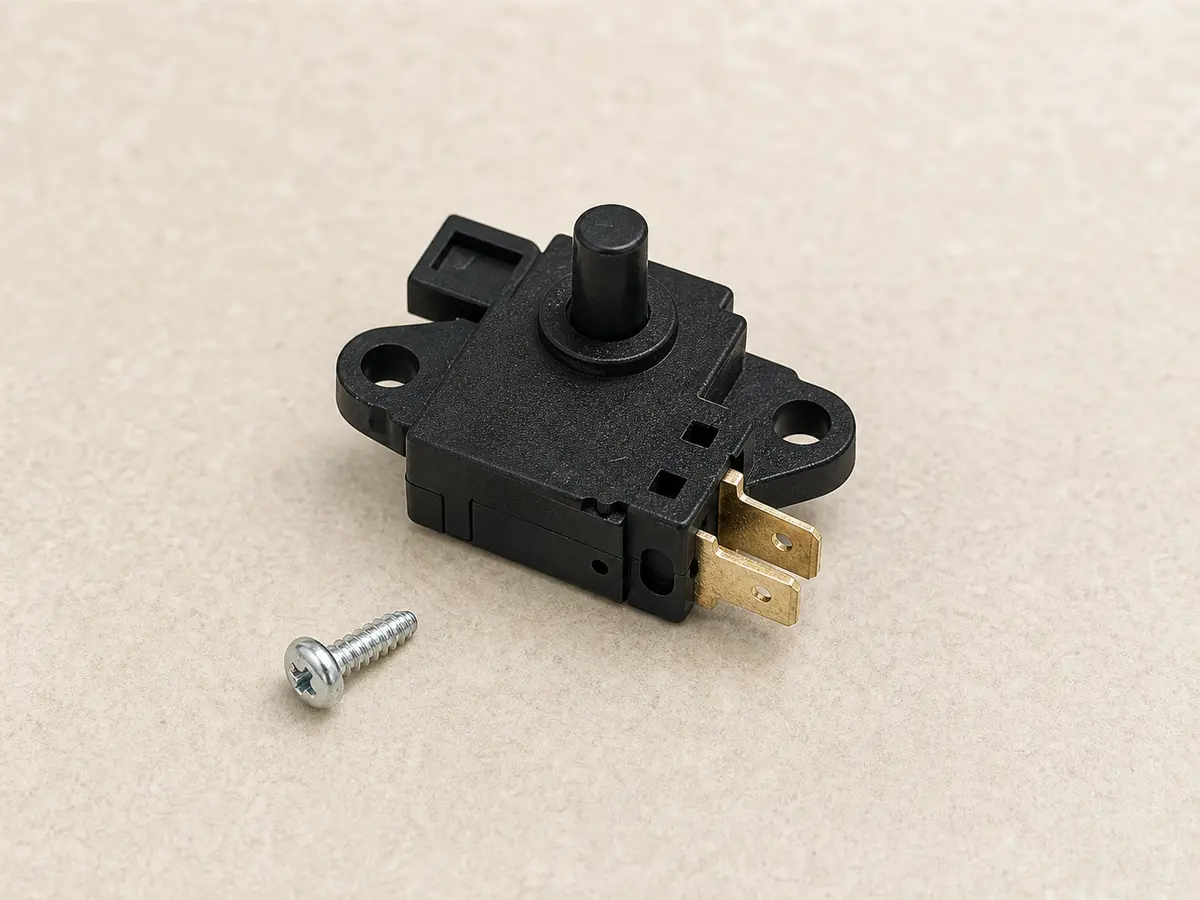
Helps when: The door closes firmly but the switch fails continuity or the dryer reacts to door pressure.
Skip it when: The display is dark or the catch/strike is visibly broken instead.
Compare dryer door switches on AmazonStart with the door catch, strike, and door switch. A door that is not staying registered closed can let the dryer start, then stop as vibration begins.
That usually points to overheating or airflow. Check the lint screen, rear hose, outside flap, and vent path before parts.
Yes. Trapped heat can make the dryer stop early or open a heat-safety part. Fix airflow before replacing the cutoff or thermostat.
No. Door closure, load size, airflow, thermal cutoff, and high-limit thermostat clues come first.
That is a strong overheating clue. The dryer may restart once temperatures drop, but the airflow problem or weak safety part remains.
No. Repeated hot shutdowns can damage wiring and raise fire risk when lint is involved.
Watch the moment it quits. An immediate stop, or a start that changes when you press the door, points to catch, strike, or switch checks. A hot stop after several minutes sends you to the lint screen, rear hose, outside flap, and heat-safety path.
Run a short cycle, check outside airflow, confirm the door stays latched, and make sure the dryer no longer stops hot.
Repair Riot built this page around LG dryer checks a homeowner can see before ordering parts. The checks are door catch feel, switch click, load size, outside flap movement, hot shutdown timing, gas odor, and model-number fit. The source links support dryer lint, load, airflow, efficiency, and fire-risk context; the repair sequence is original guidance.