Does the squeak repeat once per drum turn?
A roller, belt, or drum support clue is stronger than a motor clue.
An LG dryer squeaking noise usually comes from a dry or worn drum roller, idler pulley, or belt path after load and vent rub are ruled out. Match the sound to drum rotation before buying parts.
A repeating squeak with each drum turn points to rollers or belt path parts. A squeal right at startup is a good clue for the idler pulley.
First separate load noise, vent rub, and cabinet noise from a true internal support squeak.
Don’t start with: Do not spray lubricant into the dryer cabinet or buy heating parts for a squeak.
A roller, belt, or drum support clue is stronger than a motor clue.
Watch for idler pulley or belt-path trouble before rollers.
Check the vent hose, wall collar, and outside flap before opening the cabinet.
Try an empty drum and a towel load. Load noise does not prove a bad roller.
Stop using the dryer until the belt and idler path are checked.
A rough, flat-spotted, or wobbly roller supports a parts order.
Use the sound location first, then inspect the support parts only when the easy checks fail.
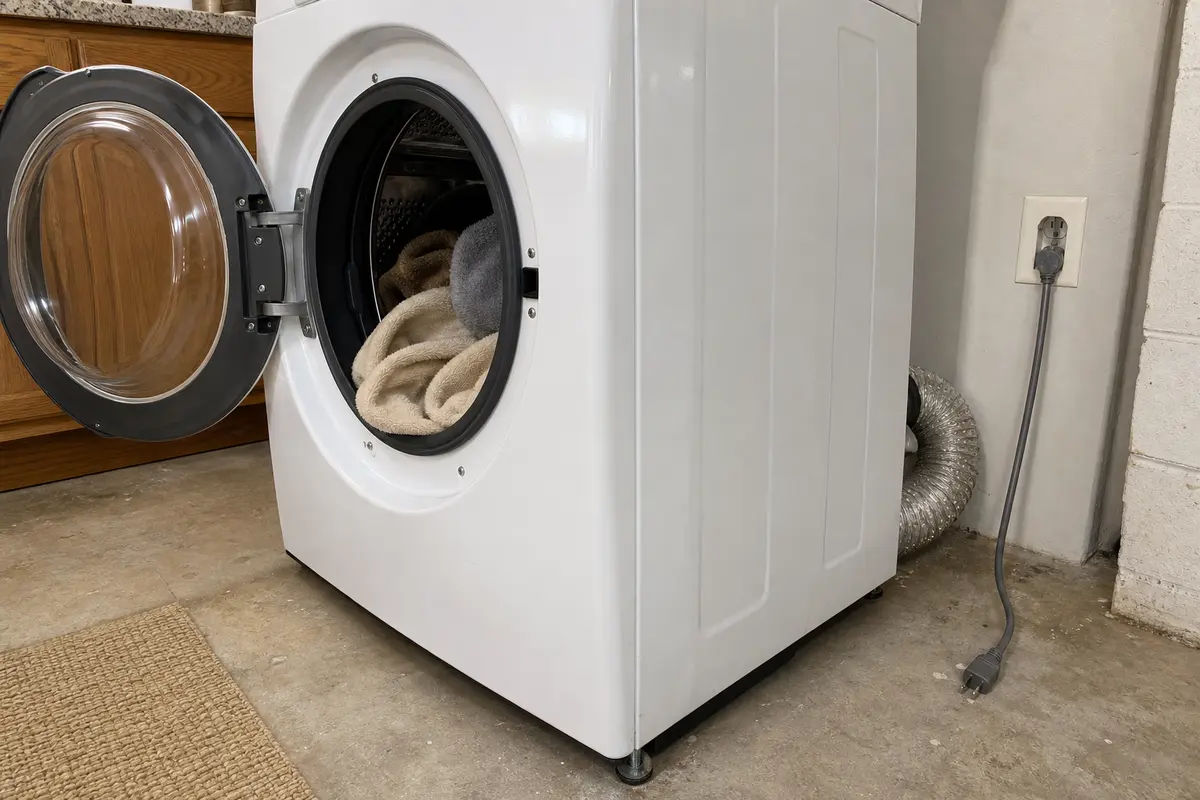
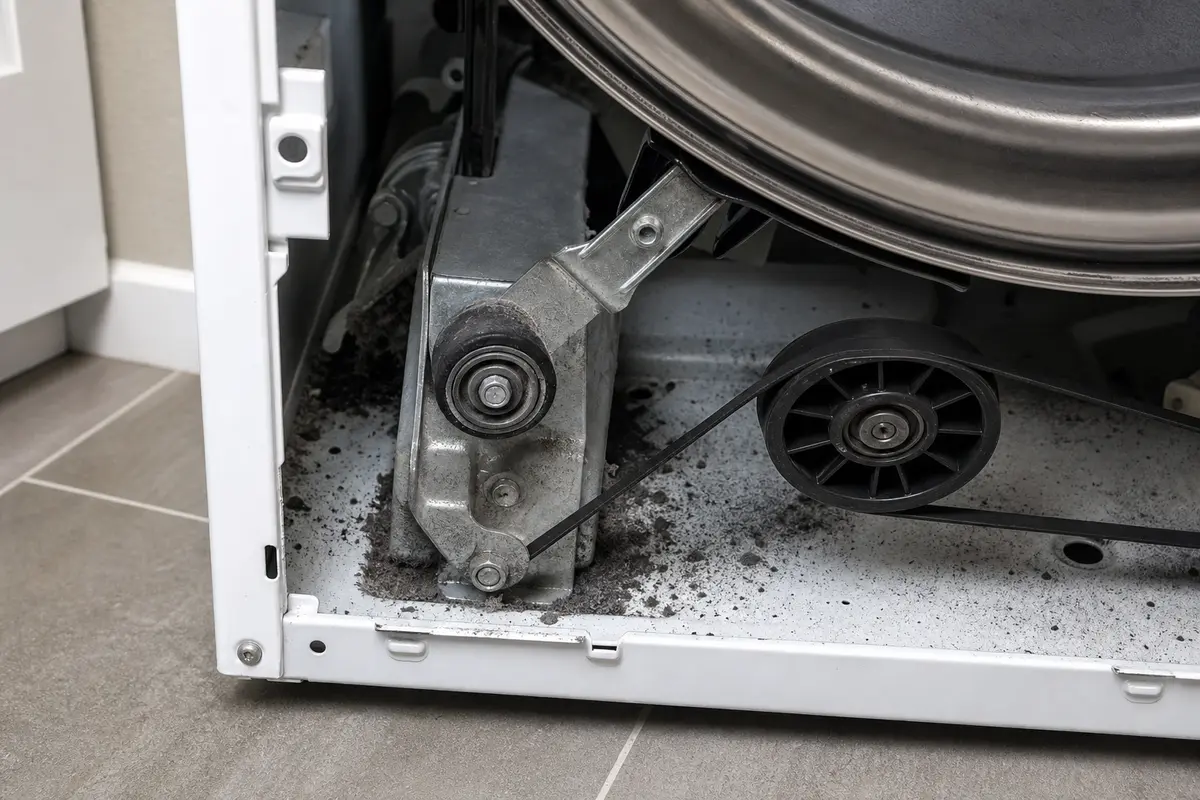
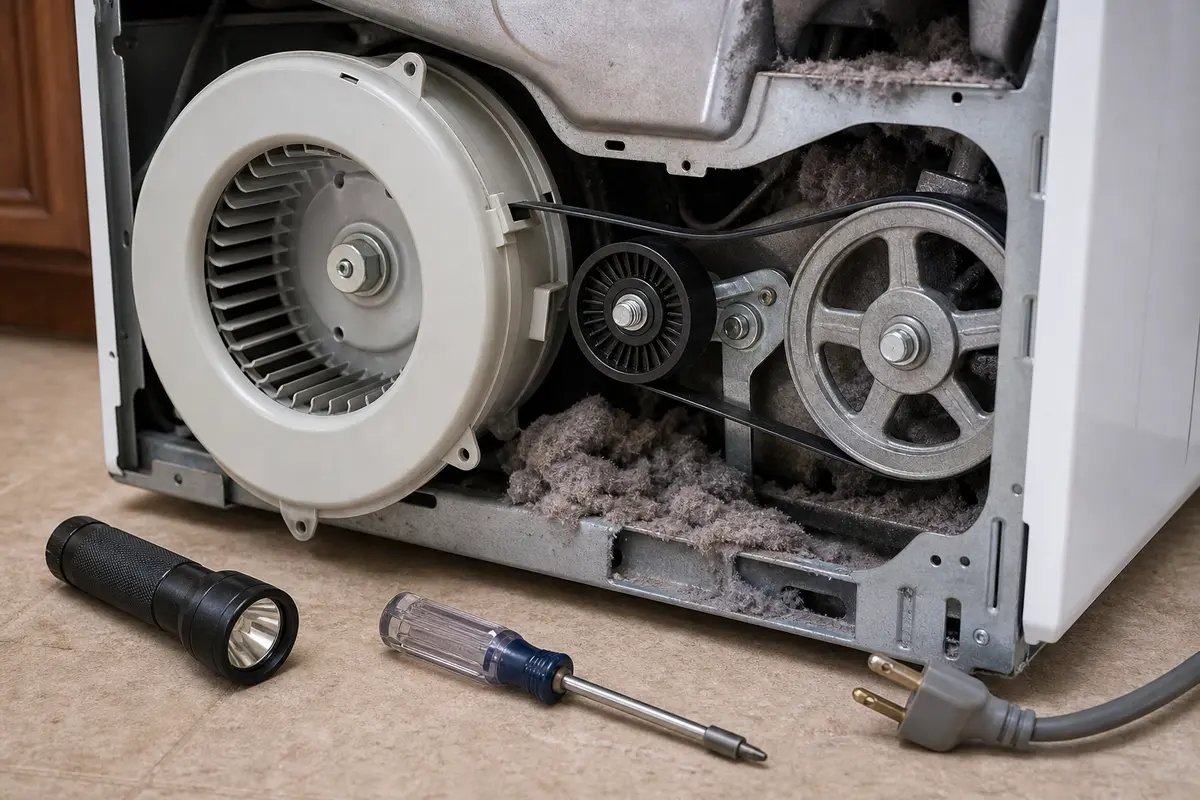
Do an empty-drum check, inspect for vent rub, then spin rollers and the idler by hand with the dryer unplugged. Match parts by full model number, roller shaft style, pulley bracket, and belt length/rib pattern.
A good clue is rhythm. If the squeak repeats with drum rotation, the dryer is usually telling you to check rollers, idler pulley, belt, and rub points.
Do not make a noisy dryer harder to repair.
Use the sound pattern before parts.
| What you hear | What it usually means | Next move |
|---|---|---|
| Once-per-turn squeak | Roller, belt spot, or drum rub. | Unplug and inspect rollers, belt, and front/rear drum lip. |
| Sharp startup squeal | Idler pulley or belt path. | Check idler pulley movement and belt condition. |
| Noise behind dryer | Vent hose or wall connection. | Move the hose safely and check for rubbing or loose metal. |
| Rubber smell or belt dust | Belt path is overheating or slipping. | Stop using the dryer until inspected. |
| Grinding or hard-to-turn drum | Support failure may be getting worse. | Stop and inspect support parts before another load. |
Quick tip: if the dryer is quiet empty but squeaks with one heavy load, the machine may not need parts.
If the sound survives the easy checks, unplug the dryer and inspect the moving support path.
Parts should match the failed hand check, not just the sound name.
These tools support unplugged inspection. Skip tool work if the dryer binds, overheats, or cannot be moved safely.
Paid links. As an Amazon Associate I earn from qualifying purchases. Repair Riot may earn a commission at no extra cost to you.
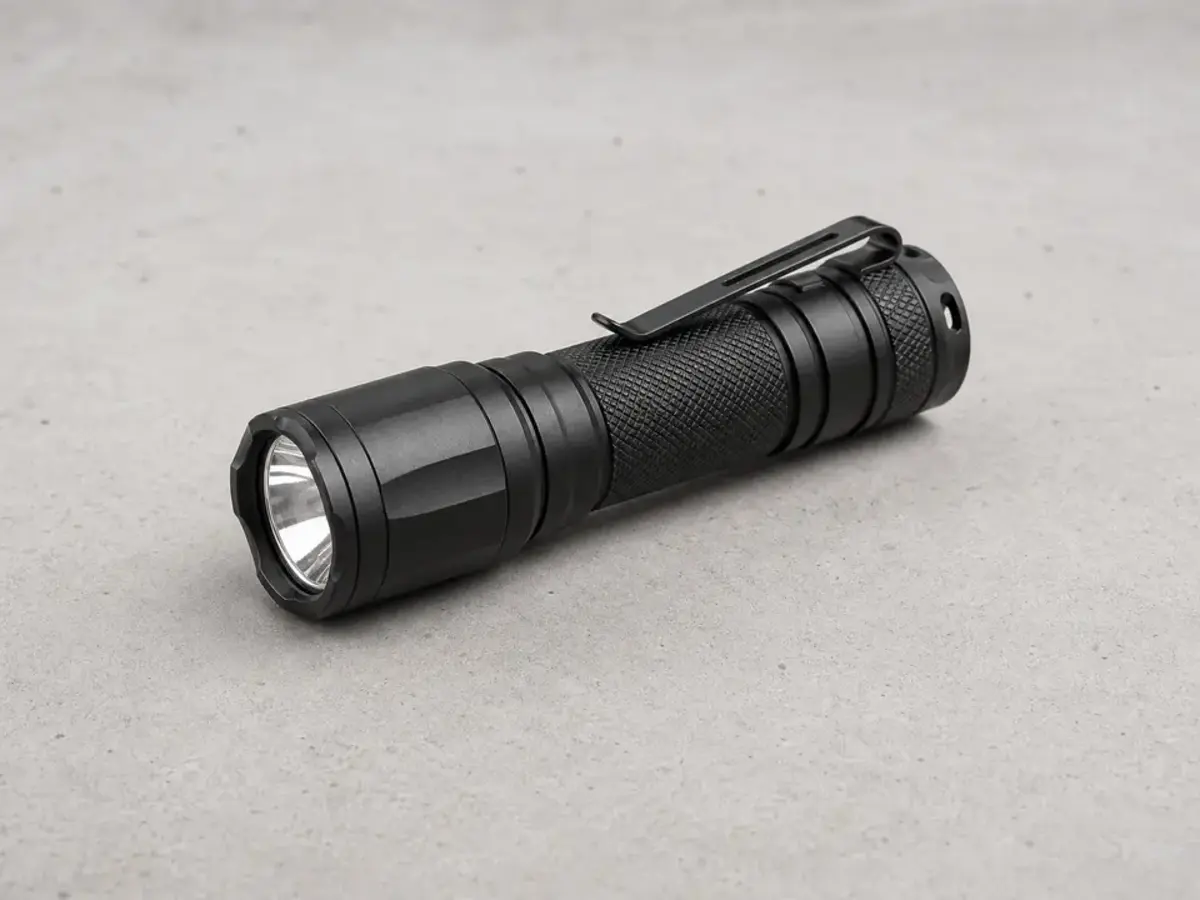
Helps when: You need to see rub marks, belt dust, rollers, and idler movement clearly.
Skip it when: The dryer is still plugged in or the check would reach near moving parts.
Compare flashlights on Amazon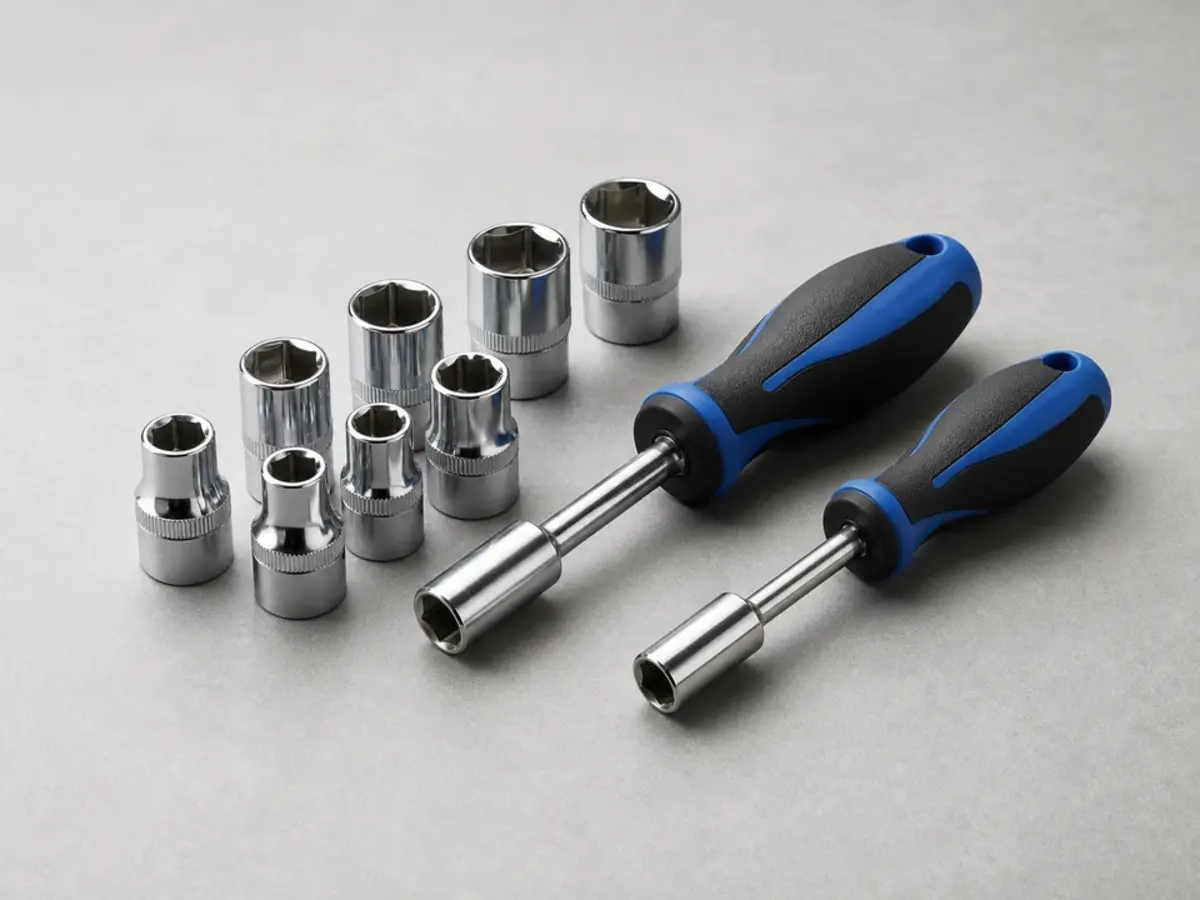
Helps when: The dryer cabinet or access panels use hex-head screws and power is disconnected.
Skip it when: You have not ruled out load noise or vent rub yet.
Compare nut driver sets on Amazon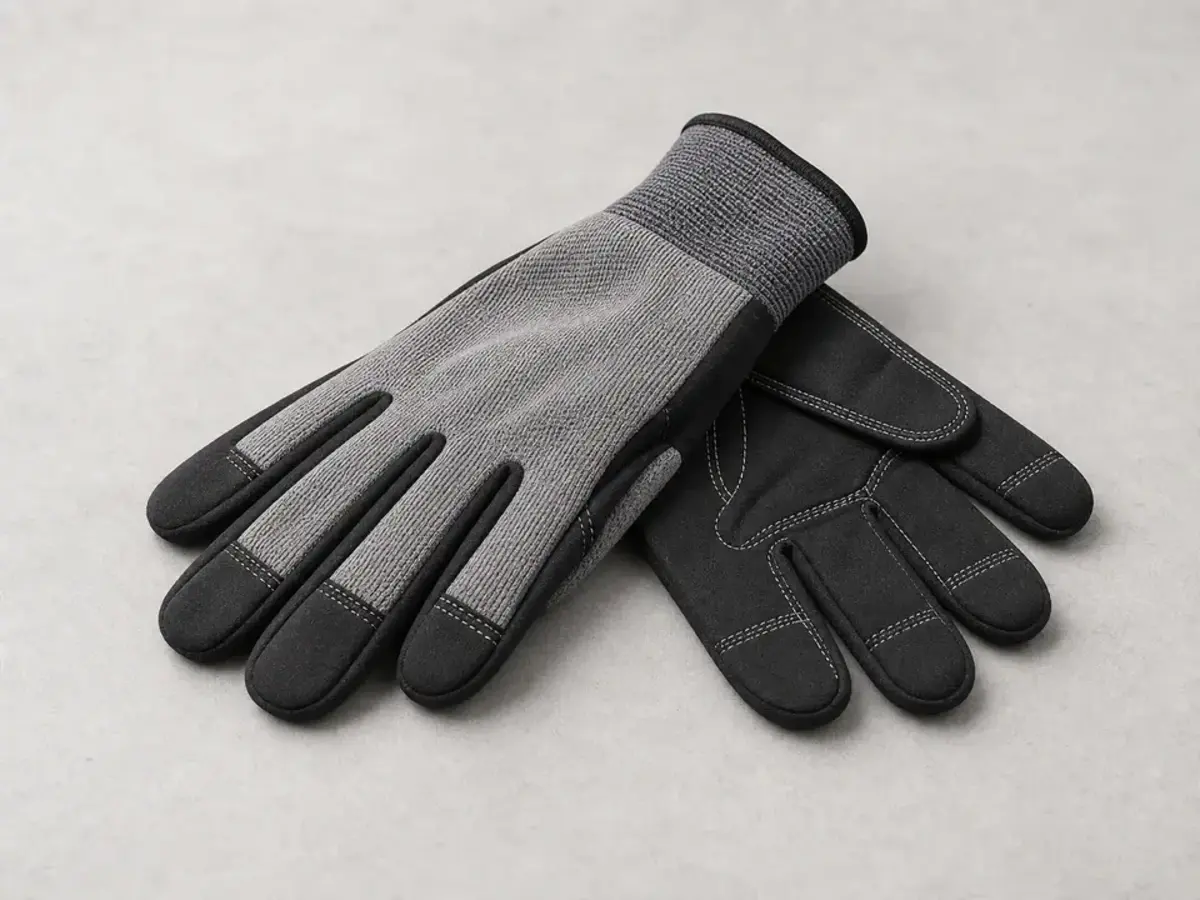
Helps when: You are opening cabinet panels or handling sharp support brackets.
Skip it when: You are only doing outside load and vent checks.
Compare work gloves on Amazon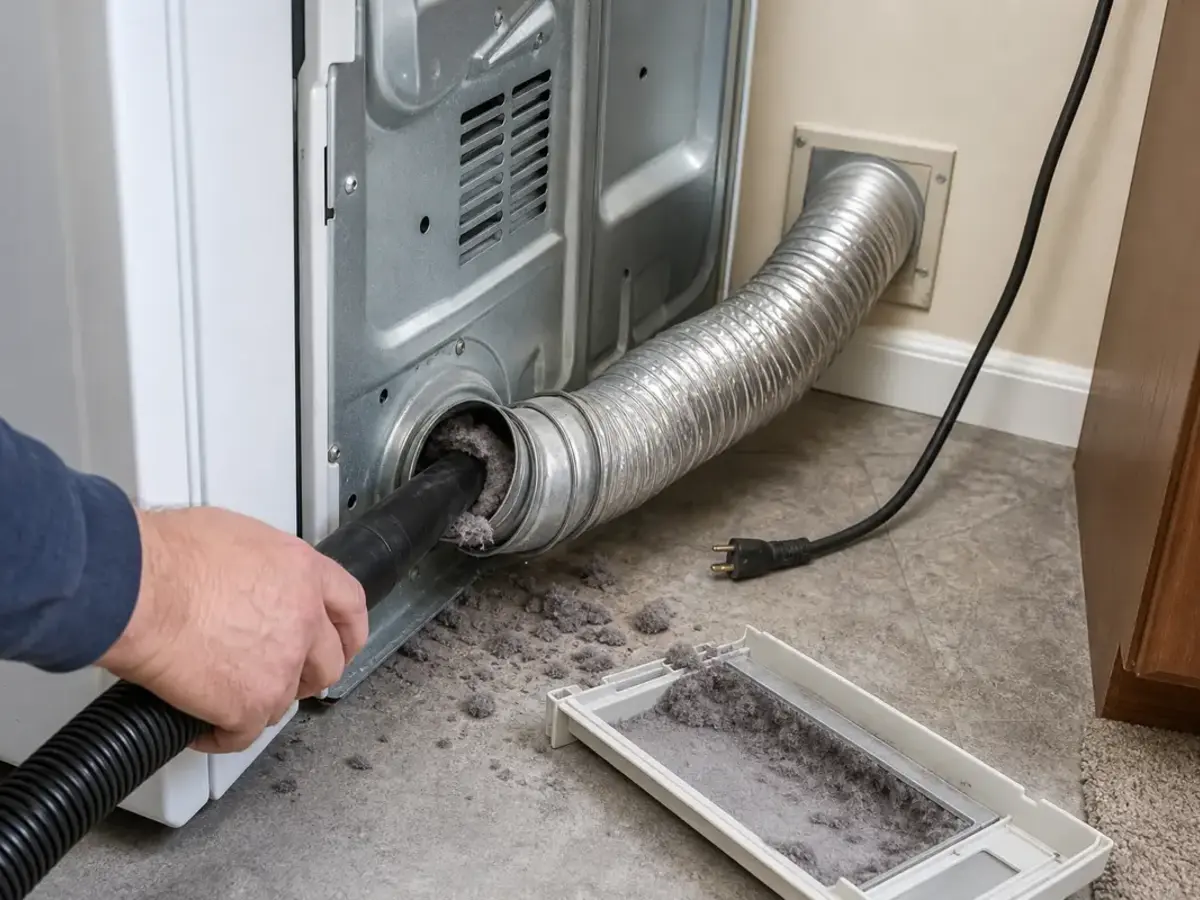
Helps when: Loose lint is hiding wear dust, roller shafts, or the belt path.
Skip it when: You are using cleanup as a substitute for finding the mechanical squeak.
Compare crevice tools on AmazonBuy support parts only after the failed part matches the sound and hand check.
Paid links. As an Amazon Associate I earn from qualifying purchases. Repair Riot may earn a commission at no extra cost to you.
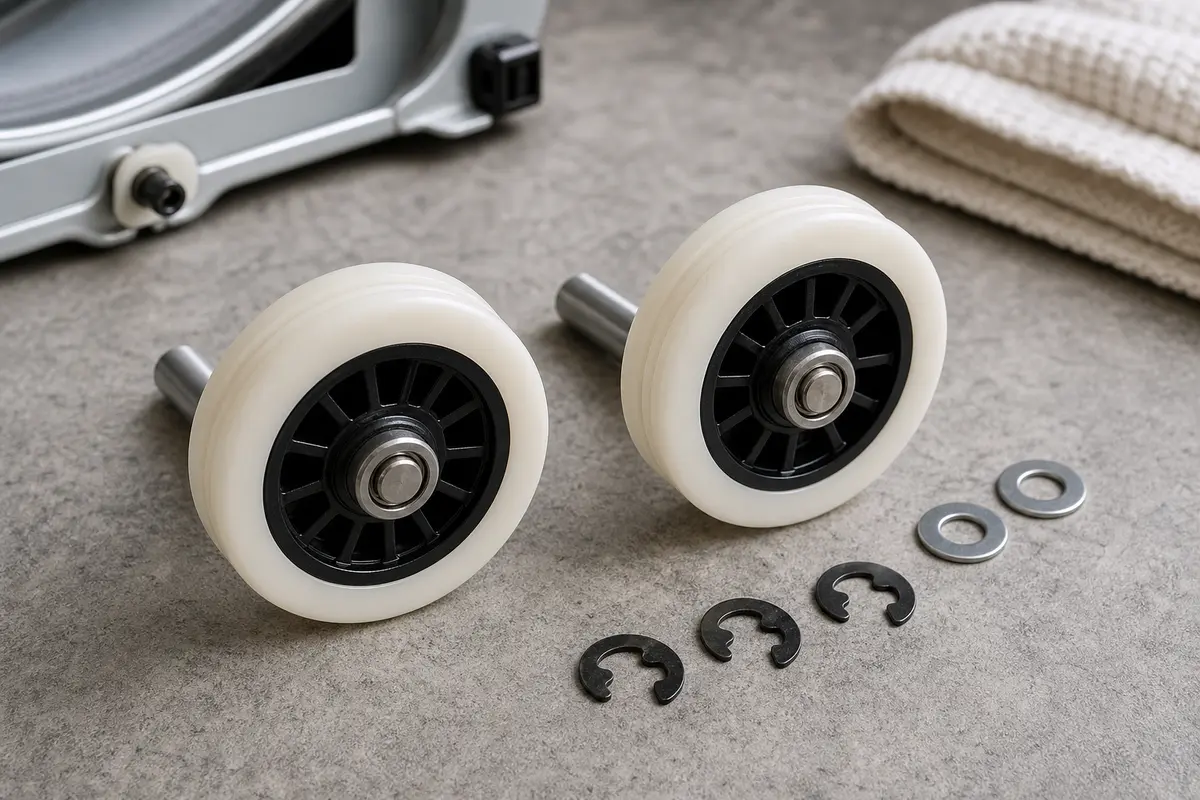
Helps when: The squeak repeats with drum rotation and a roller feels rough, flat-spotted, or wobbly.
Skip it when: The noise disappears empty or the rollers spin smoothly.
Compare dryer roller sets on Amazon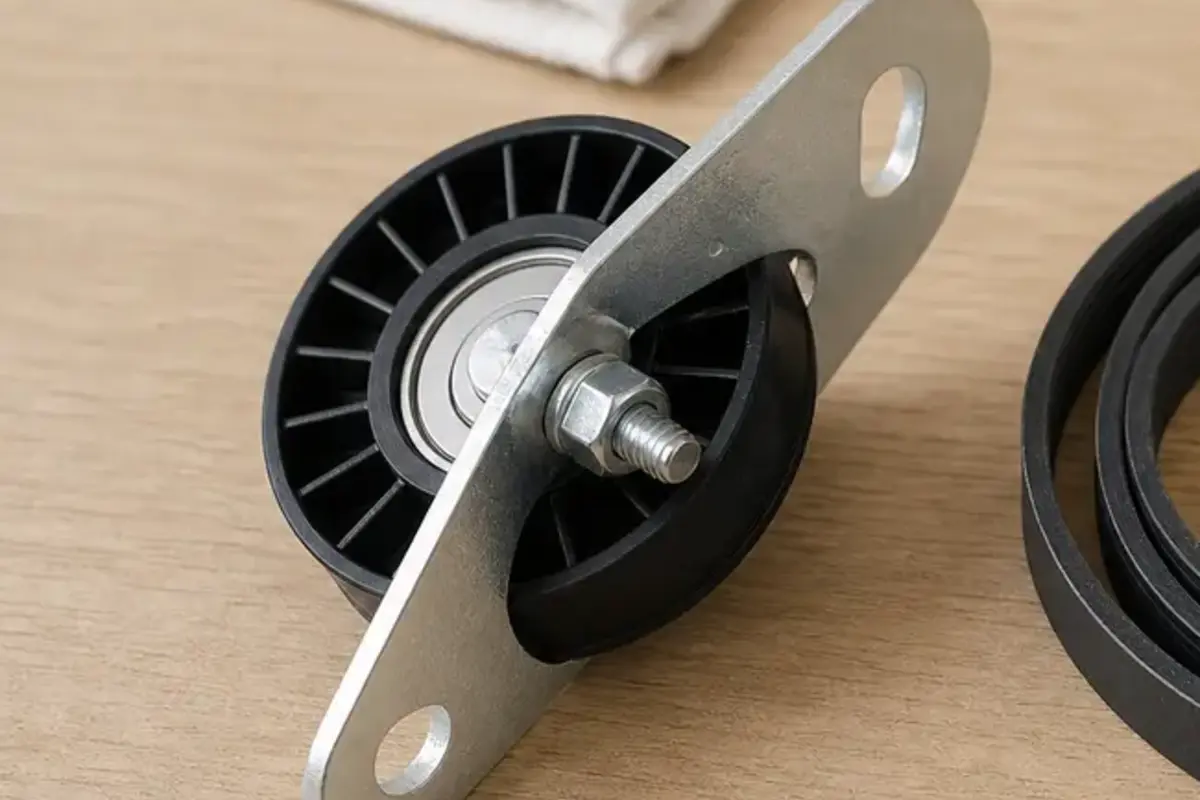
Helps when: The sound is a startup squeal or the pulley feels gritty, rough, or seized.
Skip it when: The idler moves smoothly and the clue is a dull once-per-turn thump.
Compare idler pulleys on Amazon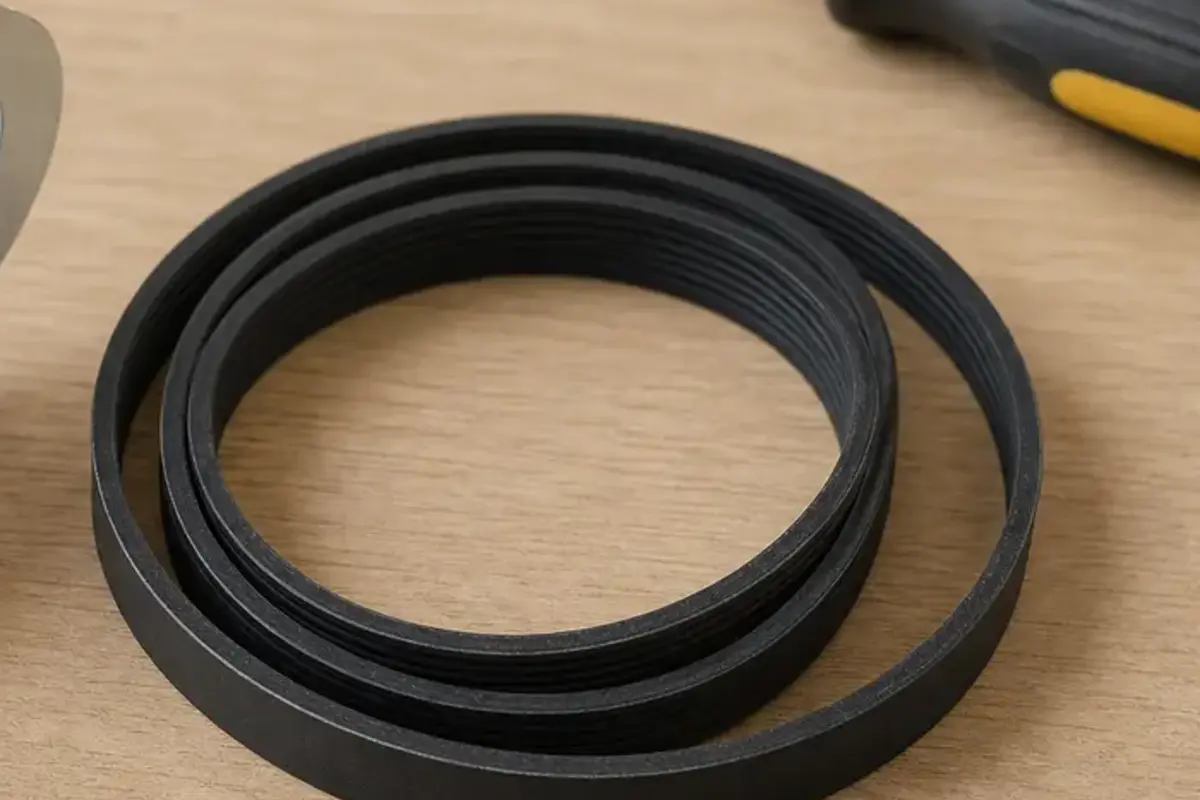
Helps when: The belt is frayed, cracked, glazed, stretched, or leaving rubber dust.
Skip it when: The belt looks healthy and the only clue is load noise or vent rub.
Compare dryer belts on AmazonA startup squeal is a good clue for the idler pulley or belt path. Check it with the dryer unplugged after ruling out load noise and vent rub.
Do not keep running it if you smell rubber, see belt dust, hear grinding, or the drum binds. A small squeak can become a belt or support failure.
Not usually. Most squeaks come from rollers, idler pulley, belt, or rub points before the motor.
No. Lubricant can attract lint and contaminate the belt. Replace a rough or squeaking roller instead.
That rhythm points to a rotating support part, belt spot, or drum rub. The hand-spin check tells you which one.
Yes. A loose wall collar, rubbing hose, or outside flap can sound like a dryer squeak from behind the machine.
Only replace what diagnosis supports. If the idler or rollers are rough while the belt is worn, it can make sense to service the belt path together.
Run an empty drum, then a small towel load. The squeak should not return, and there should be no rubber smell, grinding, or fresh belt dust.
Repair Riot built this page around homeowner-visible LG dryer clues: power, door behavior, airflow, load timing, heat-safety behavior, and model-matched parts. The source links support dryer lint, load, airflow, efficiency, and fire-risk context; the repair sequence is original guidance.