What this usually looks like
Thermostat never shows AUX or AUX HEAT
The system runs in heat mode, but the aux indicator never appears even when the room temperature is several degrees below the set point.
Start here: Start with thermostat mode, schedule, and installer settings if they are user-accessible, then move to airflow checks.
House falls behind on cold mornings
The heat pump runs a long time, supply air feels only mildly warm, and indoor temperature climbs very slowly or not at all.
Start here: Check the heat pump air filter, return grilles, and supply registers first so you do not mistake an airflow problem for an aux-heat problem.
Emergency heat works but AUX does not seem to
When you switch to emergency heat, the air gets noticeably hotter, but in normal heat mode the system never seems to add backup heat.
Start here: That points more toward thermostat staging or control wiring than a total heater failure, so confirm thermostat behavior before anything else.
Outdoor unit keeps running while the house stays cold
The outdoor section runs continuously in heat mode, but the indoor temperature still drops and you never see signs of backup heat helping.
Start here: Check whether the outdoor unit is iced over or stuck in a defrost-related problem, then stop and call if ice is heavy or persistent.
Most likely causes
1. Thermostat settings or staging are not calling for auxiliary heat
This is one of the most common reasons, especially after thermostat changes, battery issues, schedule changes, or a recent power interruption.
Quick check: Set the thermostat to heat, raise the set point 3 to 5 degrees above room temperature, and watch for an AUX indicator or a change in indoor air temperature over the next several minutes.
2. Dirty heat pump air filter or blocked airflow
Restricted airflow makes the system feel weak and can keep the house from warming up even when the heat pump and backup heat are trying to work.
Quick check: Pull the filter and check for heavy dust loading, then make sure return grilles and supply registers are open and not buried by furniture or rugs.
3. Outdoor unit problem is making the heat pump fall behind
If the outdoor unit is iced up, not running correctly, or stuck in a defrost issue, the system may act like aux heat is missing when the main heat source is the real problem.
Quick check: Look for heavy frost or solid ice on the outdoor coil, a fan that is not spinning, or loud buzzing and repeated starts.
4. Auxiliary heat control or electric heat section fault
If airflow is good, the thermostat is clearly calling for more heat, and emergency heat also fails or is weak, the backup heat circuit may not be energizing.
Quick check: Listen for the indoor blower running with no noticeable increase in supply air warmth during a strong heat call, then stop short of opening panels or testing live components.
Step-by-step fix
Step 1: Make sure the thermostat is actually asking for backup heat
A lot of aux-heat complaints start at the wall control, not in the equipment. You want to confirm whether the thermostat is requesting more heat before chasing deeper faults.
- Set the thermostat to HEAT, not AUTO changeover if your control makes that distinction unclear.
- Raise the set point 3 to 5 degrees above the current room temperature and leave it there for several minutes.
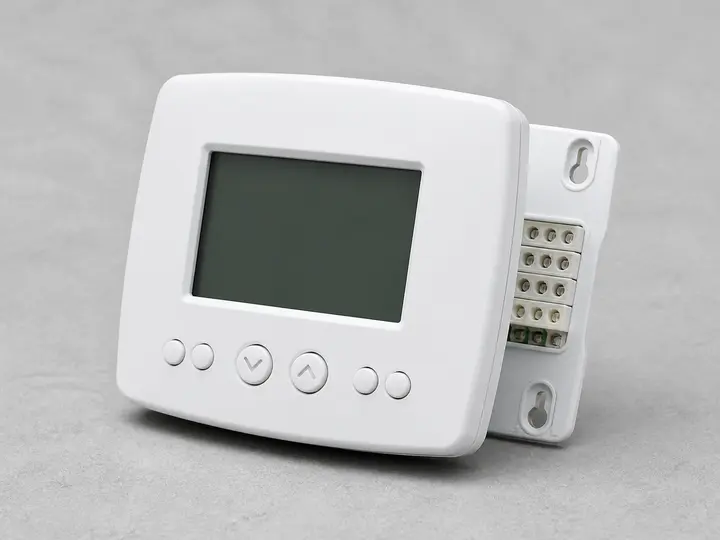
- Check whether the display shows AUX, AUX HEAT, or a similar backup-heat indicator.
- If the thermostat has batteries and the screen is dim, replace the batteries before judging system behavior.
- If you recently changed thermostat settings, disable aggressive energy-saving schedules for this test so the call for heat stays steady.
If AUX appears and the air gets warmer after a short delay, the system can bring on backup heat. Your issue may be more about capacity, airflow, or outdoor conditions than a failed aux stage. If the thermostat never shows AUX and the house is still several degrees behind, keep going. That points toward setup, airflow, or a control problem.
You are separating a thermostat-command issue from a heat-output issue. If the thermostat never seems to request aux heat, do not buy heater parts yet.
Stop if:- The thermostat is blank and does not recover after fresh batteries or power reset.
- You smell burning plastic, see scorch marks, or hear sharp buzzing from the air handler.
- The breaker trips when the system tries to heat.
Step 2: Check the heat pump air filter and basic airflow
Weak airflow is the fastest way to make a heat pump feel like it is not heating enough. It is also the safest and most common fix to rule out first.
- Turn the system off at the thermostat before removing the filter.
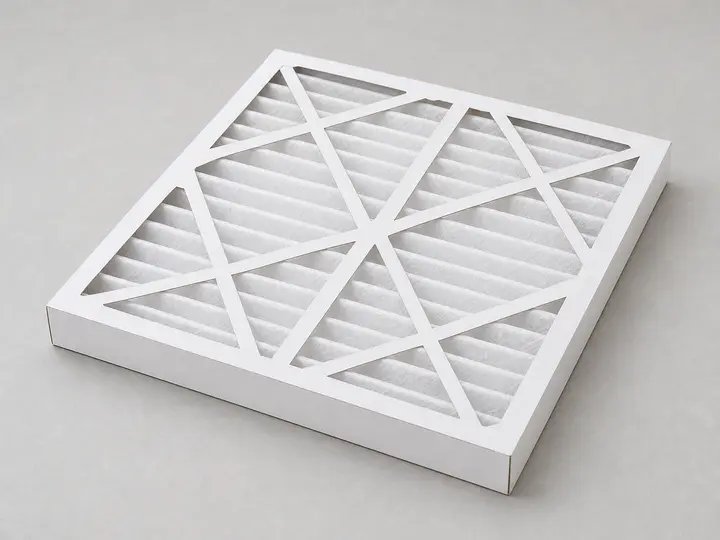
- Inspect the heat pump air filter for heavy dust, pet hair, or collapse from moisture.
- Replace a dirty filter with the same size and airflow type recommended for your system.
- Open blocked supply registers and make sure return grilles are not covered by furniture, drapes, or rugs.
- After restoring power at the thermostat, run heat again and compare airflow and supply air feel at several vents.
If airflow improves and the house starts recovering, the system may have been struggling from restriction rather than a true aux-heat failure. If airflow is still weak or the air feels barely warm, keep going and check outdoor operation next.
A dirty filter can make the whole system underperform. If airflow stays weak even with a clean filter, the problem may belong on an airflow-focused diagnosis instead of an aux-heat one.
Stop if:- The filter slot is wet, the blower compartment is sweating heavily, or you see signs of water around the air handler.
- Airflow is extremely weak from most vents even with a clean filter.
- The blower is making scraping, grinding, or burning smells.
Step 3: Look at the outdoor unit before assuming aux heat has failed
If the outdoor section is iced up or not running right, the heat pump can fall behind badly. Homeowners often read that as no auxiliary heat when the main heat source is the real issue.
- With the system calling for heat, check whether the outdoor fan is running and whether the unit sounds normal.
- Look for a light frost pattern versus heavy ice buildup. A thin frost can be normal; a solid ice shell is not.
- Check that snow, leaves, or debris are not packed against the outdoor coil or blocking airflow around the unit.
- If the unit is heavily iced, do not chip at the ice or pour hot water on it.
- If your thermostat has EMERGENCY HEAT, switch to it temporarily only to keep the house from dropping further while you arrange service.
If clearing obvious debris restores normal outdoor airflow and the house starts warming, the system may simply have been starved for outdoor air. If the outdoor unit is iced over, not running, or making harsh electrical noises, stop DIY and call for service.
Stop if:- The outdoor unit is encased in ice or repeatedly starts and stops.
- You hear loud humming, buzzing, or metal-on-metal noise outside.
- Any breaker has tripped more than once.
Step 4: Compare normal heat mode to emergency heat
This is the cleanest homeowner test for separating a thermostat staging problem from a total backup-heat problem. If emergency heat works but normal aux never joins in, the control side becomes much more likely.
- Switch the thermostat to EMERGENCY HEAT if your system has that mode.
- Let it run long enough to feel the difference at a nearby supply register.
- Compare the air temperature feel and the rate the room temperature recovers.
- Then switch back to normal HEAT mode and repeat the same observation.
- Write down what changed: hotter air in emergency heat, no change at all, or no emergency heat mode available.
If emergency heat gives clearly hotter air but normal heat never seems to add backup heat, the thermostat or low-voltage staging controls are the stronger suspects. If emergency heat is also weak or dead, the electric heat section, its safeties, or power feed may have a fault that needs professional testing.
Stop if:- Switching to emergency heat trips a breaker or creates a burning smell.
- The air handler cabinet gets unusually hot, noisy, or smells scorched.
- You would need to open electrical panels to continue.
Step 5: Decide between a thermostat path and a service call
By now you should know whether this is a simple control issue, an airflow problem, or a backup-heat circuit fault. The safe next move depends on which pattern you found.
- If AUX never appears, emergency heat works, and airflow is normal, focus on thermostat setup, thermostat compatibility, or low-voltage control wiring and schedule professional diagnosis if you are not already certain the thermostat is correct for a heat pump with auxiliary heat.
- If both normal aux behavior and emergency heat are weak or absent, call for service and report that the backup heat section does not appear to energize.
- If the outdoor unit is iced, noisy, or not operating correctly, call for service for the heat pump itself rather than buying aux-heat parts.
- If the system heats normally after a clean filter and open airflow path, keep monitoring and replace the filter on schedule.
- Use emergency heat only as a temporary holdover if the house needs heat and normal operation is not keeping up.
A good result: If your notes point clearly to thermostat staging or a simple airflow issue, you have narrowed the problem without guessing at expensive parts.
If not: If the pattern is still unclear, stop before opening panels or testing live circuits. A tech can verify thermostat calls, sequencer operation, heater amperage, and safeties safely.
Most homeowners can confirm the symptom pattern, but the actual aux-heat circuit repair is often high-risk electrical work. The value here is getting to the right service path without replacing the wrong thing.
Replacement Parts
As an Amazon Associate I earn from qualifying purchases. Repair Riot may earn a commission at no extra cost to you.
FAQ
How do I know if my heat pump is supposed to use auxiliary heat?
Most heat pumps use auxiliary heat when outdoor conditions are cold enough or when the thermostat is asking the house to recover several degrees. Some systems show AUX on the thermostat, while others do it more quietly in the background. If the house is maintaining temperature in mild weather, aux heat may not need to come on much.
Why does emergency heat work when auxiliary heat does not?
That usually points more toward thermostat staging, setup, or low-voltage control issues than a completely dead backup heat section. Emergency heat is a separate operating mode, so it can still work even when normal aux staging is not being called correctly.
Can a dirty filter make it seem like auxiliary heat is not working?
Yes. A clogged heat pump air filter can cut airflow enough that the air feels weak or only mildly warm, and the house may not recover well. That often gets mistaken for a failed aux-heat system.
Should the outdoor unit stop when auxiliary heat comes on?
Not always. On many systems, auxiliary heat adds to the heat pump rather than replacing it. The outdoor unit may keep running while backup heat helps indoors. Emergency heat is the mode that usually locks out the outdoor unit.
Is it safe to keep using emergency heat?
It is usually safe as a temporary measure if the system is designed for it and nothing is tripping breakers or overheating, but it is often more expensive to run. If you need emergency heat because normal heat cannot maintain temperature, treat that as a service issue rather than a permanent fix.