No air from vents or indoor head?
Start with thermostat mode, setpoint, batteries if used, and one breaker reset. If the air handler stays silent, stop before opening panels.
If a heat pump is not heating, look for thermostat call, filter, airflow, breaker status, and outdoor coil clues before you blame refrigerant or controls. No airflow, cool airflow, a silent outdoor unit, and heavy ice point to different next moves.
Usually the homeowner-safe path is a dirty filter, blocked return, wrong thermostat setting, or one silent section. If airflow is weak or the outdoor unit is packed in ice, check the filter and visible outdoor airflow once, then stop before covers or repeated breaker resets.
Sort the pattern first: no indoor airflow, weak lukewarm airflow, outdoor unit off, or a coil buried in ice.
Don’t start with: Do not start by replacing capacitors, adding refrigerant, opening electrical covers, or chipping ice off the outdoor coil.
Start with thermostat mode, setpoint, batteries if used, and one breaker reset. If the air handler stays silent, stop before opening panels.
Look at the filter, returns, supply registers, fan setting, and outdoor unit. Heat-pump air can feel mild, but the room should still gain temperature.
Make sure the thermostat is calling for heat and the breaker has not tripped. If the disconnect or internal wiring would need work, call service.
A thin frost layer can clear during defrost. Thick ice on the coil, fan guard, or base is a service clue after filter and airflow checks.
Leave it off. Repeated trips can mean a motor, compressor, heater strip, wiring, or control fault.
Clean the indoor head filters if your manual allows it, make sure the remote is in Heat, and see whether the outdoor unit is also running.
Use the visible clue before you shop for parts. A clear outdoor unit that runs but does not warm the house points differently than a coil packed in ice.
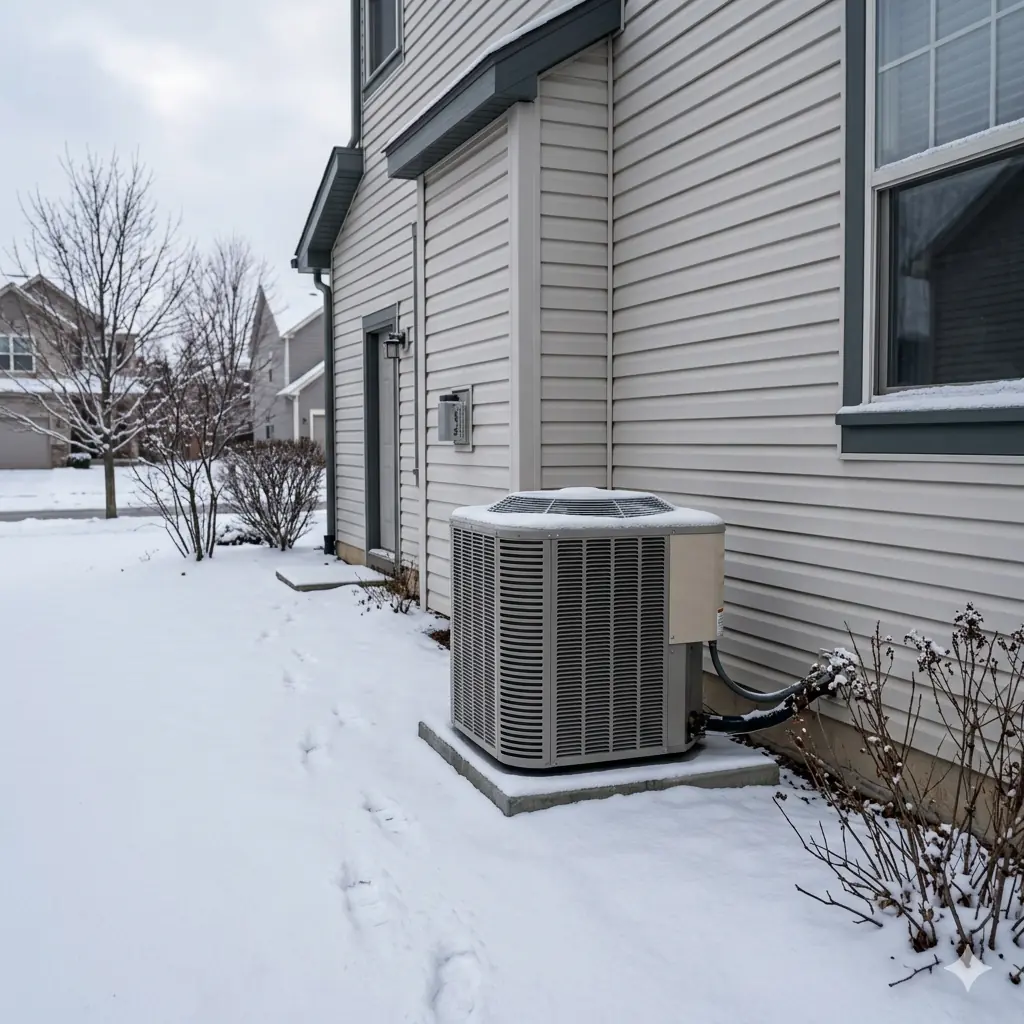
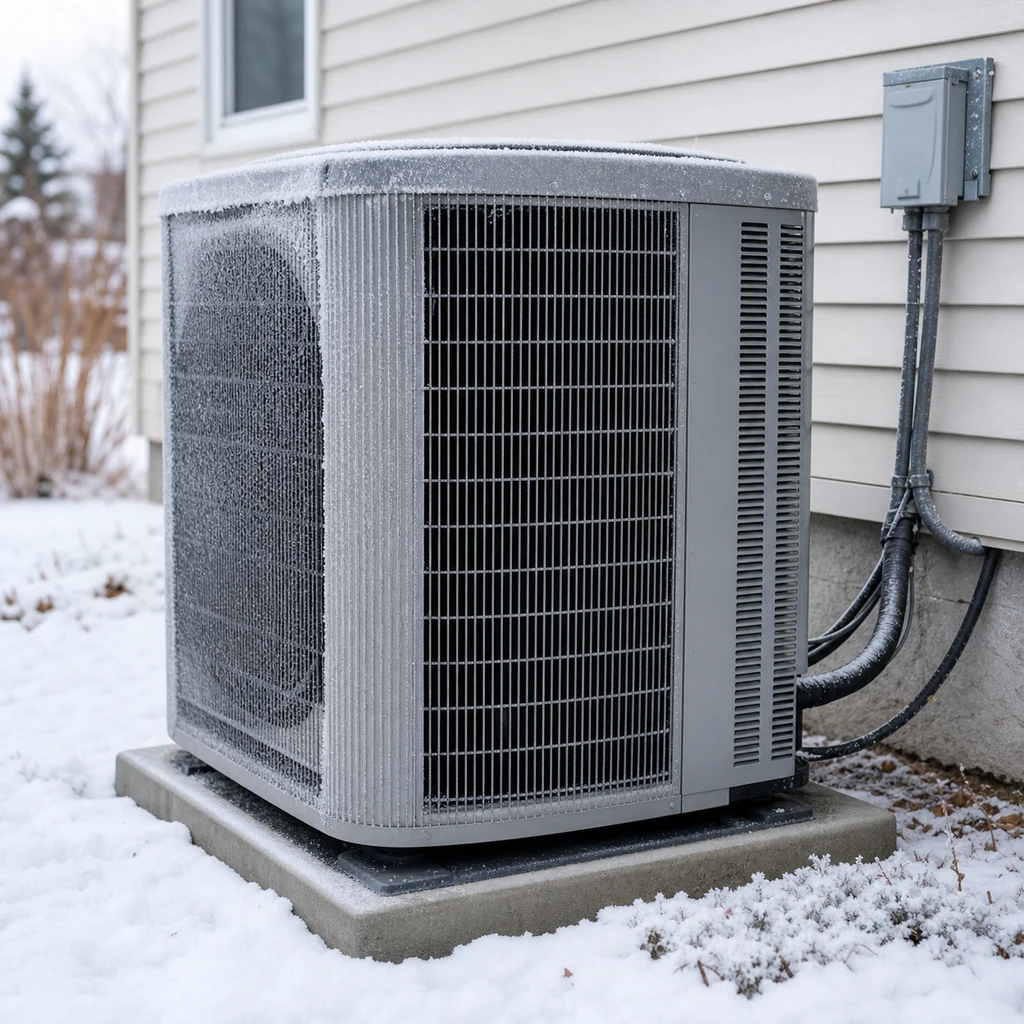
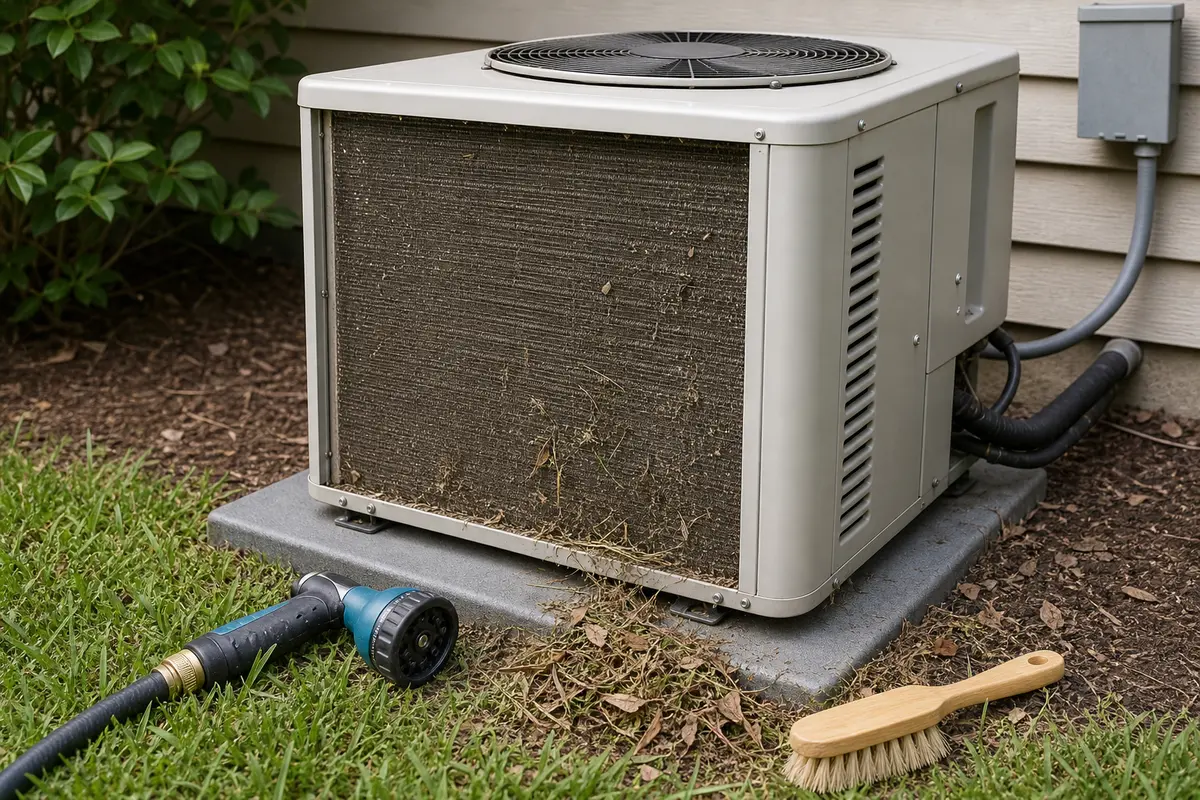
Before you buy parts: write down the filter size, thermostat model, outdoor unit model number, and the exact symptom. Filters and batteries are homeowner items; capacitors, contactors, defrost boards, refrigerant, and compressor parts need diagnosis first.
A heat pump no-heat call usually splits into airflow, control, power, outdoor-unit, or defrost trouble. Match the first visible clue to the next safe check: thermostat call, filter condition, breaker status, outdoor fan, or ice pattern.
Do not turn a no-heat call into a parts pile. Use the visible clue first: filter condition, airflow strength, breaker behavior, outdoor fan operation, and ice pattern tell you whether any homeowner item belongs on the list.
Work from the controls outward. Each step should leave you with a clearer clue, not a new guess.
| What you see | What it points toward | Next move |
|---|---|---|
| Blank thermostat | Thermostat batteries, low-voltage power, or control issue | Replace batteries if used; call service if it stays blank |
| Strong airflow but lukewarm house | Outdoor unit, defrost, or capacity problem | Look outside, note ice or fan behavior, then decide |
| Breaker trips again | Electrical or equipment fault | Leave it off and call a pro |
| Coil covered in ice | Defrost, airflow, fan, or refrigerant issue | Stop after filter and airflow checks |
The outdoor unit is not just a box making noise. In heating mode, its fan, coil, frost pattern, and start behavior tell you whether this is simple airflow or service work.
Mini splits use the same basic heating idea, but the indoor head adds a few easy-to-miss clues.
These are for surface-level checks only. They do not make electrical, refrigerant, or sealed cabinet work safe.
Paid links. As an Amazon Associate I earn from qualifying purchases. Repair Riot may earn a commission at no extra cost to you.
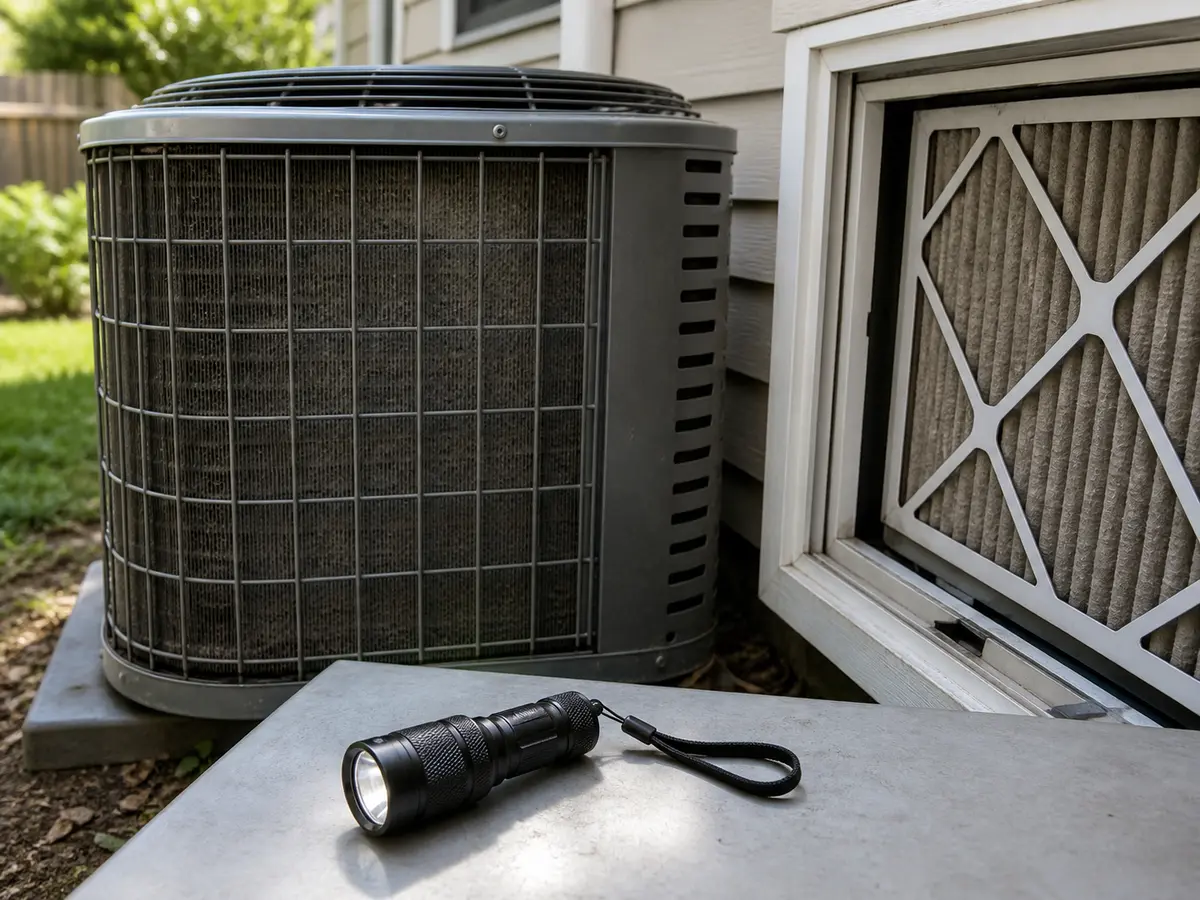
Helps when: You need a clear look at the filter slot, return grille, thermostat display, and outdoor coil face without opening equipment covers.
Skip it when: The next step requires removing an electrical cover, reaching through a fan guard, or working inside a cabinet.
Compare flashlights on Amazon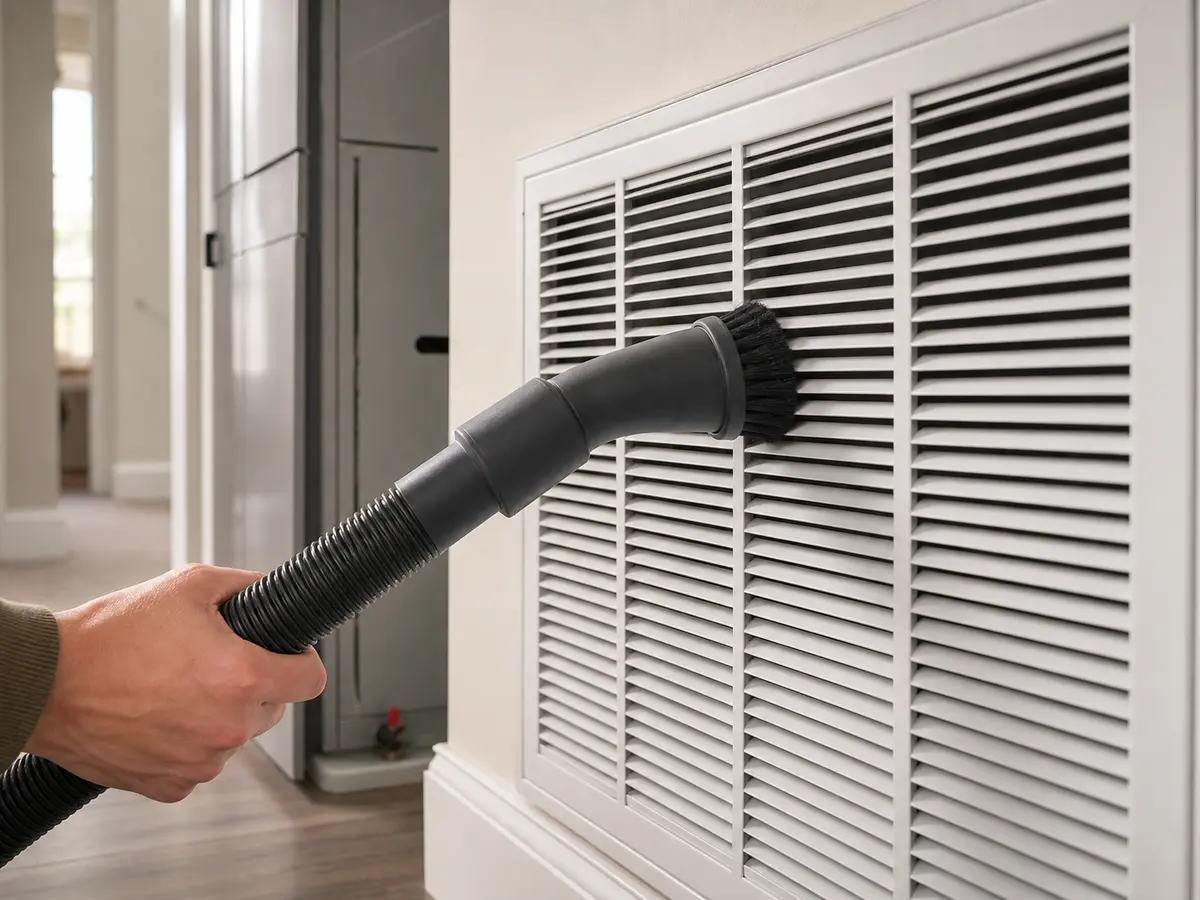
Helps when: You are removing loose dust from a return grille or dry debris near accessible exterior areas without bending fins or touching wiring.
Skip it when: The dust is inside the air handler, on the coil behind panels, wet, moldy, or mixed with damaged insulation.
Compare soft brush attachments on Amazon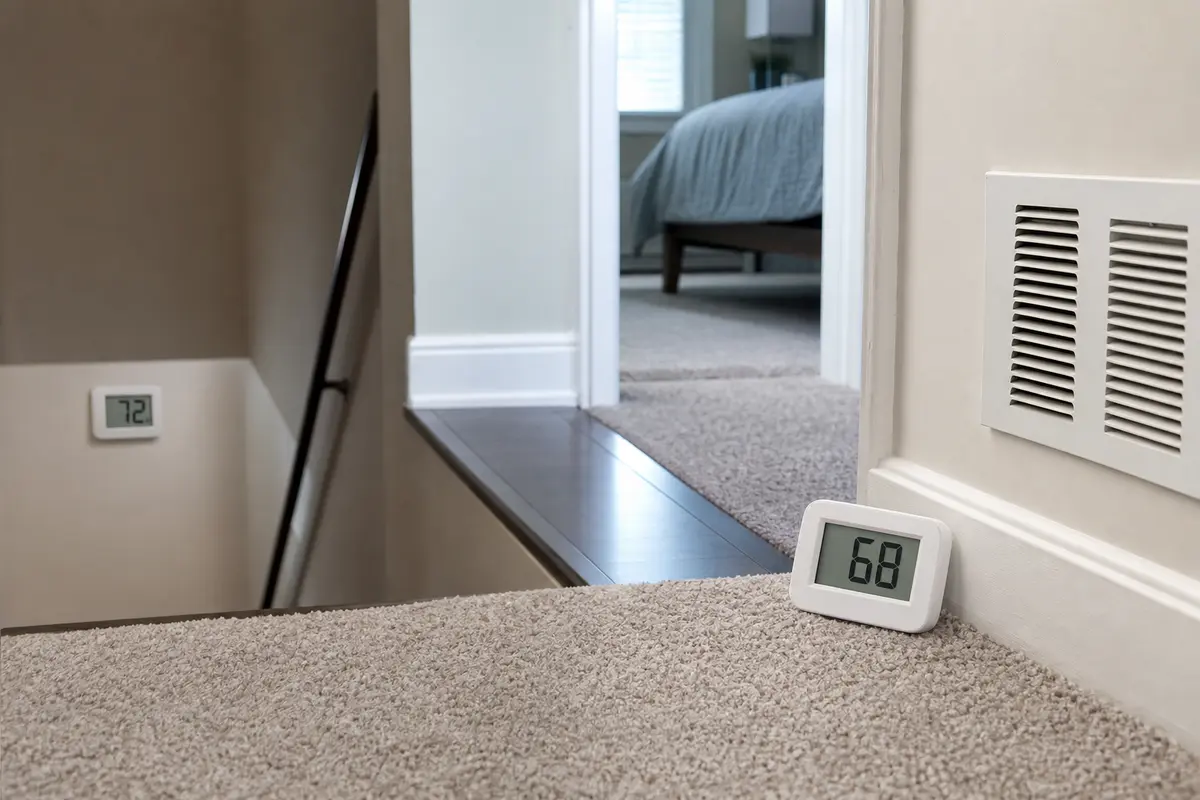
Helps when: You want to compare room temperature before and after the heat call instead of judging only by how warm the vent air feels.
Skip it when: The system is tripping a breaker, producing burning smells, or showing heavy ice that already points to service.
Compare room thermometers on AmazonUse this section only after the symptom points to a visible, homeowner-safe item. Look for a packed, collapsed, wet, or wrong-size filter; use batteries only if a battery-powered thermostat is dim or blank.
Paid links. As an Amazon Associate I earn from qualifying purchases. Repair Riot may earn a commission at no extra cost to you.
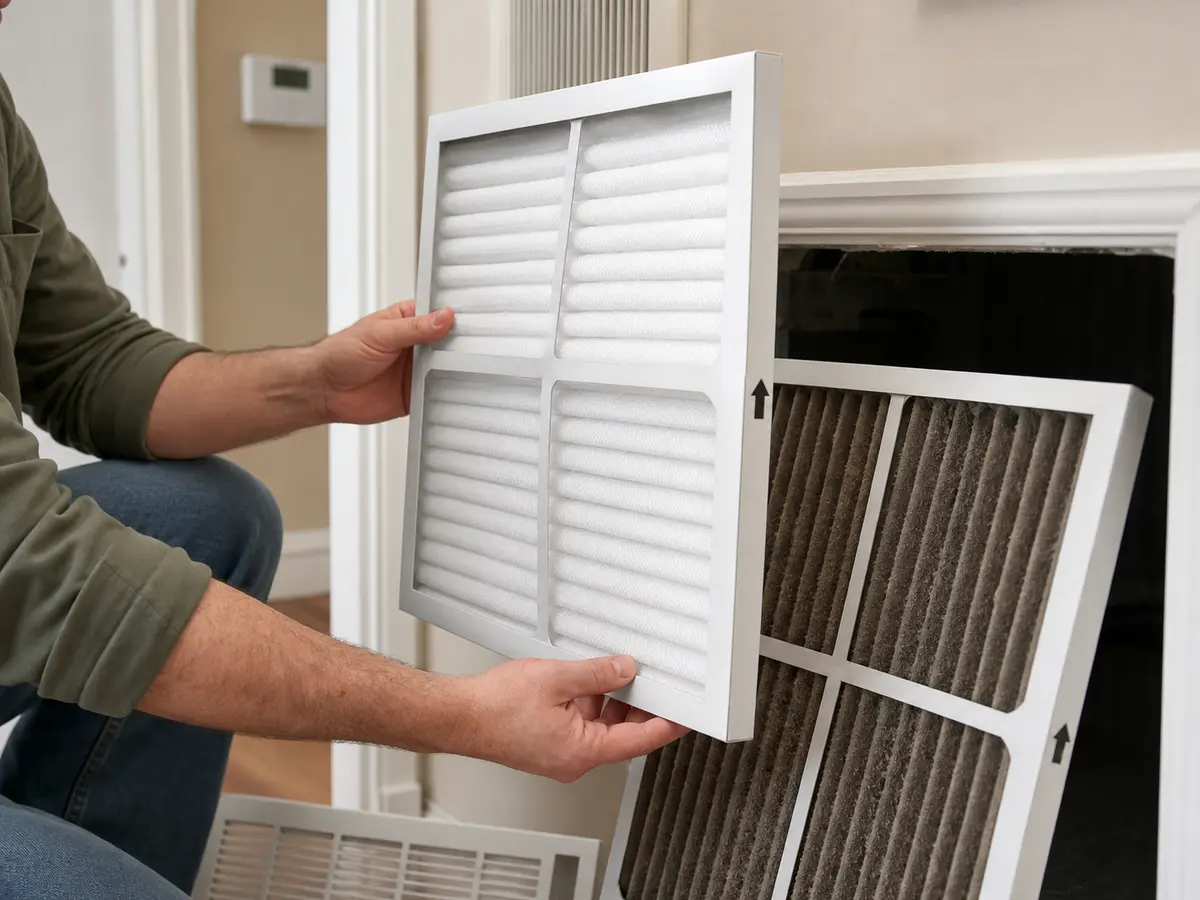
Helps when: The filter is visibly clogged, collapsed, wet, the wrong size, or overdue, and the replacement matches the printed dimensions and allowed filter type.
Skip it when: Airflow is already strong, the outdoor unit is heavily iced, the breaker trips, or one section will not run.
Compare HVAC filters on Amazon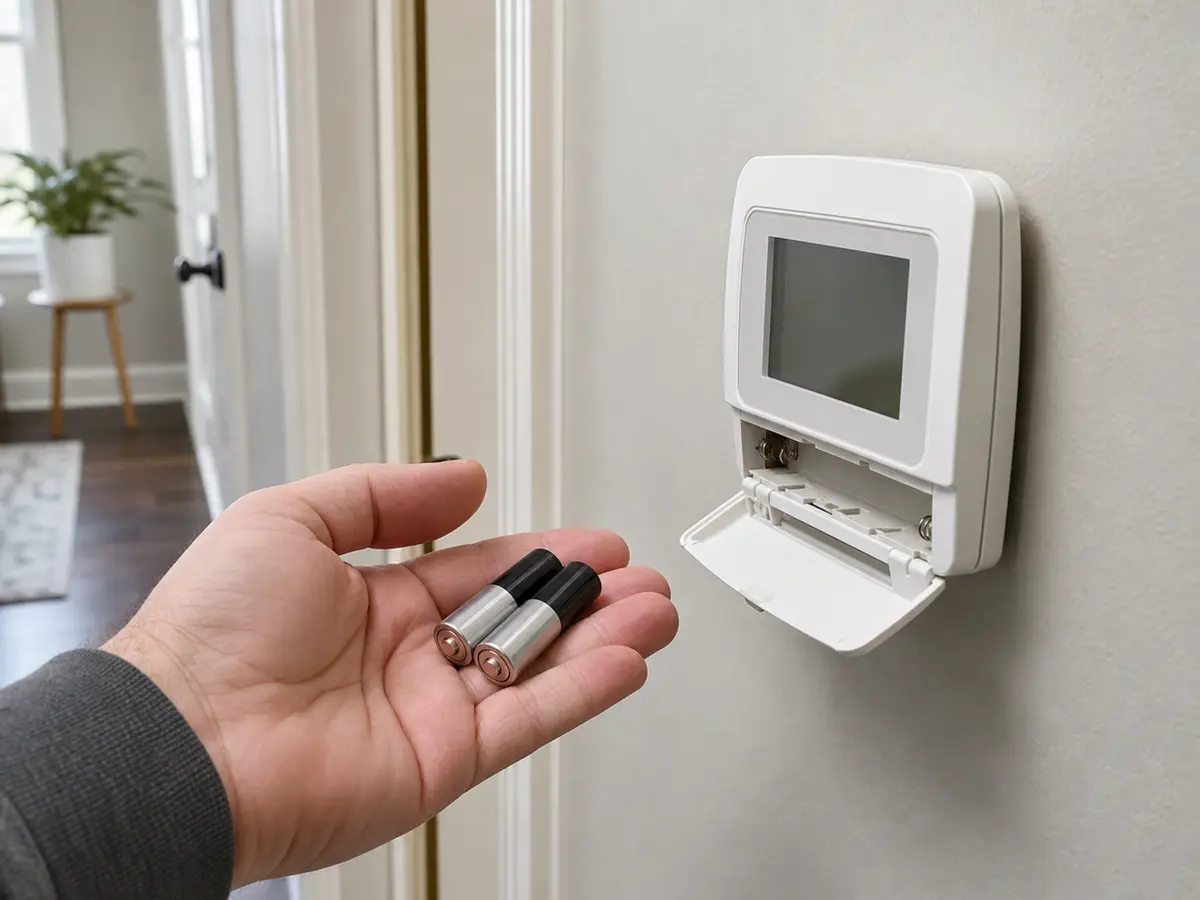
Helps when: The thermostat uses replaceable batteries and the screen is dim, blank, or recovering after a battery change.
Skip it when: The thermostat is hardwired, communicates with the heat pump, or shows wiring, burning, or breaker-trip symptoms.
Compare thermostat batteries on AmazonGood notes save the tech from starting cold, and they keep you from buying a part that only matches one symptom.
Heat pumps usually deliver milder air than a furnace. If the house is not warming, look at the filter, return airflow, thermostat fan setting, outdoor unit operation, and ice on the outdoor coil.
Yes. A light frost layer can happen in heating mode and should clear during defrost. Thick ice across the coil, fan guard, or base is different and needs service after filter and airflow checks.
You can reset a tripped HVAC breaker once by switching it fully off and back on. If it trips again, leave it off and call for service.
Yes. A clogged or collapsed filter can starve the indoor coil and blower for air. That can leave the house cold, increase run time, and contribute to icing.
A heat pump moves heat rather than making furnace-style blast heat, so the supply air can feel mild. The important clue is whether the room temperature rises and the system runs steadily.
Use emergency or auxiliary heat only if your thermostat and system support it. Treat it as temporary comfort, not the repair, because it can cost more to run and does not fix the outdoor unit.
Do not chip ice, force a defrost cycle, or pour hot water over the cabinet. Turn the system off if it keeps struggling under heavy ice, then call for service.
That points away from a simple filter-only problem. After thermostat and breaker checks, the next possibilities include outdoor power, controls, fan motor, compressor, or defrost trouble.
Call for service if the breaker trips again, the outdoor unit is heavily iced, one section will not run, or you smell burning. Also call if the system still cannot heat after thermostat, filter, airflow, and basic power checks.
Repair Riot built this page around visible homeowner clues: thermostat call, airflow, power, outdoor coil condition, and when the next step belongs to an HVAC tech.