Is it only a thin frost coating?
That can be normal in cold, damp weather. Watch for a short sound change, outdoor fan pause, steam, or a cleared coil before calling it failed.
A heat pump that will not defrost usually shows thick ice that does not clear after a normal heating cycle. Start with the filter, indoor airflow, and outdoor coil blockage before you suspect controls or refrigerant.
The homeowner-fixable clue is restricted airflow: a loaded return filter, blocked registers, packed leaves, snow, or dirt on the outdoor coil.
Light frost can be normal. Heavy ice that stays put, blocks the fan, or comes back after thawing needs a safer plan.
Don’t start with: A defrost-board swap from ice alone. First confirm a clean filter, open grilles, and a clear outdoor coil.
That can be normal in cold, damp weather. Watch for a short sound change, outdoor fan pause, steam, or a cleared coil before calling it failed.
Treat it as a real icing problem. Move to the filter, return grille, supply register, and outdoor airflow checks.
Replace the filter, open blocked registers, and let the iced outdoor unit thaw before judging the next heating cycle.
With the thermostat off, clear loose debris around the cabinet. Leave solid ice, bent fins, and panel removal to service.
Call an HVAC technician. Defrost sensors, defrost controls, outdoor fan issues, and refrigerant faults need proper testing.
The useful clues are visible: how heavy the ice is, whether airflow is blocked, and whether the indoor filter is starving the system.
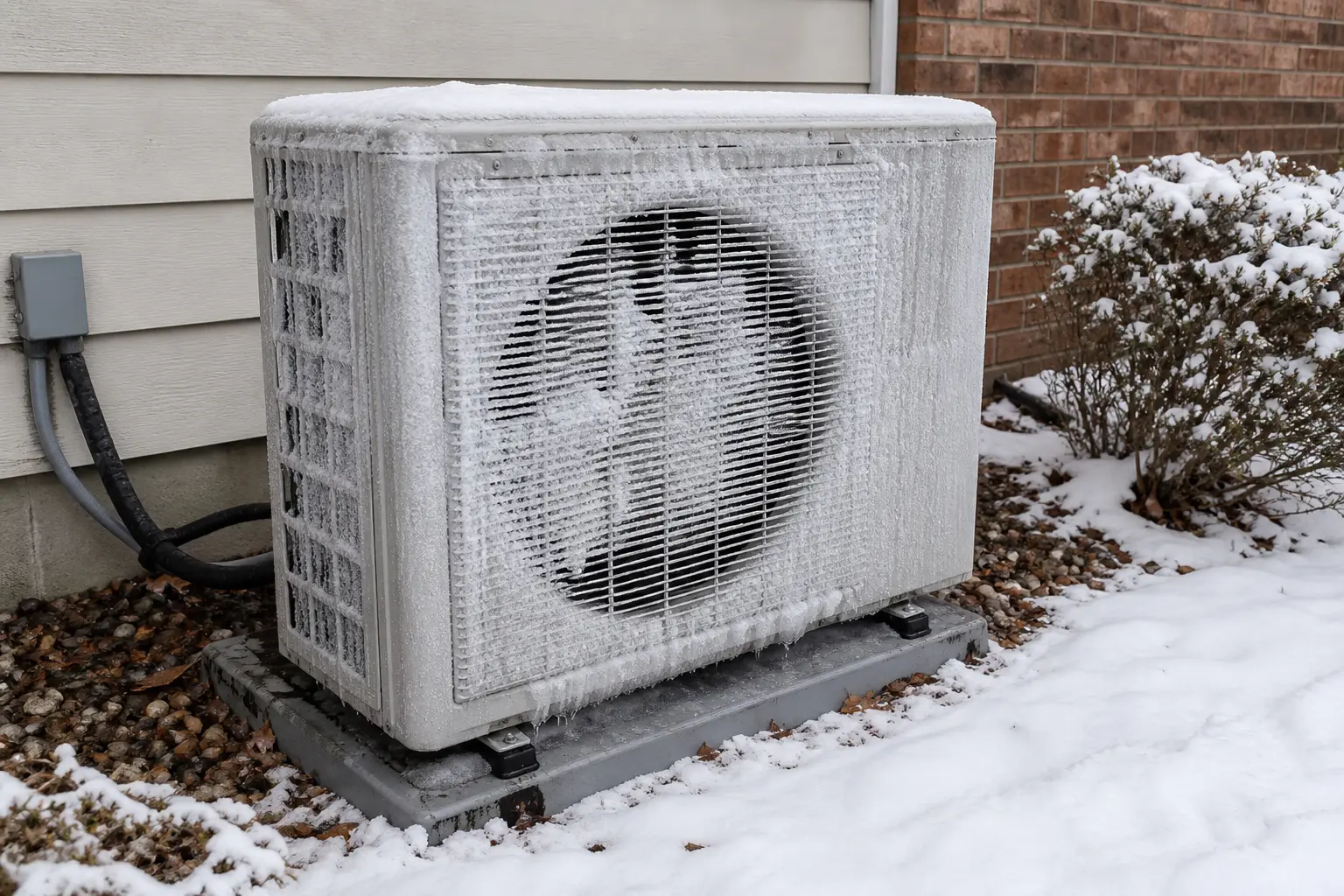
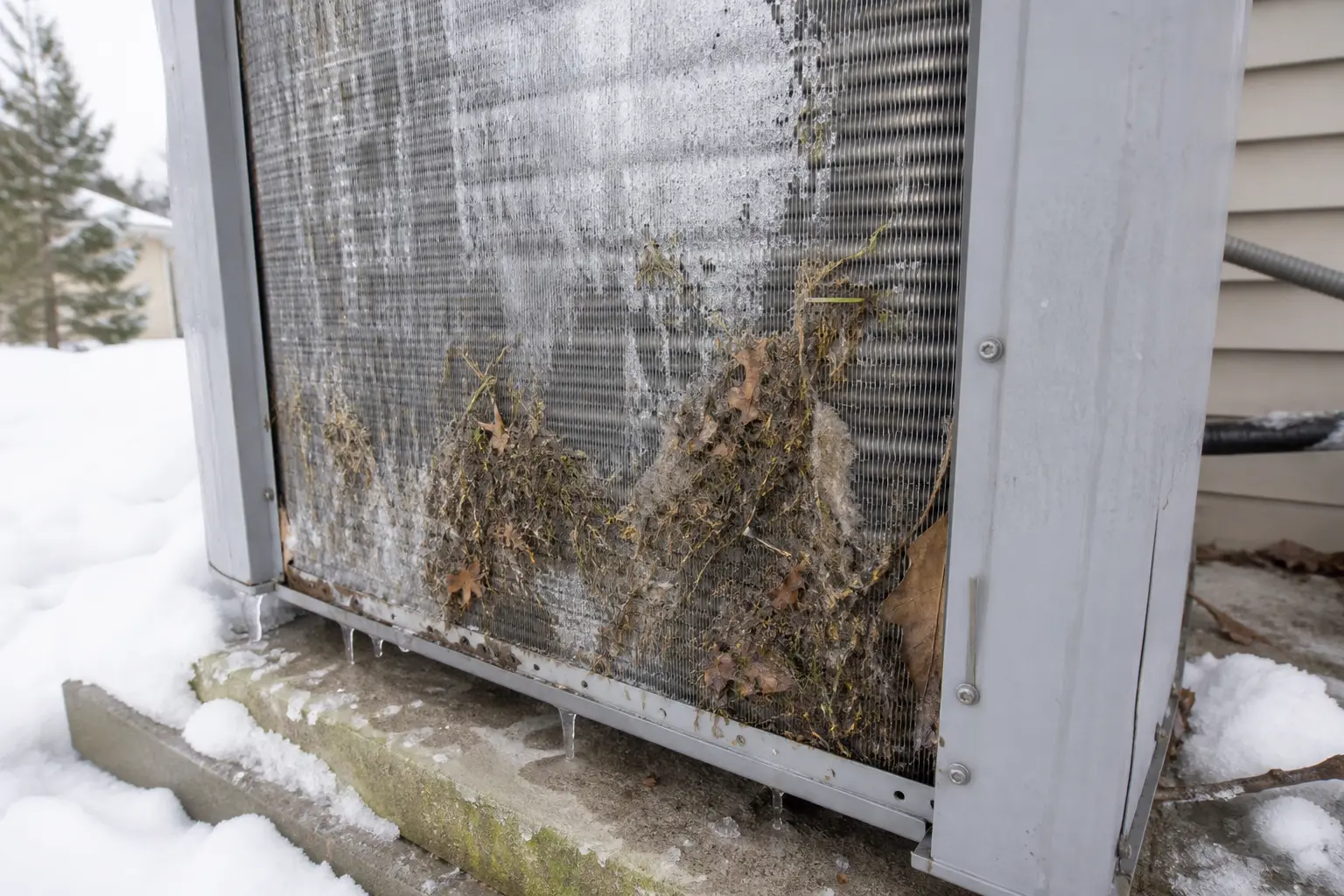
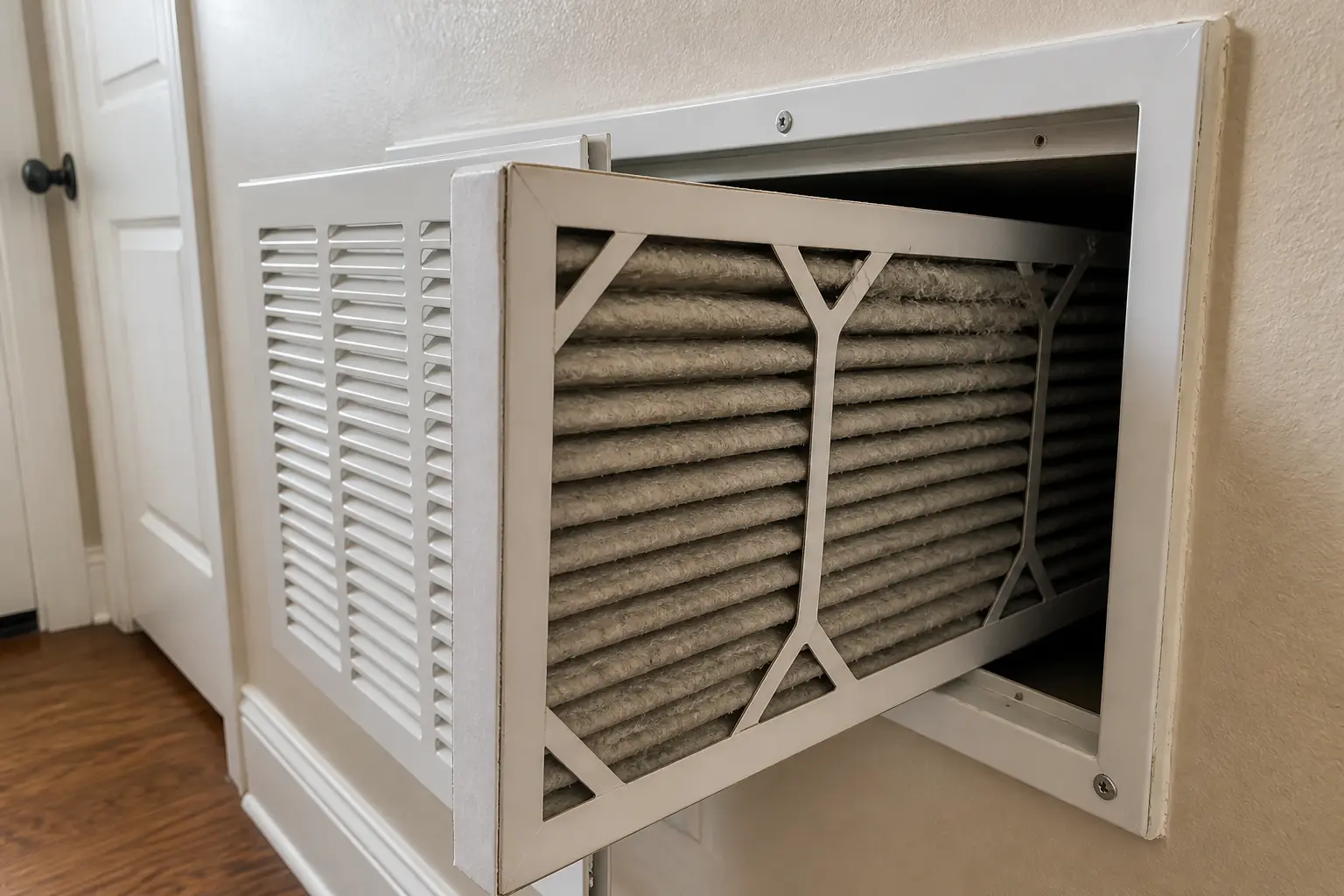
Do not buy a defrost board, sensor, outdoor fan motor, or refrigerant service kit from a frozen cabinet alone. Match any air filter by the exact size printed on the old filter or return grille, and leave electrical and refrigerant parts to a tested diagnosis.
A heat pump is allowed to frost in winter. The trouble starts when frost turns into a heavy white shell and the unit cannot clear itself.
The frozen cabinet is the symptom, not the diagnosis. The wrong first move can damage the coil or hide the real failure.
Use this pass before touching panels. The goal is to separate normal frost, airflow trouble, and service-only failures.
| What you see | What it usually means | Next move |
|---|---|---|
| Thin frost that later clears with steam or a sound change | Normal defrost behavior is likely. | Leave it alone unless heat output drops or ice starts building. |
| Dirty filter, blocked return, or weak indoor airflow | The system may be running too cold and too long. | Replace the filter, open grilles, and judge the unit after it has thawed. |
| Leaves, lint, snow, or dirt packed against the outdoor coil | Outdoor airflow is restricted. | Turn the thermostat off and remove loose blockage without bending fins. |
| Solid ice on the coil, fan grille, or around fan blades | The unit is beyond a simple cleaning pass right now. | Use backup heat if available and let the outdoor unit thaw safely. |
| Clean filter and clear coil, but heavy ice comes back | Defrost controls, sensors, outdoor fan operation, or refrigerant may be involved. | Call an HVAC technician and report the re-icing pattern. |
Once the fan grille or coil is packed in ice, the job changes from fixing to protecting the equipment and the house.
These are for no-disassembly checks: seeing the coil, clearing loose debris, and replacing an air filter. They are not for opening electrical compartments.
Paid links. As an Amazon Associate I earn from qualifying purchases. Repair Riot may earn a commission at no extra cost to you.
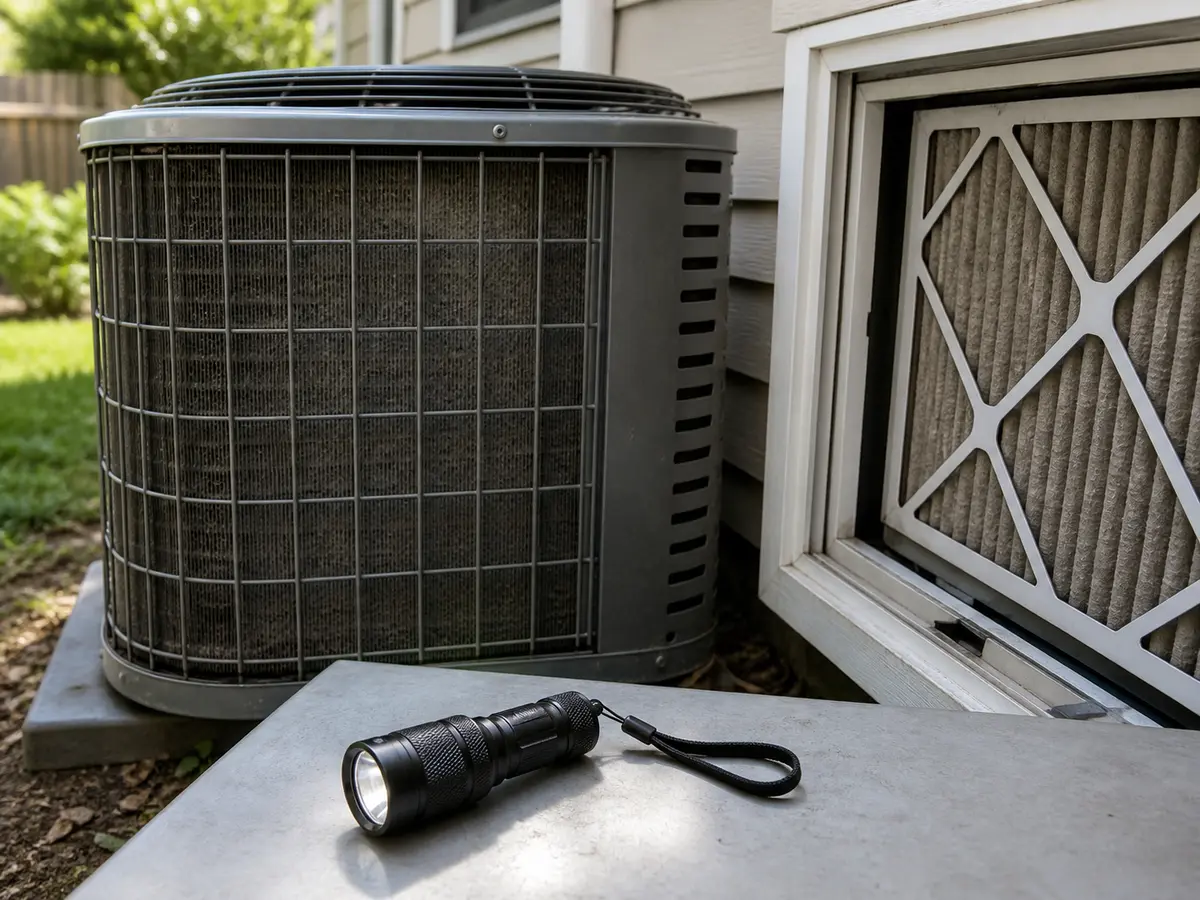
Helps when: You need to see frost depth, fan clearance, coil-face debris, and return-filter blockage without removing panels.
Skip it when: The inspection requires reaching through the grille, opening an electrical cover, or working near a moving fan.
Compare inspection flashlights on Amazon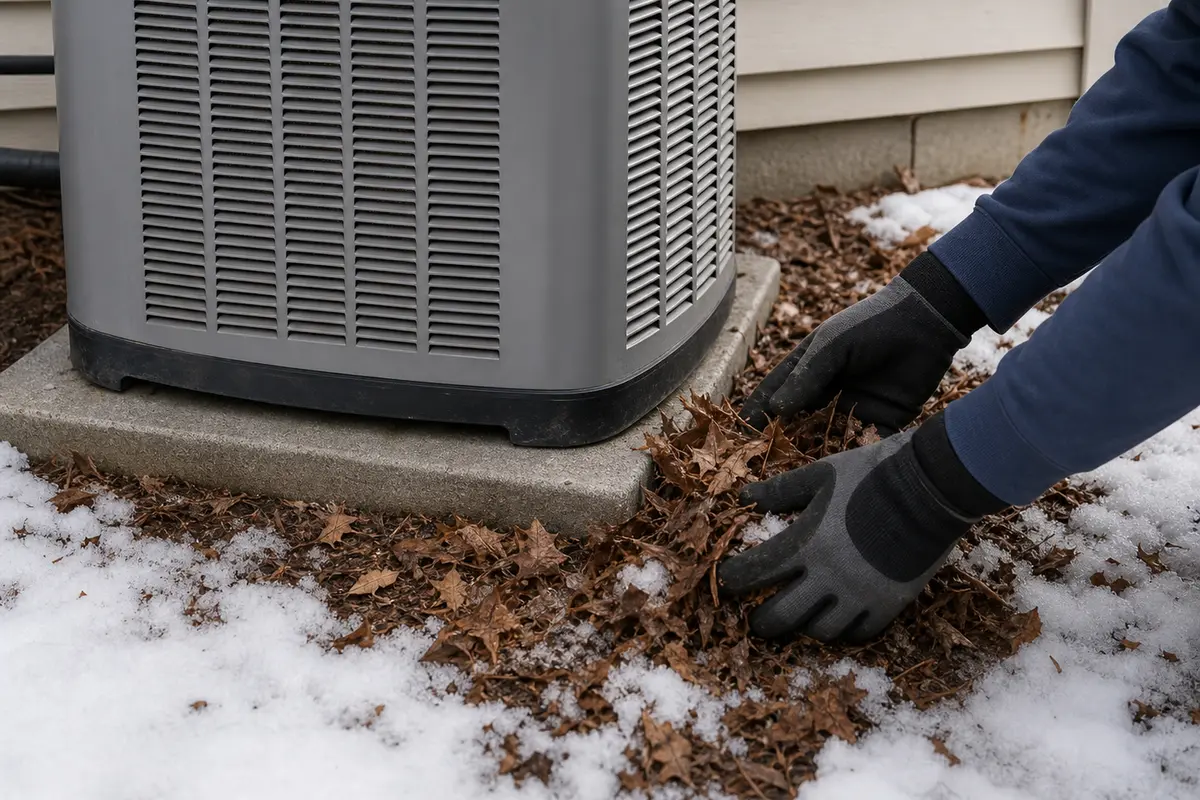
Helps when: You are clearing loose leaves, sticks, or snow from around the cabinet after the thermostat is off.
Skip it when: The debris is frozen into the coil, the fan area is iced, or the cabinet has sharp damaged metal.
Compare work gloves on Amazon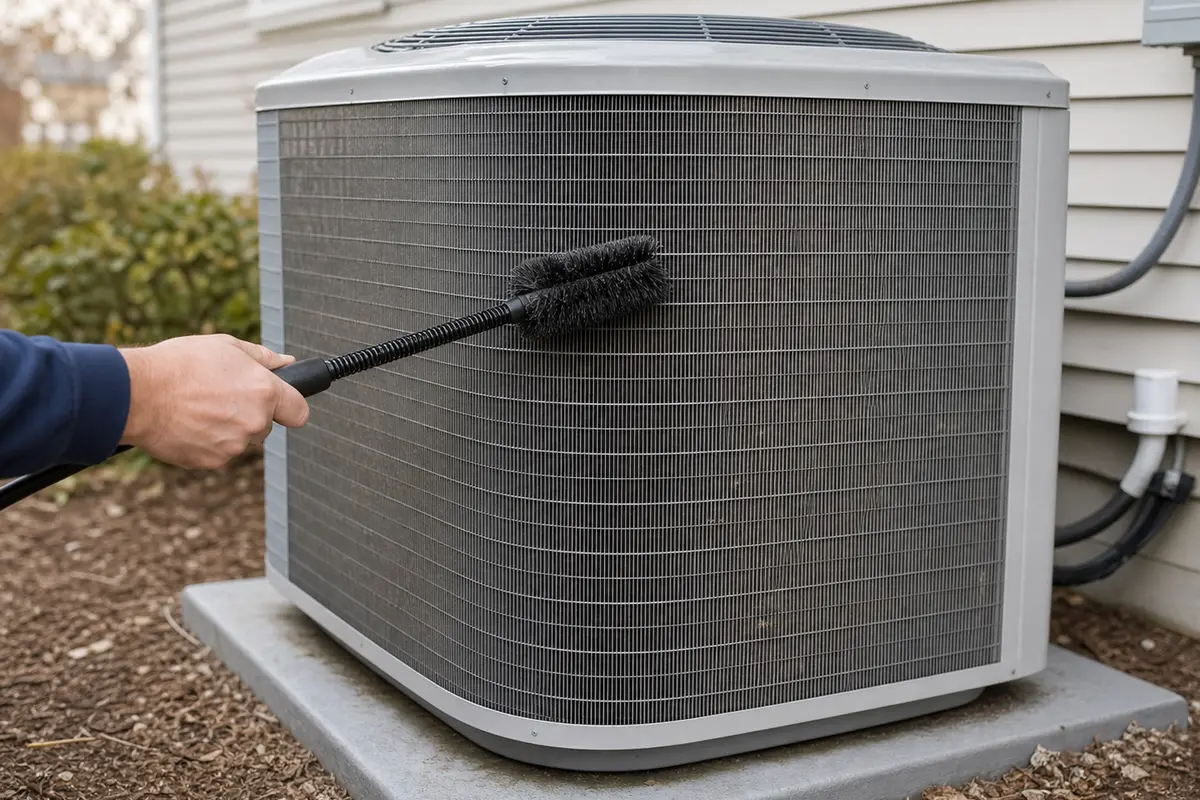
Helps when: The outdoor coil is thawed and you are brushing loose surface dirt from the outside without bending fins.
Skip it when: The coil is iced solid, packed with matted debris, or the cleaning would require panel removal.
Compare soft coil brushes on AmazonThe only normal homeowner purchase here is the filter. Defrost boards, sensors, fan motors, and refrigerant work need diagnosis first.
Paid links. As an Amazon Associate I earn from qualifying purchases. Repair Riot may earn a commission at no extra cost to you.
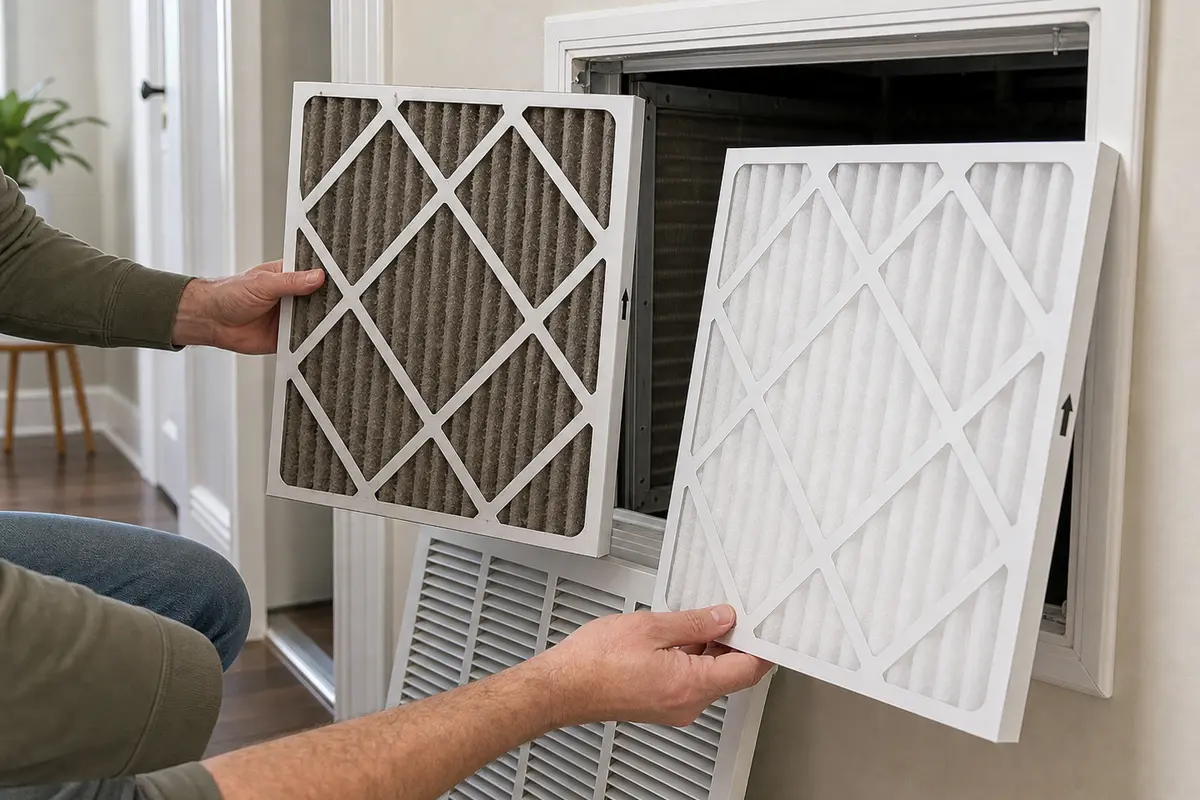
Helps when: The old filter is gray, packed, bowed, damp, damaged, or overdue, and indoor airflow is weaker than usual.
Skip it when: The filter is clean and correctly sized, or the outdoor unit re-ices after airflow and outdoor blockage are ruled out.
Compare heat pump air filters on AmazonGood notes save time because defrost problems can look different after the unit thaws.
Yes. A thin frost coating can be normal in cold, damp weather. The trouble sign is heavy ice that stays on the coil or fan grille and does not clear during normal operation.
During defrost, you may hear the outdoor sound change, see the fan pause briefly, and see steam leave the coil. If the coil never clears, check filter and outdoor blockage, then call for service if ice returns.
A dirty heat pump air filter can restrict indoor airflow and make the system run colder and longer. Replace a dirty or collapsed filter before blaming a defrost control.
No. Hot water can refreeze around the pad, splash electrical areas, and create a slipping hazard. Turn the system off and let the unit thaw naturally, or use emergency heat while arranging service.
After filter and coil blockage are ruled out, the next suspects are defrost sensors, defrost controls, outdoor fan operation, or refrigerant-side trouble. Those need testing before parts are ordered.
Do not keep forcing a heavily iced outdoor unit to run. Ice can block the fan and reduce heating capacity. Use emergency heat if your system has it, then get the unit checked.
Use EM HEAT or AUX HEAT only when that mode is on your thermostat and listed for your system. Expect higher electric use; the iced outdoor fan and coil stay off while the house has heat.
Yes, a refrigerant-side fault can make the coil run abnormally cold and ice hard. Do not add refrigerant yourself; an HVAC technician needs to test the system and look for leaks.
Steam during defrost can be normal because frost is melting off a cold outdoor coil. Steam is less concerning than ice that never clears, fan blades hitting ice, or weak heat indoors.
Start with a clean filter, open registers, clear return grilles, and a clear outdoor coil. If heavy ice returns after those basics are handled, leave deeper diagnosis to an HVAC technician.
Repair Riot built this page around what a homeowner can safely observe: frost pattern, indoor airflow, filter condition, outdoor coil blockage, and backup-heat use. Refrigerant and electrical diagnosis stay with an HVAC technician.