What the beeping is usually telling you
Beeping starts after the door was left open
The freezer still runs, lights work, and the alarm started after loading groceries or a door left cracked.
Start here: Give it time to recover, then confirm the door is sealing all the way around and nothing inside is pushing it back open.
Beeping happens even though the door looks closed
You may see a small gap at one corner, frost near the opening, or the gasket not grabbing the cabinet evenly.
Start here: Inspect the freezer door gasket and door alignment before digging into internal parts.
Beeping with frost on the back inside wall
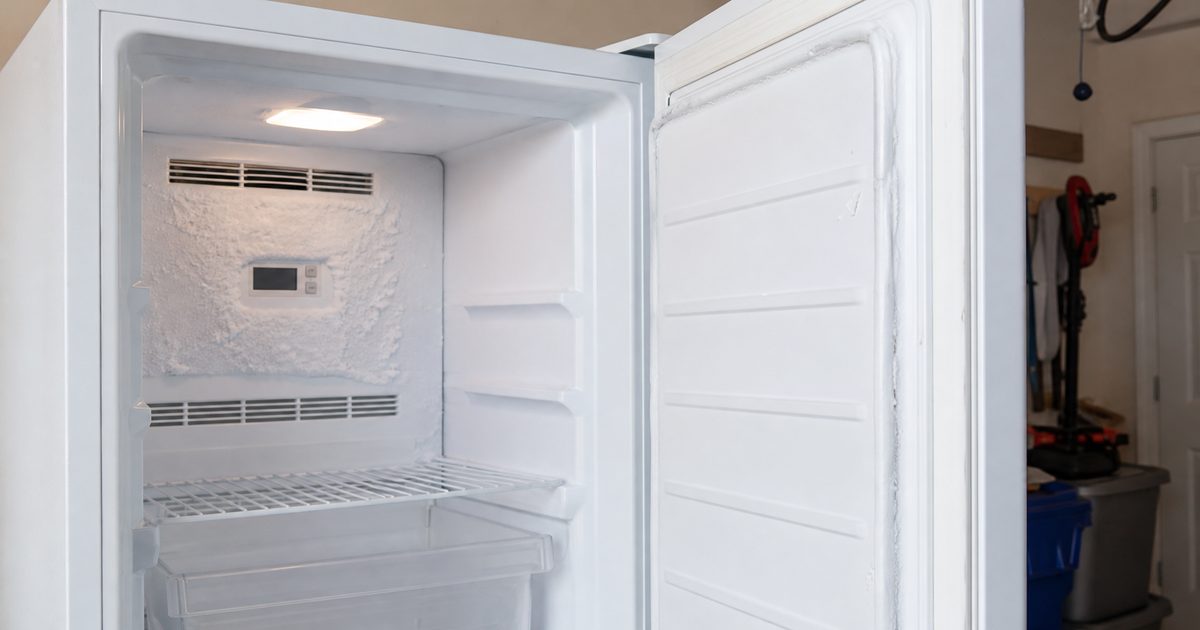
The back panel inside the freezer has a snowy or solid frost layer, and airflow feels weak.
Start here: Treat this as an airflow or defrost problem first, not a control problem.
Beeping with little or no cooling
Food is soft, the freezer may run constantly, and you may not hear the normal fan circulation inside.
Start here: Check for fan operation and condenser dirt, then stop if the unit is hot, clicking, or not cooling at all.
Most likely causes
1. Freezer door not sealing fully
A small air leak is enough to warm the compartment and trigger repeated alarms. You may see frost near the door opening or hear the alarm after the door seems shut.
Quick check: Close the door on a thin sheet of paper in several spots. If it slides out easily in one area, the seal or door alignment needs attention.
2. Recent warm load or long door-open event
A freezer can take several hours to pull a big load back down, especially if warm food was added or the door was opened a lot.
Quick check: If the freezer is otherwise cooling and the temperature is steadily dropping, this may be a recovery issue rather than a failed part.
3. Frost buildup blocking evaporator airflow
Heavy frost on the back wall usually means cold air is trapped behind the panel instead of moving through the freezer. The alarm follows because the food area warms up.
Quick check: Look for a white frosted sheet or bulge of ice on the rear inside panel and weak air movement from the vents.
4. Freezer evaporator fan not moving air
If the sealed system is making cold but the fan is not circulating it, the freezer can warm unevenly and alarm even while the compressor runs.
Quick check: Open the door, then press the door switch by hand. You should usually hear the freezer evaporator fan come on within a moment.
Step-by-step fix
Step 1: Make sure this is a real warm-up, not just a recent recovery alarm
The safest first move is to separate a temporary alarm from an actual cooling problem. A freezer that was left open or loaded with warm food may just need recovery time.
- Check whether the door was left ajar recently or a large amount of unfrozen food was added.
- Set a freezer thermometer inside if you have one, or check food firmness in several spots instead of judging by one item near the door.
- Leave the control at its normal setting. Do not keep turning it colder during diagnosis.
- Keep the door closed for a few hours and see whether the beeping stops as the temperature drops.
If the alarm clears and the freezer gets back below freezing, the unit likely recovered from a temporary warm-up. If the alarm returns, food stays soft, or the temperature does not come down, move to the door seal and airflow checks.
A one-time recovery points to normal operation. A repeated alarm means warm air is getting in or cold air is not moving where it should.
Stop if:- Food is thawing and refreezing repeatedly.
- You smell burning, hear sharp clicking with no cooling, or the cabinet sides are unusually hot.
- Water is leaking onto the floor from melting ice.
Step 2: Check the freezer door, gasket, and anything holding it open
A bad seal is one of the most common reasons a freezer alarm keeps coming back. It is also the least destructive thing to confirm first.
- Look for food packages, bins, or ice buildup keeping the freezer door from closing flat.
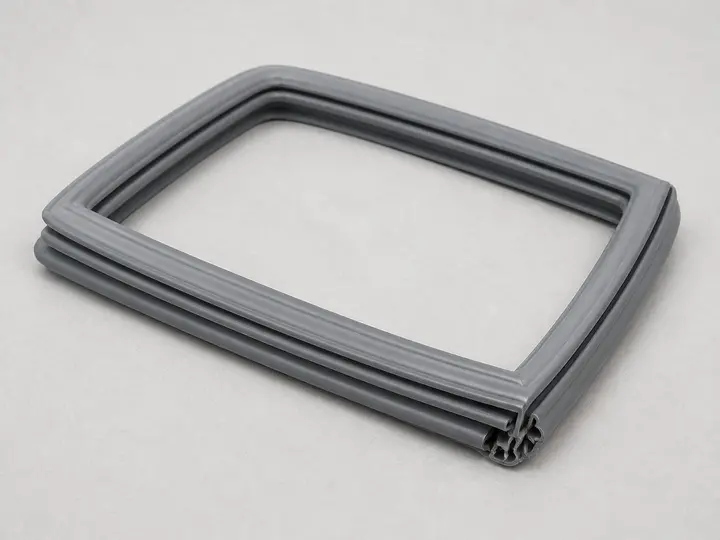
- Inspect the freezer door gasket for tears, hard spots, twists, or sections pulled out of the retaining track.
- Wipe the gasket and cabinet contact surface with warm water and a little mild soap, then dry them well.
- Use a sheet-of-paper test around the door perimeter. You should feel light drag in most spots.
- If the door looks sagged or one top corner stays open, gently lift and close it again to see whether alignment is off.
If the door now seals evenly and the beeping stops after the freezer pulls back down, the problem was a door leak or obstruction. If the gasket will not seal, one area stays loose, or frost keeps forming near the opening, the gasket or door alignment is likely the next repair path.
A clean, even seal keeps warm room air out. A persistent gap means the freezer will keep making frost and struggling to hold temperature.
Step 3: Look for frost on the back wall and blocked airflow inside
This separates a simple door-seal issue from a defrost or circulation problem. Heavy frost behind the rear panel is a strong clue.
- Check the back inside wall of the freezer for a heavy white frost layer or a solid icy patch.
- Feel for airflow from the interior vents with the door switch pressed in by hand.
- Make sure food boxes are not packed tight against the vents or rear panel.
- If frost is light near the door only, go back to the seal issue. If frost is heavy across the rear panel, suspect a defrost-related airflow problem.
If airflow returns and the alarm stays off after recovery, overpacking or blocked vents were likely the issue. If the rear panel is heavily frosted or airflow stays weak, suspect defrost or fan trouble.
Step 4: Listen for the freezer evaporator fan and clean the condenser area
A freezer can beep from warm temperature even when the compressor is running. Poor air movement inside or dirty heat rejection outside are common reasons.
- With the door open, press and hold the door switch. Listen for the freezer evaporator fan inside the cabinet.
- If the fan is silent, wait a minute and listen again while the freezer is calling for cooling.
- Pull the freezer away from the wall if needed and unplug it before cleaning.
- Vacuum dust from the condenser area and gently clean accessible coils and the lower air intake path.
- Restore power and let the freezer run, then recheck temperature and alarm behavior over the next several hours.
If the freezer cools better after condenser cleaning and the alarm stays off, the issue was likely poor heat removal or restricted airflow. If the fan never runs or the freezer still warms with clean coils, suspect the fan motor or defrost system.
Step 5: Act on the confirmed pattern instead of guessing at controls
By this point you should know whether the problem is recovery, door sealing, frost-choked airflow, or no air circulation. That keeps you from buying the wrong part.
- Replace the freezer door gasket if it stays loose, torn, or misshapen after cleaning and warming back into shape.
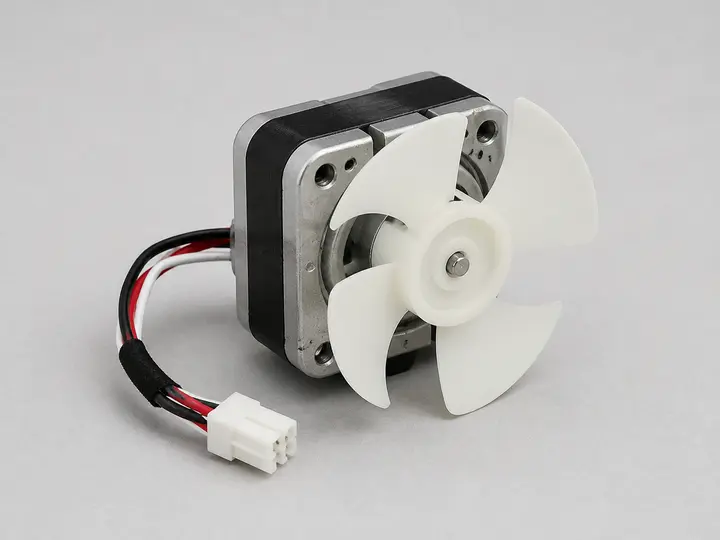
- Replace the freezer evaporator fan motor if the freezer is calling for cooling, the door switch is closed, and the fan does not run or runs rough.
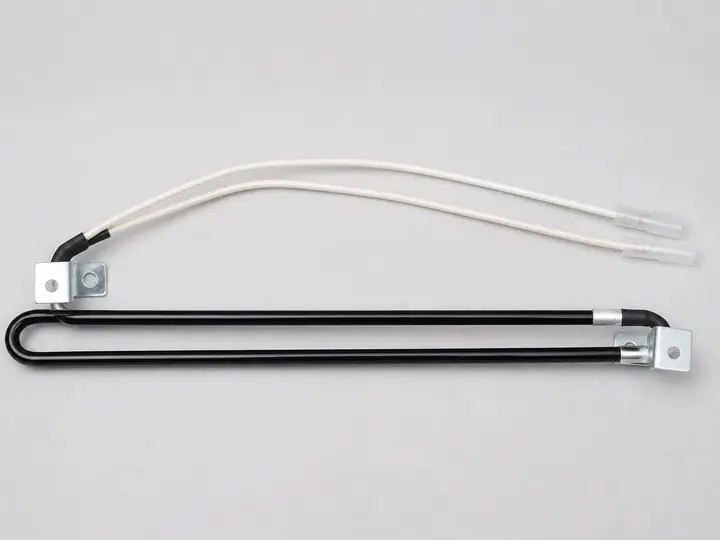
- If the rear panel keeps frosting over and airflow drops again after a full manual thaw, suspect a freezer defrost heater or freezer defrost thermostat branch.
- If the freezer is still too warm with no clear fan or frost pattern, stop before buying controls and schedule service for deeper electrical or sealed-system diagnosis.
A good result: If the confirmed fault is corrected, the freezer should pull down to normal temperature and the alarm should stay quiet after recovery.
If not: If the alarm returns after a good seal, working fan, clean condenser, and no obvious frost choke, the problem is beyond the safe high-confidence DIY checks on this page.
The alarm itself is just the messenger. The real fix is whichever condition is letting the freezer run warm.
Replacement Parts
As an Amazon Associate I earn from qualifying purchases. Repair Riot may earn a commission at no extra cost to you.
FAQ
Why does my GE freezer keep beeping even when the door is closed?
Usually because the freezer is still too warm or the door is not sealing as well as it looks. A warped freezer door gasket, a package holding the door slightly open, frost buildup, or weak airflow can all trigger the alarm even when the door appears shut.
How long should a freezer alarm keep beeping after the door was left open?
It can take a few hours to settle down after a long door-open event or a big warm grocery load. If the temperature keeps dropping and the food is firming back up, that is normal recovery. If the alarm returns later or the freezer never gets fully cold, there is another problem to fix.
Can a bad freezer door gasket cause the alarm to go off?
Yes. A small leak around the freezer door gasket lets warm room air in, which creates frost and raises the compartment temperature. That is one of the most common reasons for repeated beeping.
What does frost on the back wall mean when the freezer alarm is beeping?
That usually points to ice buildup around the evaporator area behind the rear panel. When that area ices over, airflow drops and the freezer warms where the food sits. In practice, that often means a defrost problem or a long-running door leak.
Should I replace the control board if the freezer alarm keeps beeping?
Not first. On this symptom, controls are not the smart first guess. Check the freezer door seal, actual temperature, frost pattern, condenser cleanliness, and evaporator fan operation before spending money on a board.