No light, display, fan, or hum?
Start outside the freezer. Test the same receptacle with a known load, check the breaker and nearby GFCI, and inspect the plug and cord.
A Frigidaire freezer that will not turn on needs two quick splits: no power anywhere, or power present but no compressor start. Prove the outlet and controls first; repeated click-hum-click moves the start relay/overload up the list.
The usual path is house power, an off or warm control, a poor cord connection, a dirty overheated compressor area, or a start relay/overload after the freezer has power.
Keep the door closed while you test. Move food if temperature is climbing, and stop for heat marks, burning smell, or repeated breaker trips.
Don’t start with: Do not order a control board, compressor, or new freezer before the outlet, breaker, GFCI, cord, and startup sound are checked.
Start outside the freezer. Test the same receptacle with a known load, check the breaker and nearby GFCI, and inspect the plug and cord.
Power is reaching at least part of the freezer. Check the temperature control, wait several minutes after plugging in, then listen near the lower rear compartment.
That pattern points toward the compressor start relay/overload or a hard-starting compressor after wall power and airflow check out.
Leave the freezer unplugged. A repeat trip, hot receptacle, or scorched plug is an electrical stop point, not a parts-shopping clue.
Unplug the freezer, let the compressor cool, and clean accessible vents and dust. Try one controlled restart after the area is clear.
Stop the DIY path. The remaining path is compressor, sealed-system, wiring, or control diagnosis that should not be solved by another blind part.
A Frigidaire freezer that looks dead can be a house-power problem, a control setting, or a compressor that tries to start and drops out.
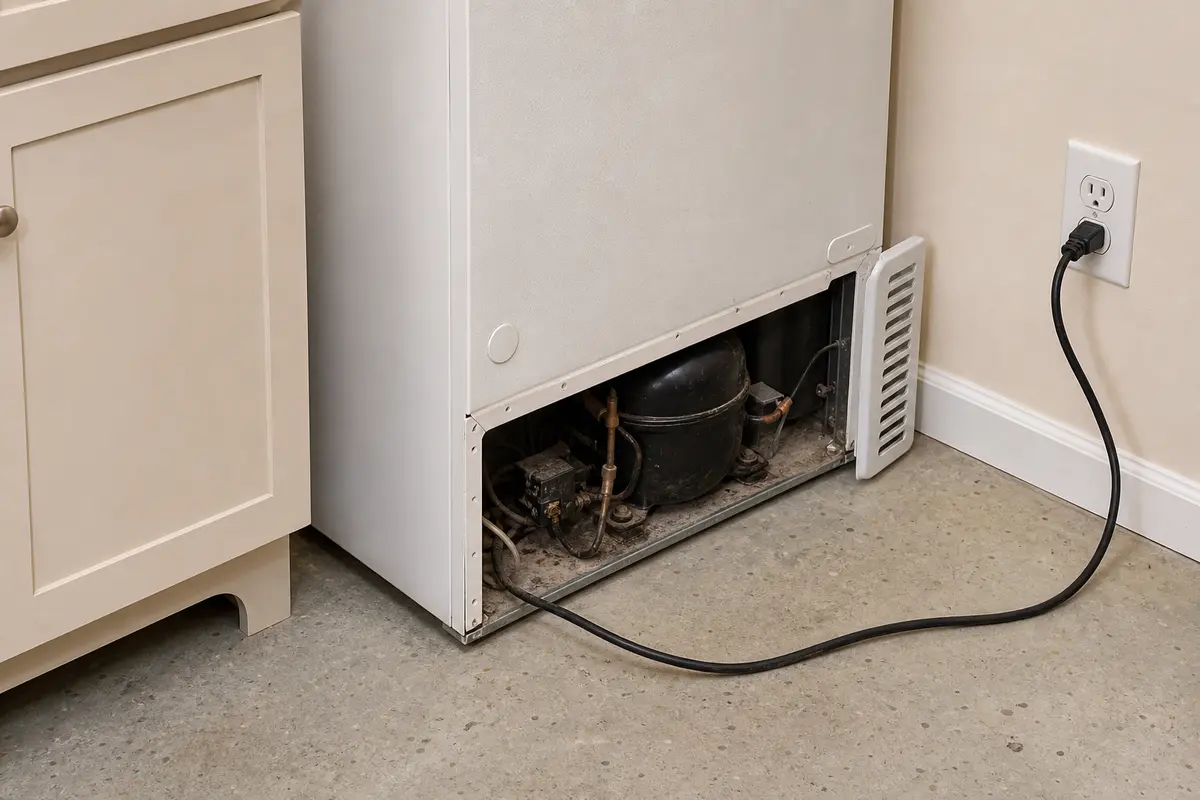
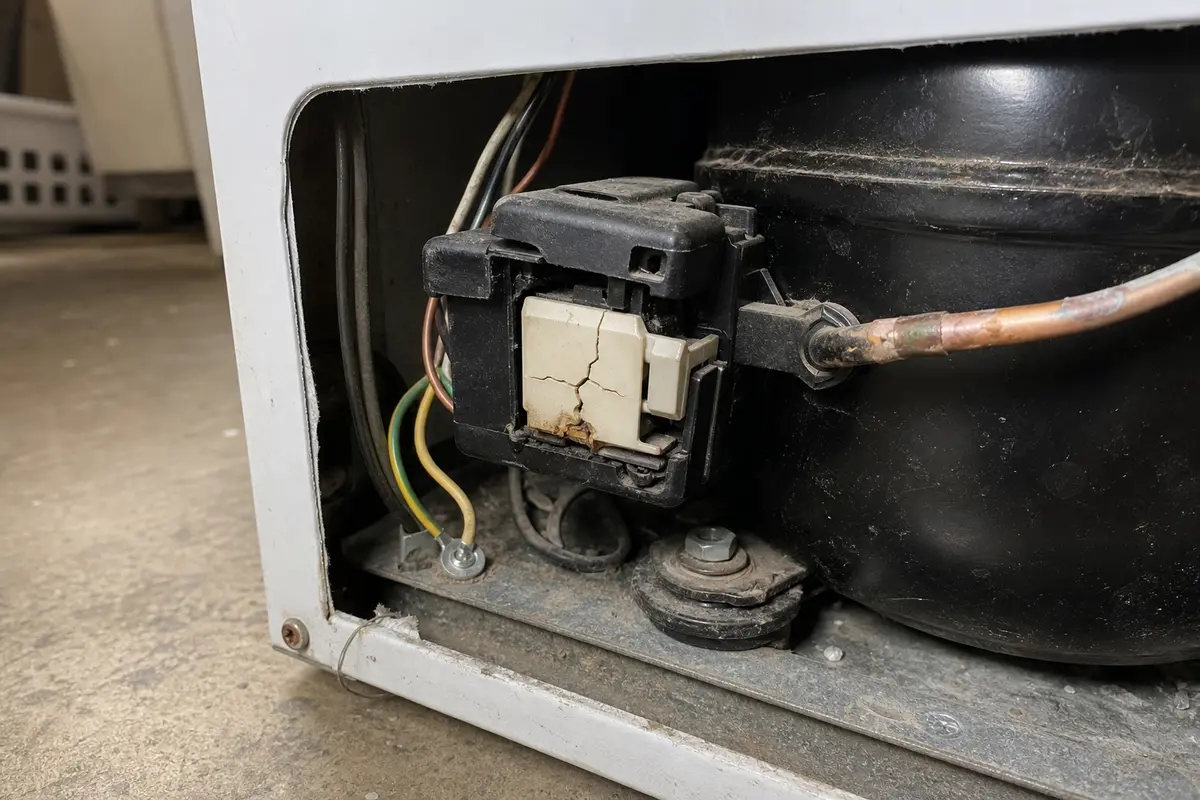
Copy the full Frigidaire model number before shopping. A start relay or overload belongs in the cart only after outlet power is proven, the control is calling for cooling, the compressor area is clean and cooled, and the sound pattern still points to startup failure.
Treat the symptom as one of two jobs. No light or display is a power path. A live light with no cooling sound is a startup path.
A dead freezer pushes people toward parts too early. Keep the repair cheap and safe by avoiding the checks that hide the real clue.
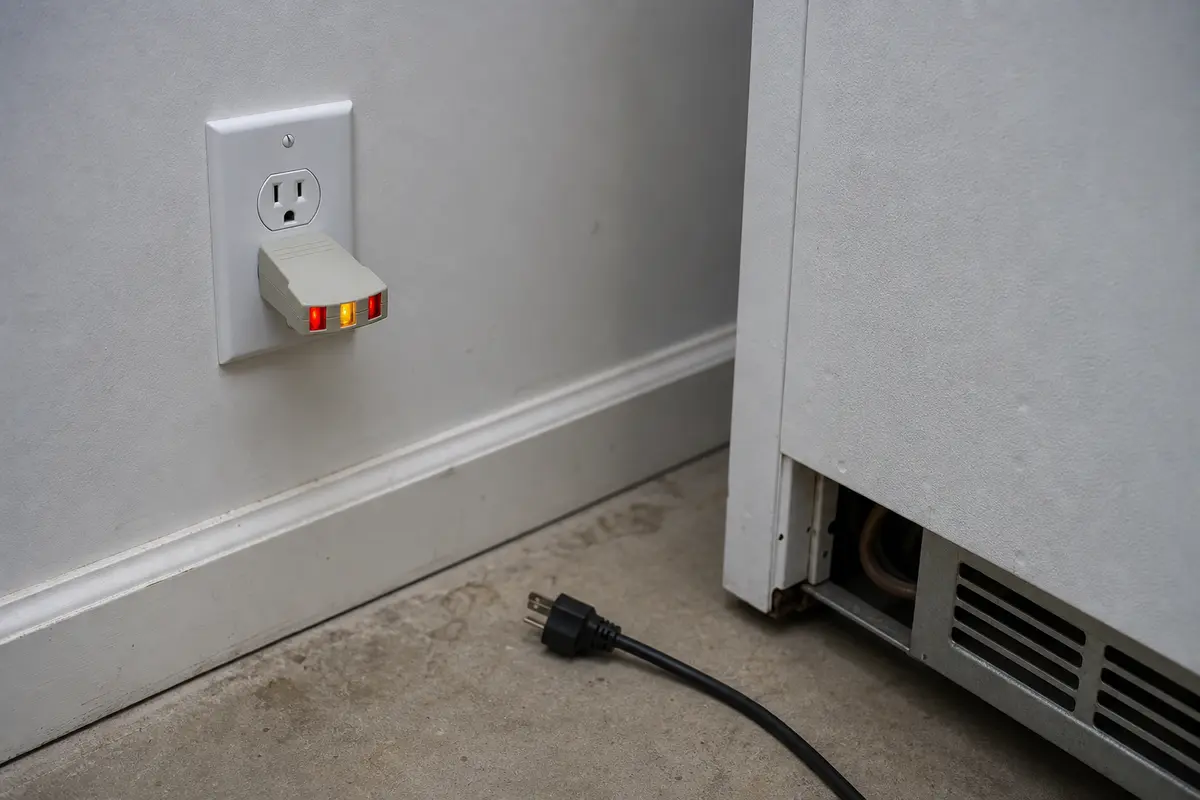
Work from the wall toward the machine compartment. These checks keep you out of powered internal wiring.
Use the result to choose the next move. The goal is to stop before the repair turns into random parts.
| What you found | What it usually means | Best next move |
|---|---|---|
| No power at the outlet | House-side supply problem | Fix the breaker, GFCI, or receptacle before judging the freezer. |
| Freezer starts on a direct wall outlet | Power strip, extension cord, or loose connection was the trouble | Keep it directly plugged in and watch temperature recovery. |
| Light works and control was off or warm | Setting or reset issue | Return to a normal cold setting and check temperature over the next several hours. |
| Click-hum-click returns with good power | Start relay/overload or hard-starting compressor | Inspect the start device unplugged; buy only by exact model and connector match. |
| Compressor is very hot and the rear area is dusty | Overload may be opening from heat | Clean accessible airflow areas, let the compressor cool, then try one controlled restart. |
| Burnt smell, melted wiring, or repeat breaker trip | Electrical fault | Leave the freezer unplugged and call a qualified pro or electrician. |
| Correct start device changes nothing | Compressor or sealed-system failure is likely | Stop buying parts and schedule appliance diagnosis. |
These tools are for wall-outlet checks, inspection, and cleaning with the freezer unplugged. They are not for working on live internal wiring.
Paid links. As an Amazon Associate I earn from qualifying purchases. Repair Riot may earn a commission at no extra cost to you.
Helps when: You need to prove the same receptacle can power a simple load before blaming the freezer.
Skip it when: The outlet is loose, hot, scorched, cracked, or the breaker trips again. That is an electrician path.
Compare outlet testers on Amazon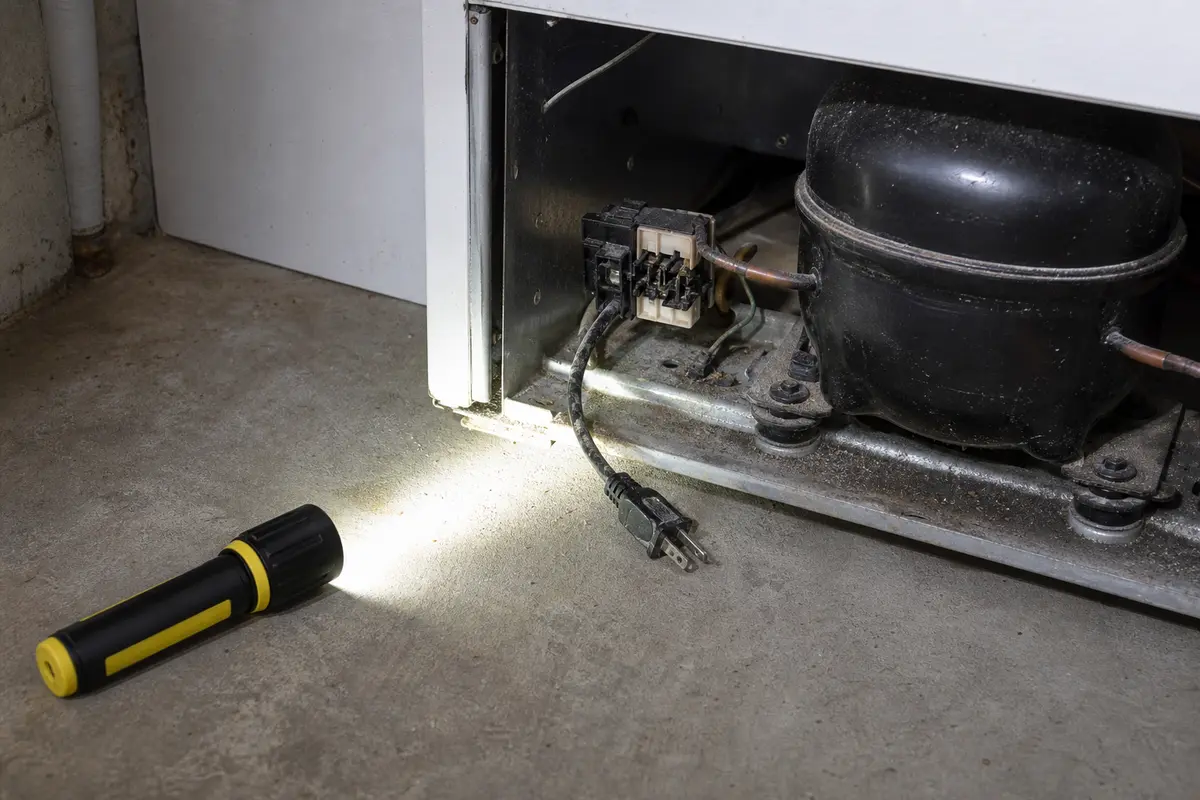
Helps when: You need to see the plug blades, cord jacket, control area, rear vents, and start-device housing clearly.
Skip it when: Access requires forcing panels, touching bare wiring, or reaching near a hot compressor.
Compare inspection flashlights on Amazon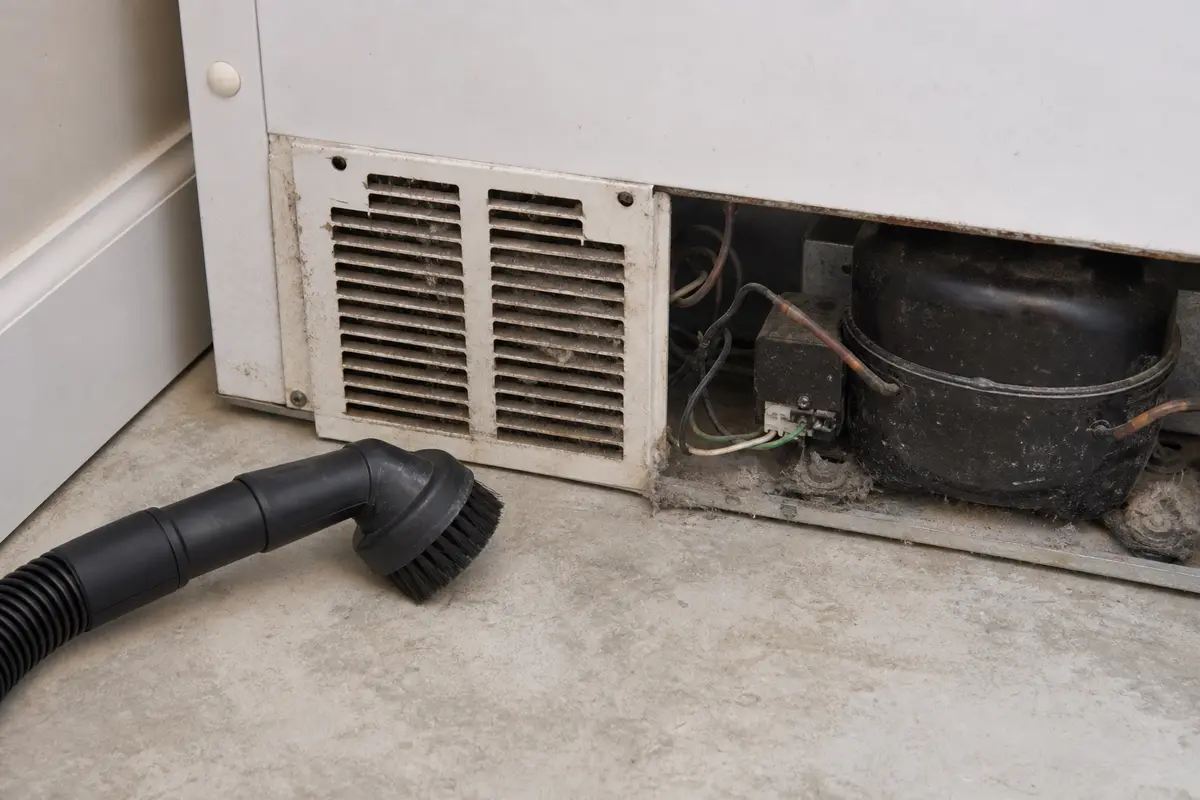
Helps when: Dust is packed around the lower rear vents or compressor area and may be trapping heat.
Skip it when: Cleaning would tug on wires, bend copper tubing, or push debris deeper into the compartment.
Compare vacuum brush attachments on Amazon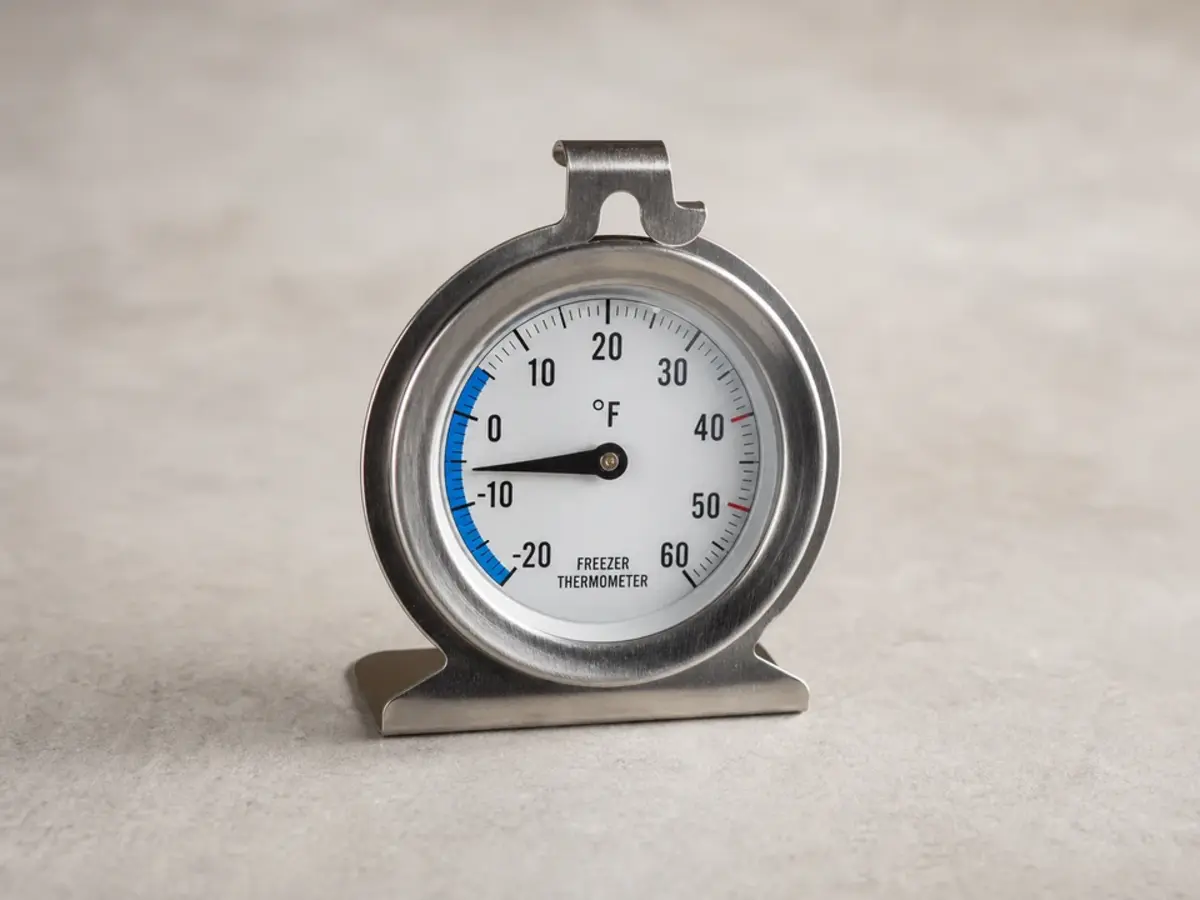
Helps when: The freezer starts again and you need to know whether it is actually returning to safe freezing temperature.
Skip it when: The freezer still has no power or keeps tripping the circuit; solve the no-start problem first.
Compare freezer thermometers on AmazonParts come after the clue. Frigidaire freezer start parts vary by model, relay style, overload setup, terminal layout, and compressor design.
Paid links. As an Amazon Associate I earn from qualifying purchases. Repair Riot may earn a commission at no extra cost to you.
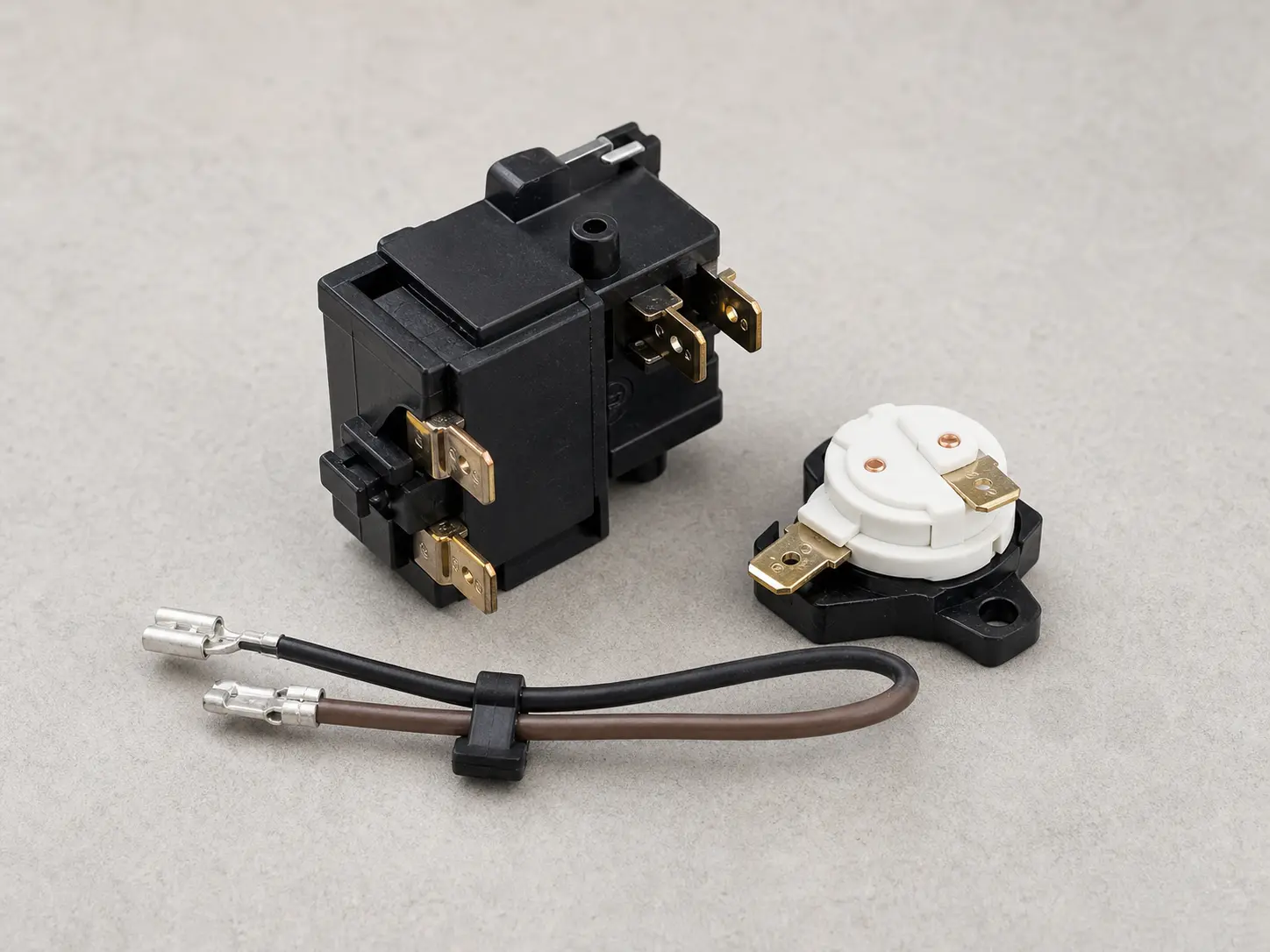
Helps when: The freezer has good wall power, a normal control setting, clean airflow, and repeated click-hum-click from the compressor area.
Skip it when: Outlet power is untested, the breaker trips, the plug or cord is damaged, or the listing does not match the full Frigidaire model number and connector layout.
Compare start relay assemblies on Amazon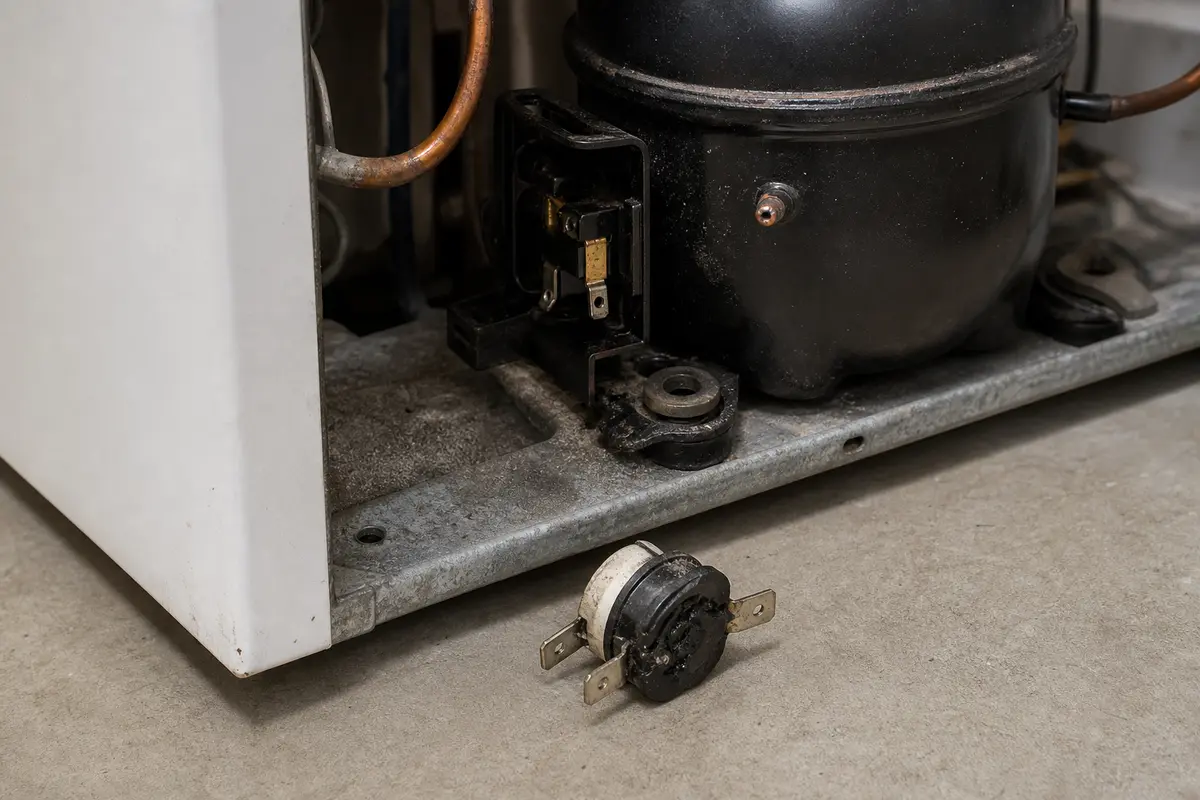
Helps when: Your model uses a separate overload protector and the old one is heat-marked, damaged, or sold as the correct matching piece.
Skip it when: The parts diagram calls for a combined relay/overload assembly, or a correct start device already failed to change the symptom.
Compare overload protectors on Amazon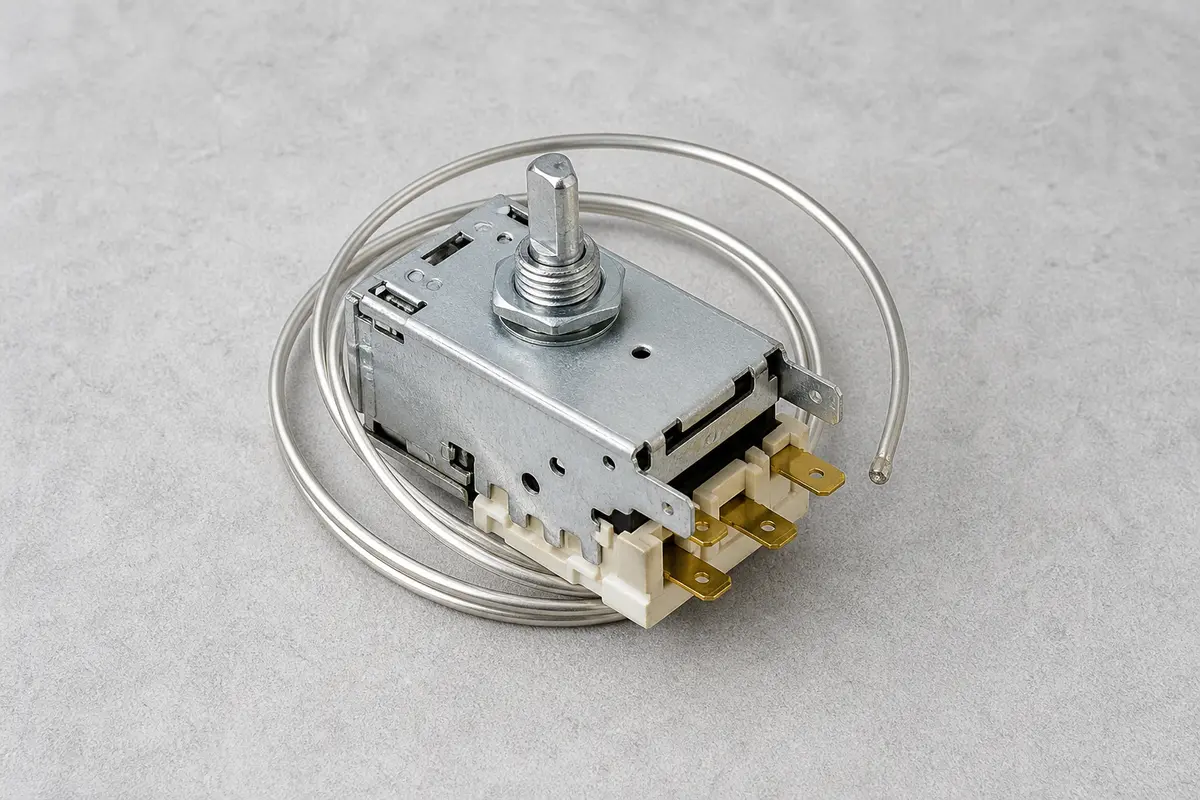
Helps when: A dial-style control never calls for cooling after the outlet, cord, reset, and startup checks are clean.
Skip it when: The symptom is click-hum-click, no proven outlet power, or a digital control issue that needs model-specific diagnosis.
Compare freezer cold controls on AmazonGood notes keep the service call focused and make it easier to decide whether the freezer is worth repairing.
A dead outlet, tripped breaker, tripped GFCI, loose plug, or damaged cord should be ruled out first. Test the same outlet with a known load. With good outlet power and no light or display, the next checks move inside the freezer.
Power is reaching at least part of the machine. Check the temperature control, wait a few minutes after plugging in, then listen near the compressor for a steady hum or repeated click-hum-click.
Yes. Unplug it for about 5 minutes, plug it directly into a wall outlet, and give the compressor several minutes to restart. Do not cycle the plug over and over.
A repeated click or click-hum-click from the lower rear usually means the compressor is trying to start and dropping out on overload. After wall power and airflow check out, inspect the start relay/overload with the freezer unplugged.
Only when the symptom supports it. A start relay belongs in the cart after good wall power, a normal control setting, clean airflow, and a repeated compressor click or hum pattern. Match the full Frigidaire model number.
No, not as a first move. Control boards come after outlet power, cord condition, control setting, reset behavior, and compressor startup clues. A silent freezer or clicking compressor is not enough by itself.
Dust can trap heat around the compressor area and cause overload trips or short failed starts. Unplug the freezer, clean only the accessible vents and lower rear area, let the compressor cool, then try one controlled restart.
Stop the freezer test. A repeat breaker trip, warm outlet, scorched plug, or burnt smell is an electrical stop point. Leave the freezer unplugged and call a qualified pro or electrician.
Wait several minutes before deciding it still will not start. Many compressors do not restart instantly after being unplugged. Listen for a steady hum, fan noise, or repeated clicking from the lower rear.
Use a freezer thermometer if you have one. FDA guidance treats 0 degrees F as the freezer target and says food may be refrozen if it still has ice crystals or is 40 degrees F or below.
Stop for burnt wiring, melted terminals, oil residue on tubing, a compressor that stays too hot, a correct start device that changes nothing, or any step that involves refrigerant lines or sealed-system work.
Repair Riot built this page around homeowner-visible no-start clues: outlet power, controls, compressor heat, repeated clicking, cord damage, and the stop point before internal electrical or refrigerant work. Source links support freezer category context, food-safety temperature decisions, and sealed-system boundaries.