Does the post move at the soil line?
Start with post support, rot, erosion, footing movement, and drainage. Tightening rails will not hold if the base is moving.
When a fence is loose, watch the post at the soil line first. Ground-line movement usually means post support, rot, erosion, or footing failure; a steady post with a rattling section points higher, at rails, panels, or fasteners.
A good clue is where the wobble starts: softened soil at the base, a panel pulling away from a firm post, or a gate twisting the hinge side.
Stand on the safe side and use light pressure. Watch the ground line, rail ends, panel edges, and gate opening separately. The first moving area tells you what not to buy.
Don’t start with: Do not dig, reset a post, or buy fence panels from the wobble alone. Confirm the first moving area, then choose hardware, panel repair, gate hardware, or post work.
Start with post support, rot, erosion, footing movement, and drainage. Tightening rails will not hold if the base is moving.
Inspect rail ends, brackets, screws, nails, and the panel edge. This is usually a connection or panel repair.
Watch the hinge-side post as the gate opens. Sagging hinges or a dragging latch can twist the post and loosen the nearby run.
Soft, crumbly, or split material means new screws may not hold. Treat the damaged post, rail, or panel first.
That points to a fence-line or soil-support issue, not one loose fastener.
Pause until utilities are located and the section can be braced. Guessing near buried lines is not part of the diagnosis.
Use three views: the post at ground level, the panel-to-post connection, and the gate side that can twist a nearby post.
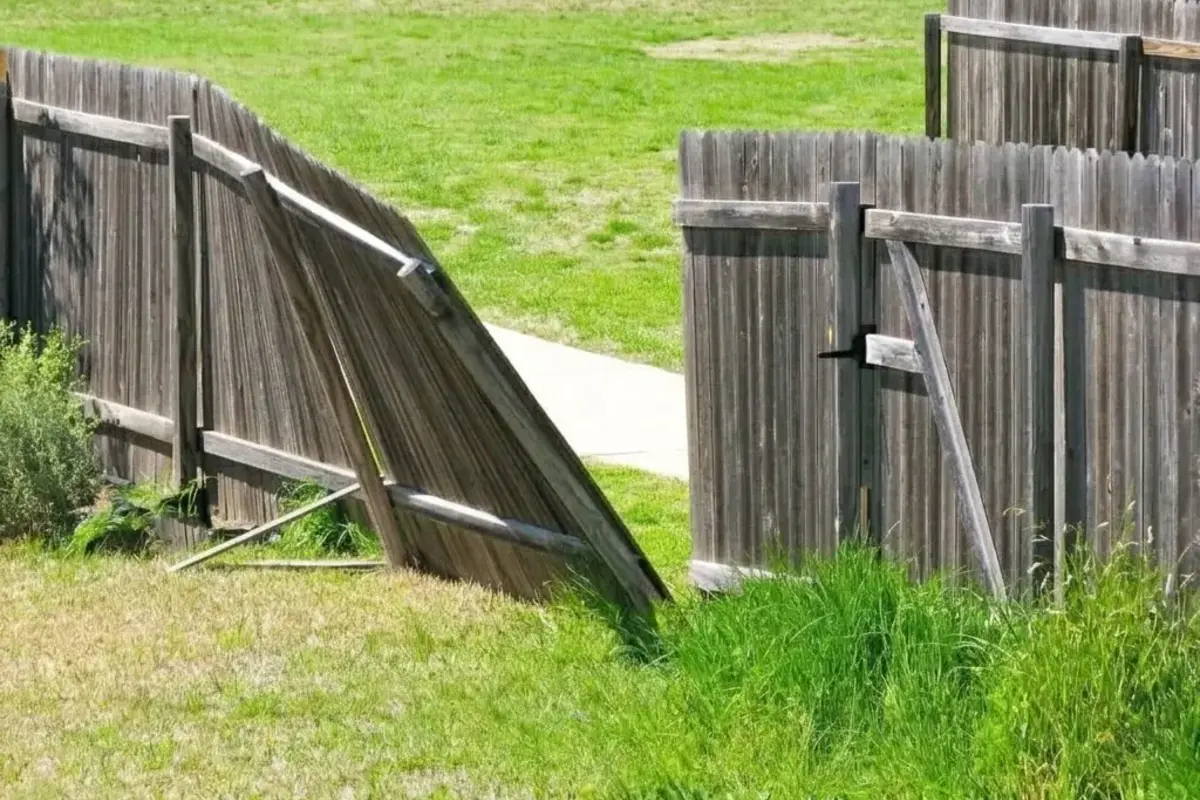
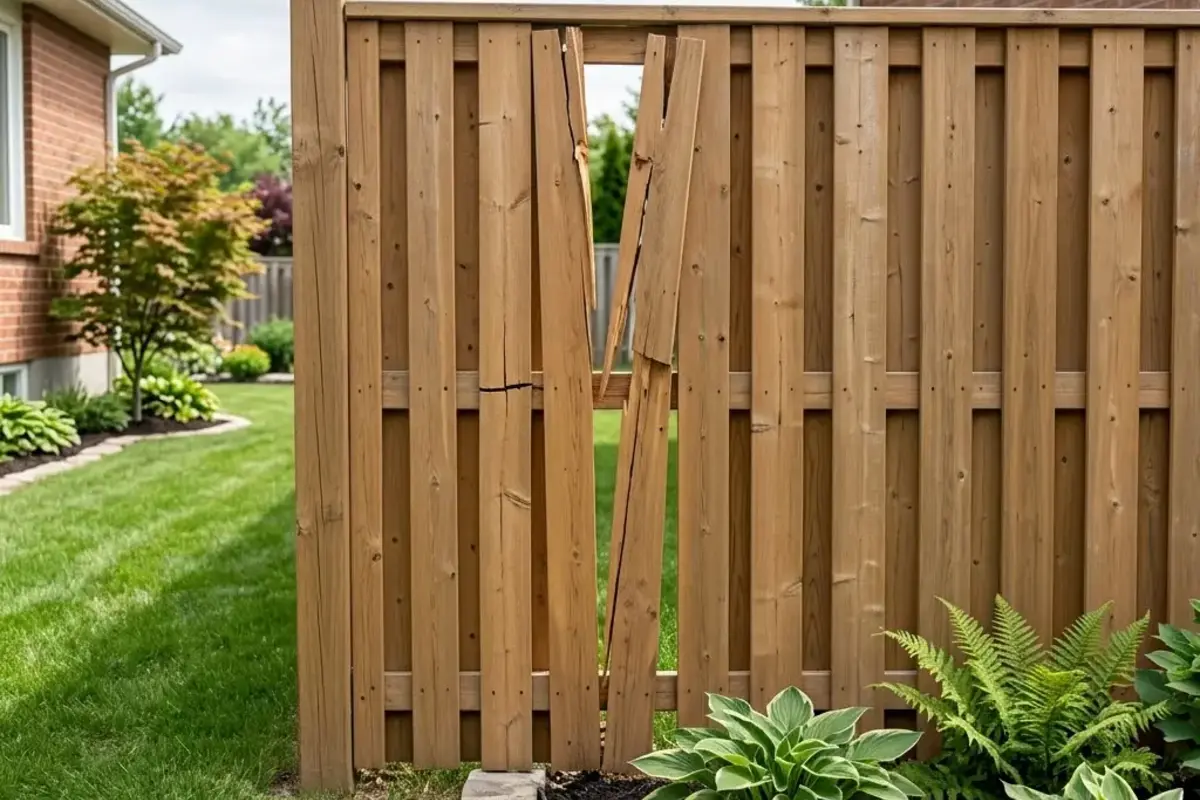
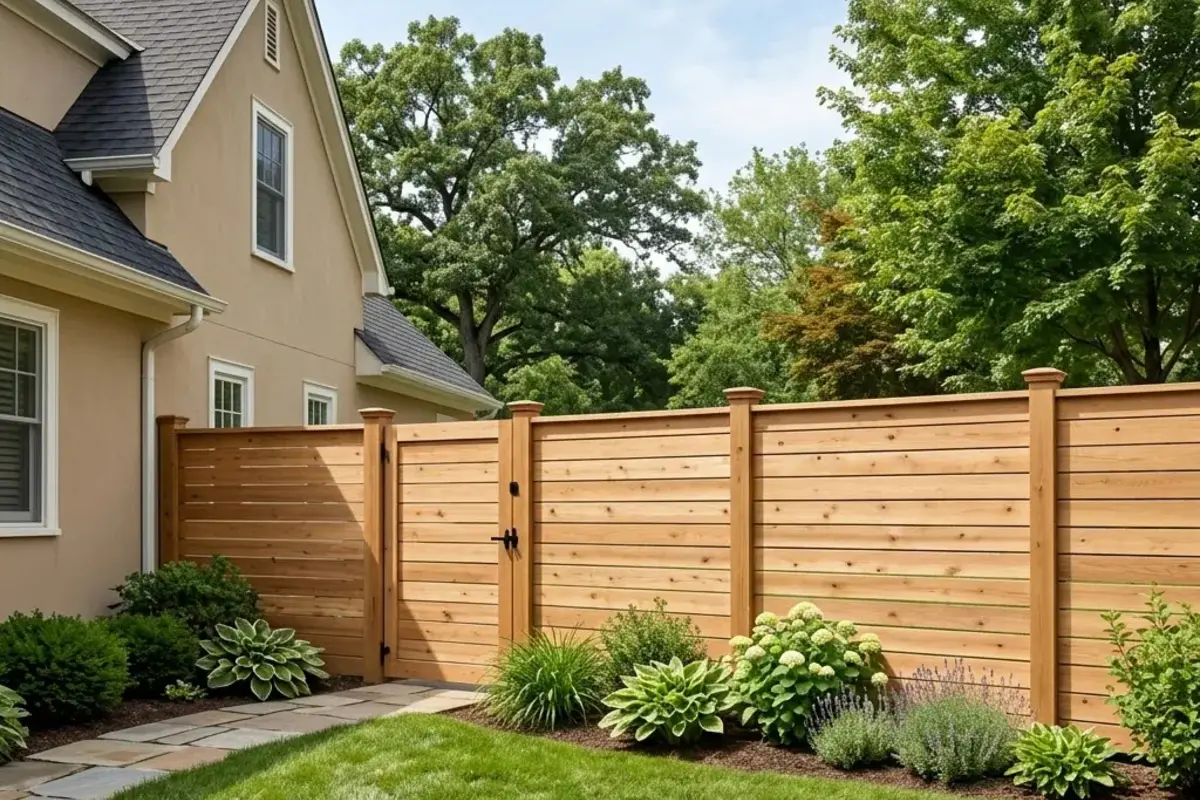
Before buying, do one light push at the post base and one at the rail or panel edge. A rocking base points to support work; a steady post with loose hardware points to fasteners, brackets, or panel repair. Match the exact diagnosis, fence material, size, corrosion rating, and mounting pattern before ordering.
The post base is the first place to watch because low movement changes the entire repair. A loose section above a steady post can be handled with hardware or panel work; a moving post cannot.
Once you know where movement starts, use the table to avoid buying the wrong part.
| What moves first | Likely meaning | Next move |
|---|---|---|
| Post rocks at the soil line | Support, rot, footing, drainage, or soil failure | Brace the area, inspect the base, and plan post repair before buying panels. |
| Post stays steady but rails rattle | Loose or failed rail fasteners | Inspect each rail end and replace only hardware that mounts into sound material. |
| Panel edge pulls away from post | Panel or bracket connection failure | Decide whether the panel can be resecured or needs replacement. |
| Hinge-side post twists as gate opens | Gate load or hinge problem | Inspect hinge screws, hinge rating, gate sag, and post condition together. |
| Latch misses and fence shifts nearby | Gate alignment or latch strain | Correct gate alignment before replacing unrelated fence parts. |
| Several posts lean in one direction | Broader fence-line support issue | Stop treating it as one loose connection and get the line assessed. |
When the post stays steady, move up to the connection points. Good clues are rust stains, shiny screw movement, split rail ends, enlarged holes, and brackets pulled away from the post.
A gate is a lever. If the hinge side moves, a fence section beside it can feel loose even when the middle of the panel is not the cause.
The common mistake is treating every loose fence as a shopping problem. The better move is to let the first visible movement decide the job.
These tools help with inspection and light confirmed repairs. They do not make a falling or unbraced fence safe to work on.
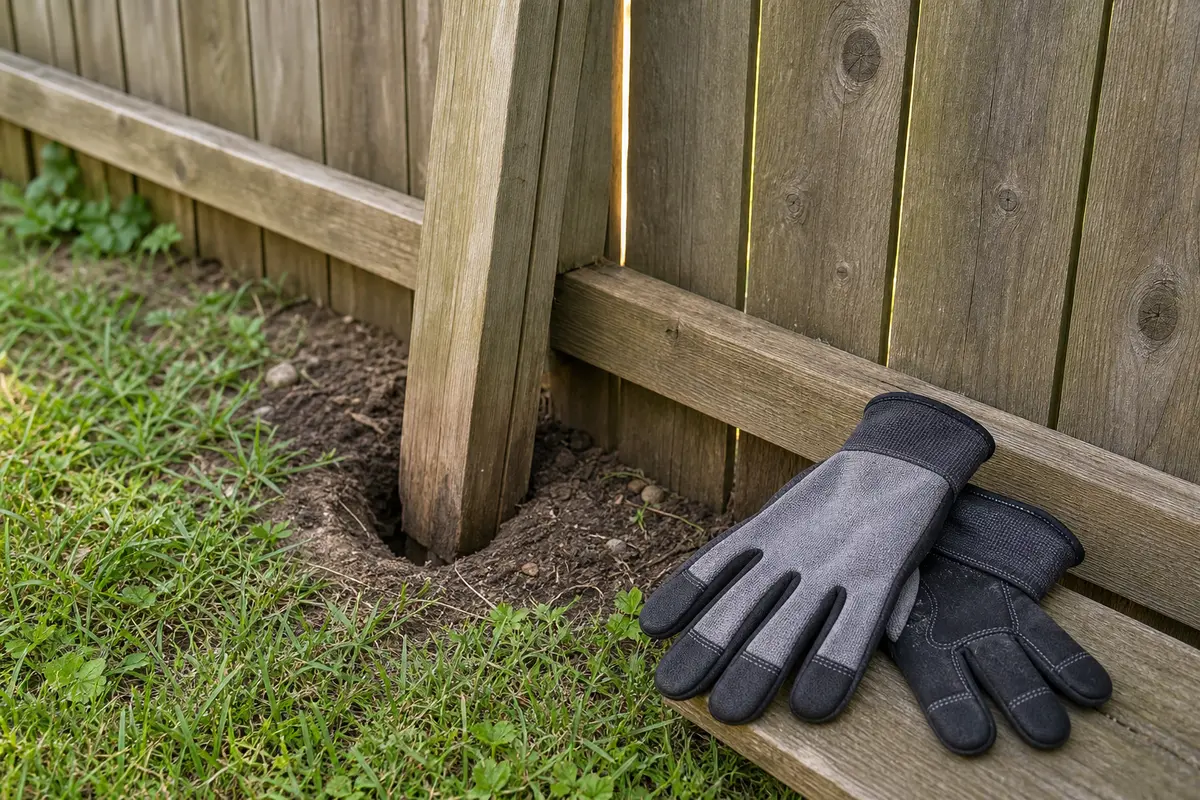
Helps when: Gloves protect your hands from splinters, rusted hardware, sharp wire ends, and rough post edges.
Skip it when: Skip the job when the section can fall or the material is contaminated, moldy, or unsafe to handle.
Compare work gloves on Amazon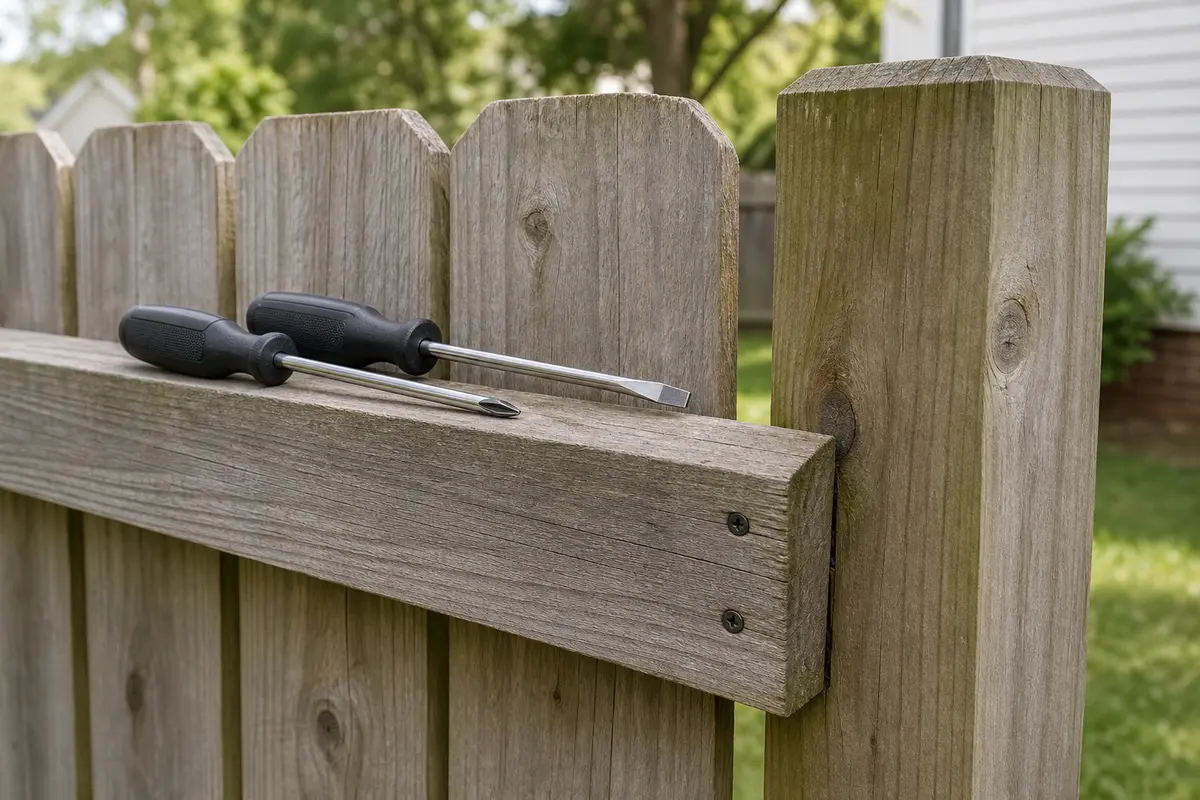
Helps when: A screwdriver helps probe suspect wood and handle light latch, bracket, and fastener checks.
Skip it when: Skip tightening when the wood is soft, the hole is enlarged, or the hardware no longer bites.
Compare screwdriver sets on Amazon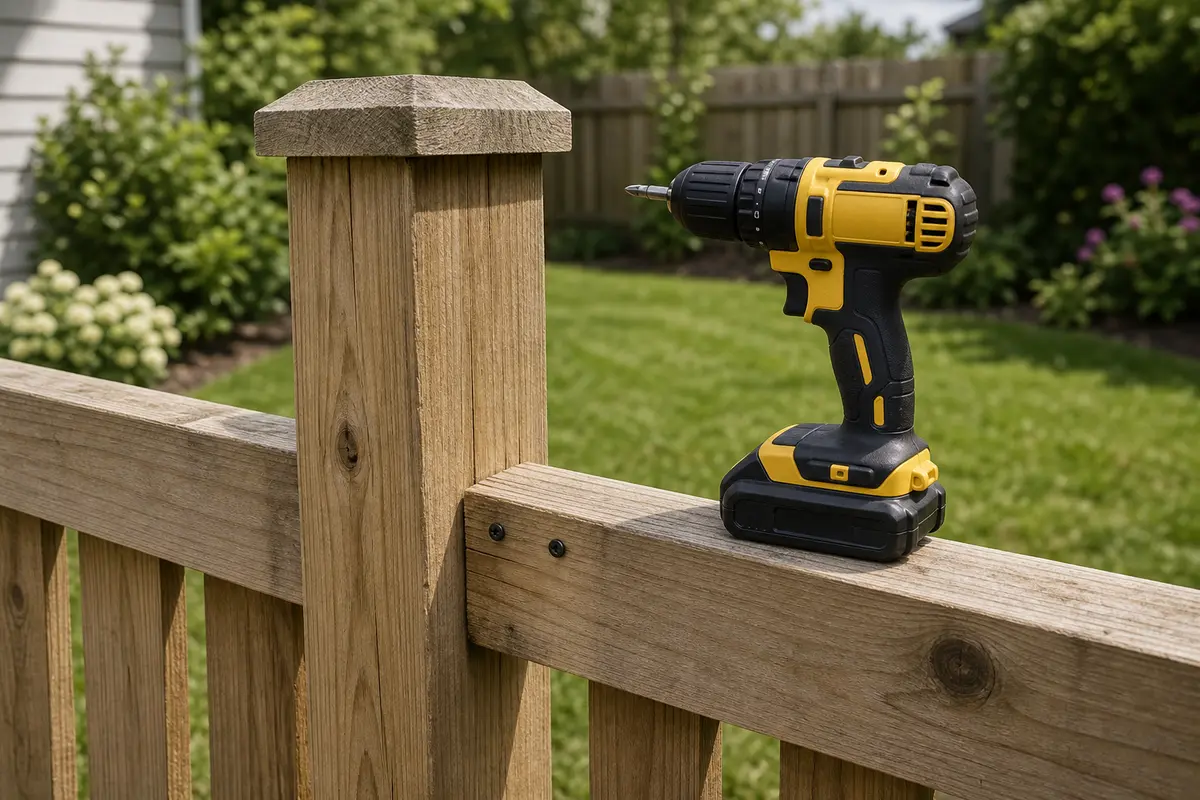
Helps when: A driver is useful after you confirm a rail, bracket, or panel connection can be resecured.
Skip it when: Skip it when the post moves at the soil line or the surrounding material is split or rotted.
Compare drill drivers on Amazon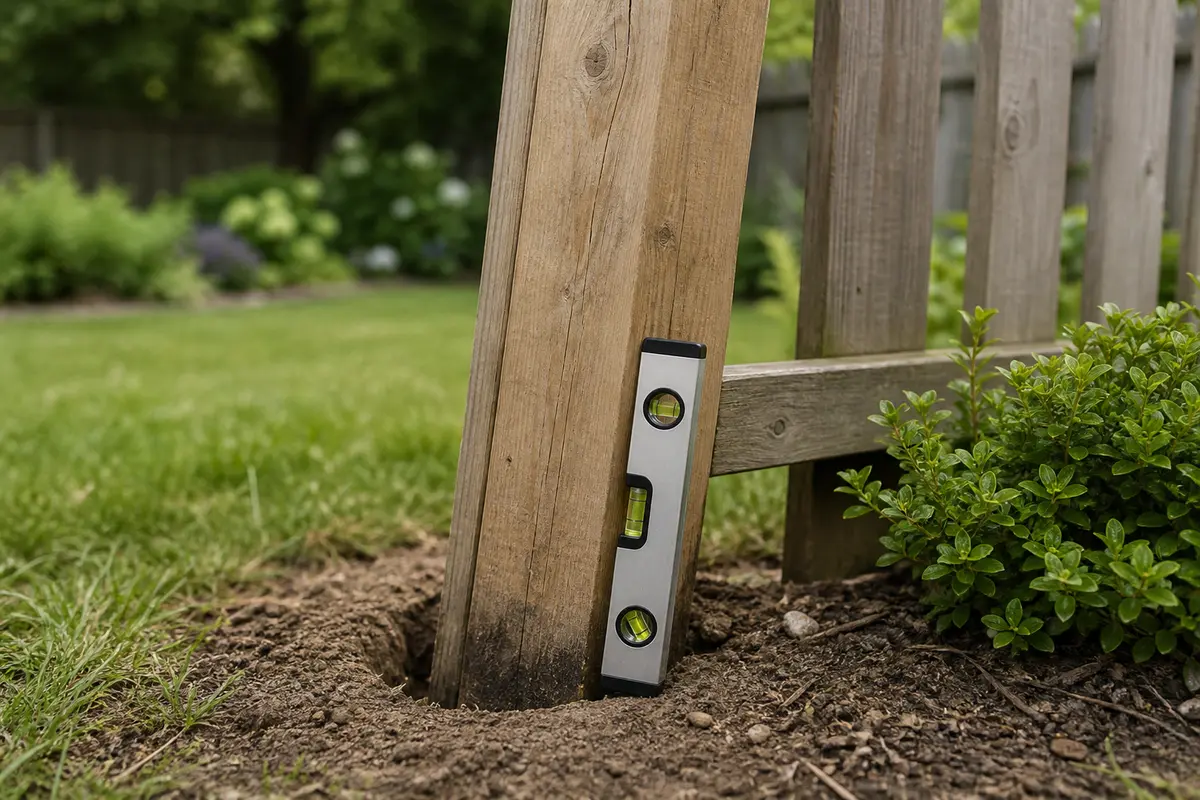
Helps when: A level helps confirm lean after you already see where the movement starts.
Skip it when: Skip buying one just to diagnose a visibly rocking post; the ground-line movement already tells the story.
Compare fence post levels on Amazon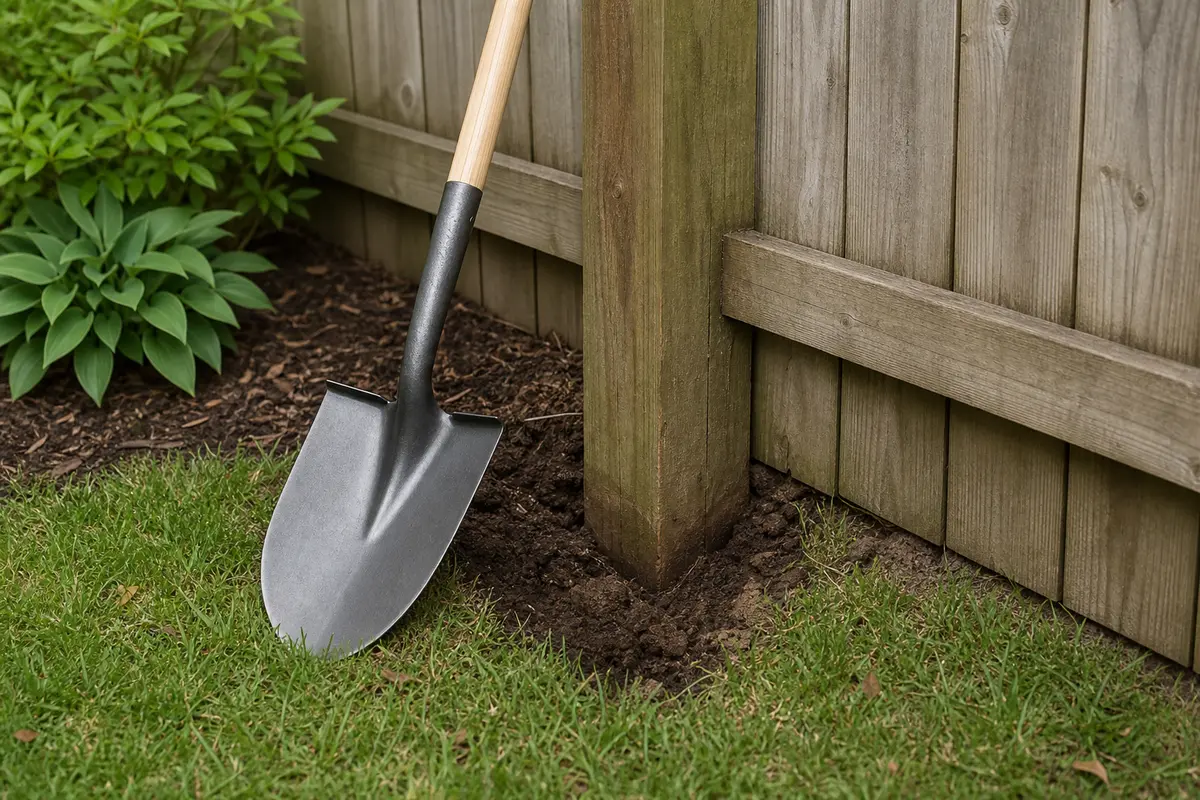
Helps when: A shovel is useful only when the confirmed repair involves exposed soil or post support work.
Skip it when: Skip digging until utilities are located and the fence section is braced.
Compare digging shovels on AmazonAs an Amazon Associate I earn from qualifying purchases. Repair Riot may earn a commission at no extra cost to you.
Choose parts only after you see what moved: post base, rail end, panel edge, hinge, or latch. Then match material, size, corrosion resistance, and mounting pattern before ordering.
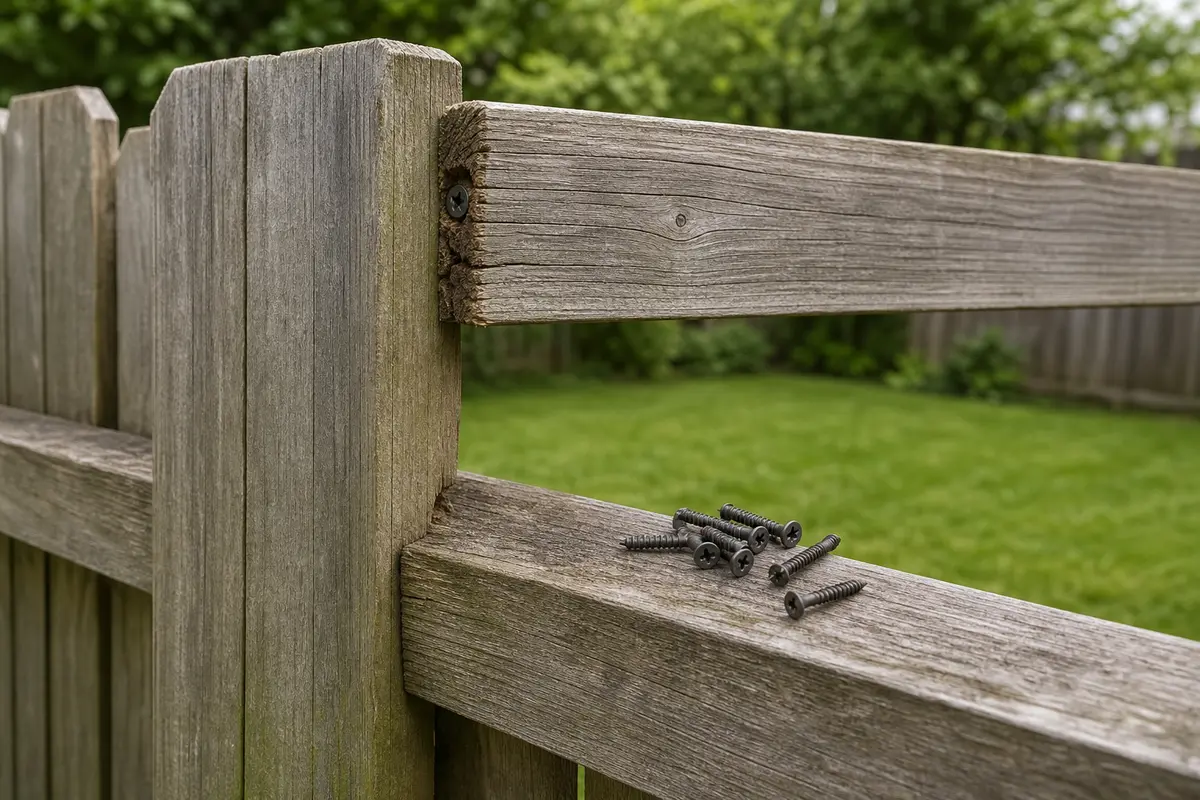
Helps when: Use replacement fasteners when the post, rail, bracket, or panel material is sound and the old hardware is missing, stripped, or corroded.
Skip it when: Skip them when the post moves, wood is soft, metal is torn, or holes are too enlarged to hold.
Compare fence fasteners on Amazon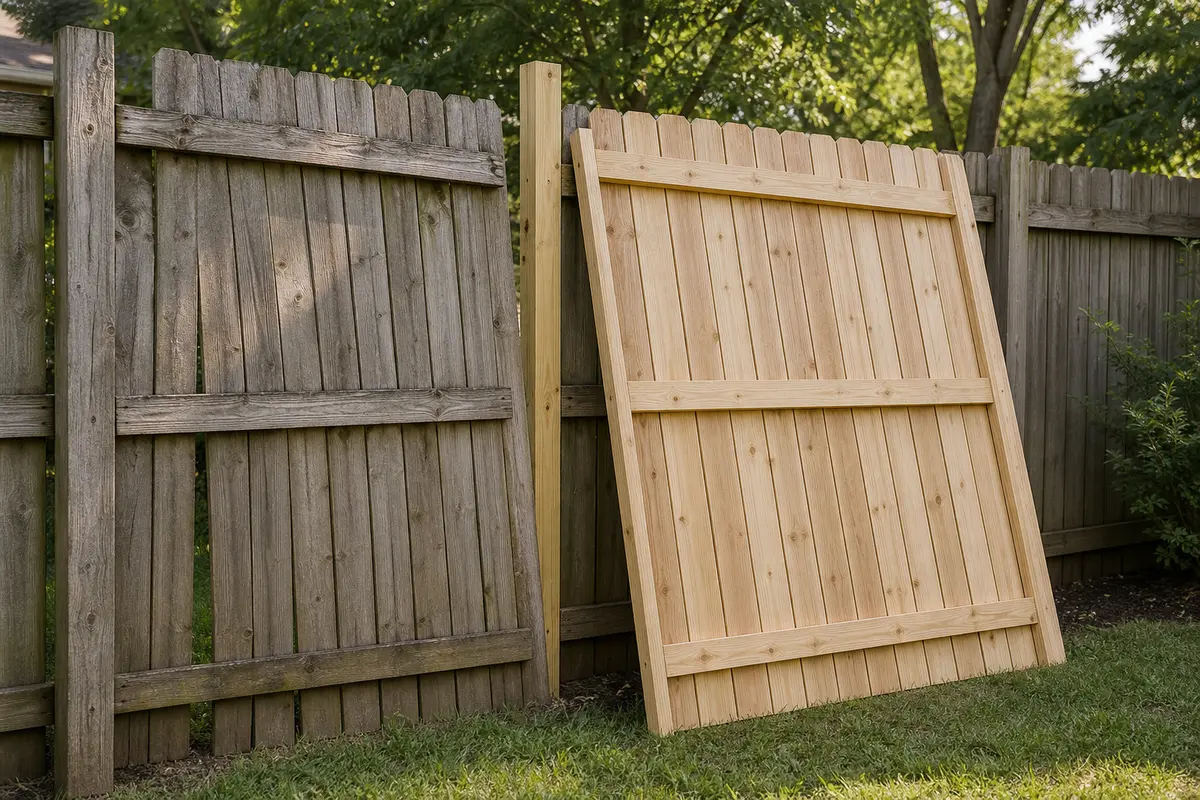
Helps when: A panel belongs in the repair when the post is steady, the opening is measured, and the section is split, detached, warped, or unable to hold fasteners.
Skip it when: Skip it when the post rocks at the ground, the profile or width will not match, or the only issue is a replaceable bracket or screw.
Compare fence panels on Amazon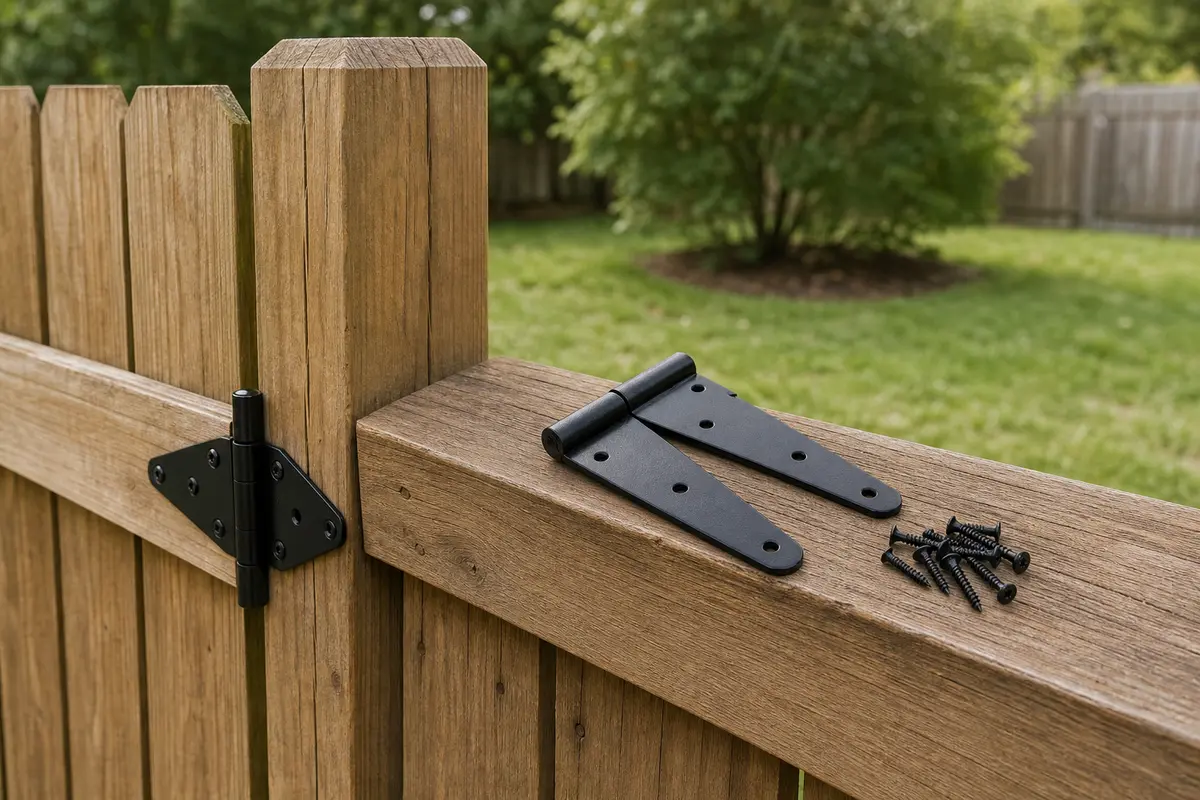
Helps when: A hinge set makes sense when gate-side movement traces to bent, worn, undersized, or loose hinge hardware in sound material.
Skip it when: Skip it when the hinge post itself moves or the gate is too heavy to support safely during removal.
Compare fence gate hinges on Amazon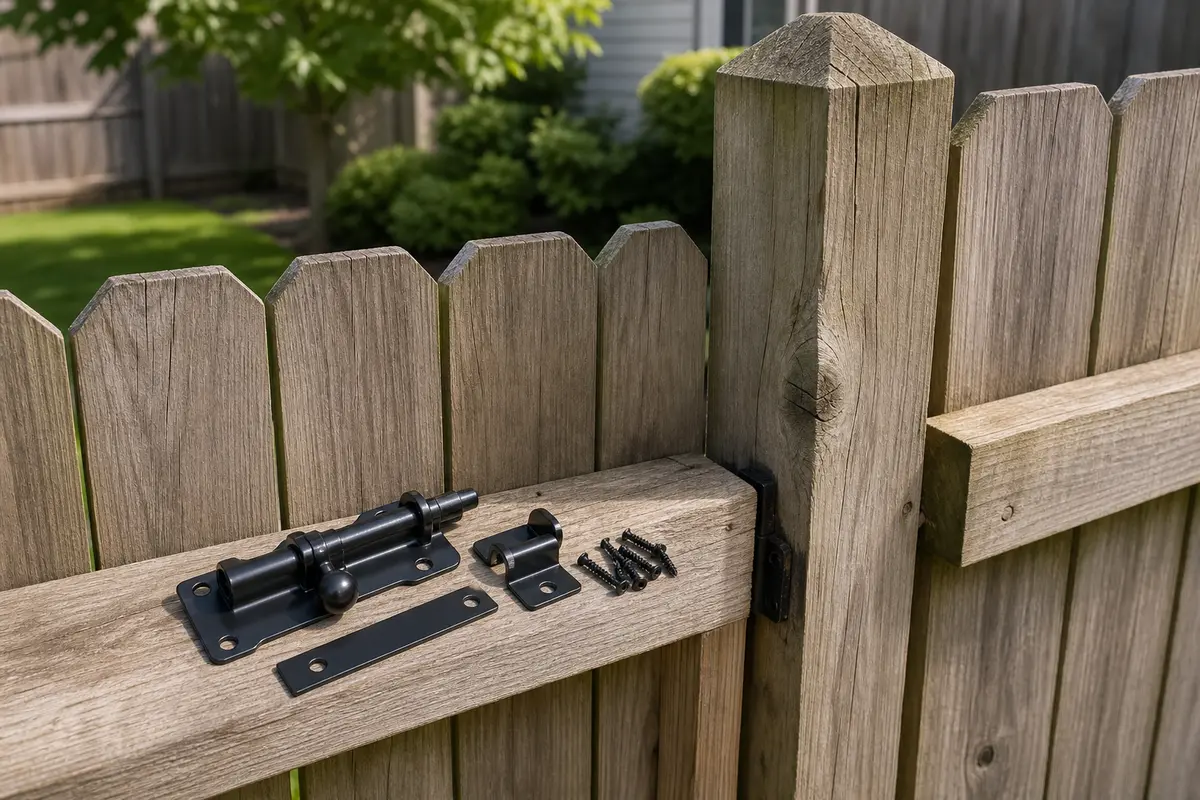
Helps when: A latch is the right purchase only when the latch is damaged or misaligned after post and hinge movement are ruled out.
Skip it when: Skip it when latch trouble is really caused by a leaning post or sagging hinge.
Compare fence gate latches on AmazonAs an Amazon Associate I earn from qualifying purchases. Repair Riot may earn a commission at no extra cost to you.
Push near the ground first, then higher on the section. If the soil-line post moves during a light push, check support, rot, drainage, or footing trouble. If the post stays still and the section rattles, inspect rails, brackets, panel edges, and fasteners.
Only when the post is firm and the surrounding material is sound. Longer screws do not solve a rocking post, rotted rail, split panel edge, rusted bracket, or enlarged hole that no longer holds.
Wet weather can soften soil, wash support away from a post, or expose rot near the base. When the fence feels worse after rain, watch the ground line before assuming the issue is a rail screw.
Not always. A sagging or heavy gate can twist the hinge-side post and make the nearby fence section feel loose. Watch the hinge post while the gate moves before buying latch or panel parts.
Replace the panel when the post is stable but the panel or rails are split, detached, warped, or unable to hold fasteners. A post that moves in the ground needs support work before a new section.
Replace the latch only after the post and hinges stay still and the latch is bent, damaged, or misses the keeper in the same spot. A latch that keeps missing can show gate sag or a moving post.
No. Have buried utilities located first, then brace the section before disturbing soil. Digging is a different job from diagnosis, especially near service lines or a heavy gate.
Get help when multiple posts are loose, the fence is tall or heavy, a post is snapped or rotted below grade, the line is leaning broadly, or the section cannot be braced safely.
Repair Riot built this page around visible fence clues: ground-line post movement, rail and panel connection movement, gate swing load, wet soil, rot, and the point where digging changes the job.