Is the outlet, plug, or cord suspect?
Remove extension cords and power strips. Test the same outlet with a simple lamp or load. Stop for heat marks, loose fit, or another breaker trip.
If the Danby chest freezer clicks but will not start, check the outlet, plug fit, cord, and compressor heat before blaming the control board. A good clue is click-buzz-click after good power and a cool, clean compressor area; inspect the start relay/overload with the freezer unplugged.
The useful split is power, heat, or start circuit. Watch for a loose outlet, a dusty hot compressor area, or a relay that rattles, smells burned, or looks cracked.
Use the first minute to sort the sound: dead outlet, single click, brief buzz, hot compressor, or a failure that started after the freezer was moved.
Don’t start with: Do not keep plugging it back in while the compressor is hot. Unplug it, let it cool, and leave compressor or refrigerant work to an appliance tech.
Remove extension cords and power strips. Test the same outlet with a simple lamp or load. Stop for heat marks, loose fit, or another breaker trip.
Unplug the freezer and let it cool. Clean the lower rear airflow area before trying one controlled restart.
That pattern points toward the compressor start relay/overload or a hard-starting compressor after power and airflow check out.
Leave it upright and unplugged for several hours before testing. Check for a jarred loose plug, damaged cord, or loose start device.
Listen near the lower rear compartment and inspect the start relay/overload with the freezer unplugged.
If the correct start relay/overload still leaves the freezer at click-buzz-click, stop the DIY path. A locked compressor or sealed-system problem needs appliance service, not another guess-buy part.
A clicking Danby chest freezer can fool you. The same noise can come from weak wall power, an overheated compressor area, or a failed start relay/overload.
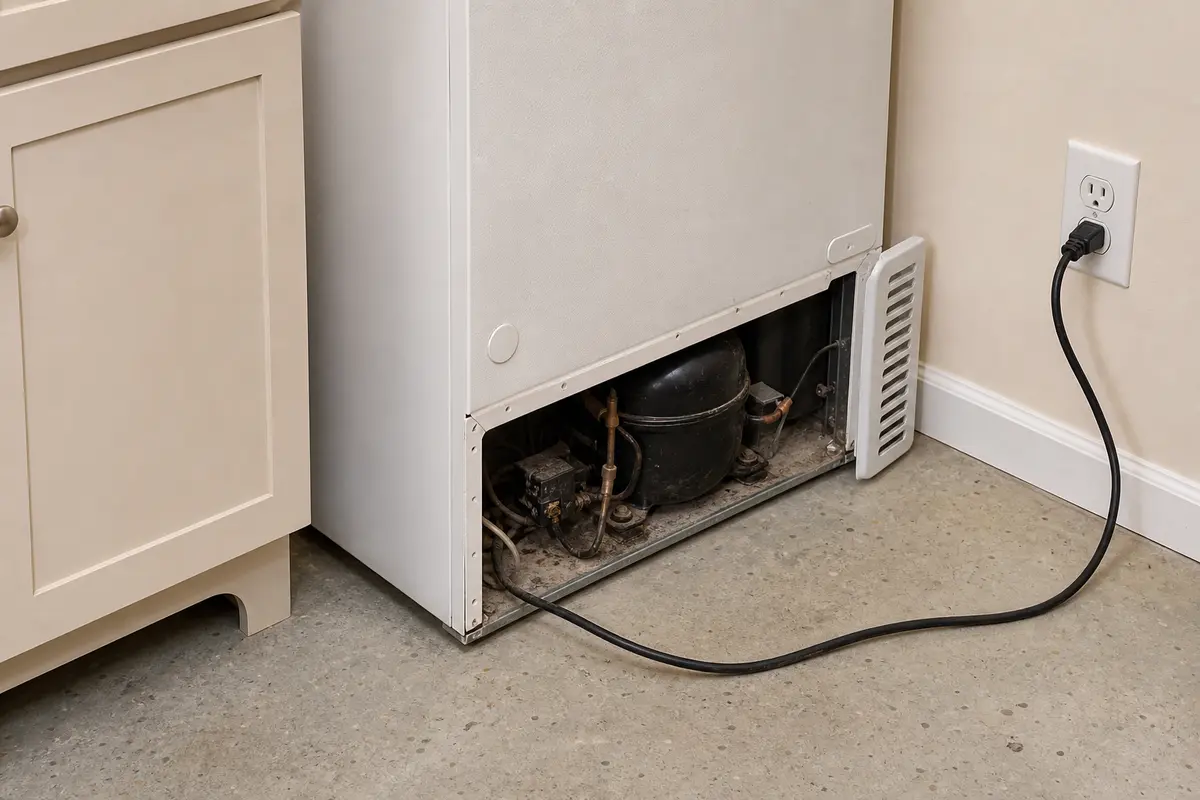
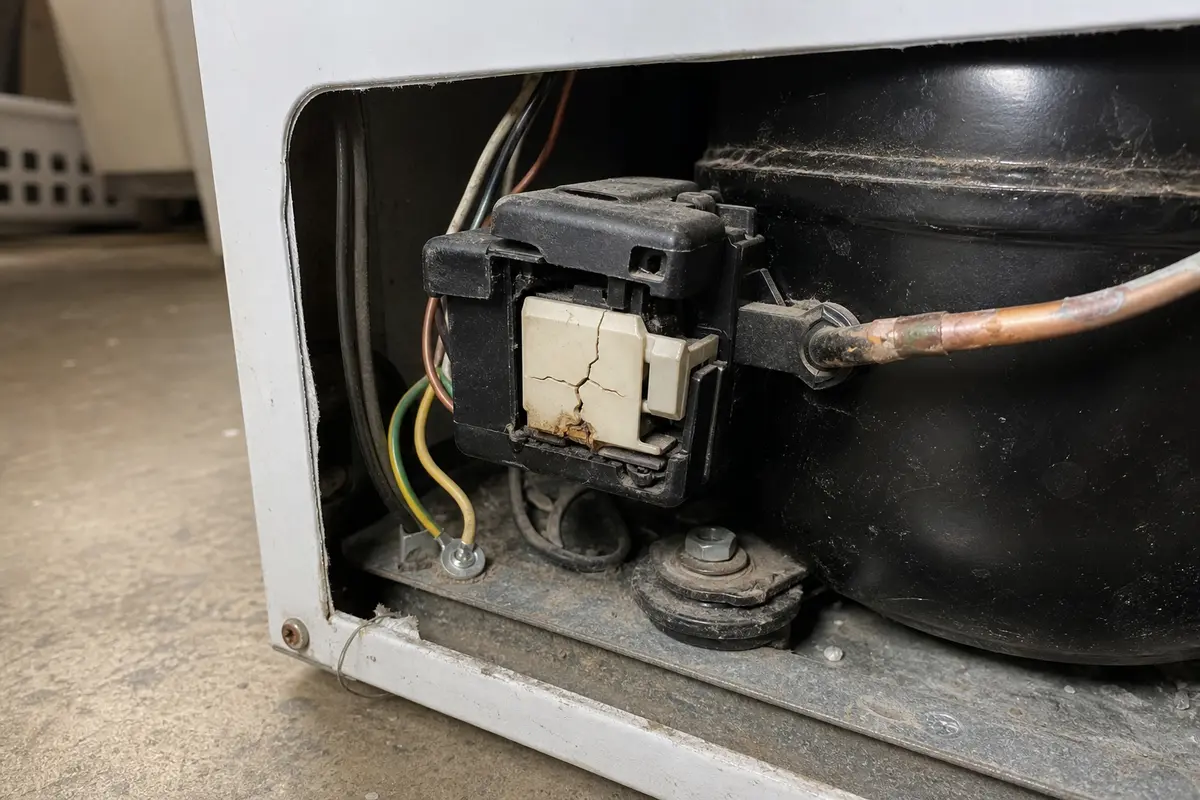
Copy the full model number from the Danby tag before you shop. A start relay belongs in the cart only after the outlet and cord check out, the compressor has cooled, the airflow area is clean, and click-buzz-click still points at the start device.
The click is usually the compressor trying to start or the overload opening to protect it. Check the outlet and cord first, then let the compressor cool and clean the airflow area; what happens on the next controlled restart decides whether the start relay/overload belongs in the parts list.
Do not let one click turn into a parts order. Let the compressor cool, plug the freezer directly into the wall, and inspect the start device only after the power and airflow checks point there.
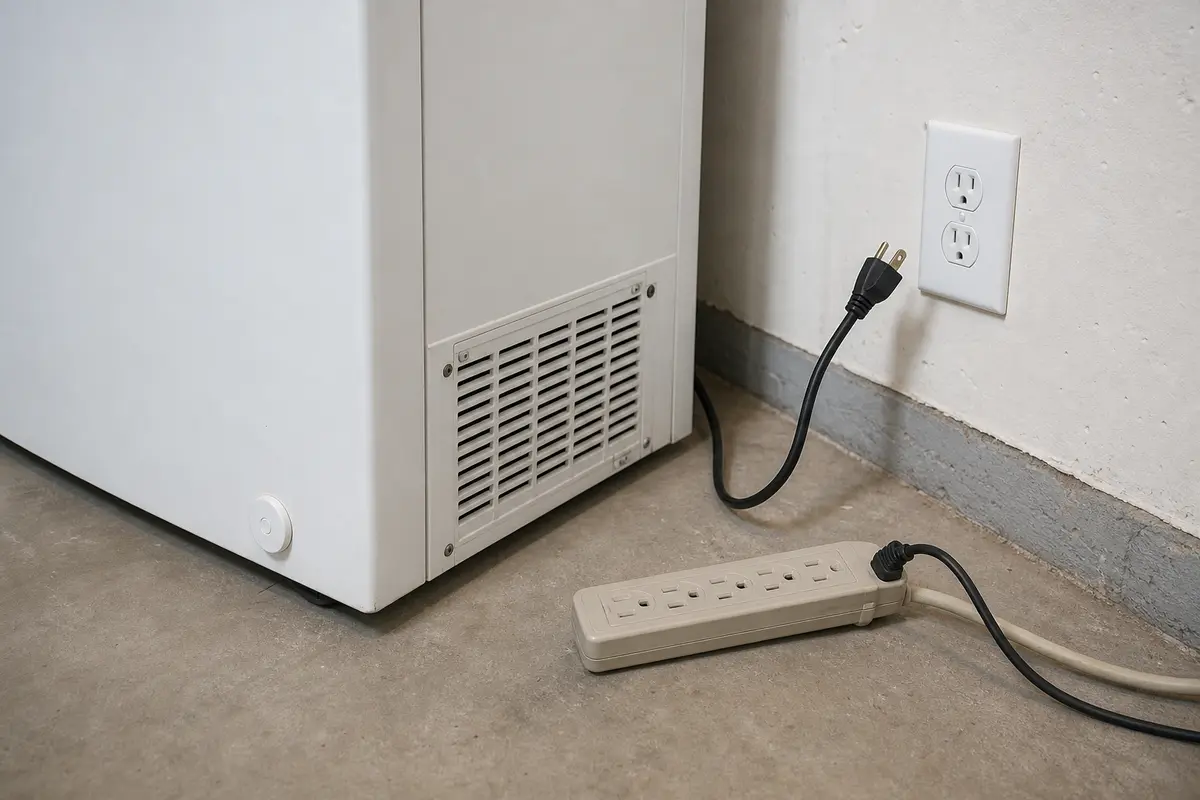
Work from outside the freezer inward. These checks do not require powered wiring work inside the compressor compartment.
Use the result to choose the next move. The goal is to stop guessing before the repair gets expensive.
| What you found | What it usually means | Best next move |
|---|---|---|
| Outlet is loose, warm, scorched, or trips again | House-side power problem | Leave the freezer unplugged and fix the outlet or circuit first. |
| Freezer starts on a direct wall outlet | Extension cord, power strip, or weak connection was the problem | Keep it on the wall outlet and watch temperature recovery. |
| Compressor is very hot and area is dusty | Overload may be opening from heat | Clean airflow, let it cool, then try one controlled restart. |
| Click-buzz-click returns with good power and clean airflow | Start relay/overload or hard-starting compressor | Inspect the start device with the freezer unplugged. |
| Start device is burnt, cracked, melted, or rattles | Start relay/overload failure is supported | Order the exact matching part by model number and compressor layout. |
| Correct new start device changes nothing | Compressor or sealed-system failure is likely | Stop DIY and get an appliance diagnosis before spending more. |
These tools are for basic homeowner checks with the freezer unplugged or at the wall outlet. They are not permission to work on energized appliance wiring.
Paid links. As an Amazon Associate I earn from qualifying purchases. Repair Riot may earn a commission at no extra cost to you.
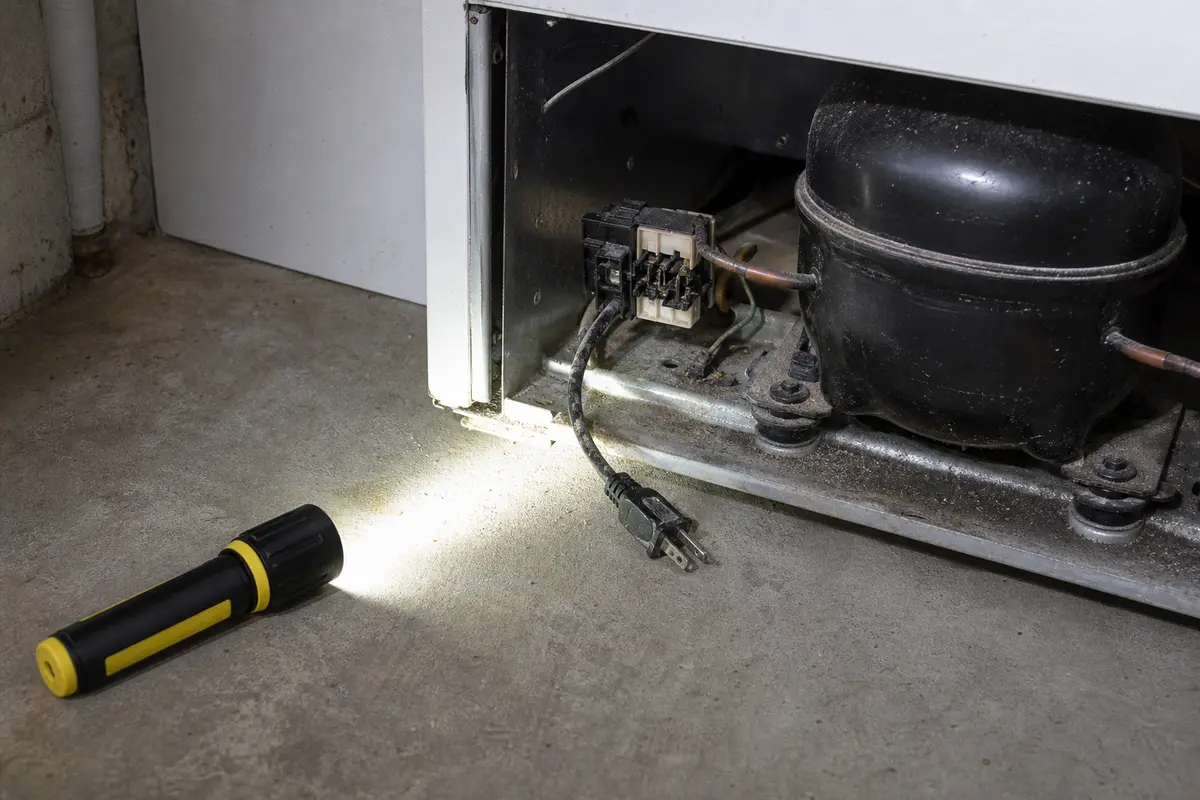
Helps when: You need to see the plug, wall outlet, cord jacket, compressor compartment, and start-device damage without guessing in a dark corner.
Skip it when: The freezer must be tipped, wiring is burnt, or access would require forcing panels.
Compare inspection flashlights on Amazon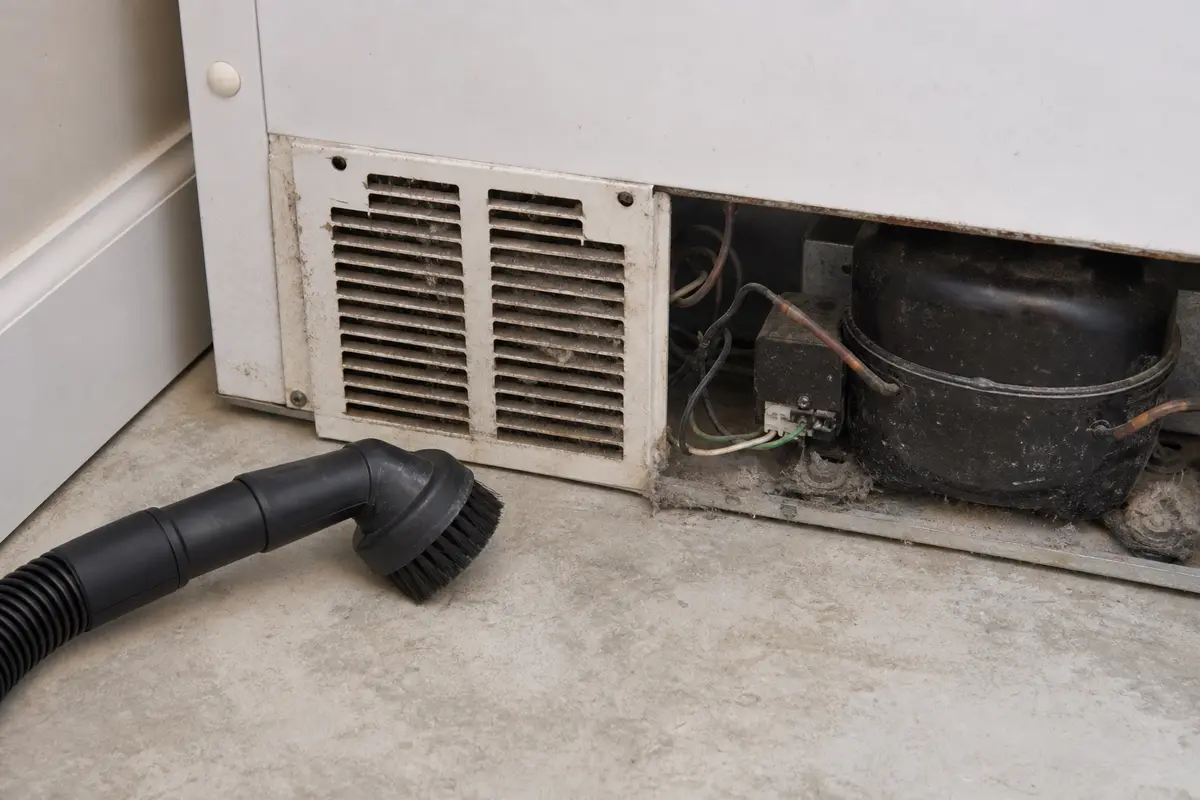
Helps when: Dust or pet hair is packed around lower rear vents, the condenser area, or the compressor base.
Skip it when: Cleaning would pull on wires, bend tubing, or push debris deeper into the compartment.
Compare vacuum brush attachments on Amazon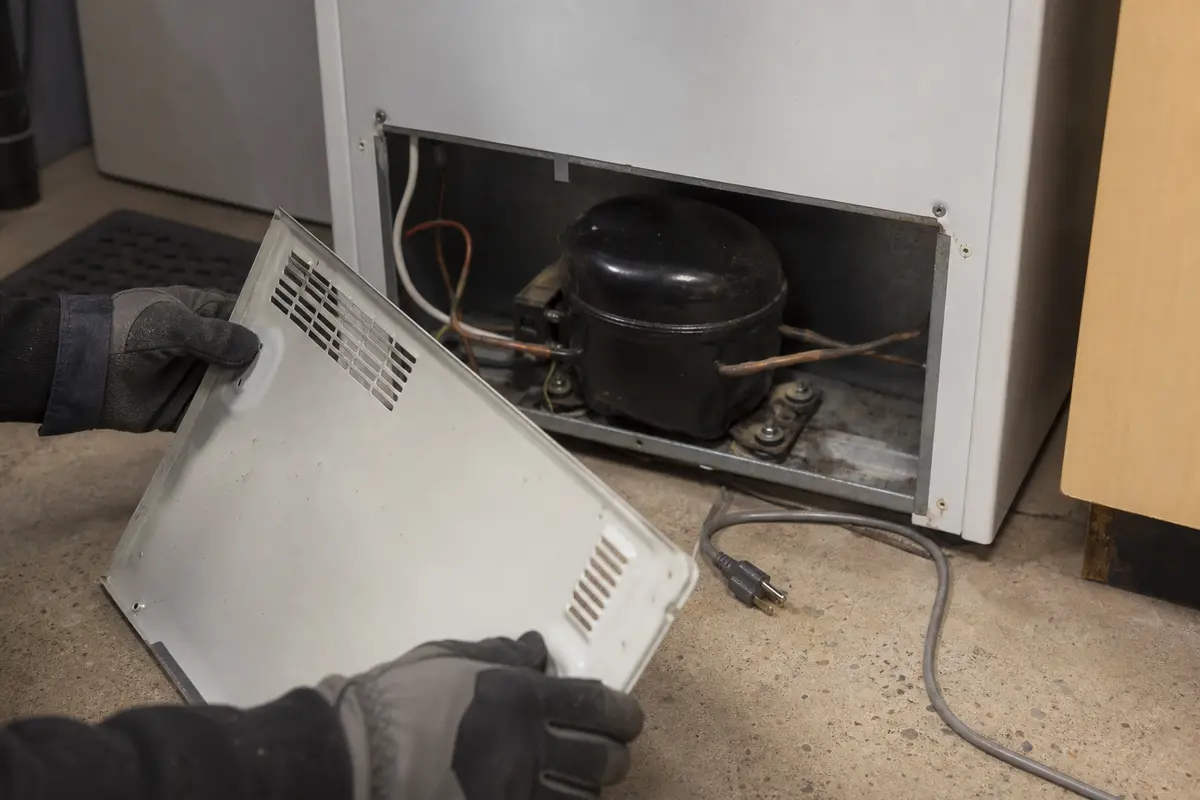
Helps when: You are reaching around sharp sheet-metal edges after the freezer is unplugged and the compressor has cooled.
Skip it when: The compressor is still hot or the access area has burnt wiring.
Compare work gloves on Amazon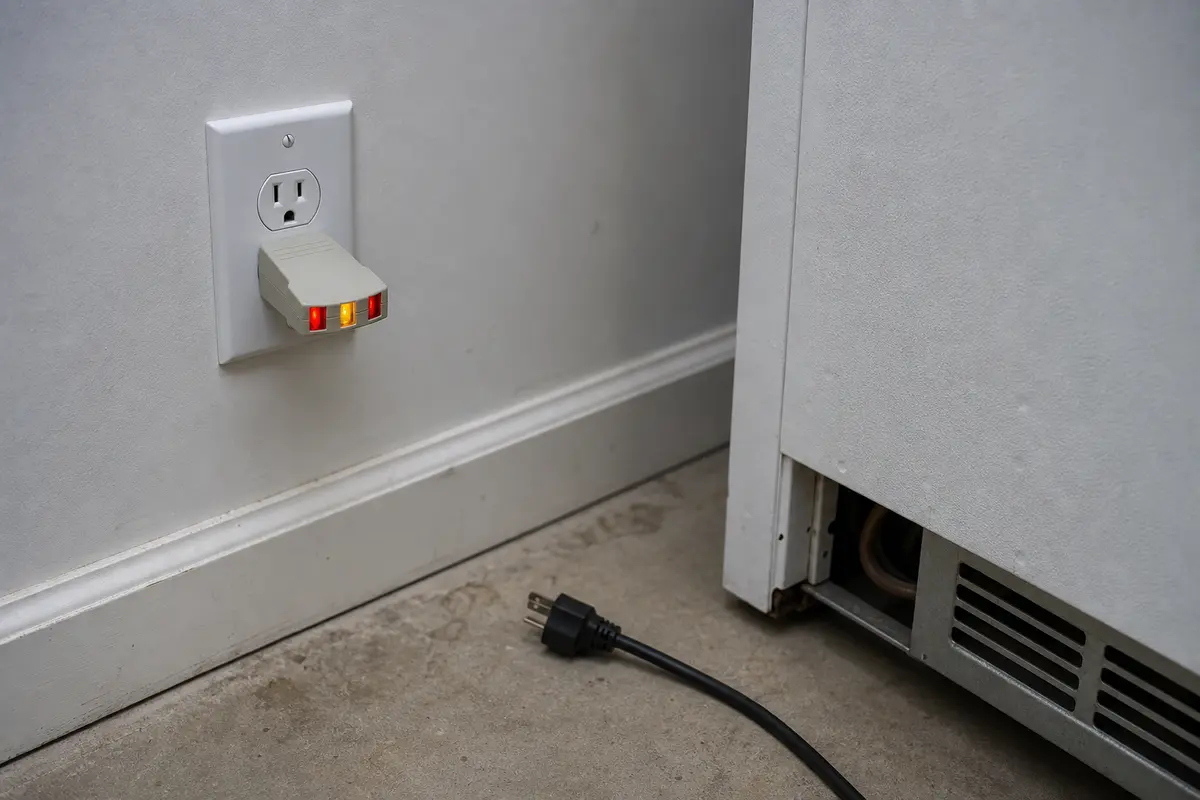
Helps when: You want a simple check for an accessible wall outlet before blaming the freezer.
Skip it when: The outlet is scorched, loose, hot, or the breaker trips again. That is an electrician path.
Compare outlet testers on AmazonBuy parts only after the freezer passes the power and airflow checks. Danby freezer start parts are model-specific, and lookalike relays can have different ratings or terminal layouts.
Paid links. As an Amazon Associate I earn from qualifying purchases. Repair Riot may earn a commission at no extra cost to you.
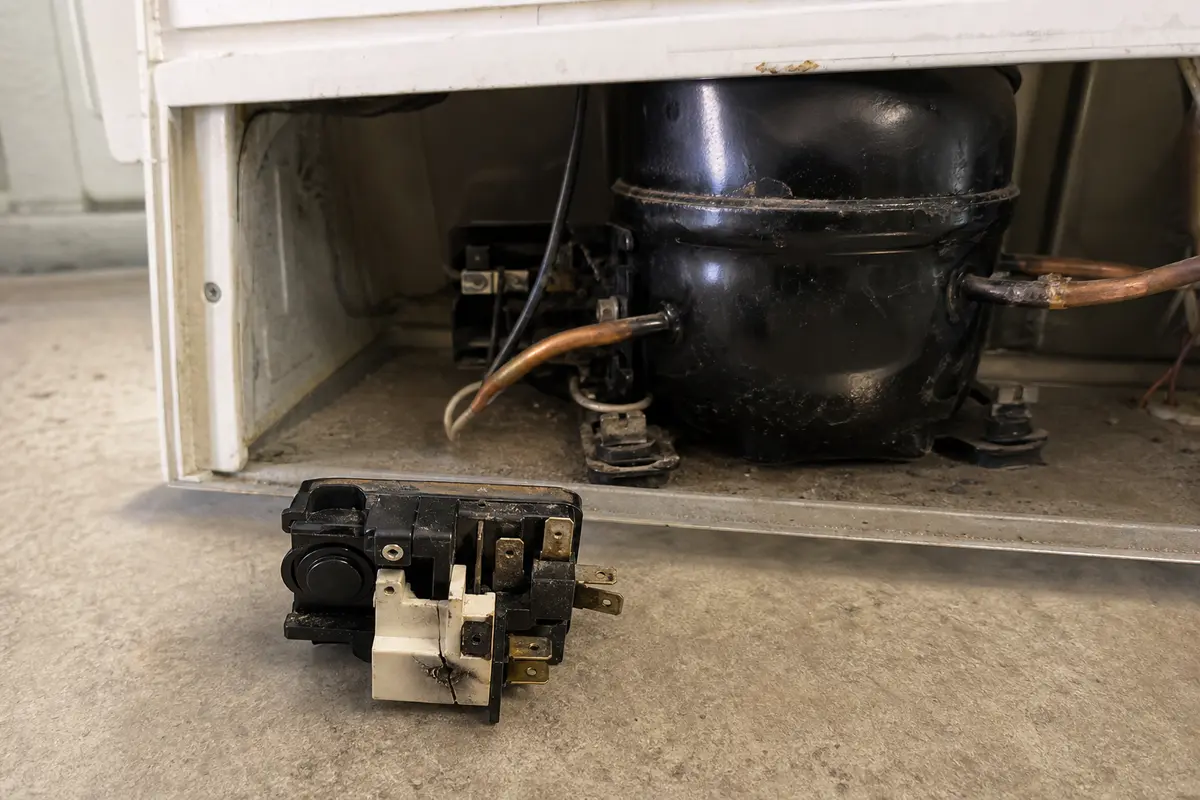
Helps when: The freezer has click-buzz-click, good wall power, a cooled and cleaned compressor area, and the old start device is burnt, cracked, melted, or rattles.
Skip it when: The outlet is loose, warm, scorched, or untested. Also skip it if the compressor is still hot from dust, or the listing does not match the full Danby model number and compressor layout.
Compare start relay assemblies on Amazon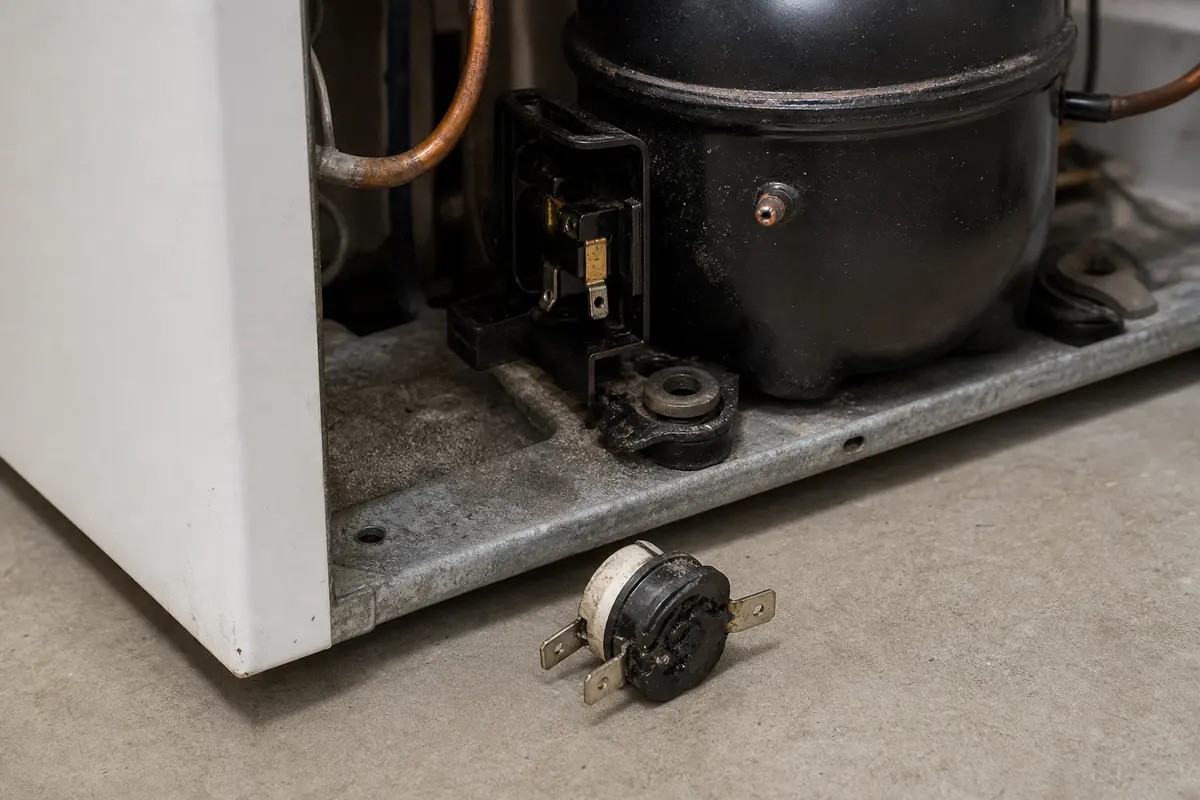
Helps when: Your parts diagram lists the overload separately and the existing overload is heat-damaged or sold as the correct matching piece.
Skip it when: The parts diagram calls for a combined relay/overload assembly, or click-buzz-click returns after good power, clean airflow, and the correct start device. That points past this part to appliance service.
Compare overload protectors on AmazonGood notes keep the service call short and help prevent another round of parts guessing.
The compressor is usually trying to start and dropping out. Check wall power, cord condition, compressor heat, airflow, and the start relay/overload before buying parts.
Yes. A light-duty extension cord or power strip can drop voltage at startup. Test the freezer directly at a solid wall outlet before judging the start relay.
It usually means the compressor is being asked to start, buzzes briefly, then trips off on overload. The start relay/overload is high on the list after power and airflow check out.
Only if the symptom supports it. Buy the start relay/overload after good wall power, a cooled and cleaned compressor area, and visible or likely start-device failure.
Strong clues are cracked plastic, melted spots, a sharp burnt smell, loose rattling pieces, or repeated click-buzz-click with good power and clean airflow.
Unplug the freezer and let it cool. Clean the lower rear airflow area, then try one controlled restart. Repeated hot restarts are hard on the compressor.
Leave the freezer upright and unplugged for several hours if it was tipped. Then check the cord, plug, outlet, and any start device that may have been jarred loose.
They can contribute. Heat buildup can make the overload click off before the freezer gets through startup, especially when the compressor area is packed with dust.
Stop buying parts. With good power and the correct start device, the remaining likely path is a hard-starting or failed compressor, which needs appliance service.
No. Compressor and sealed-system work involves refrigerant, specialized tools, and testing beyond basic homeowner repair.
Repair Riot built this page around homeowner-visible clues: wall power, compressor heat, airflow, start-device damage, and the point where compressor work stops being DIY.