Is the display blank or the clock wrong?
Start with the outlet, plug-in transformer, time setting, and any hold or vacation setting. Do not open the control head while it is powered.
If your Culligan water softener is not regenerating, check power, the clock, bypass position, salt condition, and brine draw first. A manual cycle that starts but does not lower the brine level points to the tank, line, injector path, or valve seals.
Most skipped regenerations are not a dead control head. The usual visible clues are a wrong time setting, bridged salt, a unit left in bypass, or no brine draw during the cycle.
Sort the failure in one watched cycle: no start, starts but no draw, or cycles and still leaves hard water.
Don’t start with: Do not buy a control head first. Watch whether manual regeneration starts and whether the brine level drops during draw. Culligan valve and electronic parts are model-sensitive, and those visible checks decide the repair path.
Start with the outlet, plug-in transformer, time setting, and any hold or vacation setting. Do not open the control head while it is powered.
Check the model-specific manual regeneration step, then look at power and controls. A dead response is not the same as a brine draw failure.
Focus on bridged salt, salt mush, a kinked brine line, loose fittings, injector restriction, or internal valve seals.
Check that the bypass is fully in service and that the brine level actually dropped during the draw stage.
Use bypass or shutoff water if needed, leave power off around water, and move this to service instead of forcing the repair.
A Culligan display can look normal while the softener fails to draw brine. Use the tank, salt surface, and brine line as the first visible clues.
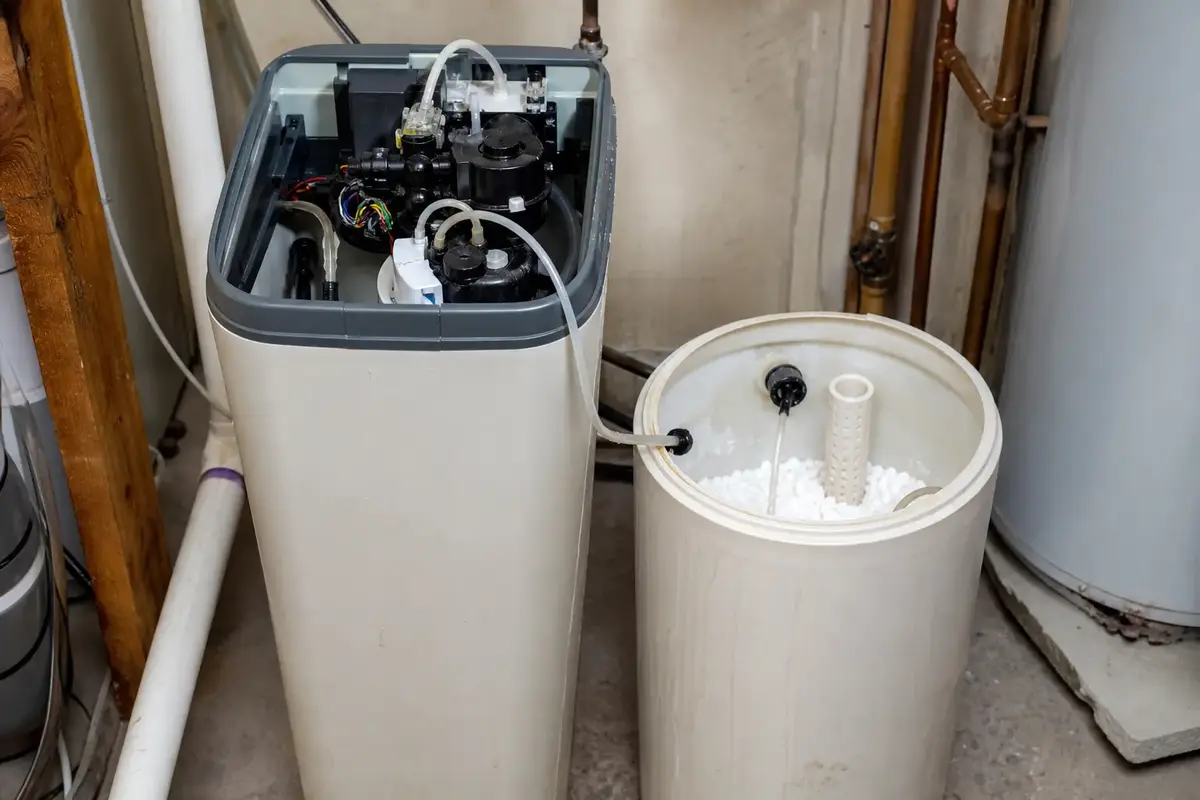
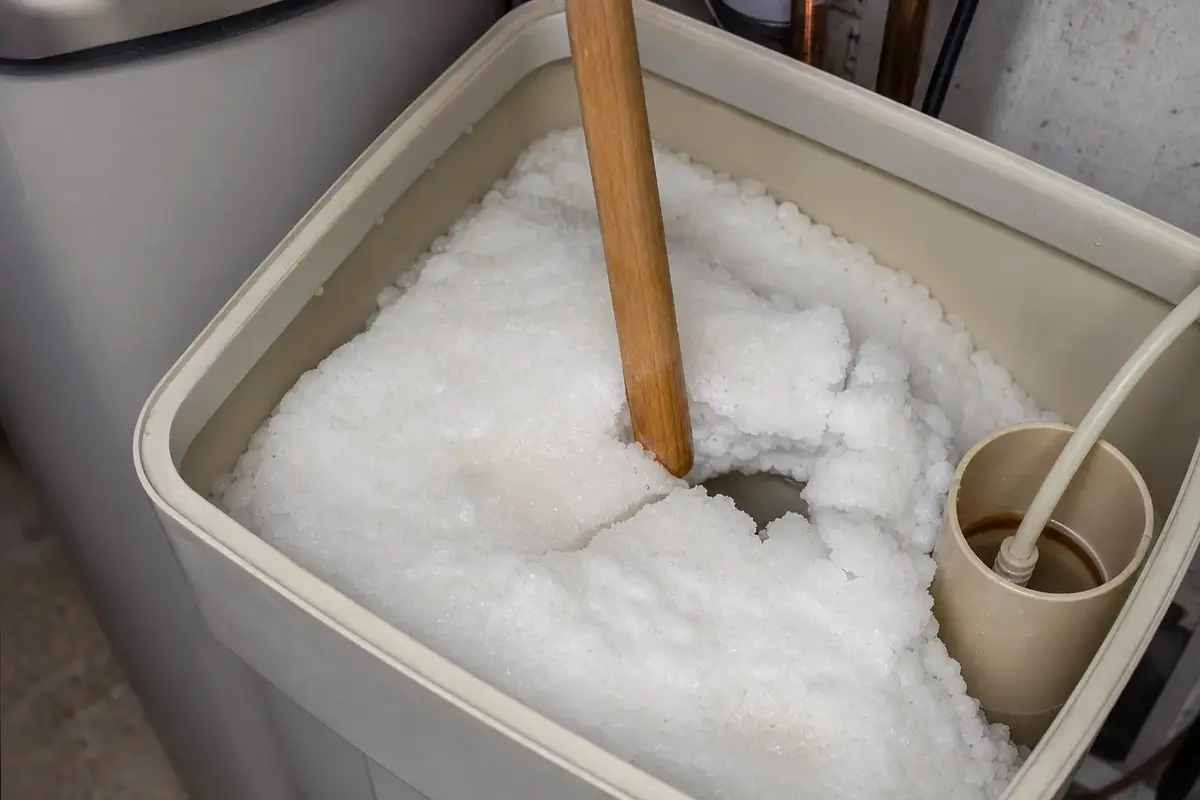
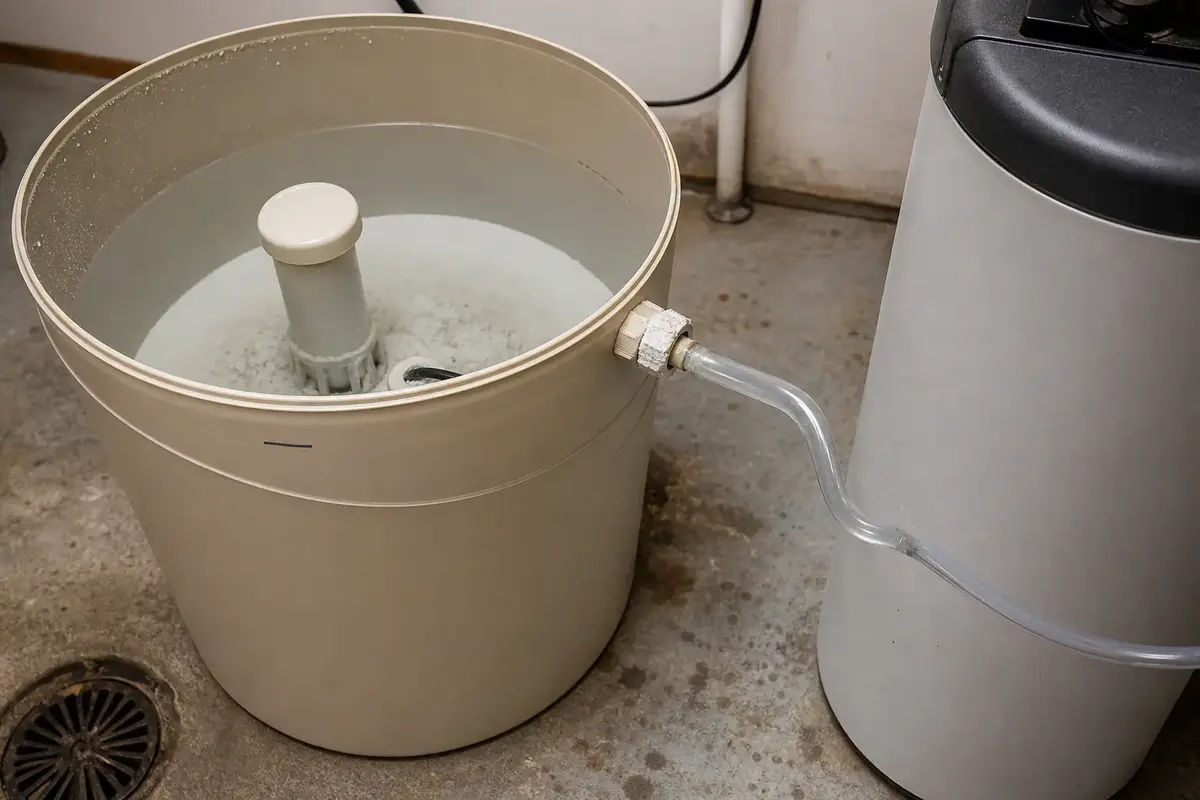
Copy the exact Culligan model and serial numbers. Check the display, manual-regeneration response, bypass valve position, and brine level during draw. Inspect the brine line for cracks, kinks, and air leaks before you price a part.
A softener has to start on command, make brine, pull that brine through the resin, and rinse back to service. If the sink still shows hard water, check the display, tank level, and brine line before opening the valve or buying parts.
A skipped regeneration can tempt you into the most expensive part on the machine. Let the visible clues narrow the job first.
Work from the outside in. These checks do not require live electrical testing or opening the valve body.
The watched cycle is the clean split. Mark the level, let the unit reach brine draw, then use what the tank does next.
| What you see | What it usually means | Next move |
|---|---|---|
| Manual regeneration will not start. | Power, control setting, wrong command, or stalled control issue. | Recheck the owner's guide, power, time, and display before touching the brine line. |
| Salt looks full but the handle breaks through a hard crust. | Salt bridge with little usable brine underneath. | Break the bridge gently, clear loose mush if needed, refill with clean salt, and watch the next cycle. |
| Cycle starts but brine level does not drop. | No brine draw through the tank, line, injector path, or valve seals. | Inspect the brine line and accessible fittings. Move to service if the line is sound. |
| Brine level drops but water stays hard. | Bypass position, incomplete regeneration, resin performance, or internal leakage. | Check bypass position and run one complete cycle before buying seals. |
| Water rises too high in the brine tank. | Float, refill, drain, or brine draw trouble. | Treat it as a brine tank water-level problem and protect the floor first. |
Culligan has several control families, so the right button sequence and service boundary depend on the exact model. The homeowner checks stay the same, but parts and deeper teardown do not.
These tools support basic inspection and spill control. They are not a reason to force fittings or open the powered control area.
Paid links. As an Amazon Associate I earn from qualifying purchases. Repair Riot may earn a commission at no extra cost to you.
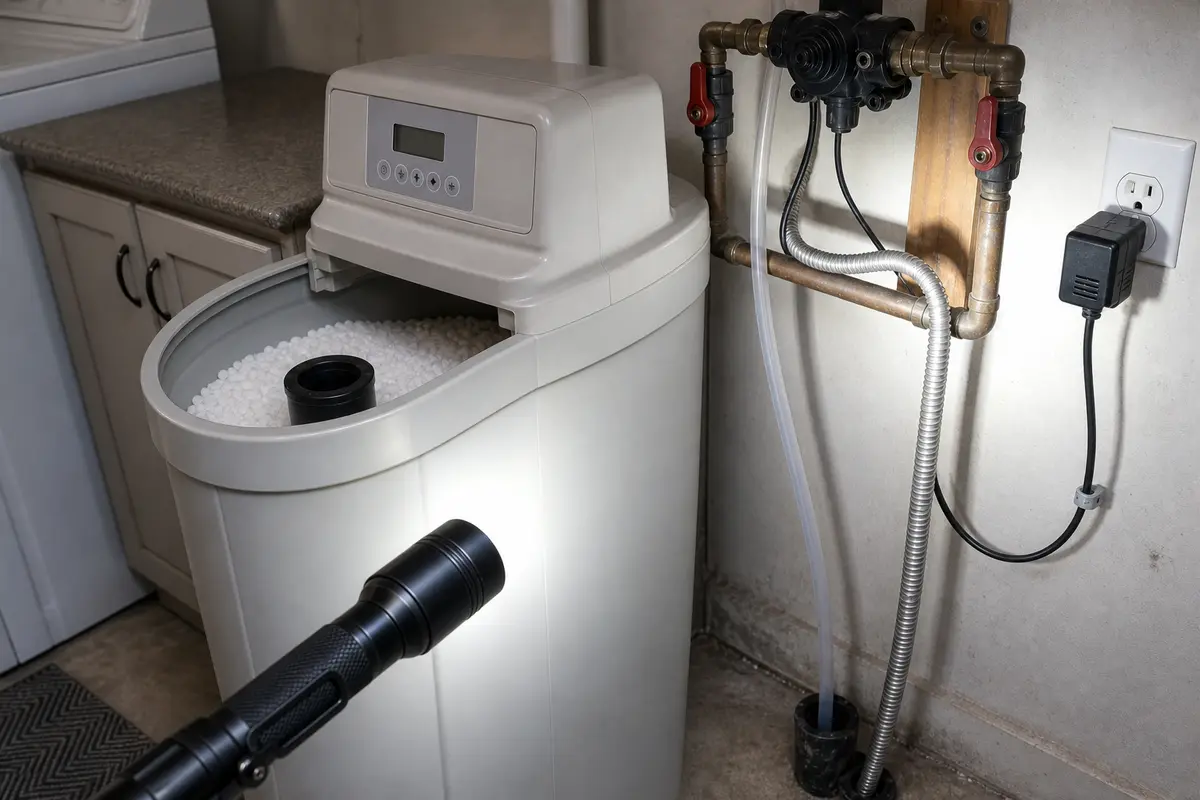
Helps when: You need to see the display area, bypass position, brine well, tubing route, and small salt trails around fittings.
Skip it when: The check requires opening a powered control area or reaching around water near an outlet.
Compare inspection flashlights on Amazon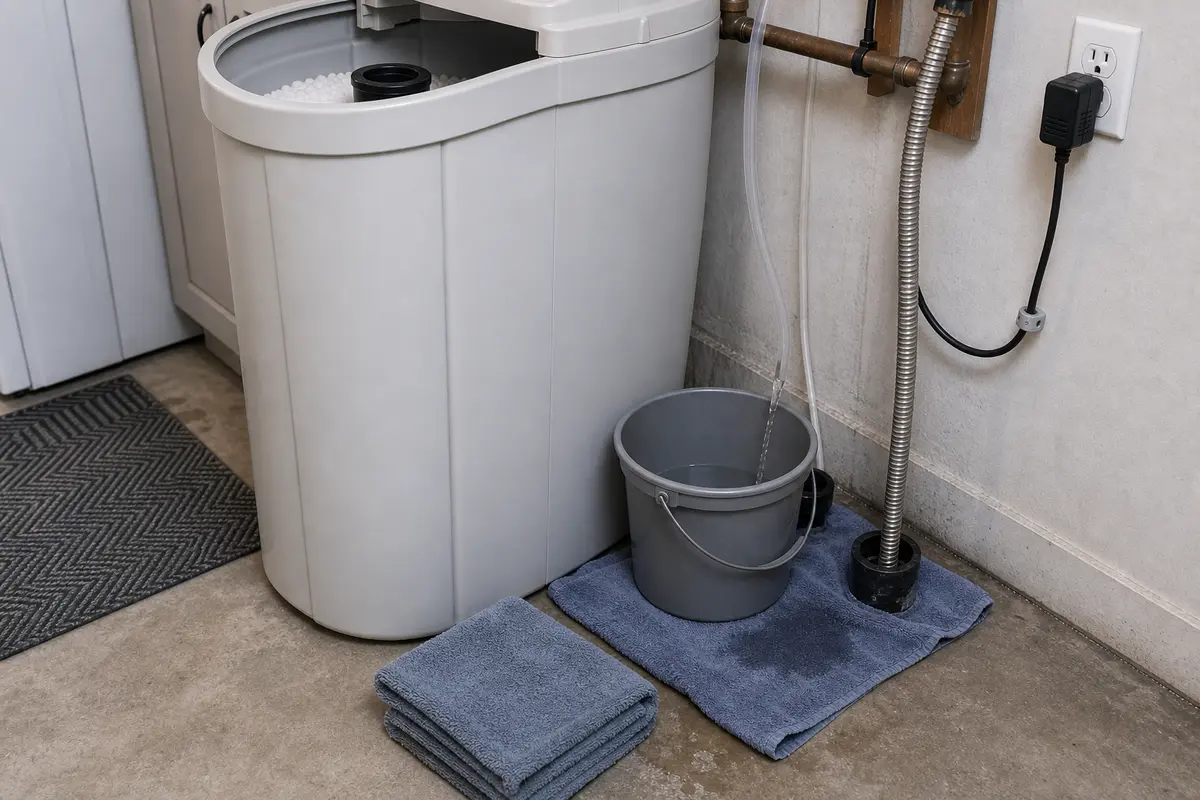
Helps when: You are catching a small spill, drying brine residue, or protecting the floor while checking an accessible brine line.
Skip it when: Water is actively leaking, near electrical parts, or coming from a cracked tank or valve body.
Compare cleanup supplies on Amazon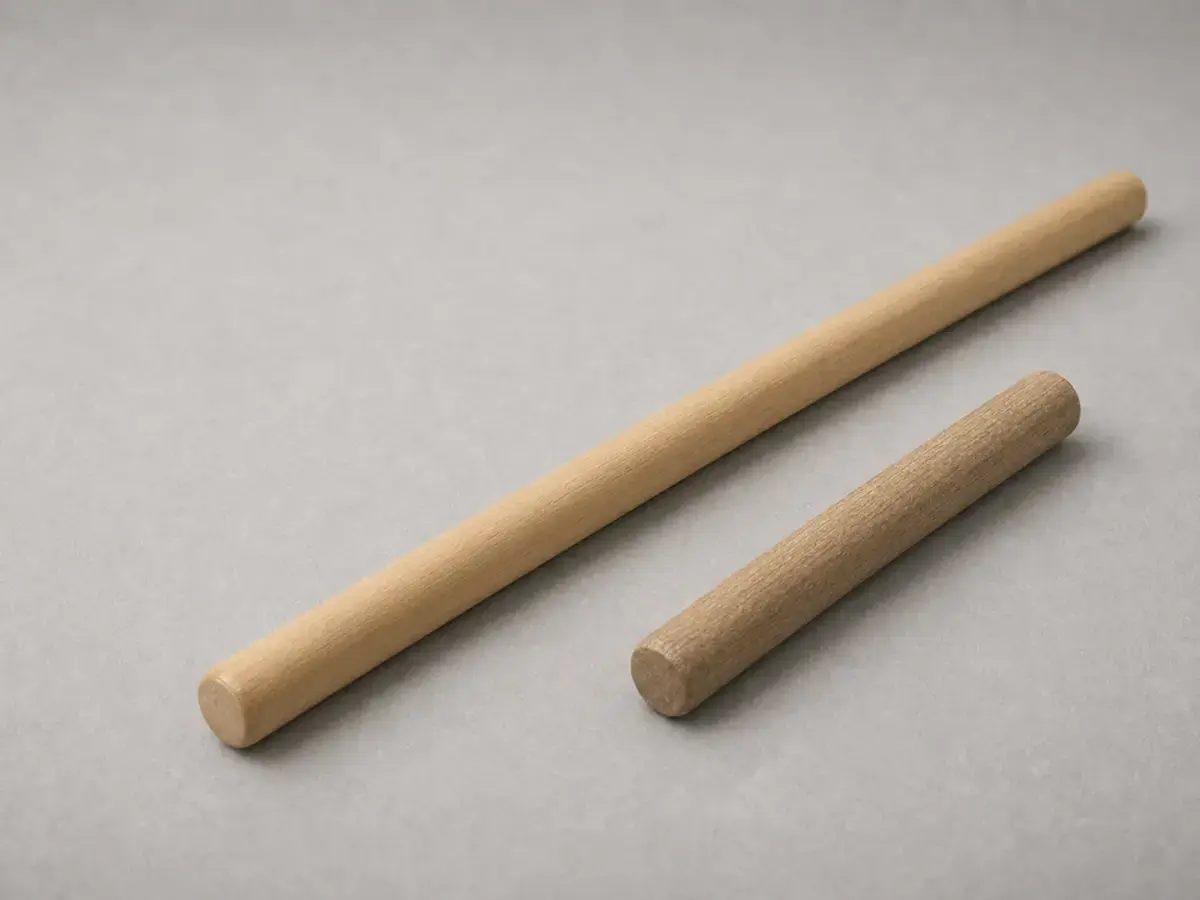
Helps when: You need to probe for a salt bridge without reaching into brine or striking the tank wall.
Skip it when: The float assembly is exposed, cracked, loose, or positioned where a handle could damage it.
Compare wooden handles on AmazonCompare parts only after the watched cycle points there. A Culligan no-regeneration complaint can be a setting, salt, line, injector, or valve problem, and the wrong part can fit badly even when it looks close.
Paid links. As an Amazon Associate I earn from qualifying purchases. Repair Riot may earn a commission at no extra cost to you.
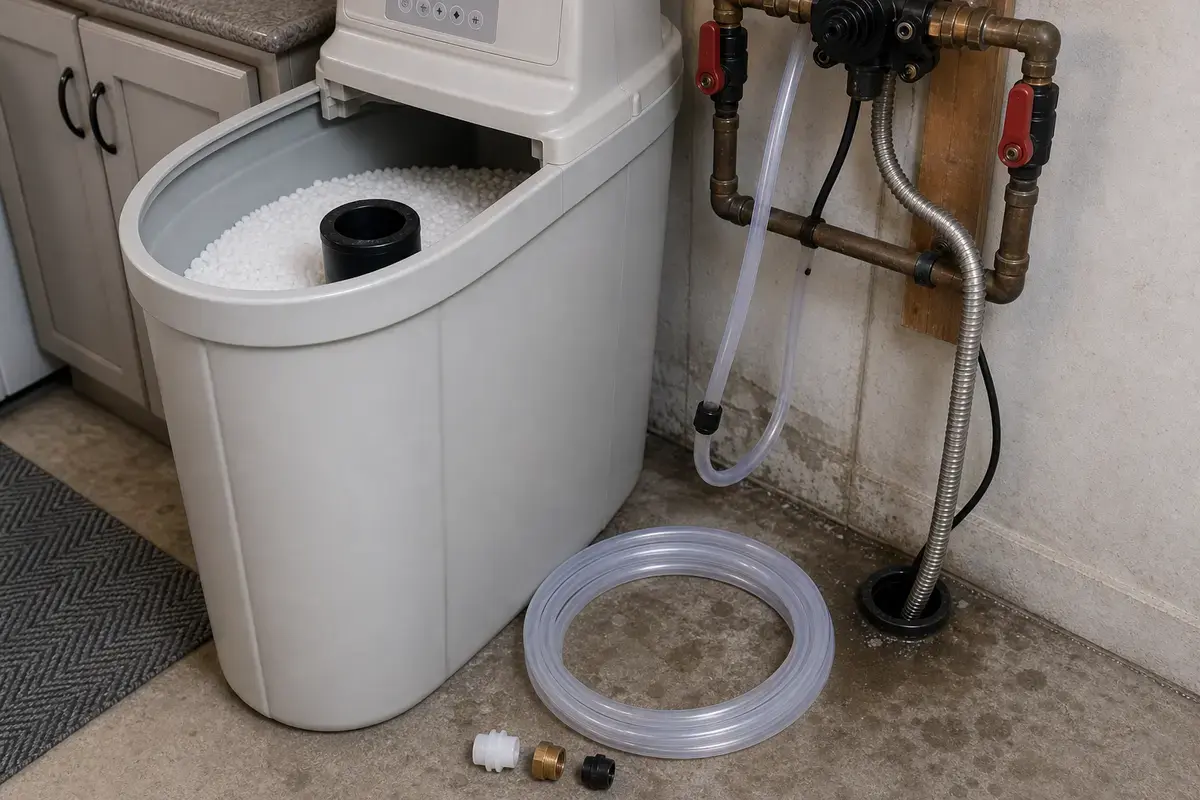
Helps when: The tube is cracked, hardened, sharply kinked, loose at a fitting, or leaving salt trails where air can leak into the draw path.
Skip it when: The line is flexible, sealed, and clear, or you have not watched the brine level during a manual regeneration.
Compare brine lines on Amazon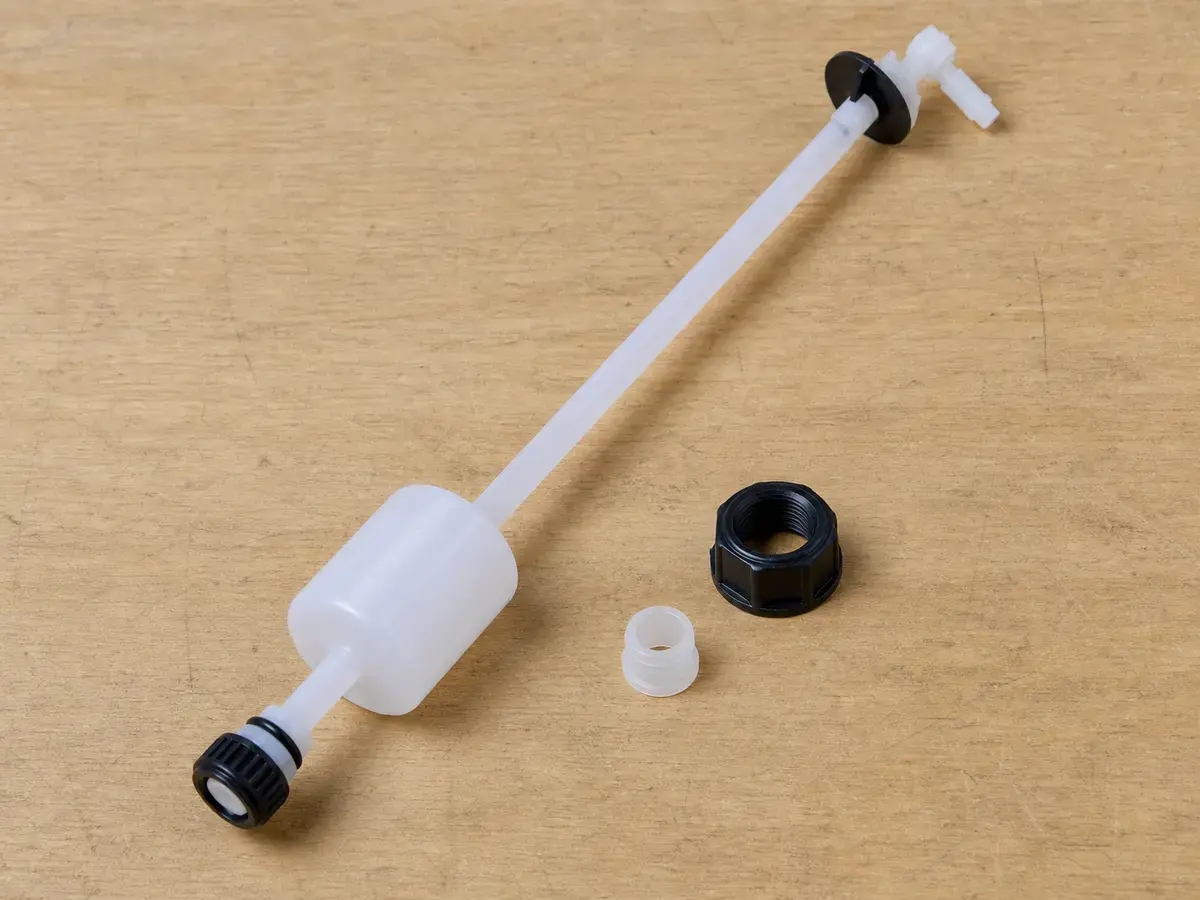
Helps when: The float scrapes, sticks, cracks, or will not move after loose salt mush is cleaned away.
Skip it when: The float moves freely and the actual failure is no brine draw with a clean line.
Compare brine float assemblies on Amazon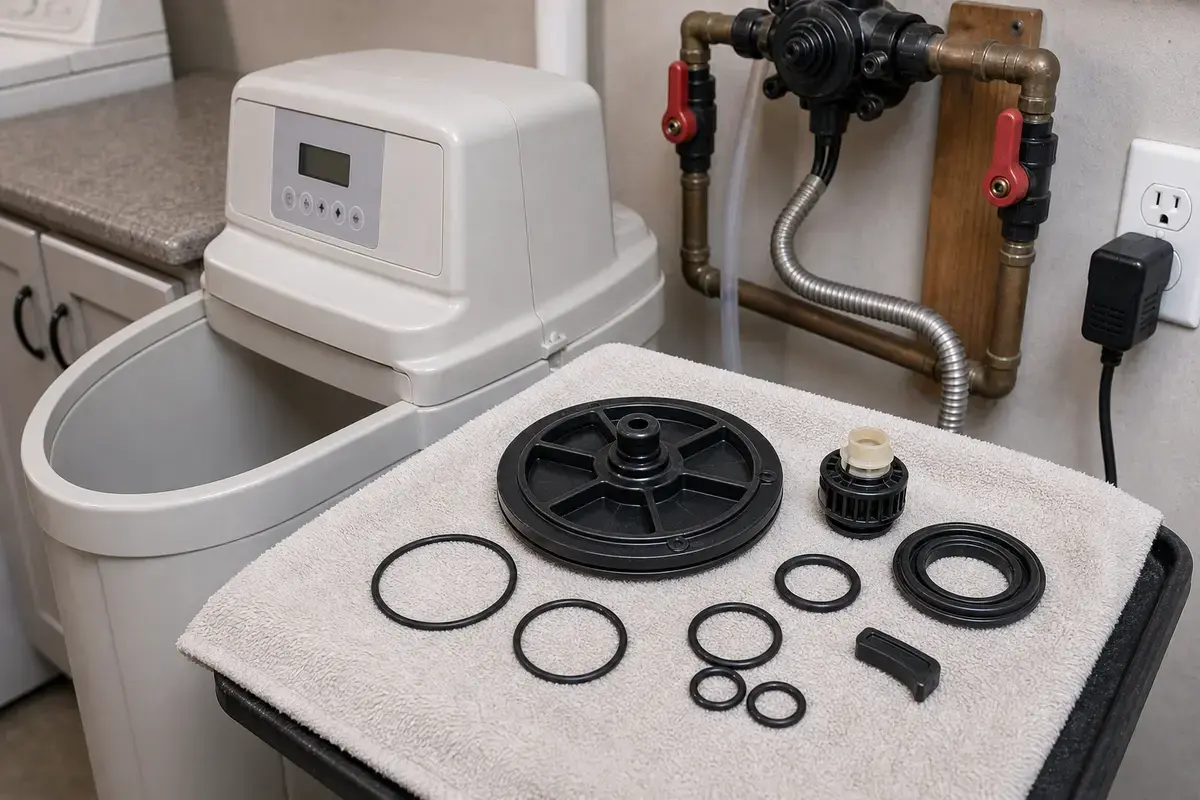
Helps when: Power, clock, bypass, salt, float, and brine line checks are clean, but a watched cycle still will not draw brine.
Skip it when: You do not have the exact model and serial numbers or are not comfortable opening the valve body.
Compare softener seal kits on AmazonGood notes keep the service call out of guesswork. Capture what happened before you reset settings or break the system down.
A lit display only proves the control has power. Check the clock, hold or delay settings, bypass position, and manual-regeneration response first. During the draw stage, mark the brine level; if it never falls, stay on salt, float, and brine-line checks.
Mark the brine tank water level, start a manual regeneration, and watch during the brine draw portion. If the level does not begin to fall, the draw path is the better clue than the sound of the control running.
Yes. A hard crust can hide a hollow space or wet salt mush, so usable brine may not form. Check with a blunt handle. Look for mush, break the bridge gently, and stay away from the float assembly.
Start with the owner's guide for your exact control. Culligan models may use a button hold, menu choice, remote, or app command. If the correct command gets no response, check power, clock, display, and control response before you inspect the brine line.
Check bypass position and brine draw. A softener can cycle without recharging the resin if the tank level never drops. If the brine level drops and the water is still hard, resin condition, internal leakage, or setup may need model-specific service.
Basic salt-bridge cleanup is usually reasonable if you unplug the unit first, keep water away from electrical parts, and avoid striking the tank or float assembly. Stop for active overflow, cracked plastic, seized fittings, or water near the control area.
During brine draw, yes. The level should begin to fall as brine is pulled from the tank. If it does not move, look for a salt bridge, kinked brine line, loose fitting, injector restriction, or internal valve problem.
Yes. If the bypass valve is not fully in service, hard water can reach fixtures even while the softener cycles. Check the service markings before you move the handle. Stop if it binds, drips, or leaks at the valve.
Replace the brine line only when you can point to the failure: a crack, hardened tubing, sharp kink, loose fitting, or salt trail where air can leak in. If it stays flexible, sealed, and clear after the draw check, leave tubing out of the parts cart.
Call service if the correct manual command gets no response, the control or bypass valve leaks, the unit smells hot, or the motor stalls. Also call if it still will not draw brine after the outside checks.
No. Match the exact model and serial numbers before comparing seal kits or valve parts. A lookalike kit can still be wrong, and opening the valve body is not a good first step for a no-regeneration complaint.
Repair Riot built this page around things a homeowner can check: display behavior, manual-regeneration response, bypass valve position, salt condition, brine-line condition, and whether the brine level falls during draw. Culligan manuals shaped the model-specific cautions around commands, bypass, salt, and service boundaries; the diagnostic sequence is original.