Does it start on a direct wall outlet?
Then the relay may be fine. Fix the cord, strip, or weak outlet path first.
Before buying a Calex freezer start relay, check wall power, remove extension cords, let the compressor cool, and note the startup sound. Click-buzz-click after good power is the usual buy signal.
The useful split is weak supply, heat overload, damaged start relay, or a hard-starting compressor. A good clue is whether the freezer tries to start, buzzes briefly, then clicks off.
Use power, heat, and sound pattern before ordering a relay or overload assembly.
Don’t start with: Do not keep cycling a hot compressor or leave food in a warming freezer while guessing at parts.
Then the relay may be fine. Fix the cord, strip, or weak outlet path first.
Let the compressor cool, clear airflow, then inspect the unplugged start device.
A model-matched relay or relay-overload assembly becomes reasonable.
Stop buying parts. The compressor or sealed system needs service-level diagnosis.
Use the lower compressor area, plug, and start-device cover. Those clues sort power supply trouble from a relay that is actually worth replacing.
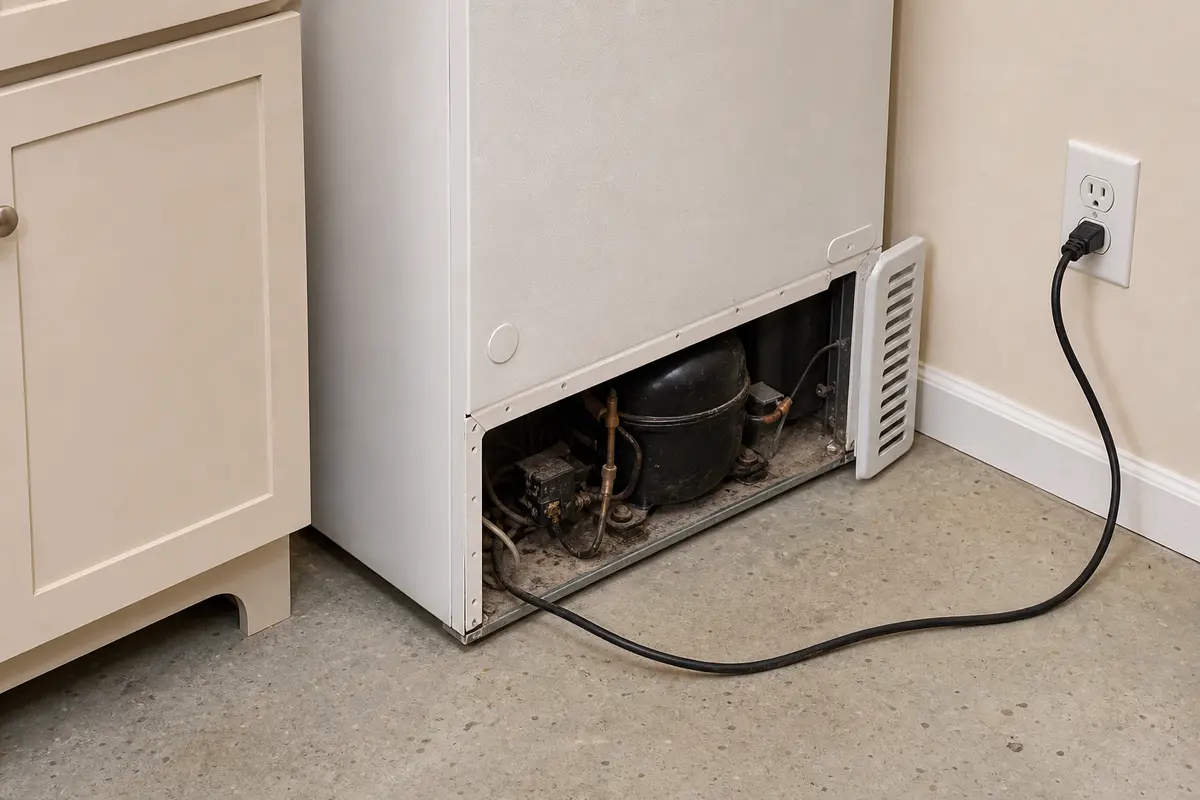
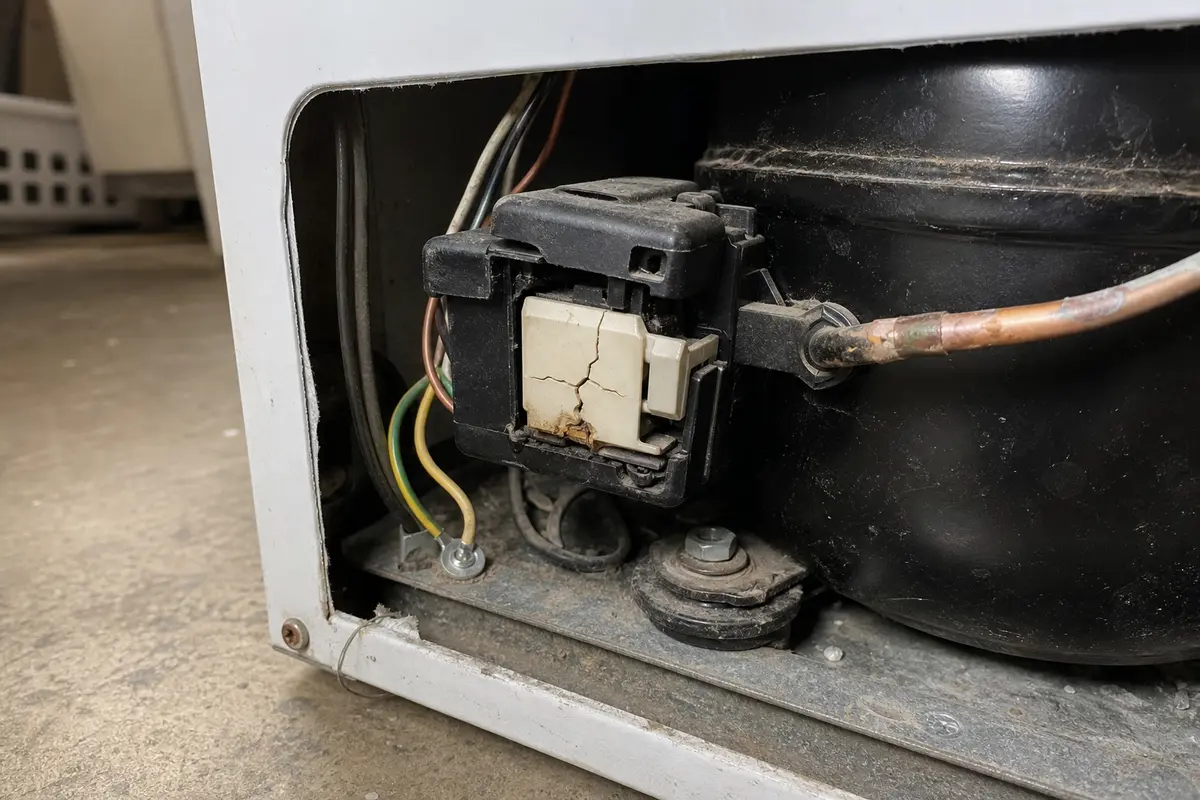
Record the full model number, compressor label, terminal pattern, and whether the start relay and overload are separate or combined. A freezer relay is a fit-specific part.
A Calex freezer compressor start relay is a suspect when the freezer has good wall power but only hums, buzzes, or clicks instead of starting the compressor.
Do not let a cheap relay turn into repeated hot restarts. The safe path is power, heat, visible damage, model match, and one controlled restart.
Use the sound pattern and temperature of the compressor to sort weak power, heat overload, relay failure, and compressor failure.
| What you found | What it usually means | Best next move |
|---|---|---|
| Starts on a direct wall outlet | Cord or power strip was the problem | Keep the freezer directly on a proper outlet. |
| Compressor is very hot and dusty | Heat may be opening the overload | Clean airflow and let it cool before one restart. |
| Click-buzz-click with cool compressor | Start relay, overload, or compressor trouble | Inspect the start device with the freezer unplugged. |
| Relay is melted, cracked, or smells burnt | Start device failure is supported | Order the exact model-matched relay or relay-overload assembly. |
| Correct relay changes nothing | Compressor or sealed-system problem likely | Stop parts spending and get appliance service. |
The compressor start relay must match the freezer model and compressor terminal layout. Some freezers use a combined relay-overload assembly, while others list separate pieces.
Paid links. As an Amazon Associate I earn from qualifying purchases. Repair Riot may earn a commission at no extra cost to you.
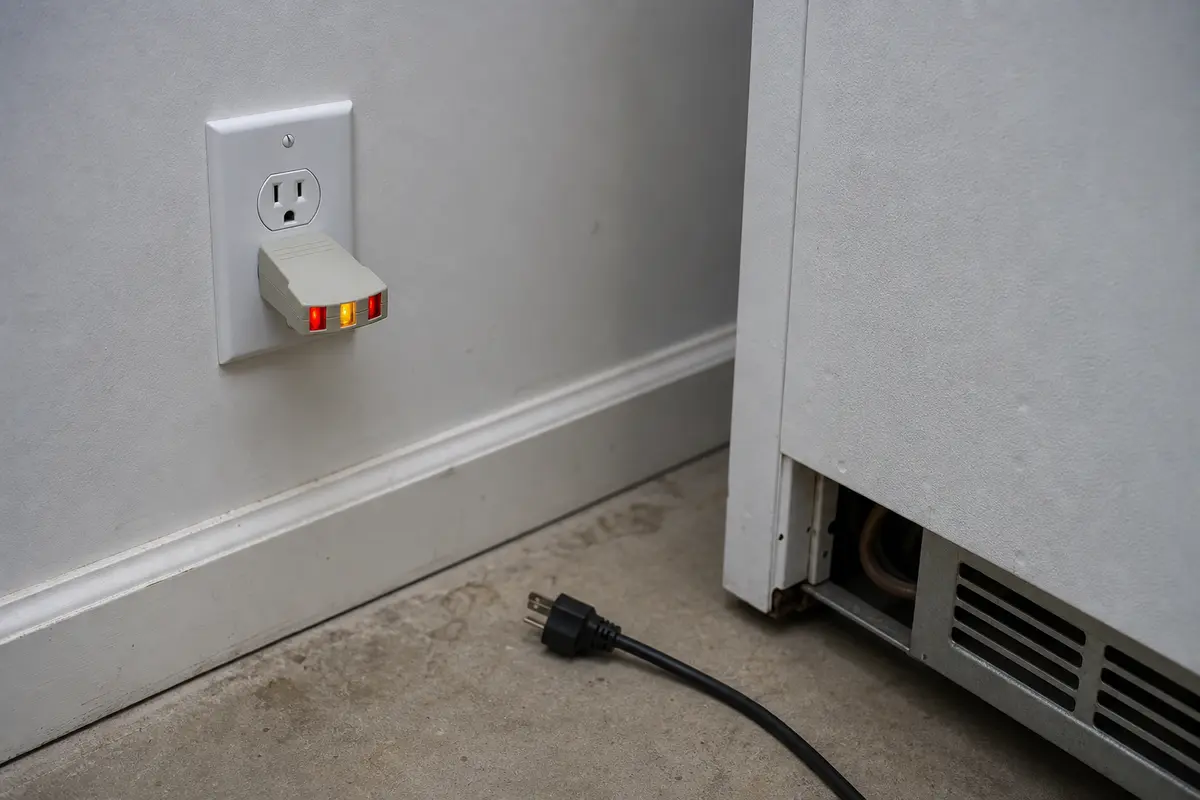
Helps when: Use an outlet tester for a quick check of an accessible, dry outlet before blaming the freezer start relay.
Skip it when: Skip it if the outlet is loose, scorched, hot, wet, or repeatedly trips; that is an electrical repair first.
Compare plug-in outlet testers on Amazon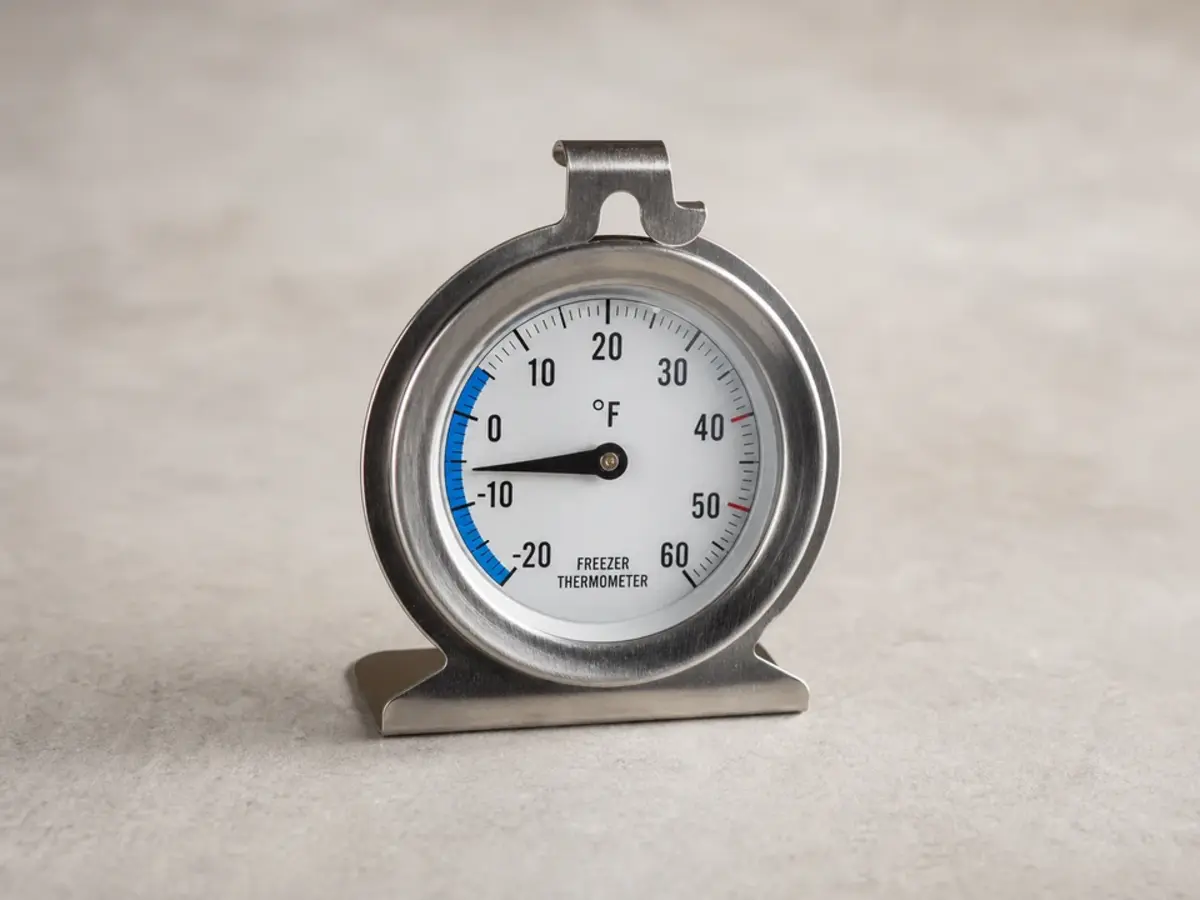
Helps when: Use a freezer thermometer to confirm temperature recovery after one controlled restart or repair.
Skip it when: Skip waiting on readings if food is already unsafe or the freezer cannot run long enough to cool.
Compare freezer thermometers on AmazonPaid links. As an Amazon Associate I earn from qualifying purchases. Repair Riot may earn a commission at no extra cost to you.
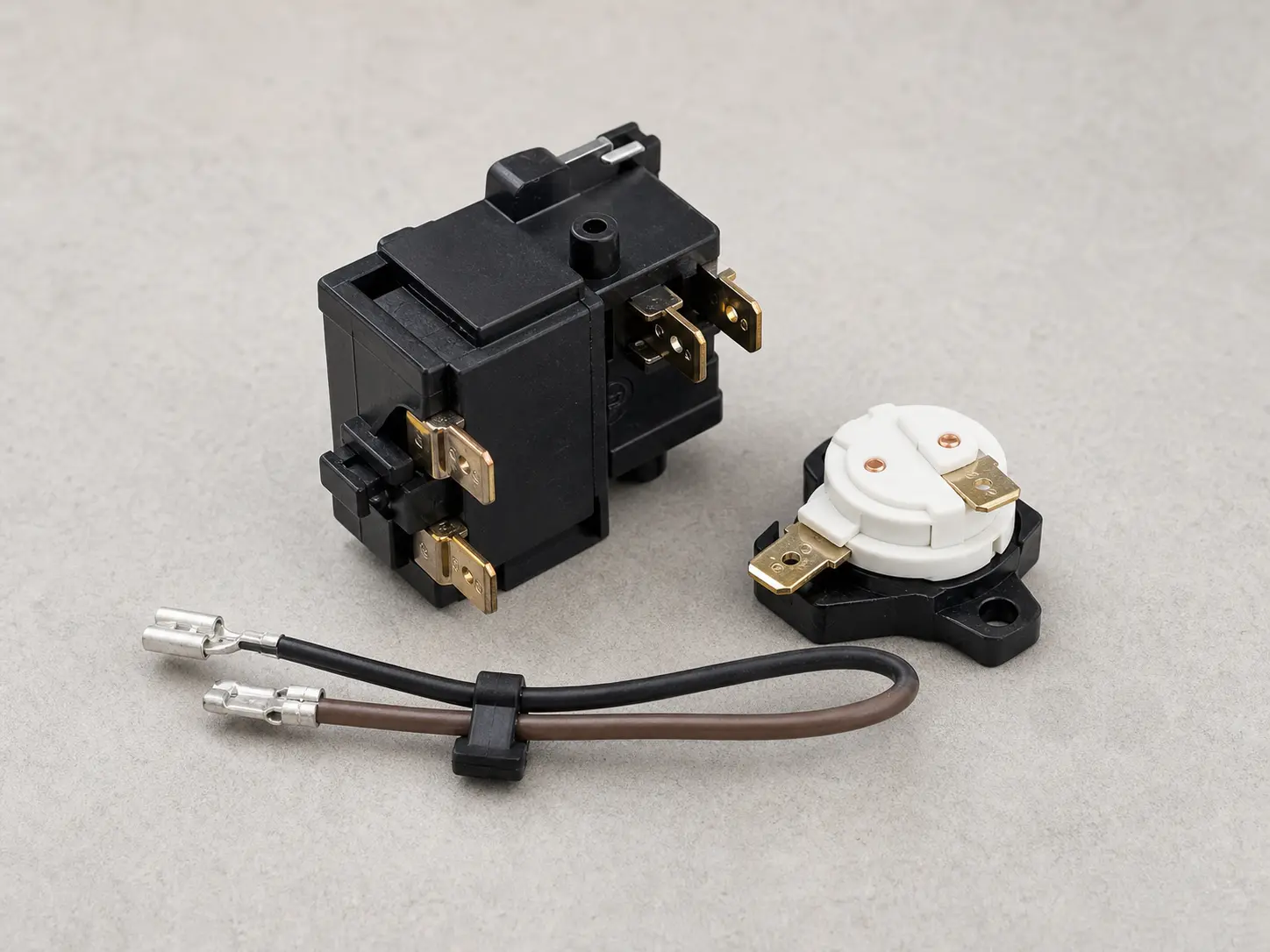
Helps when: Use a freezer compressor start relay only when good power, airflow, and cooldown still lead to click-buzz-click startup failure.
Skip it when: Skip it if the compressor terminals are burnt or the listing does not match the exact model and terminal layout.
Compare freezer compressor start relays on AmazonHelps when: Use a relay and overload assembly when the parts diagram shows the start device and overload sold as one matched compressor assembly.
Skip it when: Skip it if your freezer uses separate pieces or a correct replacement does not change the startup pattern.
Compare freezer relay and overload assemblies on AmazonThe common clue is a short buzz or hum followed by a click, repeated after good wall power and a cooled compressor are confirmed.
Yes. A weak cord or power strip can drop voltage at startup. Try a direct wall outlet before judging the relay.
It is usually at the compressor terminal area behind the lower access cover. Unplug the freezer before touching that area.
Only if your parts diagram or old device shows a combined assembly. Some freezers use separate pieces.
No. A correct relay that changes nothing usually means the compressor needs appliance service.
Use the freezer model tag, compressor label, terminal layout, old part shape, and whether the relay and overload are combined.
A rattle can support the diagnosis, but judge it with power, heat, visual damage, and model fit.
Stop for burnt terminals, hot outlets, repeated breaker trips, oil near tubing, or a correct replacement that does not solve startup.
Repair Riot built this page around visible symptoms, safe homeowner checks, model-tag part matching, and stop points where electrical, sealed-system, gas, or HVAC work should move to a qualified pro.