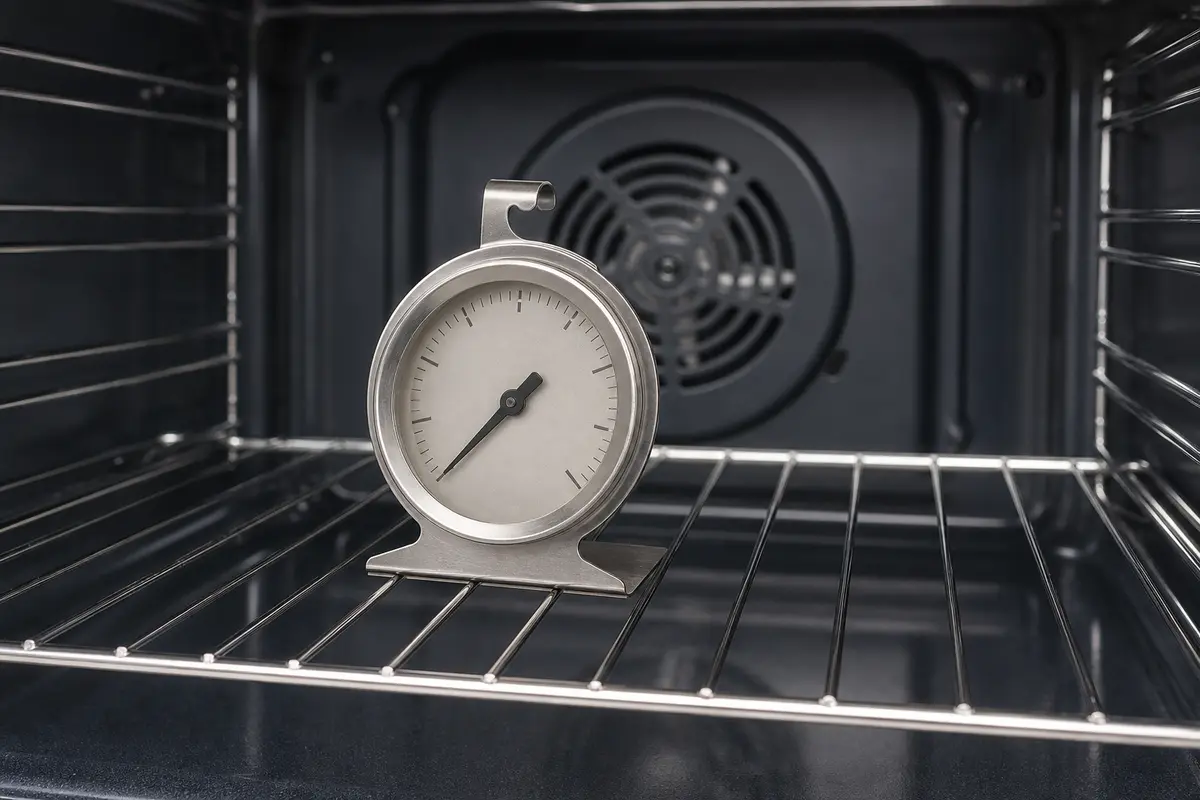
Oven heating problem

Cafe Oven Not Heating

Direct answer: If your Cafe oven turns on but will not heat, the most common causes are a wrong mode or delayed-start setting, lost 240-volt power on an electric oven, a failed oven bake element, or a weak oven igniter on a gas oven.

Most likely: Start with the simple split: electric ovens often lose one leg of power or burn out the oven bake element, while gas ovens often have an oven igniter that glows but is too weak to open the gas valve.

First figure out what the oven is actually doing: completely cold, slow to warm, heating only on broil, or showing normal lights and sounds with no real heat. That pattern usually points you to the right part fast. Reality check: a lot of no-heat calls end up being settings, power, or one failed heating part, not a dead oven. Common wrong move: replacing the oven sensor just because the temperature seems off when the real problem is a dead bake element or weak igniter.

Don’t start with: Do not start by ordering an oven control board. Controls do fail, but they are not the first bet when the display still works and the oven simply will not heat.

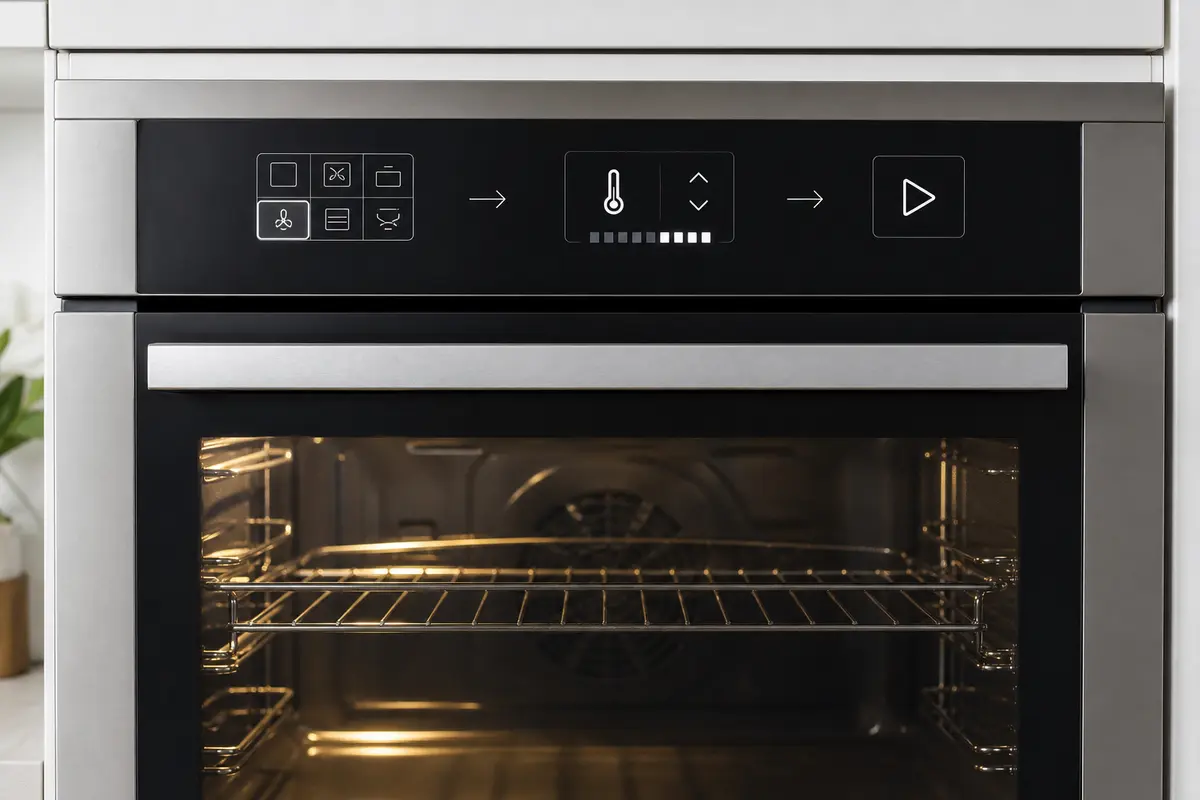
Display works but cavity stays coldCheck mode, timer, and whether bake or broil heat works at all.
Glows, clicks, or preheats foreverSeparate electric element failure from a weak gas oven igniter before buying parts.
Last reviewed: 2026-04-17

What your Cafe oven is doing tells you where to look first

Completely cold on bake and broil

Lights, display, and fan may work, but the oven never makes real heat in any cooking mode.

Start here: Start with power, settings, and whether the unit has lost part of its supply before suspecting internal parts.

Broil works but bake does not

The top of the oven gets hot in broil, but bake stays cold or barely warm.

Start here: On an electric oven, look hard at the oven bake element first. On a gas oven, focus on the bake igniter path.

Takes forever to preheat

The oven eventually warms, but much slower than normal and struggles to reach set temperature.

Start here: Check for a weak oven igniter, a partially failed oven bake element, or a loose door seal letting heat leak out.

Heats, then temperature is way off

Food undercooks, the oven cycles oddly, or the cavity temperature does not match the setting.

Start here: After confirming it really is heating, move to the oven temperature sensor and door-seal checks before blaming controls.

Most likely causes

1. Wrong mode, delayed start, or demo-style setting issue

The display responds, but the oven never actually starts a normal heat cycle. This is especially common after a power outage, cleaning cycle, or someone bumping settings.

Quick check: Cancel the cycle, clear timers, choose Bake at a normal temperature, and wait a full minute for heat signs.

2. Partial power loss on an electric oven

An electric oven can light up and look alive on 120 volts while still missing the 240 volts needed for proper heating.

Quick check: If both bake and broil are dead or very weak but the display works, check for a tripped double breaker or one side not fully reset.

3. Failed oven bake element or weak oven igniter

These are the bread-and-butter no-heat failures. Bake does most of the work, so when it quits, the oven may stay cold, heat unevenly, or only broil.

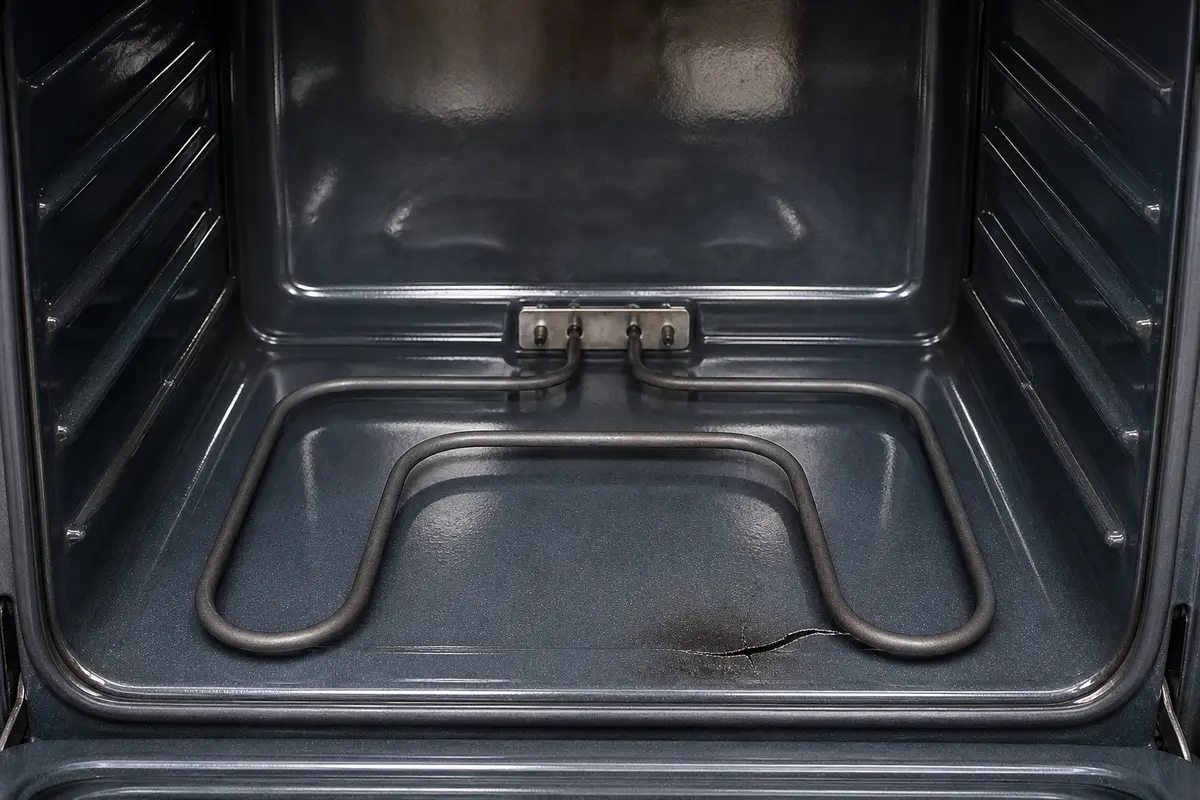
Quick check: Look for a blistered, split, or burned oven bake element on electric models, or an igniter that glows without lighting gas on gas models.

4. Bad oven temperature sensor or control-side failure

If the heating parts look normal and the oven starts but cycles wrong, reads wildly off, or quits early, the sensor becomes more likely. Control failure is farther down the list.

Quick check: Compare actual cavity heat to the set temperature and inspect the sensor area for damage or loose mounting.

Step-by-step fix

Step 1: Reset the cycle and confirm the oven is really being asked to heat

A surprising number of ovens are set to the wrong mode, stuck in a timer state, or never actually started after the temperature was entered.

  1. Cancel anything currently running.
  2. Make sure the door is fully closed.
  3. Set the oven to Bake at 350°F, not Warm, Proof, Delay Start, or a timer-only function.
  4. Wait 60 to 90 seconds and watch for clear heat signs: an electric element glowing red, a gas igniter glowing, or hot air building in the cavity.
  5. Try Broil for one minute after that and compare what happens.

Next move: If the oven heats normally after a clean restart, the problem was likely a setting issue or interrupted cycle. If Bake and Broil both stay cold, move to power and supply checks. If one mode works and the other does not, you have narrowed it to the heating side used by that mode.

What to conclude: This separates a simple control-use problem from a real no-heat failure and tells you whether the issue is broad or tied to the bake circuit.

Stop if:
  • You smell gas that does not clear quickly.
  • The control shows sparking, smoke, or a burning-plastic smell.
  • The door will not latch or unlatch normally after a self-clean cycle.

Step 2: Check the easy outside clues: breaker, gas supply, and door seal

Before opening anything up, make sure the oven has the power or fuel it needs and is not losing heat through an obvious door problem.

  1. For an electric oven, find the double breaker and fully reset it by switching it off, then back on.
  2. For a gas oven, confirm other gas appliances are working if you have them and make sure any appliance shutoff valve is in the open position if accessible.
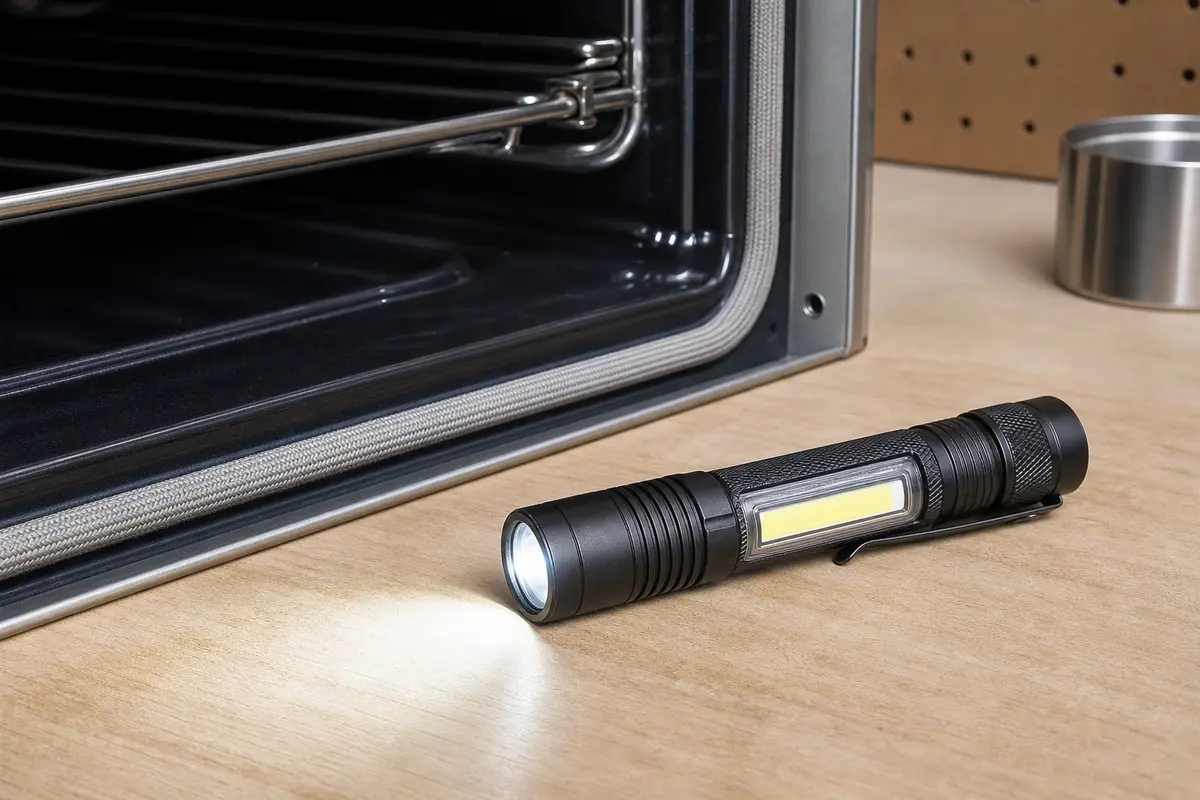
  3. Inspect the oven door gasket for gaps, tears, or spots pulled loose from the frame.
  4. Look for signs the door is not closing squarely, like a visible gap at one corner or heat pouring out the front.

Next move: If a breaker reset restores heat, monitor the oven through a full preheat and one cooking cycle. If power and fuel look normal and the door closes properly, the problem is likely inside the oven heating system.

What to conclude: Electric ovens that look alive but do not heat often have a supply issue. A bad door seal usually causes weak or slow heating, not a completely cold oven, but it is worth ruling out early.

Step 3: Separate electric bake-element failure from gas igniter failure

This is the most useful split on an oven not heating page because the symptoms look similar from the kitchen, but the fix is different.

  1. If you have an electric oven, inspect the lower oven bake element after the oven is off and cool. Look for blisters, cracks, a split spot, or a burned-through section.
  2. Run Bake briefly on an electric oven and see whether the lower element glows or stays dead while Broil still works.
  3. If you have a gas oven, start Bake and watch through the bottom openings if possible. A healthy oven igniter should glow and light the burner within a short time.
  4. If the gas oven igniter glows for a long time with no flame, or the oven takes much longer than normal to preheat, treat the oven igniter as the leading suspect.

Next move: If you find a visibly damaged oven bake element or a gas igniter that glows but will not light the burner promptly, you have a strong repair direction. If the bake element looks intact and the gas igniter behavior is not clearly weak, keep going to the sensor and heating-pattern checks.

Step 4: Check whether the oven is heating wrong instead of not heating at all

Some ovens are not truly dead. They heat weakly, overshoot, or never reach temperature because the sensor or seal is off, not because the main heat source is gone.

  1. Place an oven-safe thermometer in the center of the cavity if you have one and run a normal Bake cycle.
  2. Watch whether the oven gets somewhat hot but stalls well below the set temperature, or whether it swings wildly high and low.
  3. Inspect the oven temperature sensor inside the cavity for damage, heavy corrosion, or a loose mount.
  4. Recheck the oven door gasket if the oven seems to heat but loses temperature fast or browns unevenly near the door.

Next move: If the oven heats but reads clearly off, the oven temperature sensor becomes a reasonable next part to consider after basic inspection. If the oven still shows no meaningful heat and the common heating parts are not clearly failed, the problem may be in wiring or the control side.

Step 5: Act on the strongest clue and leave control-board calls for last

By now you should know whether you have a likely bake element failure, a likely gas igniter failure, a temperature-sensor issue, or a problem that needs a technician.

  1. Replace the oven bake element if it is visibly damaged or Bake is dead while Broil still works on an electric oven.
  2. Replace the oven igniter if a gas oven igniter glows but the burner does not light promptly or preheat has become very slow.
  3. Replace the oven temperature sensor only if the oven does heat but runs clearly off temperature and the heating parts are not the better fit.
  4. If none of those clues fit, schedule service for wiring or control diagnosis rather than guessing at an oven control board.

A good result: If the oven reaches set temperature normally and cycles without long delays, the repair path was correct.

If not: If the same no-heat symptom remains after the supported part check, stop buying parts and have the oven professionally diagnosed for wiring or control failure.

What to conclude: The practical finish is to replace the failed heating part you actually proved, or stop before the repair turns into expensive guesswork.

Replacement Parts

Repair Riot may earn a commission from qualifying purchases, at no extra cost to you.

FAQ

Why does my Cafe oven have lights and a working display but no heat?

That usually means the controls still have some power, but the oven is missing the full heating supply or a main heating part has failed. On electric models, partial power loss is common. On gas models, a weak oven igniter is a very common cause.

If broil works, does that mean the oven bake element is bad?

On an electric oven, that is one of the strongest clues. If Broil heats but Bake stays cold, the oven bake element is high on the list, especially if it shows a blister, crack, or burned-through spot.

Can an oven igniter be bad if it still glows?

Yes. A gas oven igniter can glow and still be too weak to open the gas valve properly. That often shows up as no flame, delayed ignition, or very slow preheating.

Does a bad oven temperature sensor cause a no-heat problem?

Usually it causes wrong temperature, unstable cycling, or poor preheat performance more than a completely cold oven. If the oven is stone cold, the bake element, igniter, or power supply is usually a better first suspect.

Should I replace the oven control board if I cannot find the problem?

Not as a first guess. Control boards are expensive and are not the most common cause when an oven simply will not heat. If the common heating parts and supply checks do not fit, that is the point to bring in a technician for confirmation instead of guessing.