What the loud noise sounds like
Loud whirring or grinding from the freezer area
The sound seems higher up, often behind the back panel inside the freezer, and may change when you open the freezer door.
Start here: Start with the freezer-door test and look for frost or ice around the evaporator fan area.
Rattle or buzz from the back or bottom
The noise is strongest near the rear lower section, especially when the refrigerator starts running.
Start here: Pull the refrigerator out enough to check for a vibrating drain pan, loose rear cover, or condenser fan obstruction.
Scraping that comes and goes
It may be loud for a few minutes, then quiet down, then return later.
Start here: Look for fan blades rubbing ice, a shifted fan shroud, or frost buildup behind the freezer back wall.
Steady hum that recently got much louder
The refrigerator still cools, but the normal running sound has become harsher or more noticeable.
Start here: Rule out poor leveling, cabinet contact with the wall, dirty condenser airflow, and a failing condenser fan before blaming the compressor.
Most likely causes
1. Ice buildup around the refrigerator evaporator fan
A scraping, ticking, or grinding sound from the freezer section that changes when the freezer door opens is a classic fan-rubbing-ice complaint.
Quick check: Open the freezer door and listen. If the sound stops or changes quickly, remove loose food items and look for frost or snow buildup on the rear freezer panel.
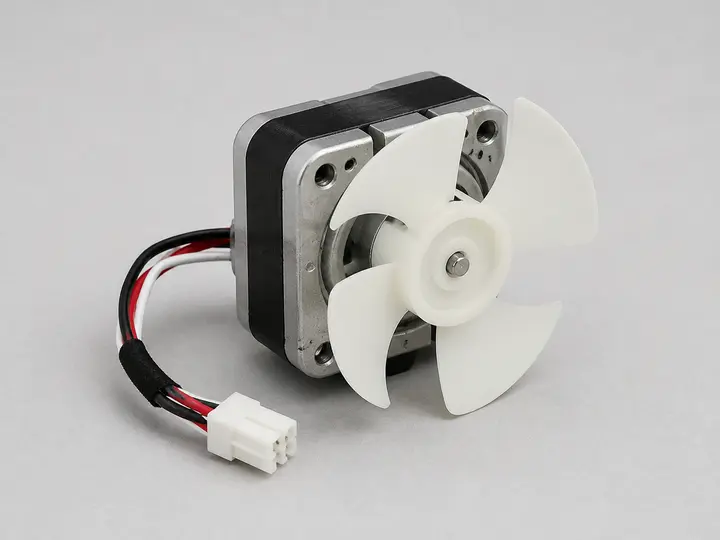
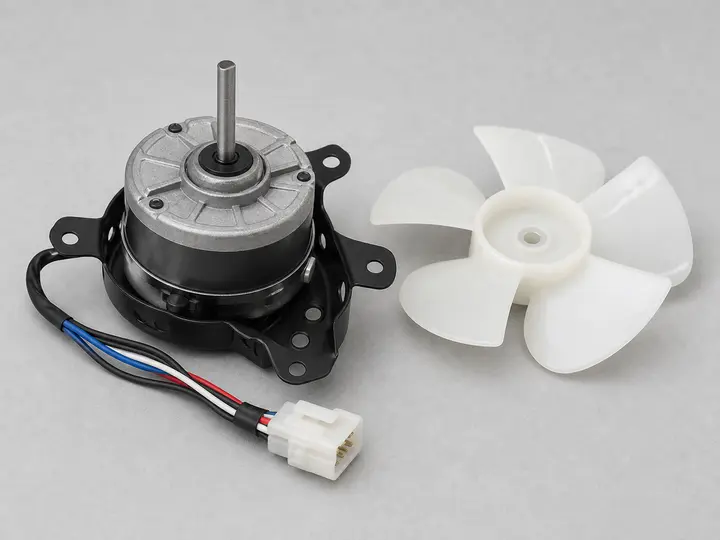
2. Worn refrigerator evaporator fan motor
A chirping, squealing, or rough whir from the freezer area often means the evaporator fan motor bearings are wearing out.
Quick check: With the freezer door open, press the door switch if you can do it safely and listen for a rough fan sound behind the panel.
3. Dirty or failing refrigerator condenser fan motor
A loud buzz, rattle, or growl from the lower rear area usually comes from the condenser fan pulling air through dust or running on worn bearings.
Quick check: Unplug the refrigerator, remove the lower rear access cover if accessible, and inspect the fan for lint, a loose blade, or something touching it.
4. Cabinet vibration or loose external parts
A refrigerator can sound much worse when a rear cover, drain pan, water line, or the cabinet itself is vibrating against the wall or floor.
Quick check: Gently press on the rear cover, side panels, and drain pan while it runs. If the sound changes, you likely have a vibration issue rather than a failed sealed-system part.
Step-by-step fix
Step 1: Pin down where the noise is coming from
You can save a lot of time by separating freezer-fan noise from bottom-rear noise before removing panels or shopping for parts.
- Stand in front of the refrigerator and listen at the freezer section, fresh-food section, and lower rear area.
- Open the freezer door and note whether the sound stops, softens, or changes within a few seconds.
- Open the fresh-food door and listen again, but give more weight to the freezer-door test for fan noise.
- If the refrigerator is pushed tight to the wall, pull it forward a few inches and listen for any change.
- Note the sound type: rattle, buzz, chirp, squeal, scraping, or steady hum.
If you can clearly place the sound in the freezer area or the lower rear area, the next checks get much more accurate. If the sound seems deep in the cabinet, is very hot-smelling, or you cannot tell where it comes from, move to the safety limits and be ready to stop before opening more up.
Noise that changes with the freezer door usually points to the refrigerator evaporator fan area. Noise strongest at the floor or back usually points to vibration or the refrigerator condenser fan area.
Stop if:- You smell burning insulation or hot electrical odor.
- The refrigerator trips a breaker or cuts out while you are testing.
- The sound is a hard metallic knock from the sealed system area.
Step 2: Rule out simple vibration and contact noise
Loose covers and cabinet vibration are common, safe to check, and easy to fix without replacing anything.
- Make sure the refrigerator cabinet is not touching the wall, cabinets, or a rigid water line.
- Check that the refrigerator sits solidly on the floor and does not rock front to back.
- Inspect the lower rear cover and any visible screws for looseness.
- Look at the drain pan area underneath or behind the unit and make sure it is seated properly.
- While the refrigerator is running, gently press on the rear cover, side panel, and drain pan one at a time to see whether the noise changes.
If the noise drops when you steady a panel or move the cabinet, correct the contact point, level the refrigerator, and recheck after a full run cycle. If the noise stays the same, move on to the fan areas. That is where most truly loud refrigerator noises come from.
A noise that changes when you touch a panel or shift the cabinet is usually vibration, not a failed internal cooling part.
Step 3: Check the lower rear condenser fan area
A dirty or failing refrigerator condenser fan is one of the most common causes of loud rear-bottom noise, and it is usually visible once the access cover is off.
- Unplug the refrigerator.
- Remove the lower rear access cover if it is accessible with basic hand tools.
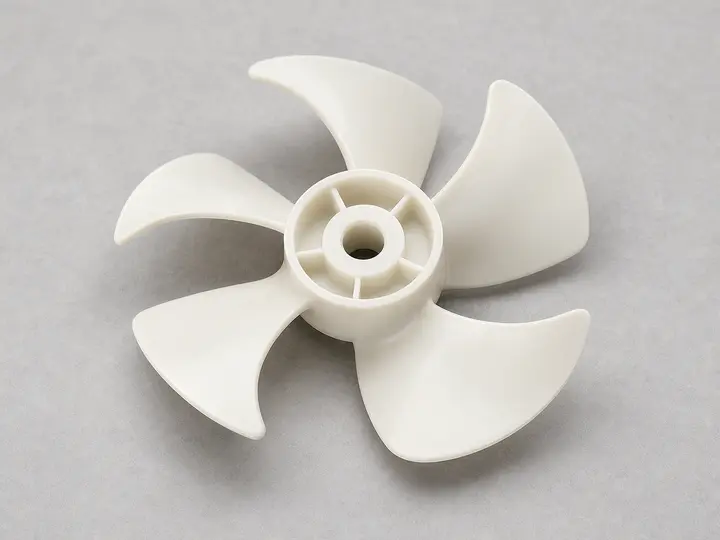
- Inspect the refrigerator condenser fan blade for lint, paper, pet hair, or anything rubbing the blade.
- Clean loose dust carefully with a vacuum and soft brush without bending the blade.
- Spin the fan blade gently by hand. It should turn freely without wobbling or scraping.
- Reinstall the cover, plug the refrigerator back in, and listen from the rear lower area.
If cleaning and clearing the fan quiets the refrigerator, keep monitoring over the next day. You likely caught a debris or airflow problem early. If the fan still growls, rattles, or struggles after cleaning and the blade is not rubbing anything, the refrigerator condenser fan motor is the likely fix.
Step 4: Check for ice rub or a failing evaporator fan in the freezer
If the noise tracks to the freezer area, the evaporator fan is the main suspect. Ice rub is common, and a worn motor has a very distinct rough or squealing sound.
- Move food away from the rear freezer panel so airflow is not blocked.
- Look for heavy frost, snow, or bulging ice on the rear freezer panel.
- If the noise changes when the freezer door opens, listen for a fan slowing down behind that panel.
- If you can safely access the evaporator fan cover without forcing brittle plastic, inspect for ice touching the fan blade or a loose shroud.
- If there is light surface frost around the fan opening, unplug the refrigerator and let the ice melt naturally with doors open and towels down. Do not chip at ice with a knife or screwdriver.
- After thawing, restart the refrigerator and listen again.
If the scraping or ticking is gone after thawing, the immediate noise was fan-to-ice contact. If frost builds back quickly, the refrigerator likely has a defrost problem and needs a separate diagnosis. If there is no ice contact and the freezer fan still sounds rough, squeals, or wobbles, the refrigerator evaporator fan motor is the supported repair path.
Step 5: Decide on the repair path and stop at the right line
By now you should know whether you have a simple vibration issue, a condenser fan problem, an evaporator fan problem, or a larger frost or sealed-system issue.
- If the noise was fixed by moving the cabinet, tightening a cover, or reseating the drain pan, keep using the refrigerator and recheck over the next few cycles.
- If the lower rear fan stayed loud after cleaning and the blade is intact, replace the refrigerator condenser fan motor.
- If the freezer-area fan stayed loud after thawing and there is no blade rub, replace the refrigerator evaporator fan motor.
- If frost or ice keeps returning on the freezer back wall, use the separate ice-buildup diagnosis path instead of guessing at parts.
- If the loud sound seems to come from the compressor body itself, or cooling is getting worse, stop DIY and schedule service.
A good result: You end with a specific next move instead of guessing: correct vibration, replace the confirmed fan motor, or shift to the frost problem if ice is the real cause.
If not: If none of the checks changed the sound and the refrigerator is also too warm or running constantly, the problem is outside a simple noise repair and needs a broader cooling diagnosis.
The loud-noise repair is usually straightforward once the sound is located. Fan motors are common homeowner repairs; sealed-system and recurring defrost failures are not good guess-and-buy jobs.
Replacement Parts
As an Amazon Associate I earn from qualifying purchases. Repair Riot may earn a commission at no extra cost to you.
FAQ
Why does the noise stop when I open the freezer door?
That usually points to the refrigerator evaporator fan area. On many refrigerators, opening the freezer door changes or stops that fan, so a noise that changes right then is often fan rub, ice contact, or a worn evaporator fan motor.
Is a loud humming compressor normal?
A mild hum is normal. A compressor that suddenly becomes much louder, knocks, or sounds harsh enough to hear across the room is not something to guess at. Rule out fan noise first, because fans are far more common than compressor failure.
Can ice buildup make a refrigerator sound loud even if it still cools?
Yes. Ice can form around the evaporator fan and the refrigerator may still cool for a while. The fan blade starts clipping frost or packed ice, which sounds like scraping, ticking, or grinding.
Should I keep running the refrigerator if the fan is making a grinding noise?
Not for long. A grinding fan can seize, stop airflow, and turn a noise problem into a cooling problem. If the sound is clearly from a fan and does not clear after simple checks, plan the repair soon.
What if my refrigerator is loud and the fresh-food section is warming up?
That is no longer just a noise complaint. If the freezer is cold but the refrigerator side is warming, check the freezer fan path and see the related fridge-warm diagnosis. If heavy frost is building on the back wall, use the ice-buildup path instead of guessing at parts.
Can a dirty condenser area really make that much noise?
Yes. Dust and pet hair can make the refrigerator condenser fan work harder, throw the blade off balance, or let debris touch the blade. That often creates a buzz, rattle, or growl from the lower rear area.