Does a half-size timed load dry better?
Loading and airflow move to the top. Clean both lint screens, clear the accessible condenser path, and stop packing towels or mixed heavy loads tight.
A Bosch heat pump dryer that runs but leaves clothes damp usually needs lint, airflow, load, or condensate checks before parts. First clean the accessible filters and confirm the tank or drain path is working.
Clean both lint screens. Check the accessible condenser air path, reseat the water tank, inspect the drain hose if connected, and test a half-size load.
Good clue: a half-load dries better than a full load, which points to airflow or load behavior before a failed part.
Don’t start with: Do not start by ordering a control board or tearing the machine apart. First check the clues this dryer gives you. Look for a filmed-over filter, lint in the lower accessible air path, a loose tank, or a kinked drain hose.
Loading and airflow move to the top. Clean both lint screens, clear the accessible condenser path, and stop packing towels or mixed heavy loads tight.
Check the condensate tank fit and the drain hose route before buying a pump. A kink, sag, blocked hose end, or mis-seated tank can mimic a failed part.
Clean the visible moisture sensor area if your model has one, then compare similar loads. That pattern points more toward sensing or cycle choice than a dead heat system.
Plan for deeper service. If both cycles still leave clothes wet, check your last results first. Clean lint path, seated tank, and clear drain hose point next to the blower, internal air path, condensate pump, or sensor.
Start at the front and the water path. The lint and condenser air path affect airflow, while the condensate tank or drain route handles the water pulled from the load.
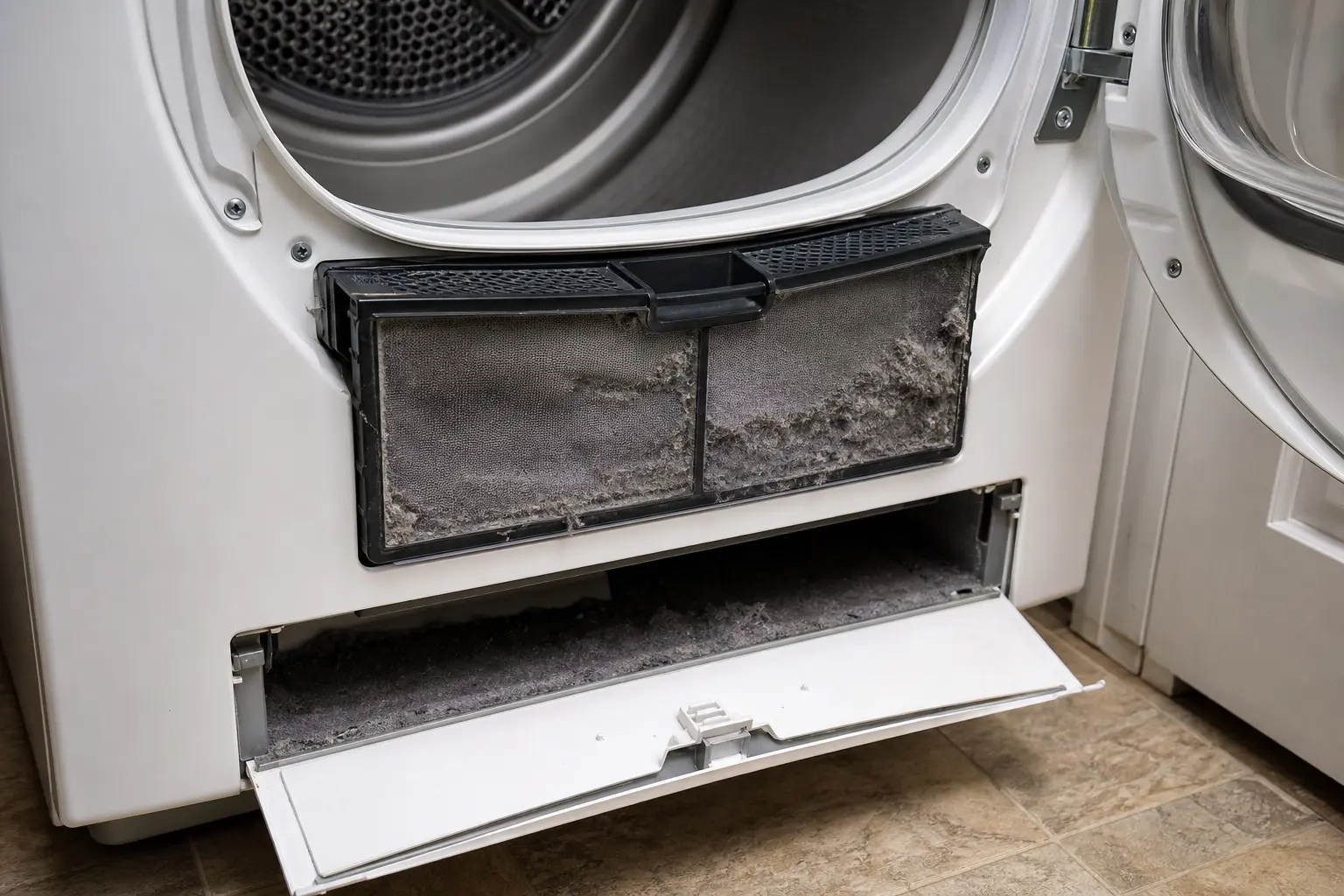
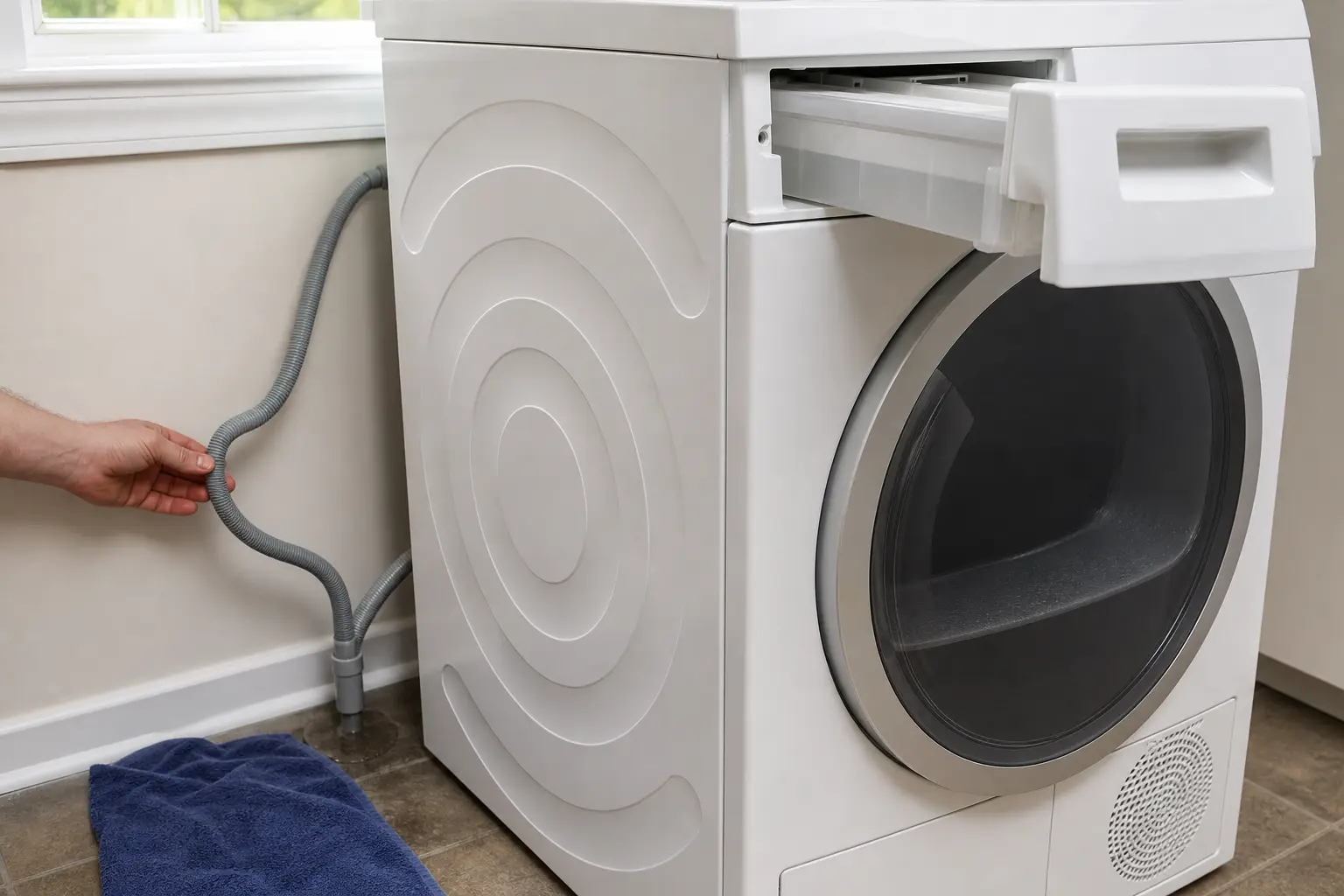
Write down the full Bosch model number and make the failure repeat with a small timed load. Heat pump dryer pumps, sensors, lint filters, and blower parts vary by model, and a dirty air path can make good parts look bad.
Heat pump drying is different. A Bosch heat pump dryer uses cooler air and a closed-loop system, so lint, poor tank seating, and oversized loads show up fast.
Do not turn a damp load into a parts order. First look for the clue you can prove: lint mat, shiny filter film, tank warning, kinked hose, or a half-load test that dries better.
Use one controlled test before you take anything apart. It separates normal low-heat behavior from a dryer that cannot move moisture well.
| What you find | What it usually means | Next move |
|---|---|---|
| Half load dries much better. | The dryer is being pushed by load size, fabric mix, or airflow restriction. | Keep loads moderate and clean the accessible lint and condenser path. |
| Tank warning or early stop returns. | Condensate handling is still suspect. | Reseat the tank and inspect the drain hose for kinks, sagging, and sludge. |
| Timed dry works but auto dry stops damp. | The dryer can remove moisture, but sensing or cycle choice is off. | Clean the visible sensor area and compare similar loads. |
| Timed and auto cycles both leave clothes wet. | A deeper airflow, blower, pump, or sensor problem is more likely. | Stop guessing and plan model-specific service. |
The useful cleaning is the part Bosch expects a homeowner to reach: removable filters, the filter frame, and any lower access area shown in your manual.
A heat pump dryer has to collect or drain the water it removes. When that side is off, the dryer can tumble normally and still leave clothes damp or stop early.
This split matters. It tells you whether the dryer cannot dry at all or whether it is ending the automatic cycle too soon.
These tools are for cleaning and sorting the failure. They are not a reason to open sealed or sharp internal areas.
Paid links. As an Amazon Associate I earn from qualifying purchases. Repair Riot may earn a commission at no extra cost to you.
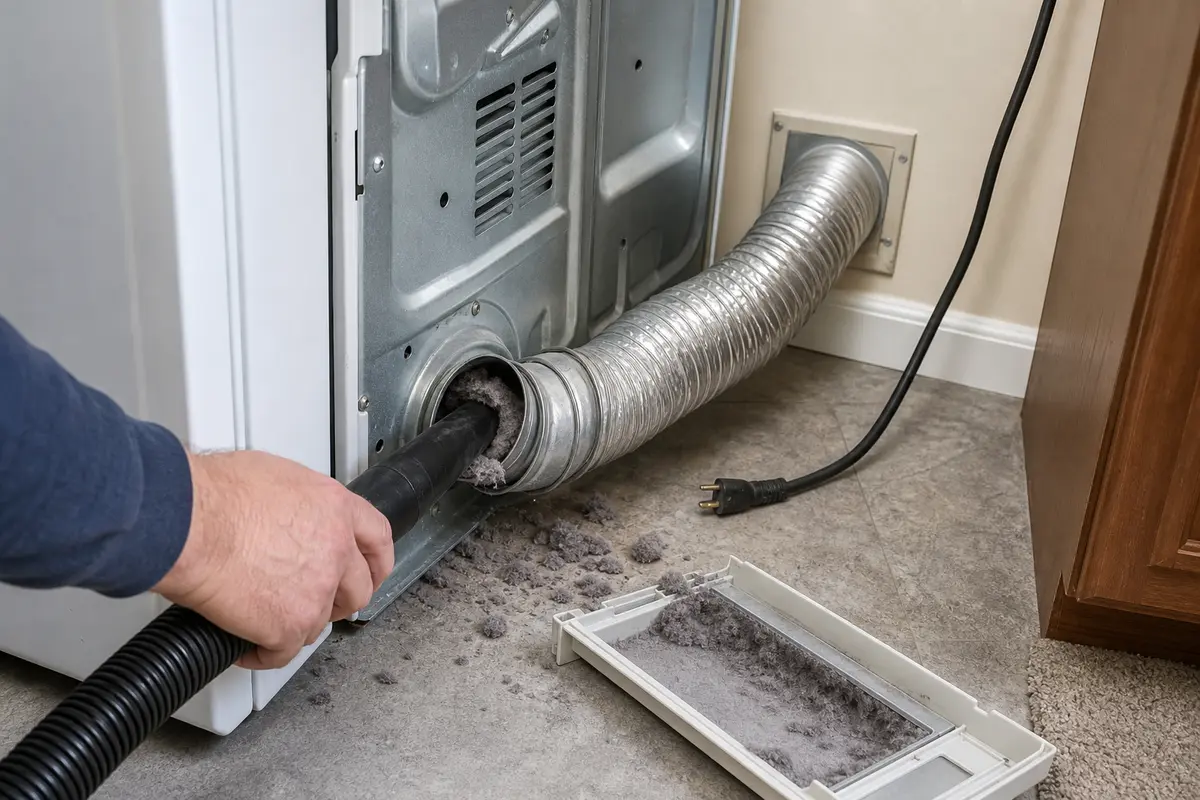
Helps when: Use a vacuum with crevice tool to remove lint from accessible filter frames and lower access areas named in the manual.
Skip it when: Skip forcing the tool into sealed, sharp, or powered dryer areas.
Compare vacuums with crevice tools on Amazon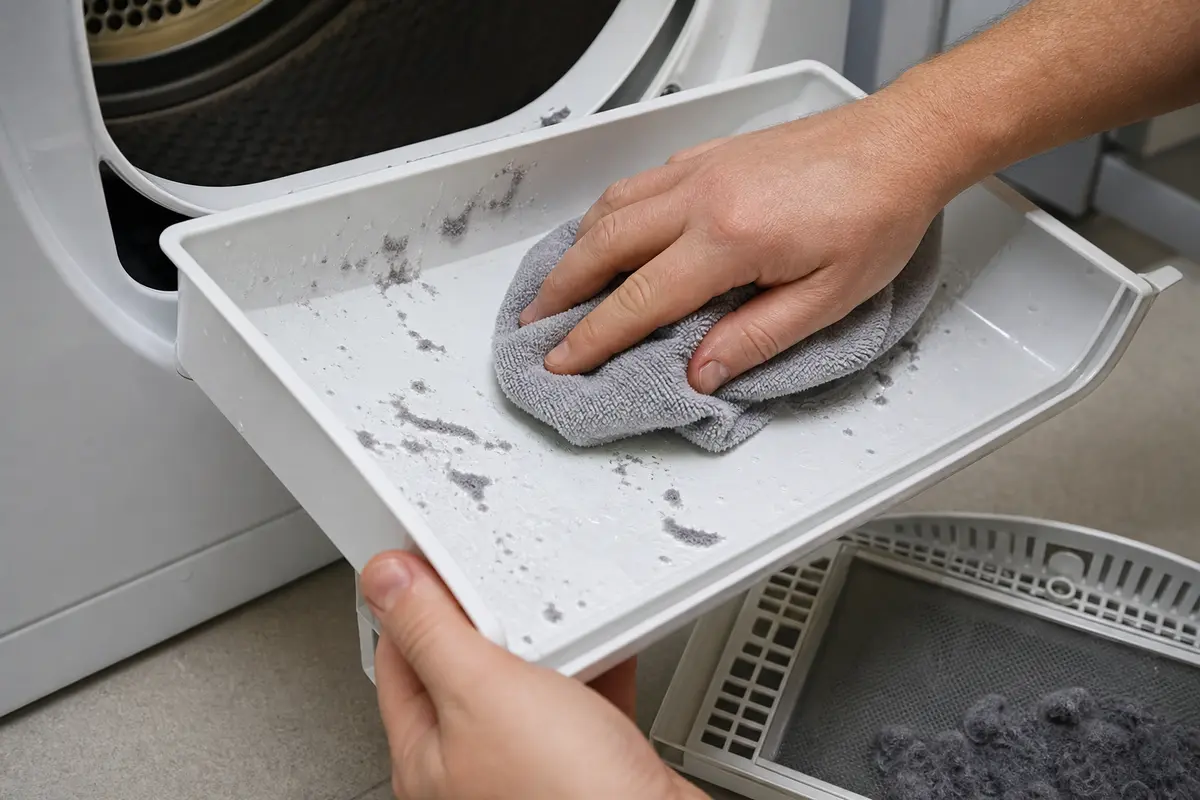
Helps when: Use soft cloths to wipe filter film, tank seating surfaces, and accessible damp lint residue.
Skip it when: Skip soaking electrical areas or scrubbing sensor surfaces with anything abrasive.
Compare lint-free microfiber cloths on Amazon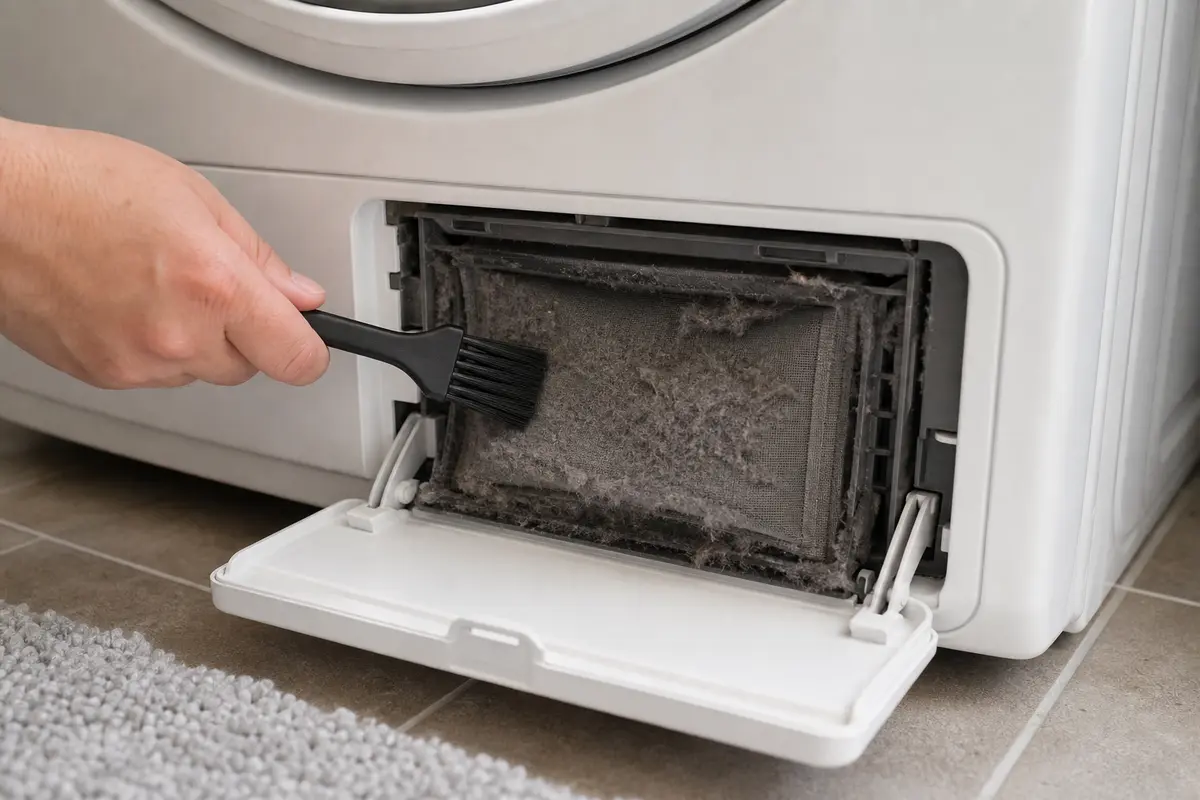
Helps when: Use a small soft brush to loosen lint on removable screens and accessible frames.
Skip it when: Skip brushing delicate sealed areas or condenser surfaces not listed for owner cleaning.
Compare small soft cleaning brushes on AmazonDo the checks first. A lint filter belongs in the cart only if it is torn, warped, or will not sit flat after cleaning. For a pump or sensor, use the tank, hose, timed-dry, and auto-dry clues. Match every part by the full Bosch model number, not by a similar-looking dryer or a search-result title.
Paid links. As an Amazon Associate I earn from qualifying purchases. Repair Riot may earn a commission at no extra cost to you.
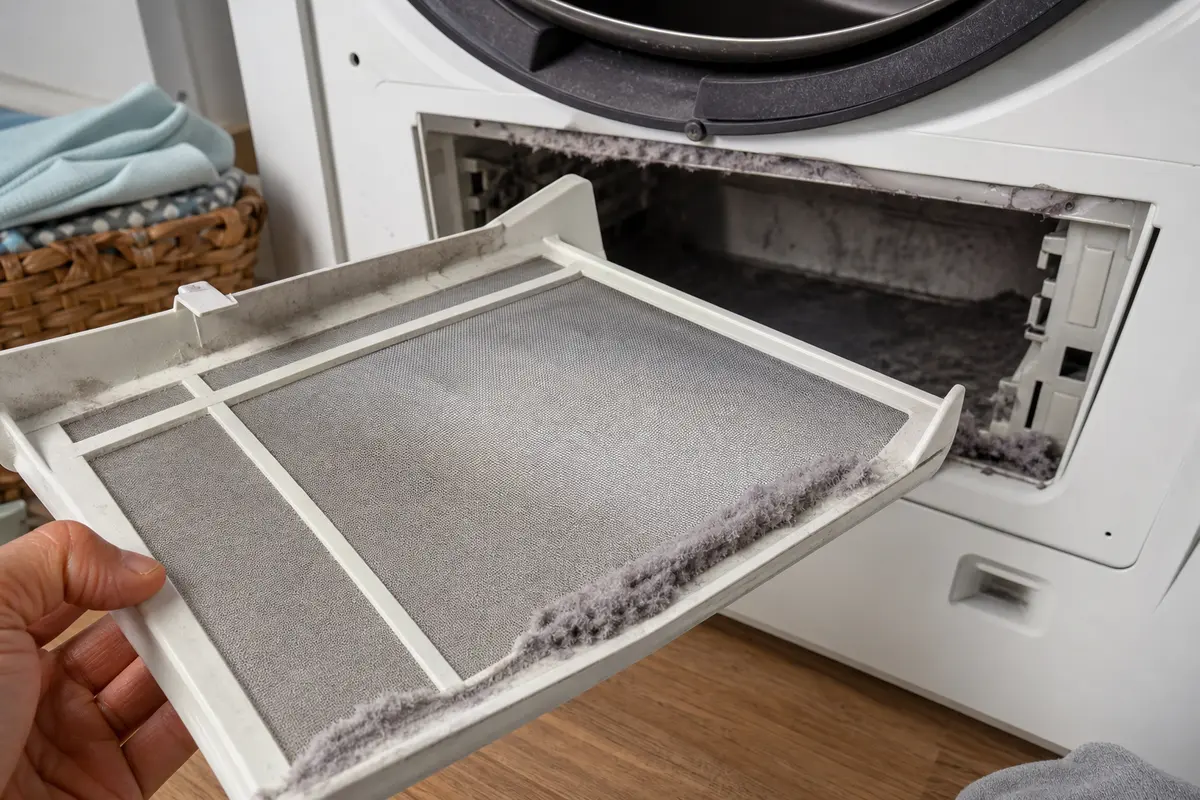
Helps when: Use a dryer lint filter only if the Bosch filter is torn, warped, or will not seat flat after cleaning.
Skip it when: Skip replacement if the filter is dirty but intact; clean it first and retest.
Compare Bosch dryer lint filters on Amazon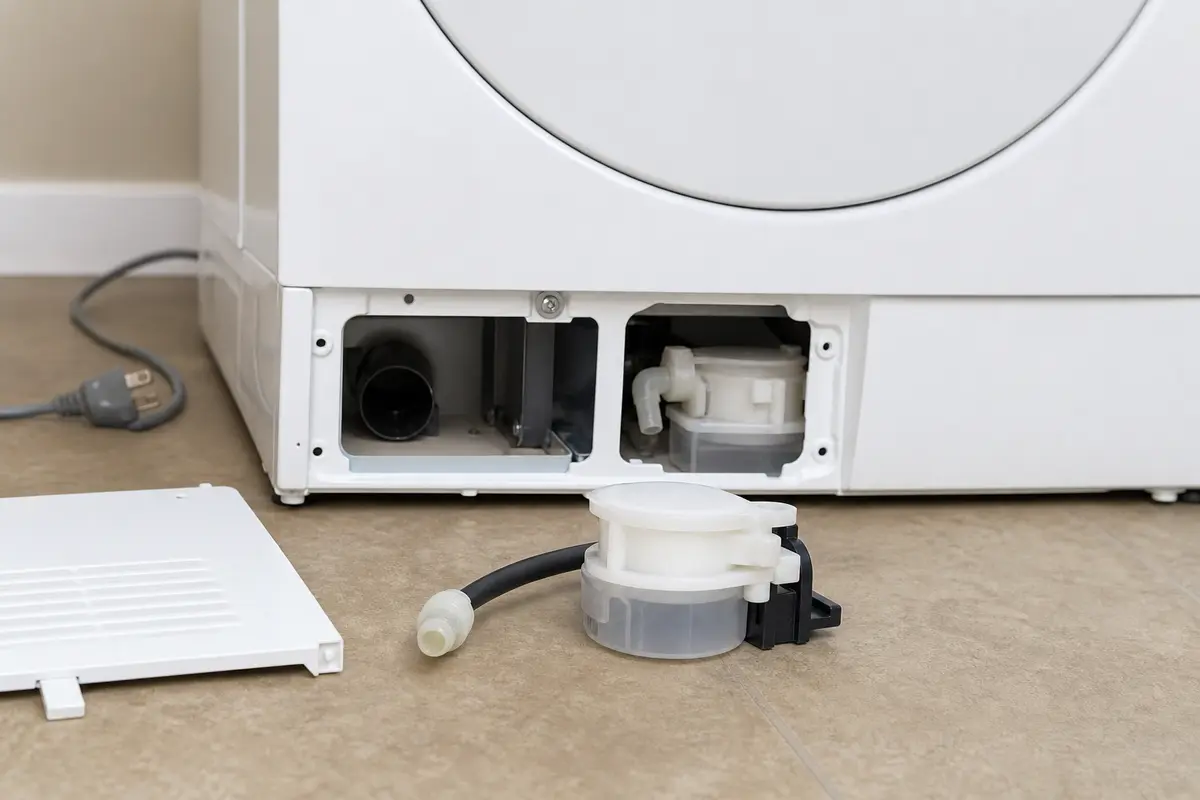
Helps when: Use a condensate pump only after tank seating, drain hose routing, and water-side symptoms point there.
Skip it when: Skip pump replacement from damp clothes alone; match the part by the full Bosch model number.
Compare Bosch dryer condensate pumps on Amazon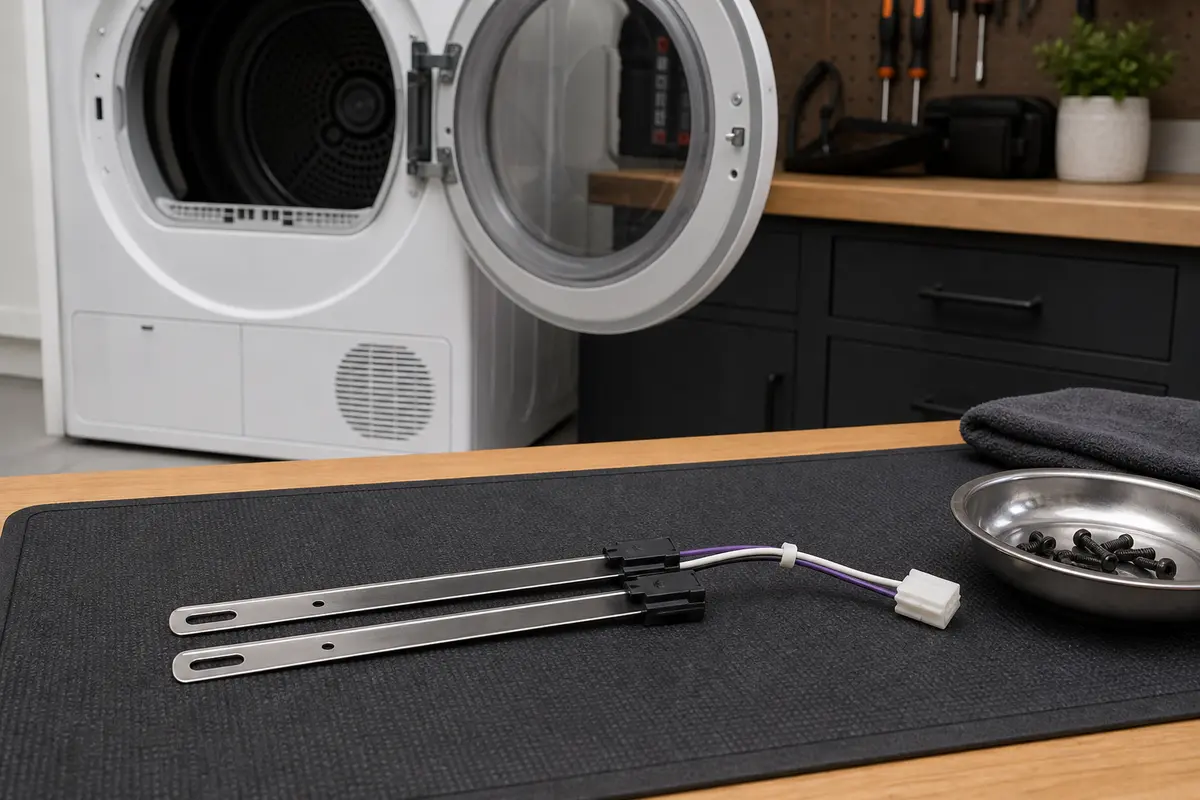
Helps when: Use a moisture sensor only when timed dry works, auto dry ends early, and cleaning does not fix sensor behavior.
Skip it when: Skip sensor replacement when airflow, load size, lint, or drainage still has not been proven.
Compare Bosch dryer moisture sensors on AmazonThat is normal. Heat pump dryers usually dry with lower air temperature and longer cycles. They can still dry well, but they are much less forgiving of lint buildup, overloaded drums, and poor moisture drainage.
Yes. On this style of dryer, even a partly blocked filter or air path can drag drying performance down fast. A filter coated with dryer-sheet residue can be just as troublesome as one packed with lint.
That usually points to restricted airflow or overloading rather than a total failure. Clean the filter and accessible lower air path. Then test a half-size load of similar fabrics before blaming a part.
Usually the dryer can still remove moisture, but the auto cycle is ending too soon. Wipe the visible moisture sensor area and dry it fully. If a similar load still stops damp, a sensor or related sensing issue is more likely.
Usually no. If the lint screen looks shiny or water beads on it, wash the removable filter with warm water and a little mild dish soap. Dry it fully. Wipe sensor bars lightly; do not spray liquids into the cabinet or mix cleaners.
Not necessarily. On a heat pump dryer, weak drying often comes from lint, poor airflow, or condensate handling. Clean the accessible air path, reseat the tank, check the drain hose, and run the timed-dry test before buying heating parts.
The tank warning can still show up if the hose is kinked, sagging, clogged at the end, or not connected the way the model expects. Reseat the tank and check the full hose path before you suspect the condensate pump.
Stay with user-accessible filters, flaps, and openings unless the manual clearly shows the panel as a maintenance area. Stop if access exposes wiring, sharp internal metal, sealed heat-pump parts, or a fan area you cannot reach safely.
Yes, often. A cooler drum is normal for this style of dryer. Run the half-load test after cleaning the filter, seating the tank, and checking the drain hose. A cycle that still stretches or ends wet needs deeper diagnosis.
Repair Riot built this page around safe homeowner checks. The sequence is load size, lint screens, accessible condenser airflow, condensate tank seating, drain hose routing, and the timed-dry versus auto-dry split. The links below support the model-specific Bosch and public dryer lint guidance used here.